
TL;DR

Get business pricing on tools and workshop supplies
- Business-only prices and quantity discounts
- Tax-exempt purchasing
- Multiple users, one account, clear invoices
Most tool belts are designed for right-handed users, but customizing your setup for your dominant hand improves access and reduces strain. Modular, adjustable belts let you tailor your gear for maximum efficiency and safety.
Ever try grabbing a tool only to miss it because your belt setup isn’t quite right? It’s a small mistake with big consequences — wasted seconds, awkward movements, and unnecessary fatigue. Your tool belt setup isn’t just about storage; it’s about making your work smoother, safer, and less tiring.
Whether you’re a seasoned electrician or a DIY enthusiast, understanding how to set up your belt for your dominant hand can transform your workday. This guide walks you through the essentials of left-handed versus right-handed setups, practical tips to customize your gear, and recent innovations that make a difference.
Customize your tool belt based on your dominant hand for faster access and less fatigue.
Use modular and adjustable systems to switch setups quickly and adapt to different tasks.
Place your most-used tools near your hand, not far away, to save seconds every time.
Lightweight, durable materials keep your belt comfortable during long hours.
Regularly re-evaluate your setup to ensure it remains ergonomic and efficient.
Why Your Dominant Hand Should Dictate Your Tool Belt Setup
Your dominant hand is your best tool for quick, precise movements. Setting up your belt with this in mind means your most-used tools are within easy reach, right where your hand naturally goes. Imagine an electrician wiring a panel — reaching for a screwdriver with your dominant hand saves precious seconds and keeps your flow smooth.
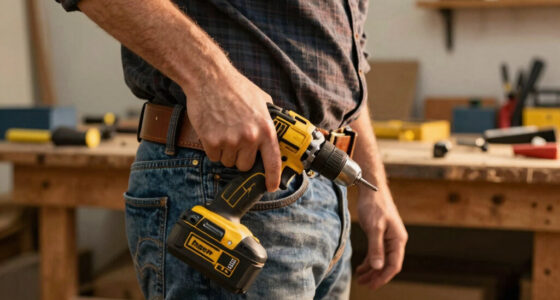
For right-handed users, this often means placing the most common tools on the right side. Lefties should flip that logic — tools like hammers, screwdrivers, or cordless drills should be on the left for quick access. Proper setup reduces strain, prevents accidental drops, and speeds up your work.
Why does this matter? Because efficiency isn’t just about speed; it’s about reducing the physical and mental effort required to perform tasks. When your tools are positioned ergonomically, you minimize awkward reaching or twisting, which can lead to muscle strain or repetitive stress injuries over time. Additionally, a well-placed setup helps prevent accidental tool drops, which can cause injuries or damage, especially when working at heights or around delicate equipment.
As an affiliate, we earn on qualifying purchases.
How to Set Up Your Tool Belt for Your Handed Preference
- Identify your dominant hand — which feels more natural for fast tool retrieval. Recognizing this is crucial because it directly influences your workflow efficiency and physical comfort. A mismatch between your dominant hand and tool placement can lead to awkward postures, slower work, and increased fatigue over time.
- Choose a modular belt system that allows repositioning of pouches and holsters. Modular systems offer flexibility, enabling you to adapt your setup to specific tasks or to accommodate fatigue or injury. Investing in a versatile belt means you can fine-tune your ergonomics, which is especially valuable for long workdays or varied projects.
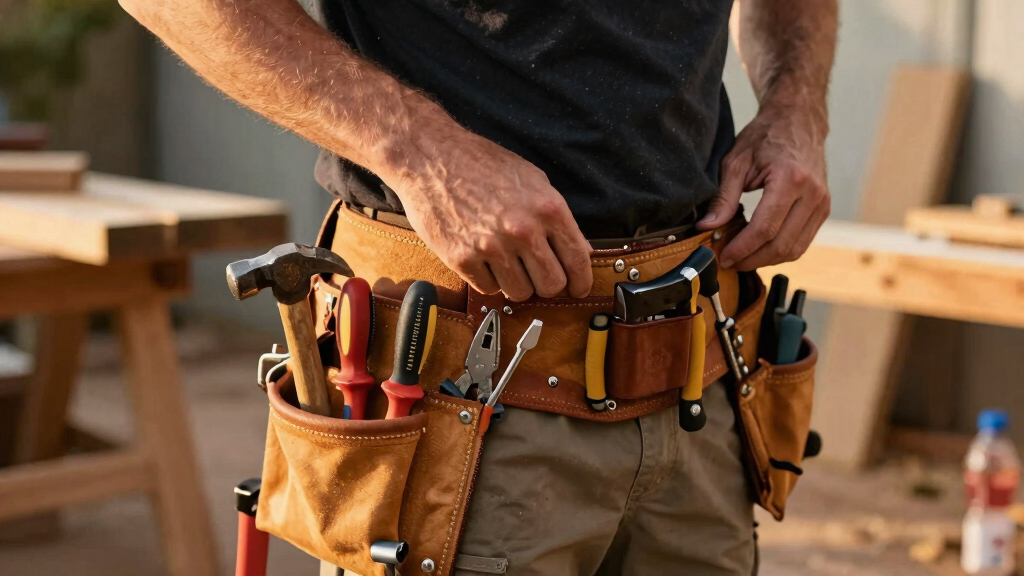
- Place your most-used tools on the side of your dominant hand. For righties, that’s usually the right side; for lefties, the left side. This placement reduces the need for reaching across your body, decreasing strain and increasing speed. Think about the natural motion of your arm and how your body prefers to move — aligning your tools accordingly minimizes unnecessary movements.
- Adjust the height and angle of pouches so you can grab tools without twisting or reaching awkwardly. Proper adjustment considers your body posture and typical working stance, helping you maintain comfort and reduce fatigue. For example, a pouch positioned slightly higher or angled can facilitate a more natural arm movement, preventing shoulder strain.
- Test the setup during a mock task — make sure your hand naturally lands on the tools you need most. This practical step is vital because it reveals real-world comfort and efficiency. If your hand struggles to reach or if you find yourself twisting or stretching, revisit your placement choices. Fine-tuning these details can significantly improve your overall work experience.
For example, a framing carpenter might keep a nail gun holster on the right, while a plumber might position pipe wrenches on the left side for quick grabs without shifting posture. The key is to think about your specific tasks and how your body naturally moves during those tasks, then adjust accordingly.
As an affiliate, we earn on qualifying purchases.
Compare Left-Handed and Right-Handed Tool Belt Setups
| Feature | Right-Handed Setup | Left-Handed Setup |
|---|---|---|
| Tool placement | Tools on the right side, near dominant hand | Tools on the left side, near dominant hand |
| Ease of access | Quick for right-handed users, minimal reach | Quick for left-handed users, minimal reach |
| Adjustability | Often customizable with modular systems | Often customizable with modular systems |
| Comfort during long hours | Less fatigue when setup correctly | Less fatigue when setup correctly |
This simple comparison shows how customizing your setup to your hand dominance can shave seconds off each tool retrieval. Many belts are reversible or modular, making it easy to switch or adapt as needed. The deeper benefit is that these small adjustments cumulatively lead to less physical strain, fewer dropped tools, and greater overall safety. When your tools are within natural reach, your body doesn’t have to compensate through awkward movements, which over time can cause musculoskeletal issues or reduce your stamina during long shifts.
ergonomic tool belt for electricians
As an affiliate, we earn on qualifying purchases.
As an affiliate, we earn on qualifying purchases.
The Best Tools and Materials for Custom, Comfortable Setup
- Lightweight, durable materials like nylon or leather prevent fatigue and withstand tough conditions. These materials reduce the overall weight of the belt, which is critical during long shifts, and their durability ensures your setup stays intact through daily wear and tear.
- Modular pouches that can be repositioned or removed for different tasks or personal preference. This flexibility allows you to create a personalized layout that aligns with your workflow, minimizing unnecessary reaching or bending.
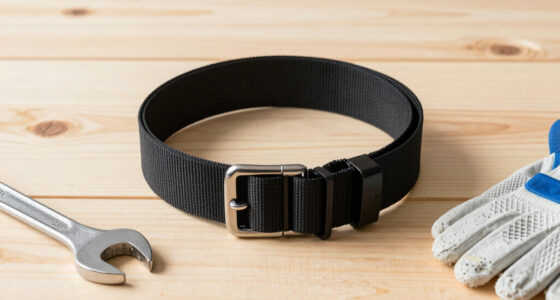
- Adjustable straps and quick-release buckles for easy reconfiguration on the fly. These features enable quick adjustments when your task changes or if you experience fatigue, helping maintain ergonomic integrity throughout the day.
- Reversible holsters for ambidextrous setups, giving you flexibility across different jobs. Reversible holsters are especially valuable for tradespeople who switch between tasks or work with different teams, ensuring comfort and efficiency regardless of handedness.
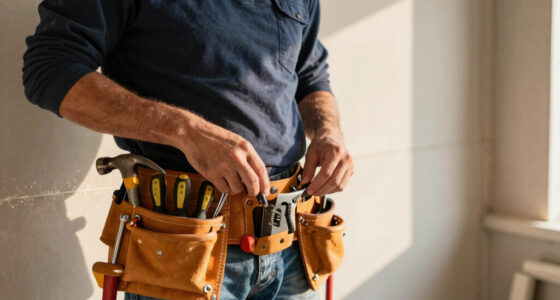
For instance, a heavy leather belt with adjustable pouches allows a mechanic to shift tools from the right to the left side depending on the day’s tasks. The right setup keeps tools within arm’s reach, reducing fatigue and improving safety. Investing in high-quality, adaptable materials is about long-term comfort and minimizing the physical toll of daily work, which directly correlates with safety and productivity.
As an affiliate, we earn on qualifying purchases.
Common Mistakes and How to Avoid Them When Setting Up Your Belt
One common mistake? Placing tools too far from your dominant hand. This causes unnecessary stretching and slows you down, which over time can lead to muscle fatigue or joint strain. When you reach for tools that are awkwardly positioned, your muscles work harder than necessary, increasing the risk of repetitive strain injuries.
Another pitfall is overloading one side, which shifts your balance and can cause fatigue or injury. Excess weight on one hip or side can alter your posture, leading to back pain or musculoskeletal issues. Distributing weight evenly and positioning tools close to your natural movement path helps maintain proper ergonomics.
To avoid these issues, always position your most-used tools close to your hand, and regularly re-evaluate your setup — what worked in the morning might become inefficient after hours of work. Small adjustments can prevent cumulative strain, keeping you comfortable and safe over the course of a long day.
For example, a carpenter might find that shifting a tape measure to the left side after lunch reduces reaching strain during detailed cuts. Being attentive to your body’s signals and adjusting accordingly ensures your setup remains ergonomic and efficient, reducing the risk of injury and fatigue.
Latest Trends in Tool Belt Design for Handed and Ambidextrous Users
Modularity and adjustability are shaping the future of tool belt design. Many brands now feature belts with removable, repositionable pouches, allowing seamless switching between right- and left-handed configurations or adapting to changing tasks. This flexibility means you don’t need multiple belts or complicated setups — just one well-designed system that molds to your needs.
Lightweight yet tough materials like ripstop nylon are becoming standard, significantly reducing fatigue during long days. The use of advanced fabrics ensures durability while keeping weight minimal, which is crucial for maintaining stamina. Tech integration, such as built-in LED lights or tool trackers, is also gaining popularity, addressing the needs of modern tradespeople who value connectivity and smart features.
For example, a plumber working on a complex job can quickly reconfigure their belt to switch from wrench holsters to screwdriver pouches with a few clicks, saving time and effort. These innovations reflect a shift toward smarter, more adaptable gear that prioritizes user comfort and efficiency across diverse work environments.
Frequently Asked Questions
How do I know if my setup is truly optimized for my dominant hand?
Test your setup during a mock task. If your tool reaches naturally without twisting or stretching, you’re on the right track. Adjust pouches and holsters until your hand lands exactly where you want it for quick, effortless access.Are ambidextrous tool belts worth the extra cost?
Absolutely. They let you reconfigure your setup based on the day’s tasks or your mood. If you work on multiple types of jobs or switch hands often, ambidextrous belts save time and keep your gear flexible.Can I convert a right-handed belt for left-handed use?
Most modular belts are reversible or have repositionable pouches. With a few adjustments, you can flip your setup to match your dominant hand without buying a new belt. Just check if your belt’s design supports this flexibility.What safety benefits come from a well-organized belt?
A properly set up belt keeps tools secure and within reach, reducing the chance of dropping or swinging tools that can cause injury. It also helps prevent fatigue, lowering the risk of accidents caused by tired, strained muscles.What materials should I look for in a durable, comfortable tool belt?
Look for belts made from lightweight, tough materials like nylon or leather. Padded straps and reinforced stitching add comfort and longevity, especially during long, demanding workdays.Conclusion
Your tool belt setup isn’t just about storage — it’s about working smarter, not harder. Tailoring your gear to your dominant hand streamlines your workflow and cuts down fatigue. Take a few minutes to tweak your belt today; your body and time will thank you.
Remember, a simple shift in how you organize your tools can turn a frustrating day into a smooth, efficient one. Make your gear work for you — not the other way around.
Halloween Picks
halloween
As an affiliate, we earn on qualifying purchases.