TL;DR

Get business pricing on tools and workshop supplies
- Business-only prices and quantity discounts
- Tax-exempt purchasing
- Multiple users, one account, clear invoices
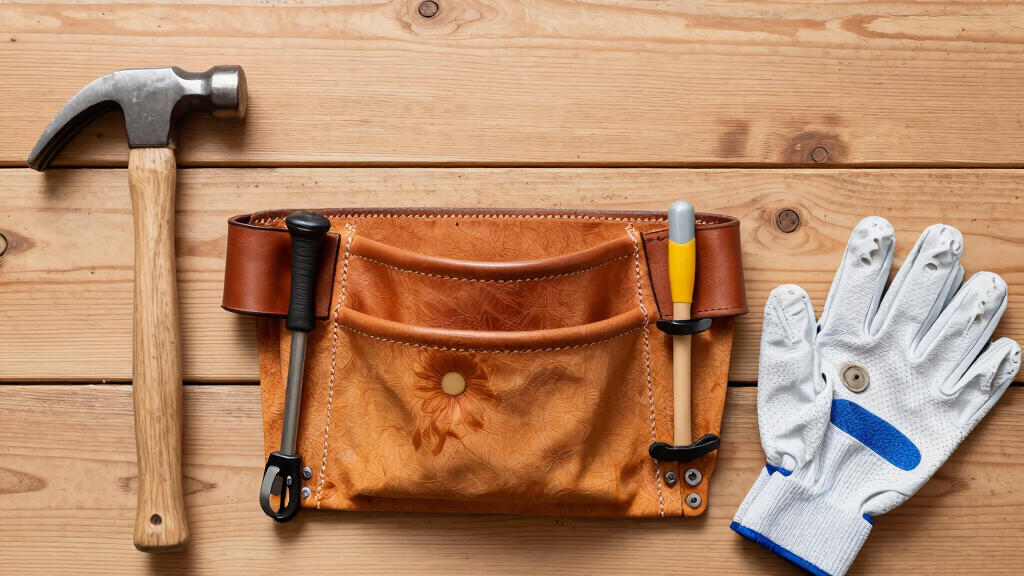
Storing your leather tool belt correctly involves cleaning, conditioning, and hanging in a dry, ventilated space. Proper care prevents cracking, warping, and mold, extending its lifespan.
Always clean and condition your leather belt before storing it to prevent cracking and stiffening.
Hang your belt on a wide, padded hanger in a dry, ventilated space to maintain its shape.
Avoid plastic bags, direct sunlight, and humid environments during storage.
Regular maintenance every 3-6 months extends your belt’s lifespan significantly.
Eco-friendly storage options like wooden hangers support sustainability and leather health.
Clean and Condition Before Storing — The Foundation of Good Storage
Cleaning your leather belt before storage is like giving it a fresh start. Use a soft brush or damp cloth to wipe away dirt and dust after a long day. Once dry, apply a high-quality leather conditioner to keep it supple and prevent cracking. This step is essential: dirt and neglect speed up deterioration.
For example, after a full day on-site, take 5 minutes to wipe your belt with a slightly damp cloth, then rub in a conditioner. It’s a simple ritual that adds years to its life.
As an affiliate, we earn on qualifying purchases.
Choose the Right Spot — Keep Your Belt in a Dry, Ventilated Space
Your leather belt hates moisture and direct sunlight. Store it in a cool, dry place—think a closet or a tool chest away from windows. Humid areas invite mold. A dedicated hook or hanger makes a big difference, too.
For instance, hanging your belt on a wide, padded hanger inside a closet keeps it from deforming and protects it from temperature swings that cause leather to crack.
As an affiliate, we earn on qualifying purchases.
How to Hang Your Leather Tool Belt for Perfect Shape
Proper hanging preserves your belt’s shape. Use a wide, padded hanger or a wall hook designed for tools. Avoid folding or cramming it into tight spaces, which causes creases and deformation.
Here’s a quick step-by-step:
- Choose a sturdy, wide hanger with padding.
- Hang the belt by the buckle or the middle section, not by the straps.
- Ensure it hangs freely—no crammed into a corner.
- Check periodically to keep it straight and shape-retained.
This simple routine keeps your belt looking and fitting like new, even after months of storage.
As an affiliate, we earn on qualifying purchases.
Comparison: Hanging vs. Folding — Which Preserves Your Belt Better?
| Method | Pros | Cons |
|---|---|---|
| Hanging | Maintains shape, prevents creases, easy to access | Requires dedicated space, a sturdy hanger |
| Folding | Fits into small spaces, quick storage | Causes creases, deforms leather over time |
As an affiliate, we earn on qualifying purchases.
Eco-Friendly & Modern Storage Options for Leather Belts
Many tradespeople now prefer sustainable solutions. Wooden or bamboo hangers are gentle on leather and add a natural touch. Some use biodegradable leather conditioners that protect without harming the environment.
For example, a handcrafted wooden hanger not only looks sharp but also prevents leather from drying out and cracking. Growing interest in eco-friendly products means your storage can do good for the planet, too.
Don’t Make These Storage Mistakes — What to Avoid
Storing your leather belt in plastic? Big mistake. Plastic traps moisture, encouraging mold and mildew. Never store a damp belt in an airtight bag.
Other pitfalls include hanging it in direct sunlight or in humid basements. These environments speed up aging and damage.
Always aim for a well-ventilated, dry spot that’s shielded from sunlight and temperature extremes.
How Often Should You Maintain Your Leather Tool Belt?
Regular maintenance is key. Clean and condition your belt every 3-6 months, especially if you work outdoors or in humid environments. This keeps the leather flexible and waterproofs it against moisture.
For example, a tradesperson working year-round might condition twice a year, while occasional users do it once annually. It’s a small investment that pays off in longevity.
Handling Dried-Out or Cracked Leather — What to Do
If your belt starts showing cracks or dryness, don’t toss it. Apply a rich leather conditioner and gently work it into the cracks. Let it sit overnight, then buff with a soft cloth.
If damage is severe, consider consulting a leather repair expert. Proper care can often restore even badly dried leather.
Frequently Asked Questions
How often should I clean and condition my leather tool belt?
Aim for every 3-6 months, depending on usage and environment. Regular upkeep keeps the leather supple and protected from cracking.Can I store my leather belt in a plastic bag?
No. Plastic traps moisture, which can cause mold and mildew. Always choose a breathable space and storage method.What’s the best way to hang my leather tool belt?
Use a wide, padded hanger or a dedicated wall hook. Avoid folding or hanging on narrow pegs to keep its shape intact.How do I restore a dried or cracked leather belt?
Apply a quality leather conditioner, work it into the cracks, and let it sit overnight. For severe damage, seek professional repair.Is outdoor storage safe for my leather tool belt?
No, outdoor elements like rain, sun, and humidity damage leather. Indoor, well-ventilated storage is best for longevity.Conclusion
Proper storage is simple but powerful. Think of your leather tool belt as a trusted partner—treat it with care, and it will serve you for years. A few minutes of attention now saves big repairs or replacements later. Keep it dry, clean, and hung right, and you’ll always be ready to work—belt and all.Fall yard work Picks
leaf blowers
As an affiliate, we earn on qualifying purchases.