
TL;DR

Get business pricing on tools and workshop supplies
- Business-only prices and quantity discounts
- Tax-exempt purchasing
- Multiple users, one account, clear invoices
A proper electrician tool belt setup keeps your tools accessible, distributes weight evenly, and boosts safety. Modern belts feature lightweight, modular, and durable designs to make your workday smoother.
Pick a belt that fits your daily tool load and comfort needs; adjustable and padded options are best.
Organize tools by frequency of use, keeping the most essential within easy reach.
Distribute weight evenly across your hips with suspenders to reduce fatigue.
Use durable, weather-resistant materials to extend your belt’s lifespan in tough environments.
Regularly review your setup — a well-organized belt saves time and reduces strain.
A Faster, Safer Tool Belt Starts With Balance
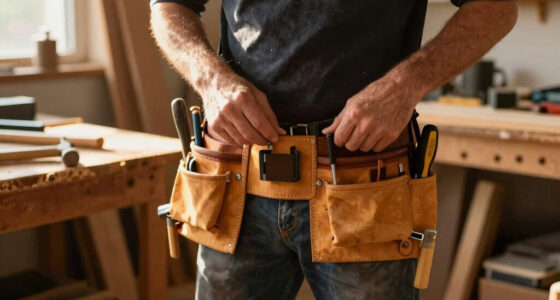
A proper electrician tool belt setup keeps essentials accessible, distributes weight evenly, and helps prevent fatigue through long days in attics, panels, ladders, and commercial job sites. The goal is simple: the belt should work with you, not against you.
Proper weight distribution can reduce fatigue by up to 30% in ergonomic tool-design research for tradespeople.
Typical electrician belts range from lightweight pouch systems to heavy-duty commercial rigs.
Place frequent tools up front, heavier tools lower, and small parts in dedicated compartments.
Common daily items shape pouch count and belt layout.
Suspenders reduce sagging and localized pressure.
Clean-outs prevent clutter, strain, and wasted search time.
Secure pockets help prevent dropped tools and snags.
Build the Belt Around the Workday
Choose the belt by tool load, mobility, material, and support. A DIY pouch system, modular electrician belt, and heavy-duty commercial rig solve different problems.
The best setup keeps high-use hand tools in reach, heavy items low, and small parts secured before you climb, bend, crawl, or troubleshoot.
Adjustable and snug
Measure waist and hips, then choose a belt that stays secure without pinching or restricting movement.
Most-used tools forward
Screwdrivers, pliers, testers, wire strippers, and tape should sit where your hands naturally land.
Heavy tools lower
Place drills, large pliers, and dense hardware lower and evenly across the hips to reduce strain.
Nylon, polyester, or leather
Ballistic nylon and reinforced polyester cut weight; leather adds durability but can feel heavier.
Change pouches by task
Modular attachments let you carry only what the job requires instead of hauling the whole shop.
Secure every pocket
Loose pockets increase drop risk, especially on ladders or when working around finished surfaces.
Organize for Speed Without Overloading
A disciplined layout keeps tools predictable. That predictability matters when your hands are full, the light is poor, or you are working from a ladder.
Identify essentials
List the tools you grab repeatedly during normal electrical work.
Front-load access
Keep screwdrivers, strippers, pliers, tester, and tape in front pouches.
Lower heavy gear
Position dense tools lower on the belt to reduce hip and back strain.
Separate by type
Group drivers with drivers, cutters with cutters, and small parts together.
Adjust and review
Set a snug fit, clean weekly, and remove tools that do not earn their weight.
What Reduces Fatigue the Most?
Comfort is not a luxury feature. A balanced belt supports better posture, fewer interruptions, safer climbing, and clearer judgment late in the shift.
Popular Electrician Belt Features
Basic, modular, and heavy-duty belts all have a place. The right choice depends on daily load, how often your tasks change, and how much support you need.
| Feature | Basic Belt | Modular Belt | Heavy-Duty Belt |
|---|---|---|---|
| Material | Nylon | Ballistic nylon or leather | Reinforced nylon or leather |
| Typical weight | 2-4 lb | 3-6 lb | 4-10 lb |
| Adjustability | ~ Limited | ✓ High | ✓ High with suspenders |
| Modularity | ✗ Low | ✓ High | ~ Moderate |
| Best for | DIY projects | Frequent tool changes | Commercial and heavy use |
| Fatigue control | ~ Depends on load | ✓ Strong when trimmed | ✓ Strong with harness |
How a Good Setup Turns Into Safer Work
Each choice compounds: less clutter means fewer dropped tools; better balance means less fatigue; less fatigue means safer decisions.
Right belt
Fit the belt to your daily electrical workload.
Balanced load
Spread weight across hips and shoulders.
Tool zones
Give each tool type a predictable place.
Modern upgrades
Add modular pouches, magnets, LEDs, and weatherproofing.
Safer output
Move faster with fewer drops, snags, and strain points.
Questions Electricians Ask Before Buying
Use these checks before committing to a belt, adding pouches, or loading up for a long shift.
How do I know what size tool belt to buy?
Measure your waist and hips, then choose adjustable straps that fit snugly without pinching or limiting movement.
Can I customize my belt for specific jobs?
Yes. Modular systems and add-on pouches let you tailor the setup for rough-in work, service calls, panels, or low-voltage tasks.
What tools belong in the front pouches?
Keep screwdrivers, pliers, wire strippers, tester, tape measure, and frequently used bits where your hands can reach quickly.
How do I prevent fatigue all day?
Use padded suspenders, keep heavy items low, remove unnecessary tools, stretch during breaks, and rebalance the belt as tasks change.
How to Pick the Perfect Electrician Tool Belt for Your Job
Choosing the right tool belt starts with understanding what you need daily. Do you carry lots of small hand tools or bigger items? Do you prefer a lightweight setup or one with extra support? A proper fit is essential — a belt that’s too tight limits movement, too loose and tools will fall out. Look for belts with adjustable straps, padded suspenders, and sturdy materials like nylon or leather. For example, a busy electrician working on commercial sites might opt for a modular, heavy-duty belt, while a DIY hobbyist might prefer a lightweight, simple pouch system.
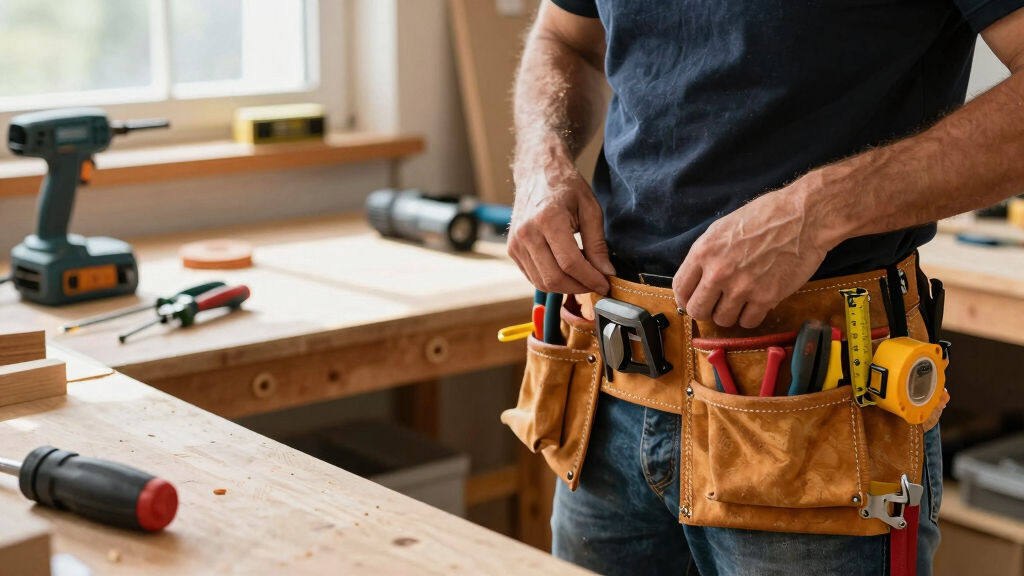
electrician tool belt with suspenders
As an affiliate, we earn on qualifying purchases.
As an affiliate, we earn on qualifying purchases.
Key Components Every Electrician’s Tool Belt Must Have
A good setup includes several essential features. Pouches for screwdrivers, pliers, and wire strippers keep tools within reach. A hammer loop is handy for quick access. Cable and wire holders help organize messy wires, reducing clutter. Multifunctional pockets for tape measures, levels, and testers prevent digging through tools. And don’t forget suspenders — they distribute weight evenly, preventing back strain during long days.
As an affiliate, we earn on qualifying purchases.
Step-by-Step: Organizing Your Electrician Tool Belt for Speed
- Identify your most-used tools. Keep them in the front pouches for quick grab-and-go.
- Place heavier tools like a cordless drill or large pliers lower on the belt for better balance. This prevents strain on your back and hips, especially important during extended work hours.
- Separate tools by type — screwdrivers go with screwdrivers, wire strippers with wire strippers. This targeted organization reduces the time spent searching and minimizes interruptions, leading to more efficient workflow.
- Use modular pouches or magnetic strips for small tools and bits. Magnetic strips especially help keep tiny items secure and easily accessible, which is crucial when working in tight spaces or on ladders.
- Adjust the belt for a snug fit, allowing full mobility without pinching. A well-fitted belt minimizes bouncing and shifting, which can distract or cause accidents.
As an affiliate, we earn on qualifying purchases.
What Are the Latest Innovations in Electrician Tool Belts?
Modern electrician belts are evolving fast. They feature lightweight, durable materials like ballistic nylon, reducing fatigue. Modular systems let you customize pouches based on the day’s tasks. Magnetic strips offer quick tool access, and some belts even include integrated LED lights for working in dark corners. Weatherproof designs extend belt life in wet or outdoor conditions. For example, a recent upgrade in a contractor’s belt included magnetic tool holders that cut search time in half.
weather-resistant electrician tool belt
As an affiliate, we earn on qualifying purchases.
As an affiliate, we earn on qualifying purchases.
How to Keep Your Tool Belt Organized for Maximum Efficiency
Organization is the secret to faster work and less frustration. Keep your most-used tools in the front pouch. Match tool types with dedicated compartments — pliers in one, screwdrivers in another. Proper organization not only saves time but also enhances safety; a cluttered belt increases the risk of dropping tools or accidentally injuring yourself. Balance the weight across your hips and shoulders to avoid fatigue, which can impair judgment and slow work. Regularly review and clean your belt — a cluttered belt slows you down and can cause unnecessary strain. For instance, an electrician who reorganized their belt weekly found they saved 15 minutes per day searching for tools, reducing stress and fatigue over time.
Safety Tips for Using a Tool Belt on the Job Site
Safety starts with the right fit. A loose belt can snag or cause tools to fall, leading to potential injuries or accidents. Always wear your belt with suspenders if possible, to distribute weight evenly and prevent sagging that can cause imbalance. Never overload your belt — it hampers movement and can cause back strain or falls. Check that tools are securely placed so they won’t fall when bending or climbing, which is crucial when working at heights. For example, a worker lost a screwdriver when it slipped from a loose pocket; proper organization and secure placement prevent this, reducing the risk of dropped tools that could cause injury or damage.
Materials That Make Your Electrician Tool Belt Last Longer
Durability depends on materials. Heavy-duty nylon and ballistic polyester resist tears and abrasions, making them ideal for rough work environments. Leather adds strength and a classic feel but can be heavy and less flexible. The tradeoff is weight versus durability; leather tends to last longer but may be less comfortable for extended wear. Look for pouches with reinforced stitching and rust-resistant hardware, which withstand daily abuse. Water-resistant coatings prolong life in wet environments, preventing mold and deterioration. For example, a contractor’s belt made from ballistic nylon with sealed seams lasted five years of daily use in harsh conditions, illustrating that investing in quality materials pays off in longevity and safety.
How to Prevent Fatigue During Long Days with Your Tool Belt
Fatigue is a real risk — a heavy, poorly balanced belt wears you down fast and can lead to mistakes or injuries. Use padded suspenders to spread the load across your shoulders and hips, reducing localized pressure. Properly adjusted suspenders help maintain correct posture, reducing strain on your back and neck, which is essential during long shifts. Adjust the belt tight enough to stay secure but loose enough to allow full mobility—over-tightening can restrict movement and cause discomfort. Take regular breaks to stretch, which helps relieve muscle tension and keeps blood flowing. Shifting tools to different positions throughout the day prevents localized strain. For example, switching from a waist belt to one with suspenders helped an electrician work 12-hour shifts without back pain, demonstrating that proper support and movement are key to endurance.
Comparison of Popular Electrician Belt Features
| Feature | Basic Belt | Modular Belt | Heavy-Duty Belt |
|---|---|---|---|
| Material | Nylon | Ballistic nylon or leather | Reinforced nylon or leather |
| Weight | 2-4 lbs | 3-6 lbs | 4-10 lbs |
| Adjustability | Limited | High | High with suspender options |
| Modularity | Low | High | Moderate |
| Best For | DIY projects | Frequent tool changes, versatile | Heavy use, commercial jobs |
Frequently Asked Questions
How do I know what size tool belt to buy?
Measure your waist and hips, then choose a belt with adjustable straps that fits snugly without pinching. Remember, a good fit is key to comfort and safety.Can I customize my tool belt for specific jobs?
Absolutely. Modular systems and additional pouches let you tailor your belt for electrical work, construction, or DIY projects. This customization helps keep tools organized and accessible.What’s the best way to prevent tools from falling out?
Use secure pouches with flaps or Velcro, and consider magnetic holders for smaller tools. Always double-check that tools are seated firmly before climbing or moving around.How often should I clean or replace my tool belt?
Clean your belt after heavy use or exposure to dirt and moisture. Inspect regularly for wear, and replace pouches or hardware if they show signs of damage.Conclusion
A smart setup isn’t just about carrying tools — it’s about carrying them right. Proper organization saves time, improves safety, and keeps you working longer without pain. Spend a little extra time dialing in your belt, and it’ll pay off in productivity and comfort every day.Columbus Day / Indigenous Peoples' Day Picks
long weekend sales
As an affiliate, we earn on qualifying purchases.