
TL;DR

Get business pricing on tools and workshop supplies
- Business-only prices and quantity discounts
- Tax-exempt purchasing
- Multiple users, one account, clear invoices
Waterproofing your tool backpack involves choosing waterproof fabrics, applying protective treatments, and adding features like rain covers. Regular maintenance keeps your gear dry during wet conditions, extending its lifespan.
Start with a waterproof fabric or add a waterproof liner inside your backpack.
Apply waterproof sprays or sealants regularly, especially after cleaning or heavy use.
Use design features like roll-top closures or rain covers to enhance protection.
Maintain your waterproofing efforts every 6-12 months for best results.
Combine multiple methods—fabric, sprays, liners—for the most reliable waterproofing.
Choose the Right Materials for Waterproofing
The foundation of a waterproof tool backpack is the fabric. Look for materials like nylon, polyester with waterproof coatings, or PVC-coated fabrics. These fabrics are tough, resist tears, and repel water. For example, a backpack made with PVC-coated polyester is like a raincoat for your gear — it creates a barrier against moisture.
Sealed seams and waterproof zippers boost protection. Sealed seams are stitched with waterproof tape or heat-sealed, preventing water from sneaking through tiny holes. Waterproof zippers have a rubberized coating or storm flaps that cover the teeth, stopping rain from seeping in. When shopping, check the specs for waterproof ratings or look for features like sealed seams. Choosing the right materials is crucial because it determines how well your backpack resists water in different conditions. For instance, lightweight fabrics might be suitable for light rain but fail in heavy downpours, so selecting durable, coated fabrics ensures better long-term protection. The tradeoff is that more robust, waterproof materials can add weight and cost, so consider your typical usage environment when making your choice.
As an affiliate, we earn on qualifying purchases.
Apply Waterproof Coatings and Sealants Correctly
Waterproof sprays and coatings are your best friends for an existing backpack. According to BestBeltShop, products like silicone sprays or wax-based coatings can turn a regular backpack into a water-resistant fortress. For example, a 15-minute spray job on a canvas backpack can make it withstand light rain.
Here’s how to do it:
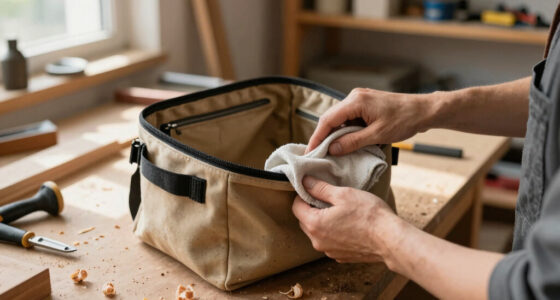
- Clean the backpack thoroughly — dirt and dust reduce coating adherence. This step is critical because any debris can create gaps or prevent the coating from bonding properly, reducing its effectiveness.
- Apply the waterproof spray evenly in a well-ventilated area — follow the product instructions. Applying too thickly or unevenly can cause streaks or areas of reduced water resistance.
- Let it cure for at least 24 hours before use. Proper curing ensures the coating bonds fully with the fabric, creating a continuous barrier against water.
- Reapply every 6-12 months, or after cleaning. Over time, UV exposure, abrasion, and washing can degrade the coating, so regular reapplication maintains waterproof integrity.
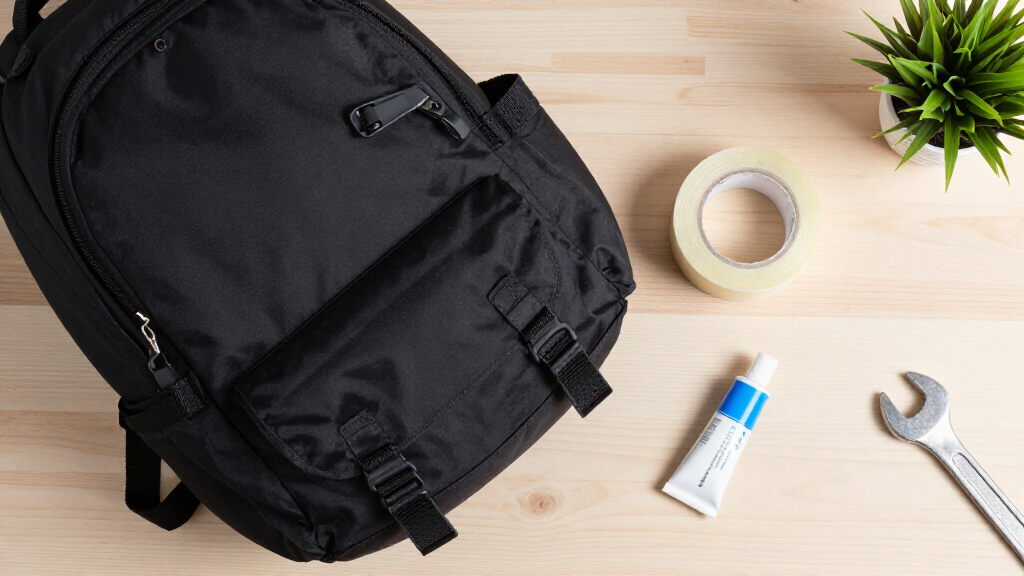
For stitched areas, use seam sealant to close gaps. Sealant forms a rubbery barrier over stitches, preventing water from wicking through the threads. This is especially important because stitches are natural weak points that can allow water ingress, compromising the entire waterproofing effort if not properly sealed. The tradeoff with sealants is that they can stiffen the fabric slightly and may require careful application to avoid messes, but they significantly enhance overall waterproof performance.
As an affiliate, we earn on qualifying purchases.
Add Extra Layers of Protection Inside Your Backpack
Even with a waterproof exterior, adding internal protection helps. Think of it as a backup parachute. Use waterproof liners or inner bags — simple trash bags or specialized tool pouches with waterproof fabric. These inner layers act as a secondary barrier, ensuring that if the outer shell fails or gets punctured, your tools stay dry.
For example, storing your most sensitive tools inside a sealed plastic bag inside the backpack keeps them dry if the outer layer gets compromised. Elevate your backpack off the ground with a sturdy stand or use a waterproof mat underneath — gravity and water are relentless enemies. This extra layer of precaution is especially valuable in prolonged exposure to rain or when working in muddy environments, where water can seep through small openings or over time degrade the exterior waterproofing. The tradeoff is added bulk and slight inconvenience, but the protection it offers can save your tools and reduce frustration.
As an affiliate, we earn on qualifying purchases.
Opt for Design Features That Keep Water Out
Some backpacks naturally resist water better than others. Look for features like roll-top closures and flaps over zippers. A roll-top design, common in dry bags, compresses excess air and seals tightly, like a soda bottle cap. This design reduces the number of openings vulnerable to water ingress and allows for adjustable capacity based on your load.
Attachable rain covers are another smart option. A simple, lightweight waterproof cover can be pulled over your pack during heavy rain, acting like a shield. High-quality rain covers are made from durable, waterproof materials and are designed to fit snugly, preventing water from pooling or seeping in through gaps. Using these features can significantly extend the longevity of your backpack by preventing water from reaching the interior, which is especially important during prolonged exposure to rain or snow. The tradeoff is that these features add some cost and may require extra storage space when not in use, but they provide an effective physical barrier against water penetration.
As an affiliate, we earn on qualifying purchases.
Maintain and Reapply Waterproofing Regularly
Waterproofing isn’t a one-and-done deal. Regular touch-ups keep protection at its peak. After heavy use or exposure to dirt and mud, clean your backpack with mild soap and water. Then, reapply waterproof spray or sealant. This routine maintenance is vital because wear and tear over time can create micro-tears or degrade the waterproof layer, leaving your tools vulnerable.
For example, re-spraying your bag every 6 months during the rainy season ensures it stays water-resistant. If you notice water pooling or seeping through seams or zippers, it’s time for a touch-up. Keeping an eye on these areas and maintaining your waterproofing efforts ensures your backpack remains an effective barrier against water, prolonging its service life and protecting your tools in adverse weather conditions. The tradeoff is ongoing effort, but the payoff is a consistently dry environment for your gear, saving time and money in the long run.
Compare Waterproofing Methods and Their Pros & Cons
| Method | Pros | Cons |
|---|---|---|
| Waterproof fabrics (PVC, nylon) | Durable, permanent, high protection | Can be heavy, more expensive |
| Waterproof sprays | Easy to apply, versatile | Requires reapplication, less effective on worn fabric |
| Seam sealants | Stops water ingress through stitched areas | Needs careful application, can crack over time |
| Inner waterproof liners | Additional protection, simple to add | Can be cumbersome, adds bulk |
Frequently Asked Questions
Can I waterproof a backpack that isn’t originally waterproof?
Absolutely. You can add waterproof coatings, liners, and covers to almost any backpack. Just ensure the fabric can accept treatments and that seams are sealed for the best results.How often should I reapply waterproof treatments?
Reapply every 6-12 months, especially after heavy rain, mud, or cleaning. Regular maintenance keeps your backpack water-resistant and prolongs its life.Will waterproofing treatments damage my tools or backpack?
When used as directed, waterproof sprays and sealants are safe for most fabrics and won’t harm your tools. Always follow product instructions and test on a small area first.Are waterproof zippers and sealed seams enough by themselves?
They are a big help, but for full protection, combine them with waterproof fabrics and internal liners. No single feature guarantees complete waterproofing in heavy rain.Conclusion
A waterproof tool backpack isn’t magic — it’s smart choices and regular upkeep. Think of it as a shield for your tools, protecting your livelihood from the rain. Invest a little time now, and you’ll stay dry when it counts most.Fall Picks
fall essentials
As an affiliate, we earn on qualifying purchases.