
TL;DR

Get business pricing on tools and workshop supplies
- Business-only prices and quantity discounts
- Tax-exempt purchasing
- Multiple users, one account, clear invoices
Organizing your tool chest drawers with dividers, categorization, and smart storage saves time and prevents tool damage. Regular reorganization and safety measures make your workspace more efficient and secure.
Use dividers and small bins to create dedicated zones for each tool type.
Categorize tools by function and label sections for instant access.
Maximize space with vertical stacking and tiered organizers.
Protect tools and drawers with anti-slip liners and regular cleaning.
Reorganize periodically to keep your system efficient and tools in top shape.
How to Use Dividers and Small Bins to Keep Tools Separate
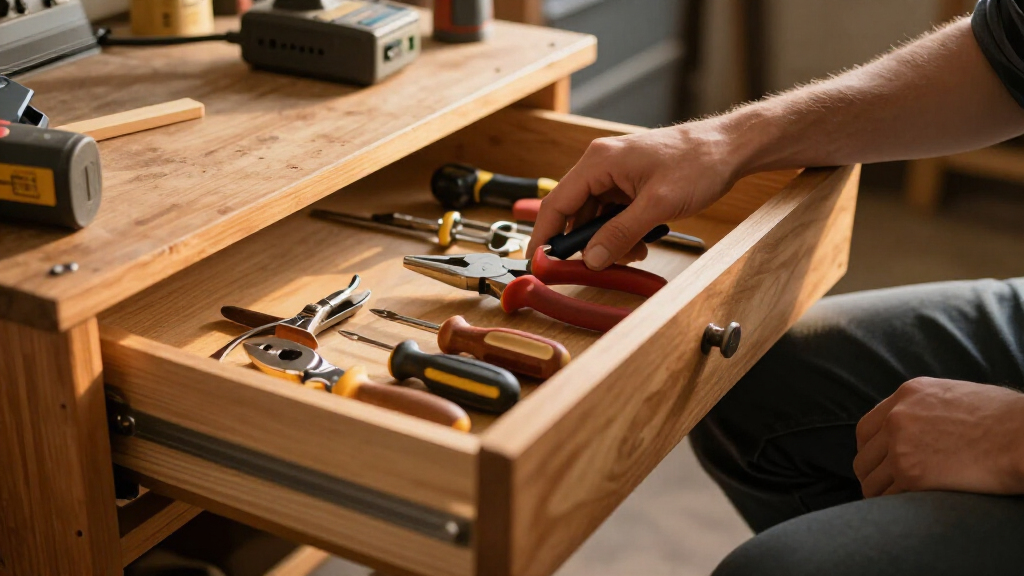
The first step in organizing tool chest drawers is controlling the chaos. Using dividers and small bins creates dedicated zones for each tool or group. This separation isn’t just about tidiness; it’s about efficiency. When tools are grouped logically, you reduce the time spent searching, which directly impacts your productivity and can even prevent damage caused by tools knocking into each other. For example, a shallow bin for screwdrivers keeps them upright and accessible, while deeper bins for pliers prevent their handles from protruding and getting damaged. Repositioning these dividers as your collection grows allows your workspace to evolve with your needs, avoiding clutter buildup and ensuring your most-used tools are always within reach. The tradeoff, however, is that over-dividing can sometimes lead to underutilized space if not planned carefully, so balance is key.
Picture a drawer where each tool has its own dedicated compartment—no more rummaging or accidental tool damage. A common scenario: you spend 3 minutes hunting for a specific screwdriver, then realize it’s buried under a pile of other tools. Dividers fix that problem. Plus, they’re easy to reposition or remove, making your system adaptable to changing tool collections or project needs.
As an affiliate, we earn on qualifying purchases.
Categorize Tools by Type and Use for Faster Access
Sorting tools into categories like screwdrivers, wrenches, and pliers not only declutters your drawer but also creates a logical flow that mimics how you work. This method reduces cognitive load—you’re not just searching randomly; you’re following a mental map. Using labels or color-coded containers enhances this system, enabling even quicker recognition. For example, all Phillips screwdrivers in one section, flat-heads in another, with each bin clearly labeled, creates a visual shortcut. This categorization is especially valuable in high-pressure situations where every second counts. It also simplifies inventory management—when you notice a tool is missing or damaged, you know exactly where to look or replace. The tradeoff is that over-categorization can sometimes lead to overly segmented drawers, which may slow you down if you have to open multiple compartments for a single job. Striking a balance between organization and accessibility ensures optimal workflow.
Imagine you’re on a job, needing a Phillips screwdriver. Instead of digging through a chaotic pile, you open the drawer and instantly grab the right tool. This reduction in downtime not only boosts efficiency but also helps maintain focus and quality of work. Regularly reviewing your categories ensures your system remains intuitive, avoiding the frustration of misplaced tools or unnecessary searching.
As an affiliate, we earn on qualifying purchases.
Maximize Space with Vertical Stacking and Tiered Organizers
When drawer height permits, vertical stacking and tiered organizers transform flat spaces into multi-layered storage solutions. This approach is particularly effective for small tools or parts, allowing you to utilize the full height of your drawer without sacrificing accessibility. For example, stacking small containers in a tiered fashion creates multiple layers—bulky items like power tool batteries stay at the bottom, while smaller, frequently used items sit above at eye level. This method not only increases capacity but also keeps your tools organized and visible at a glance. The tradeoff involves potential difficulty in accessing items at the bottom if stacking isn’t done carefully, so it’s essential to design your tiers with accessibility in mind. Properly implemented, vertical stacking prevents clutter from spreading across the drawer, reduces the need for larger storage units, and makes your workspace more efficient.
Think of your drawer as a mini shelving unit—by turning vertical space into organized layers, you significantly increase storage capacity without expanding the drawer size. This setup is especially useful for tradespeople who frequently switch between different tools and need quick access to multiple items simultaneously.
As an affiliate, we earn on qualifying purchases.
Choose Durable, Non-Slip Liners to Protect Tools and Drawers
Adding anti-slip liners or foam mats is more than just a tidy finishing touch; it’s a safeguard for your tools and drawers. Rubber mats with textured surfaces prevent tools from sliding around during transport or when opening and closing, which reduces the risk of damage and accidental injury. Foam inserts are especially useful for delicate or high-value tools, cushioning impacts that could cause chips, dents, or scratches. For example, a foam liner can absorb shocks from heavy tools like hammers or impact drivers, preserving their condition over time. Beyond protection, liners help maintain organization—tools stay in place, reducing noise and preventing clutter from shifting. Regularly cleaning these liners removes dust and debris, which can cause rust or corrosion if left unchecked. The tradeoff is that liners require periodic maintenance; however, the investment in protecting your tools’ longevity and your drawer’s appearance makes it worthwhile.
This simple step extends the lifespan of your gear and keeps your workspace looking professional. Clean liners prevent buildup of dust and grime, which can accelerate rust or corrosion, especially in humid environments. Overall, liners are a cost-effective way to combine safety, organization, and preservation.
As an affiliate, we earn on qualifying purchases.
Implement Safety Tips to Avoid Injuries and Damage
Safety isn’t just about avoiding accidents; it’s about ensuring your tools stay in good condition and your workspace remains hazard-free. Securing sharp tools like chisels, blades, or saws with straps or in dedicated compartments prevents accidental cuts or punctures when reaching into the drawer. Heavy tools such as hammers or large wrenches should be stored at the bottom to prevent tipping or falling, which could cause injury or damage to lighter, more delicate items stored above. For example, placing a heavy sledgehammer at the bottom of the drawer ensures stability and reduces the risk of it falling out when opening. Always double-check that tools are stored properly before closing the drawer; a quick visual or tactile check can prevent mishaps. Proper organization also minimizes clutter, which is a common cause of accidents. The implications are clear: a well-organized, secure storage system not only protects you but also prolongs the life of your tools, reducing replacement costs and downtime.
By incorporating safety measures into your organization routine, you create a safer, more efficient workspace. Remember, safety is a continuous process—regularly review your storage setup and adjust as needed to maintain a hazard-free environment.
Compare Popular Storage Options for Different Needs
| Feature | Plastic Dividers | Foam Inserts | Magnetic Strips |
|---|---|---|---|
| Durability | High, resistant to wear | Moderate, needs replacement over time | Very high, magnetic hold strong |
| Flexibility | Highly adjustable | Custom cut to fit tools | Limited to metal tools |
| Cost | Low to moderate | Moderate | High |
This comparison helps you choose the right storage based on your needs, budget, and tool collection size. For example, magnetic strips work great for frequently used metal tools, while foam inserts are ideal for delicate or expensive gear.
How Regular Reorganization Keeps Your Tools in Top Shape
Reorganize your drawers every few months or after big projects. This isn’t just about tidiness; it’s about maintaining an efficient workflow. Over time, tools can shift or become misplaced, especially after intense use. Regular reorganization ensures your system remains intuitive, reducing the time spent hunting for misplaced tools and preventing clutter from developing. For example, after completing a roofing job, you might find some tools no longer fit your current workflow or have been damaged. Adjusting your setup accordingly ensures your tools are stored optimally, prolongs their lifespan, and keeps your workspace safe. Setting a recurring reminder—say, quarterly—helps establish a habit of review, which prevents accumulation of disorder and ensures your system adapts to changing needs. The tradeoff is minimal effort for significant gains in efficiency and safety, making it a best practice for ongoing tool management.
This habit of periodic review is a simple yet powerful way to keep your tools in top shape, avoid unnecessary replacements, and maintain a safe working environment.
Frequently Asked Questions
How do I organize a large collection of hand tools efficiently?
Start by grouping similar tools—screwdrivers, pliers, wrenches—using dividers and labeled bins. Vertical stacking or tiered trays help maximize space. Regularly review and adjust your setup to keep things easy to find.What are the best materials for drawer liners?
Rubber mats with textured surfaces prevent slipping, while foam inserts cushion delicate tools. Anti-corrosion liners are also good for rust prevention, especially in humid environments.How often should I reorganize my tool drawer?
Every 2 to 3 months, or after finishing a major project. Regular checks prevent clutter buildup and help you spot tools needing repairs or replacement.Are digital tools useful for managing my tools?
Yes, RFID tags and mobile inventory apps can track your tools, prevent loss, and help you reorder supplies. They’re especially handy if you have a large or growing collection.What safety tips should I keep in mind when organizing?
Secure sharp or dangerous tools, keep heavy items at the bottom, and store hazardous tools away from children. Proper organization reduces the risk of accidents and tool damage.Conclusion
A well-organized tool drawer isn’t just tidy—it’s a game-changer. You’ll find what you need faster, tools stay in better shape, and your workspace feels safer. Take a few minutes to implement these tips, and watch your efficiency soar. Your tools—and your patience—will thank you.Fall Picks
fall essentials
As an affiliate, we earn on qualifying purchases.