
TL;DR

Get business pricing on tools and workshop supplies
- Business-only prices and quantity discounts
- Tax-exempt purchasing
- Multiple users, one account, clear invoices
Ball-bearing drawer slides offer superior smoothness, durability, and load capacity, making them ideal for high-use applications. Friction slides are simpler and cheaper, suitable for light use. Your choice depends on load needs and budget.
Drawer slides are the secret sauce behind smooth, effortless access to your tools and supplies. Yet, not all slides are created equal. The two main types—ball-bearing and friction—each have their strengths and weaknesses. Picking the right one can save you headaches, money, and frustration down the line.
In this guide, you’ll learn the core differences, what makes each type tick, and which one suits your project best. Whether you’re outfitting a busy workshop or building a simple cabinet, understanding these slides will help you make smarter choices and build better storage.
Ball-bearing slides excel in load capacity, durability, and smoothness—perfect for heavy-use applications.
Friction slides are cost-effective and simple but wear out faster and support lighter loads.
Modern ball-bearing slides come with soft-close features, improving ease and quietness.
Installing ball-bearing slides may be more precise but offers better long-term performance.
Choose based on your needs: high-use, heavy loads, or budget-friendly, light-duty projects.
How Do Ball-Bearing and Friction Slides Actually Work?
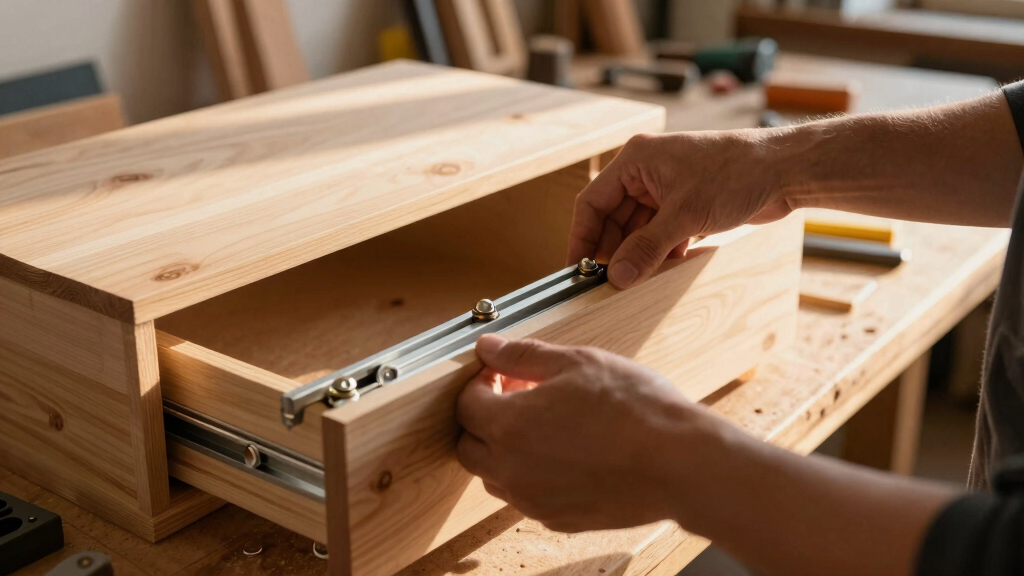
Ball-bearing slides use tiny metal balls that roll smoothly within tracks. Imagine a skateboard wheel rolling across a smooth surface—less resistance, easier to move. These balls reduce friction, making the drawer glide effortlessly even when heavily loaded.
In contrast, friction slides rely on a simple sliding surface—think of a drawer rubbing against a rubber pad. They don’t have moving parts; instead, they depend on the surface’s grip and the force you apply to open or close.
Understanding these mechanisms is crucial because they directly impact the drawer’s ease of use, longevity, and suitability for different loads. For example, ball-bearing slides are designed for high performance under frequent or heavy use, where minimizing effort and wear is essential. Friction slides, being simpler, are more prone to wear and may require more force or maintenance over time, which can influence your project’s durability and user experience.
As an affiliate, we earn on qualifying purchases.
Which Drawer Slide Type Provides the Smoothest Operation?
Ball-bearing slides are known for their buttery-smooth action, which significantly enhances user experience. This smoothness reduces the effort needed to open and close drawers, especially important in high-use environments like kitchens or workshops where ease and speed matter. Additionally, the quiet operation of ball-bearing slides minimizes noise, creating a more pleasant environment. Over time, their design minimizes wear, maintaining this smooth operation for years.
Friction slides, however, often experience a decline in smoothness. Dirt, debris, or lack of lubrication can cause squeaking or sticking, which not only frustrates users but can also accelerate wear. While they may be sufficient for occasional use, their performance can degrade quickly under frequent or heavy use, making them less suitable for demanding applications where consistent smooth operation is critical.
Choosing between these options isn’t just about initial feel; it’s about long-term usability. If your project demands frequent access or heavy loads, investing in ball-bearing slides ensures that the drawer operation remains effortless and quiet over time, reducing user fatigue and maintenance needs.
As an affiliate, we earn on qualifying purchases.
Load Capacity: Can Your Slides Handle Heavy Tools?
Here’s where the big difference shows. Ball-bearing slides can support 75 to over 100 pounds per pair—perfect for tool chests, heavy drawers, or frequent use. This high load capacity means they can handle the weight of power tools, heavy hardware, or multiple stacked items without sagging or sticking. This capacity directly impacts the longevity and safety of your storage solution, as overloading slides can lead to bending or failure, risking damage or injury.
Friction slides are usually designed for lighter loads—under 50 pounds. They’re suitable for small drawers holding lightweight items like screws, utensils, or decorative accessories. Using friction slides for heavier loads can cause the surfaces to degrade faster, leading to sagging, sticking, or breakage. Therefore, understanding the load requirement is fundamental—overloading even a seemingly sturdy friction slide can compromise your entire storage system.
In essence, selecting the right load capacity ensures safety, durability, and optimal performance, especially in environments where drawers are frequently opened and closed under significant weight.
soft-close ball-bearing drawer slides
As an affiliate, we earn on qualifying purchases.
As an affiliate, we earn on qualifying purchases.
Durability and How Long They Last
Ball-bearing slides are built tough. With proper maintenance, they can last for decades, resisting wear and tear even in busy workshops. Their design minimizes metal-on-metal contact, reducing the likelihood of squeaks or sticking as they age. This durability makes them ideal for professional settings or long-term projects where replacement or repair costs are undesirable.
Friction slides tend to wear out faster because their rubbing surfaces degrade over time. Rubber pads can crack or become brittle, and the contact surfaces may become rough or warped, leading to squeaks, sticking, or even failure. While they may be acceptable for short-term or light-use projects, their lifespan is limited compared to ball-bearing options. Regular lubrication and gentle handling can extend their life slightly, but they generally require replacement sooner.
Understanding these durability differences helps in planning maintenance schedules and budget allocations, especially for projects where drawer longevity is critical. Investing in higher-quality slides can pay off by reducing downtime and replacement costs in the long run.
heavy-duty drawer slides for workshops
As an affiliate, we earn on qualifying purchases.
As an affiliate, we earn on qualifying purchases.
Cost: How Much Do They Set You Back?
Expect to pay more for ball-bearing slides. The complex manufacturing process, high-quality materials, and precision components contribute to their higher price point—often double or triple that of friction slides. This upfront investment can be justified by their superior performance, durability, and smooth operation, which can save money over the lifespan of the product by reducing repairs or replacements.
Friction slides are more budget-friendly, making them attractive for DIY projects, light-use furniture, or temporary setups. However, their lower cost comes with tradeoffs—less durability, potential for squeaking, and limitations in load capacity. Over time, these disadvantages may lead to additional costs if frequent replacements or repairs are necessary, ultimately reducing their initial savings.
Choosing between these options involves weighing initial cost against long-term value. For projects requiring durability and high performance, investing in ball-bearing slides often results in better overall value, especially in high-traffic or heavy-use scenarios.
Installation and Adjustment: Which Is Easier?
Ball-bearing slides usually require precise mounting to ensure proper operation, but many now include adjustment features—like screws or clips for fine-tuning alignment. While they may take more time initially, this adjustability results in a better fit and smoother operation over the long term. Proper installation is crucial because misaligned slides can cause sticking, uneven opening, or damage.
Friction slides are simpler—often just sliding into place without much fuss. They’re generally easier for DIYers or quick projects, but their lack of adjustable features means less tolerance for misalignment. If you go off-square during installation, it can cause the drawer to bind or not close properly, which over time can lead to uneven wear or damage.
Deciding which is easier depends on your skill level and project needs. While friction slides offer quick and straightforward installation, ball-bearing slides, with their adjustability, provide better long-term performance, especially in projects where precise alignment is critical.
Best Uses for Each Type of Drawer Slide
- Ball-bearing slides: Ideal for heavy-duty drawers, commercial cabinetry, frequent use, and applications requiring high load capacity and smooth operation. Examples include tool chests, kitchen cabinets, and industrial storage where durability and ease of use are paramount.
- Friction slides: Suitable for lightweight, decorative, or infrequently used drawers. They are a good choice for furniture with modest load requirements, such as dressers, small cabinets, or craft projects on a budget. Their simplicity makes them attractive for DIYers who prioritize quick installation over long-term performance.
Frequently Asked Questions
Which drawer slides are better for heavy-duty use?
Ball-bearing slides are the clear choice for heavy-duty use. They support higher weights—often over 100 lbs—and stay smooth even after years of daily use.Are ball-bearing slides worth the extra cost?
If durability, smooth operation, and long-term performance matter, yes. They last longer and handle more weight than friction slides, making them a smarter investment for frequent use.Can I swap out friction slides for ball-bearing ones?
In many cases, yes. Just check the dimensions, mounting style, and clearances. Upgrading can improve performance, especially if your current slides are sticking or squeaking.How do I care for my drawer slides?
Regular cleaning and light lubrication (if recommended) help keep slides moving smoothly. Avoid dirt and debris buildup for best results.What are soft-close drawer slides?
They’re a feature often added to ball-bearing slides that allow drawers to close gently and quietly, preventing slams and reducing wear.Conclusion
Picking the right drawer slide isn’t just about price. It’s about matching performance with your project’s demands. For heavy, busy drawers, ball-bearing slides will serve you better in the long run—smooth, durable, and reliable. But for quick, light-use jobs, friction slides can save you money and still get the job done.
Think about how often you’ll use the drawer, what it needs to hold, and your budget. That’s the secret to choosing the perfect slide—and building storage that lasts.
Fall yard work Picks
leaf blowers
As an affiliate, we earn on qualifying purchases.