
TL;DR

Get business pricing on tools and workshop supplies
- Business-only prices and quantity discounts
- Tax-exempt purchasing
- Multiple users, one account, clear invoices
Steel tool chests excel in durability for heavy-duty use, while aluminum offers lighter weight and corrosion resistance for portability. Your choice depends on environment, load, and budget.
Steel tool chests excel in durability and load capacity, ideal for heavy-duty work environments.
Aluminum is significantly lighter and resists rust naturally, perfect for portable setups and outdoor use.
Cost is a key factor: steel is cheaper upfront, but aluminum often saves money in maintenance.
Choose steel when toughness outweighs weight concerns; opt for aluminum if mobility and corrosion resistance matter more.
Hybrid designs are emerging, combining steel’s strength with aluminum’s lightness for versatile solutions.
Why Material Strength and Durability Matter More Than You Think
Steel is known for its exceptional strength, which directly translates into its ability to withstand heavy loads and resist damage from impacts. This durability is crucial in demanding work environments where tools are subjected to rough handling, drops, or stacking heavy items. For instance, a steel chest with a 1,000-pound capacity won’t buckle under the weight of your heavy power tools, ensuring your equipment stays safe and intact.
However, this strength comes with tradeoffs. The added weight can make transportation and repositioning difficult, especially if you need to move your tools frequently. Additionally, steel’s susceptibility to dents and scratches means that over time, it may show signs of wear, which could affect its appearance but not necessarily its functionality. The key is understanding that while steel offers unmatched toughness, it requires a balance with mobility and aesthetics based on your specific needs.
steel tool chest with high load capacity
As an affiliate, we earn on qualifying purchases.
As an affiliate, we earn on qualifying purchases.
Which Material Is Lighter and Easier to Move?
If you frequently move your tools around, weight becomes a critical factor. A typical steel tool chest weighs between 50 to 150 pounds, which provides stability but can be cumbersome to lift or transport, especially in tight spaces or for single individuals. This extra weight can lead to fatigue or even injury if proper lifting techniques aren’t used.
In contrast, aluminum tool chests often weigh between 20 to 80 pounds. This significant reduction in weight makes a noticeable difference in ease of handling, especially for mobile tradespeople like contractors, technicians, or anyone who needs to carry their tools across multiple sites each day. The lighter weight reduces physical strain, speeds up job setup, and minimizes the risk of injury. However, this portability can sometimes come at the expense of stability—lighter chests may wobble or shift if overloaded or not properly secured during transport. Therefore, choosing between steel and aluminum involves considering how often and how far you need to move your storage solutions.
As an affiliate, we earn on qualifying purchases.
Is Aluminum More Resistant to Rust? Yes — But What About Steel?
Aluminum’s natural formation of a thin, protective oxide layer makes it highly resistant to rust and corrosion. This means that in outdoor environments, humid conditions, or salty atmospheres, aluminum maintains its appearance and structural integrity over time without the need for additional treatment. For example, a marine mechanic working on boats benefits from aluminum’s corrosion resistance because it withstands exposure to saltwater and moisture, reducing maintenance costs and downtime.
Steel, on the other hand, is prone to rust when exposed to moisture unless it is properly coated or treated. Powder coating, galvanization, or painting can provide a barrier against oxidation, but these coatings can wear off over time, especially in harsh environments. Without regular maintenance, a steel chest can develop rust spots that compromise its appearance and, eventually, its strength. The implication for users is that if you work outdoors or in humid conditions, aluminum may be more cost-effective in the long run because it minimizes ongoing maintenance and replacement costs. Conversely, steel’s durability can be preserved with proper care, but that requires additional effort and expense.
As an affiliate, we earn on qualifying purchases.
Cost Differences — Which One Gets You More Bang for Your Buck?
Steel tool chests are generally more budget-friendly upfront, with prices ranging from $300 to $700. This affordability makes steel an attractive option for those seeking durability without a hefty initial investment. Aluminum chests tend to start at higher prices, typically between $500 to $1,200, reflecting the cost of lighter materials and manufacturing processes that facilitate weight reduction.
However, the initial cost isn’t the only factor to consider. Aluminum’s resistance to corrosion means less money spent on maintenance, repainting, or rust repairs over time, which can significantly lower the total cost of ownership. For example, in coastal or humid environments, aluminum’s corrosion resistance can prevent costly repairs or replacements, ultimately saving money. Steel, while cheaper initially, may incur higher long-term costs due to rust prevention treatments, repainting, or eventual replacement if it becomes severely corroded. Therefore, evaluating the total lifecycle costs is essential to making an informed decision aligned with your environment and budget.
As an affiliate, we earn on qualifying purchases.
Design, Looks, and How They Feel in Your Hands
Steel tool chests often come with a glossy or matte painted finish, giving them a rugged, professional appearance. The weight and solid construction contribute to a feeling of durability and reliability, making them ideal for industrial or workshop settings. When you knock on a steel toolbox, the deep thud reassures you of its robustness—each dent or scratch tells a story of hard work and resilience.
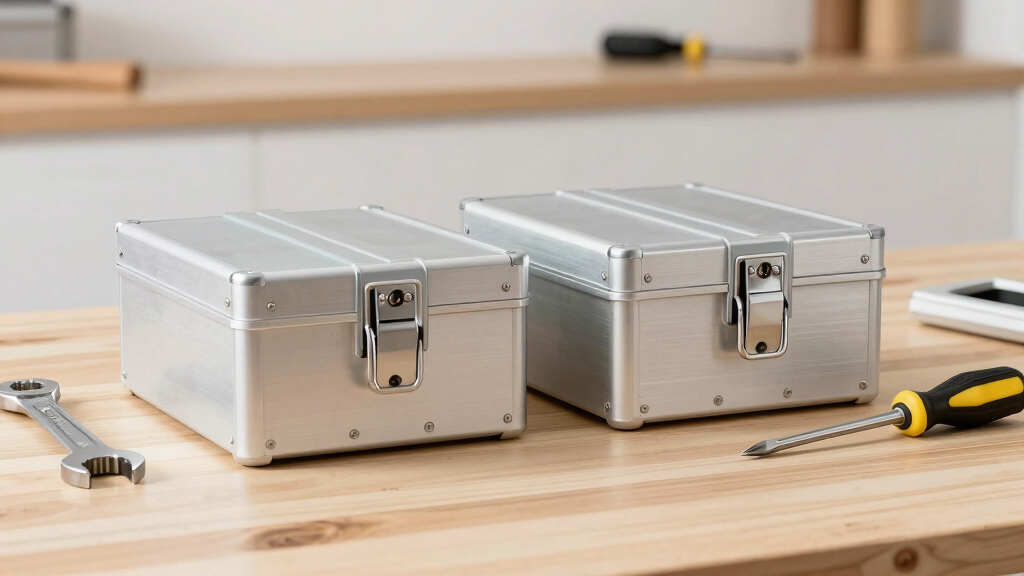
Aluminum chests usually feature a sleek, brushed finish that exudes a modern, high-end vibe. They feel lighter and more refined, almost like holding a premium gadget. This aesthetic appeal is not just superficial; it can influence perceptions of quality and professionalism, especially in customer-facing environments. For example, a technician working in a corporate fleet might prefer aluminum for its clean look and lightweight feel, which can project an image of modernity and efficiency. Ultimately, your choice of design and feel should align with your brand image, environment, and personal preference for ruggedness versus sleekness.
Key Features Comparison Table
| Feature | Steel Tool Chests | Aluminum Tool Chests |
|---|---|---|
| Material Strength | High, capable of handling heavy loads without deformation, making it suitable for industrial-grade applications. | Moderate, best suited for lighter tools and less demanding environments but may deform under extreme stress. |
| Weight | 50-150 lbs, providing stability but potentially burdensome for frequent movement. | 20-80 lbs, enhancing portability but possibly sacrificing some stability under heavy loads. |
| Corrosion Resistance | Requires protective coatings; prone to rust if untreated, which can compromise longevity. | Inherently resistant to rust and corrosion, ideal for outdoor or humid conditions. |
| Cost | Lower upfront cost, making it accessible for most budgets. | Higher initial investment due to material and manufacturing costs. |
| Durability | Very durable and impact-resistant, but dents and scratches are common signs of wear. | Resistant to dents and scratches, maintaining aesthetic appeal over time. |
| Appearance | Painted or powder-coated for a sturdy, traditional look. | Sleek, modern finish that appeals to contemporary aesthetics. |
When to Pick Steel — When Aluminum Is Better
If your work environment involves heavy tools, industrial loads, or rough handling, steel is the way to go. Its high strength ensures it can withstand impacts, heavy stacking, and rough treatment without damage, making it ideal for construction sites, industrial workshops, or heavy-duty storage needs. Steel’s robustness minimizes the risk of structural failure, which could lead to tool damage or safety hazards.
But if you need to carry your tools across a humid outdoor job or frequently move your storage, aluminum offers a lighter, corrosion-resistant option. For example, a field technician working outdoors in rain or salt air benefits from aluminum’s natural resistance, reducing the need for ongoing maintenance and preventing rust-related deterioration. In such scenarios, the tradeoff favors aluminum’s lighter weight and resistance over the superior strength of steel, especially when mobility and outdoor durability are priorities.
How to Pick the Right Material for Your Tools
- Assess your environment: indoor, outdoor, humid, or dry. Consider how exposure to elements affects long-term durability and maintenance needs.
- Estimate load weight: heavy industrial tools or lighter hand tools. This will determine whether strength or portability is more critical for your setup.
- Consider mobility needs: do you move the chest often or keep it stationary? If frequent transportation is required, lighter aluminum may be advantageous.
- Set your budget: steel saves money upfront but may incur higher maintenance costs over time. Aluminum’s higher initial price can be offset by lower upkeep expenses.
- Balance durability with portability: choose steel for maximum toughness, especially in demanding environments; opt for aluminum if ease of movement and resistance to corrosion are more important.
Remember, a trade-off exists. Prioritize what matters most — strength or weight — based on your daily work, environment, and long-term plans. Making an informed choice ensures your tools stay protected and accessible without unnecessary strain or expense.
Frequently Asked Questions
Which material is better for outdoor use?
Aluminum is generally better outdoors because it naturally resists rust and corrosion. Steel can also last outside if properly treated with coatings, but aluminum requires less maintenance.Are aluminum tool chests as durable as steel?
Not quite. Steel offers superior strength for heavy, industrial loads. Aluminum is resilient enough for lighter, portable use but dents and scratches easier if handled roughly.How much do steel and aluminum tool chests weigh?
Steel chests typically weigh between 50 to 150 pounds, depending on size and thickness. Aluminum versions are lighter — often 20 to 80 pounds — making them easier to move around.Which is more cost-effective long-term?
Steel usually costs less upfront but may incur higher maintenance costs due to rust prevention. Aluminum costs more initially but can save money over time thanks to its corrosion resistance.Can I modify or customize these chests?
Yes, especially modular steel systems are easier to customize. Aluminum’s softer nature makes modifications trickier but still possible with proper tools and techniques.Conclusion
Choosing between steel and aluminum tool chests boils down to your work demands. Heavy industrial tasks call for steel’s toughness, while lighter, outdoor, or mobile jobs benefit from aluminum’s ease. Think about what’s more valuable in your daily routine — strength or weight — and pick accordingly. Your tools—and your back—will thank you.Fall yard work Picks
leaf blowers
As an affiliate, we earn on qualifying purchases.