TL;DR

Get business pricing on tools and workshop supplies
- Business-only prices and quantity discounts
- Tax-exempt purchasing
- Multiple users, one account, clear invoices
Modular stacking tool storage systems offer unmatched flexibility, durability, and organization. This comparison reveals key features, recent innovations, and tips to pick the right system for your workload and workspace.
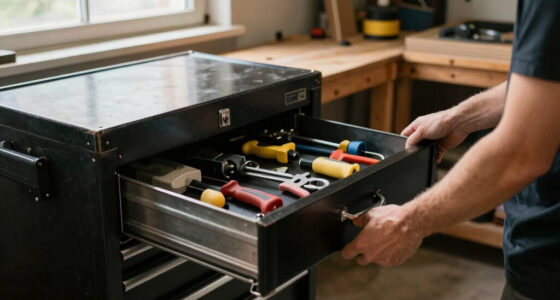
Imagine pulling out a drawer and finding exactly what you need in seconds. No rummaging, no digging through mismatched boxes. That’s the power of a well-chosen modular stacking tool storage system. These systems are transforming how tradespeople, DIYers, and workshop managers organize their gear.
But not all modular systems are created equal. Some excel in durability, others in flexibility, and a few now incorporate smart tech. Knowing what sets them apart can save you money and frustration. In this guide, you’ll learn what makes each system unique, recent innovations, and practical tips to pick what fits your work style best.
Modular stacking systems dramatically improve organization and workflow compared to traditional toolboxes.
Choose materials and locking mechanisms based on your work environment—heavy-duty plastics for durability, metal reinforcements for extreme use.
Expansion kits and modular accessories let you grow your system without replacing it, saving money and hassle.
Smart tech like RFID can help track tools and prevent loss, especially on big jobs or busy workshops.
Prioritize mobility features—casters, handles, and secure stacking—to move heavy setups easily and keep everything secure.
What Makes Modular Stacking Systems Better Than Old-School Toolboxes?
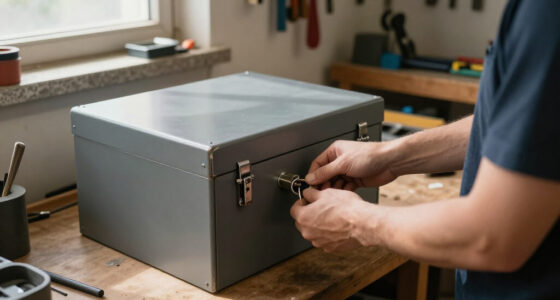
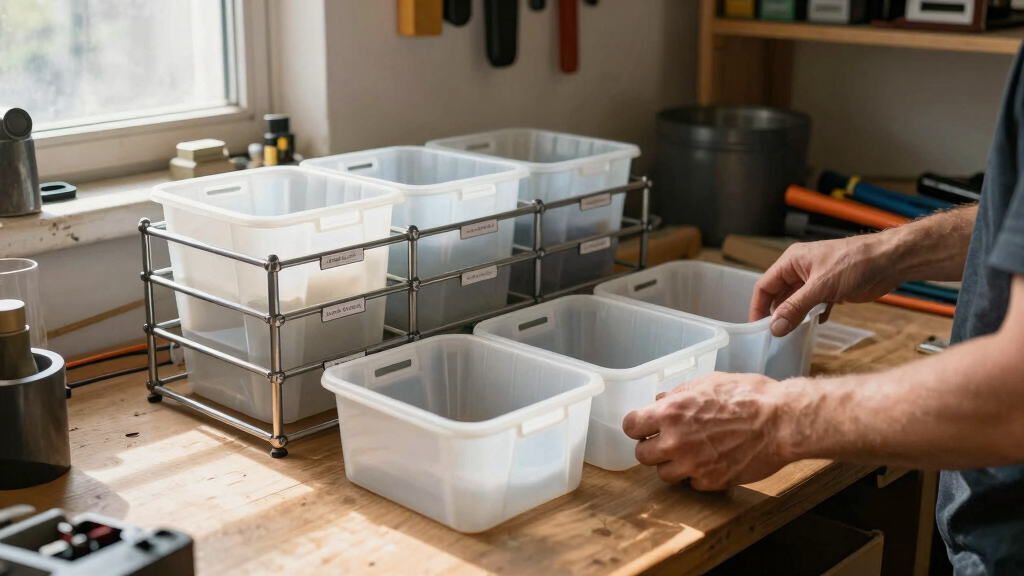
Modular stacking systems are like Lego for your tools. They let you build a custom setup that adapts over time. Instead of one big, heavy box, you get separate modules—drawers, bins, shelves—that stack neatly. When you need access, you pull out just what you want, instead of digging through a jumble.
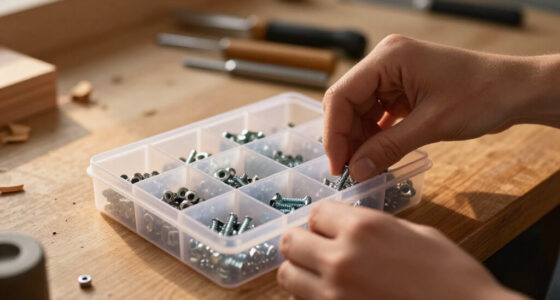
For example, a carpenter might stack shallow drawers for screws and nails, with deeper compartments for power tools. This setup means quick access, less clutter, and less wear on your tools. Plus, many systems are designed to lock together securely, so nothing shifts or falls apart.
Choosing a modular system over traditional toolboxes allows for tailored organization that can evolve with your needs. It reduces the time spent searching for tools, minimizes clutter, and helps protect delicate or frequently-used items. However, this flexibility often comes with tradeoffs—such as increased initial cost, the need for proper planning to avoid mismatched modules, and potential complexity in setup. Understanding these tradeoffs helps you decide if the investment aligns with your work habits and workspace constraints.
modular stacking tool storage system
As an affiliate, we earn on qualifying purchases.
As an affiliate, we earn on qualifying purchases.
How Do Different Modular Systems Stack Up in Durability and Features?
| Brand/Model | Material | Weight Capacity | Smart Tech | Price Range |
|---|---|---|---|---|
| Stanley Modular | Heavy-duty plastic | Up to 150 lbs per module | No | $50–$150 |
| Milwaukee Packout | Polypropylene with metal reinforcements | 200 lbs+ per module | Some models with RFID | $100–$300 |
| Husky Modular | Impact-resistant plastic | 150 lbs | No | $70–$200 |
| DeWalt T-Stack | Polymer with metal parts | 100–180 lbs | Limited | $80–$250 |
This comparison shows that systems like Milwaukee’s Packout stand out with heavy-duty materials and options for digital tracking. These features are critical because they directly impact the longevity and management of your tools. Heavy-duty materials prevent damage from drops and impacts, which are common in busy work environments, while smart tech can drastically improve inventory control, reduce loss, and save time. On the other hand, budget-friendly options like Stanley’s are reliable for light to medium use but may lack advanced features, making them less suitable for demanding jobs. Weighing these factors helps you choose a system that balances durability with your budget and work needs.
As an affiliate, we earn on qualifying purchases.
Which Features Matter Most for Heavy-Duty Use?
- Material strength: Impact-resistant plastics or metal reinforcements are vital because they prevent cracks, dents, and deformation under rough handling or heavy loads. The durability of these materials directly correlates with how long your system lasts in demanding environments, making this choice crucial for professional tradespeople.
- Load capacity: For heavy-duty use, supporting at least 150 lbs per module ensures you can store larger power tools and heavy equipment without risking failure or damage. Overloading can cause warping or breakage, leading to costly replacements and safety hazards.
- Secure stacking: Locking mechanisms are essential because they prevent modules from shifting or disassembling during transportation or on uneven job sites. A system that stays securely stacked reduces the risk of accidents and tool damage.
- Ease of access: Features such as soft-close drawers, transparent bins, and adjustable dividers enable quick retrieval and organization of tools, which is critical when time is tight or in fast-paced environments. The ability to customize storage layout also means tools are always within reach, reducing downtime.
- Mobility: Casters or built-in handles facilitate movement of heavy loads, minimizing physical strain and allowing you to reposition your workspace as needed. Mobility features are especially important for mobile trades or when working in dynamic environments where flexibility is key.
For example, a mobile mechanic who needs to transport heavy tools daily will benefit from locking casters and reinforced panels to withstand constant movement and rough handling. These features not only ensure safety but also prolong the lifespan of the storage system, making them a worthwhile investment in demanding work conditions.
As an affiliate, we earn on qualifying purchases.
Can You Expand or Reconfigure Your System Later?
Yes. Most modern modular systems are designed to grow with your needs, but understanding the nuances of expandability is essential. Manufacturers often offer expansion kits—additional drawers, shelves, or bins—that are engineered to attach seamlessly to existing units. These kits typically feature standardized sizes and locking mechanisms, allowing for a plug-and-play experience without special tools or modifications.
Expanding your system later means you can start with a manageable setup and gradually add compartments as your toolkit or workflow evolves. For instance, a painter might initially purchase a basic set but later add specialized bins for brushes, rollers, or solvents. This flexibility ensures your storage keeps pace with your changing needs without the cost and effort of replacing the entire system.
However, compatibility is key. Before purchasing, verify that the modules and accessories are compatible with your existing system, paying attention to size, locking mechanisms, and weight limits. A quick way to test this is to see if new modules can be added easily—ideally, without the need for tools or extensive effort—ensuring future expansion remains straightforward and cost-effective.
As an affiliate, we earn on qualifying purchases.
What Are the Latest Innovations Making These Systems Smarter?
Smart features are increasingly integrated into rugged tool storage, transforming traditional systems into connected, intelligent solutions. RFID tags or barcodes embedded in modules enable real-time tracking of tools, significantly reducing loss and simplifying inventory management. These technologies allow you to know exactly what tools are on-site, checked out, or missing, which is invaluable on large job sites or in busy workshops.
Connecting your storage system to a mobile app can provide instant inventory counts, maintenance reminders, or alerts when tools are overdue or misplaced. This integration streamlines workflow, minimizes downtime, and enhances accountability among team members. For example, RFID-enabled modules used in construction can be scanned to quickly verify whether all tools are accounted for at the end of the day, saving hours of manual counting.
Ergonomic design improvements, such as soft-close drawers, modular dividers, and adjustable compartments, also contribute to smarter usability. These features reduce strain during use, improve organization, and make daily handling more efficient, ensuring the system is not just smart but also user-friendly. Incorporating these innovations means your storage solution is future-proof, capable of adapting to evolving technology and workflow demands.
Frequently Asked Questions
Are modular stacking systems compatible across brands?
Most systems are designed with standard sizes and locking mechanisms, but compatibility isn’t universal. Check the dimensions and locking features if you plan to mix brands or upgrade later.How long do these storage systems typically last?
With proper care, impact-resistant plastics and quality metals can last 5–10 years or more. Regular cleaning and avoiding overloading will extend their lifespan.Can I use these systems outdoors?
Yes, especially those made from weather-resistant materials like certain plastics and coated metals. Still, avoid prolonged exposure to rain or extreme heat, which can degrade materials over time.Is smart tech worth the extra cost?
If tool tracking or inventory management saves you time or prevents costly losses, smart features are a smart investment. For basic setups, traditional options often suffice.Conclusion
In the end, the best modular stacking system is the one that adapts seamlessly to your work. Whether you’re a DIYer or a seasoned pro, investing in a flexible, durable setup pays off in faster jobs and less frustration.
Think of your workspace as a toolbox extension—building it smart means less time searching and more time working. So, pick what fits your needs today and leaves room to grow tomorrow.
Columbus Day / Indigenous Peoples' Day Picks
long weekend sales
As an affiliate, we earn on qualifying purchases.