
TL;DR

Get business pricing on tools and workshop supplies
- Business-only prices and quantity discounts
- Tax-exempt purchasing
- Multiple users, one account, clear invoices
Picking a rolling tool chest is about balancing size, material, and mobility. A durable steel chest with secure locks and good casters can last years, keeping your tools organized and protected. Know your needs, and you’ll find the best fit for your workspace and budget.
Ever wrestled with a cluttered toolbox that’s falling apart? Or struggled to find that one wrench buried deep in a mountain of tools? A good rolling tool chest isn’t just a box—it’s your mobile workshop, a storage solution that keeps your tools organized, protected, and ready to roll.
Getting the right one means understanding what really matters: size, durability, mobility, and security. No fluff, no hype—just practical advice to help you pick a chest that works as hard as you do.
Match the size of your tool chest to the volume and type of tools you use daily.
Steel offers durability, but aluminum provides lighter mobility—choose based on your work environment.
Prioritize lockable, tamper-proof security features to protect your tools.
Invest in quality construction—welded seams, smooth slides, rust-resistant finishes last longer.
Set a realistic budget based on your needs, from budget-friendly options to heavy-duty professional models.
Start by Picking the Right Size for Your Tools
The first step in choosing a rolling tool chest is knowing how much space your tools need. Think about the types of tools you use daily—wrenches, screwdrivers, drills. Do you need a large, spacious chest or something compact for quick access?
Imagine your typical workday: if your toolbox is bursting with bulky power tools, a bigger chest with deep drawers makes sense. For smaller jobs with fewer tools, a mid-sized unit keeps things manageable and mobile.
Measure your current tools and visualize how they’ll fit. Remember, it’s better to have a little extra space than to cram tools in and make it a chore to find what you need.
Choosing the right size impacts your workflow significantly. Too small, and you’ll constantly shuffle tools around or face clutter that slows you down. Too large, and you might struggle with mobility or waste space in your workspace. Striking a balance ensures efficiency, ease of access, and future scalability.
As an affiliate, we earn on qualifying purchases.
Material Matters: Steel vs. Aluminum — Which Lasts Longer?
Steel is the workhorse of tool chests—heavy, tough, and built to last. It can handle the weight of heavy tools and resists dents better than lighter options. But it’s also heavier, which can make moving it around a challenge. This durability makes steel ideal for environments where tools are heavy and frequent wear and tear are expected, such as industrial settings or busy garages.
Aluminum, on the other hand, offers a lighter alternative. It’s easier to move, especially if your workspace is tight or you need to transport your tools frequently. However, aluminum isn’t as resistant to dents and scratches, so it may show wear faster. This tradeoff is suitable for mobile professionals or those who need to relocate their tools often but don’t require the extreme durability of steel.
For example, if you’re a mechanic working in a busy shop, a steel chest might be your best bet due to its robustness. If you’re a mobile contractor who moves between sites daily, aluminum’s lighter weight can reduce fatigue and improve efficiency, despite its slightly lower resistance to damage.
Ultimately, your choice affects the longevity and maintenance of your storage solution. Steel offers long-term durability at the cost of weight, while aluminum provides mobility but may need more careful handling to prevent damage.
As an affiliate, we earn on qualifying purchases.
Mobility: How to Choose Casters That Keep You Moving Smoothly
Casters are your tool chest’s wheels, and they matter more than you might think. Look for sturdy, lockable casters that can handle the weight of a loaded chest—think 200 pounds or more per drawer. The right casters ensure your chest moves smoothly and safely, reducing strain and preventing accidents.
Consider the surface you’ll roll on. Hard, smooth floors? Swivel casters with locking brakes work best, allowing easy maneuverability and stability when parked. Rugged, uneven surfaces? Larger, shock-absorbing wheels make moving easier and safer, minimizing the risk of tipping or jamming.
Imagine this: you finish a job, and instead of struggling to push a heavy, stiff chest, you glide it effortlessly across a concrete floor, the wheels locking securely in place when parked. Proper caster selection can prevent damage to your workspace and your tools, while also reducing fatigue and injury risk.
Tradeoffs exist: larger wheels may be less agile indoors, and locking mechanisms can wear out if not maintained. Choosing the right casters involves balancing mobility, stability, and durability, ensuring your chest remains easy to move without sacrificing safety.
As an affiliate, we earn on qualifying purchases.
Security Features That Keep Your Tools Safe
Nothing’s worse than losing expensive tools, especially when they’re stored in a worksite or shared space. Look for a rolling tool chest with strong locking mechanisms—padlocks, built-in locks, or electronic security. These features are crucial for deterring theft and unauthorized access, especially if you leave your tools unattended overnight or in public areas.
Some chests have reinforced doors or tamper-proof features that deter theft. For example, a lockable handle or sealed drawers can prevent unauthorized access, giving you peace of mind. Additionally, electronic locks or RFID security systems can offer advanced protection and ease of access management for multiple users.
Imagine leaving your site at night, knowing your valuable tools stay protected inside a chest with a sturdy lock and reinforced steel walls. Proper security features not only protect your investment but also reduce the risk of replacing stolen equipment, which can be costly and disruptive to your workflow.
Tradeoffs include increased cost and complexity; high-security features might require batteries or electronic maintenance. Prioritize features that match your risk level and convenience needs to ensure your tools are protected without overcomplicating daily use.
large capacity mobile tool storage
As an affiliate, we earn on qualifying purchases.
As an affiliate, we earn on qualifying purchases.
Build Quality and Construction That Lasts
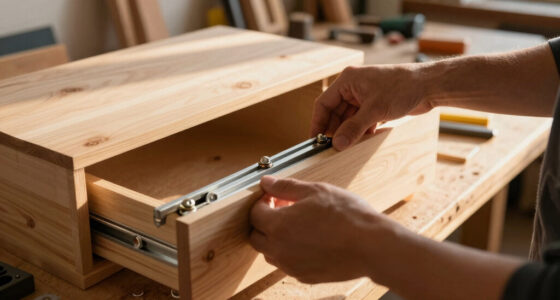
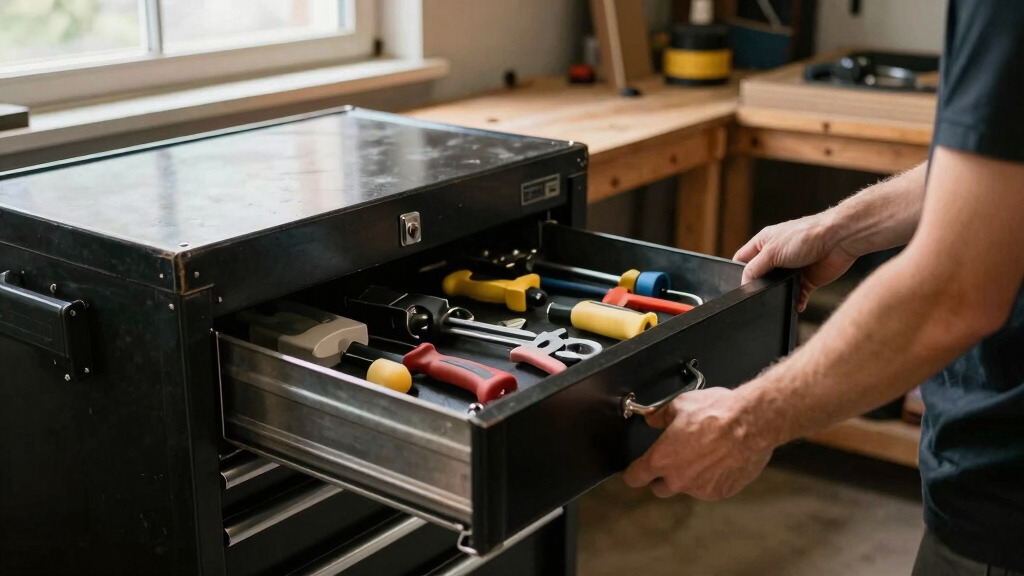
Look for welded seams and heavy-duty hardware. A well-made tool chest feels solid when you open and close drawers. Smooth sliding drawers with ball-bearing slides last longer and make your work easier. Good build quality directly impacts the lifespan and reliability of your storage solution, especially in demanding environments.
For instance, a top-quality steel chest might have reinforced corners and heavy-duty handles that withstand years of daily use. Check for rust-resistant finishes—powder coating or galvanized steel keep moisture at bay. These features prevent corrosion, which can compromise structural integrity over time.
Think about the last time you bought a cheap toolbox—it probably dents easily and falls apart fast. Investing in quality, with attention to welds, hardware, and finishes, ensures your chest remains functional and looks professional for years. Good build quality reduces the need for repairs or replacements, saving you money in the long run.
Remember, a well-constructed chest is not just about durability but also about safety—poorly made units may have sharp edges or weak points that pose risks during use.
Budgeting: How Much Should You Spend?
Price varies widely—from under $200 for basic models to over $2,000 for heavy-duty, commercial-grade chests. The key is balancing your needs and budget. A higher price often correlates with better materials, features, and longevity, but it’s important to assess what’s necessary for your specific use case.
If you’re a DIYer with occasional projects, a mid-range model around $300-$500 offers good durability and features without breaking the bank. For professionals or those with a lot of heavy tools, investing in a $1,000+ unit pays off in longevity, security, and ease of use, ultimately reducing replacement costs and downtime.
For example, a mechanic upgrading from a plastic toolbox to a steel rolling chest might spend around $700 but gain years of reliable, secure storage, which justifies the expense through increased efficiency and tool safety.
Understanding your workload and tool value helps determine the right investment level. Cheaper models may save money upfront but could lead to higher costs over time due to wear and tear or replacement needs.
Extra Features That Boost Your Efficiency
Consider added features that make your work easier. Top options include work surfaces, drawer dividers, built-in power strips, and modular units. These enhancements can transform your tool storage from basic to highly functional, saving time and reducing clutter.
Imagine a workday where you can set your drill on a sturdy top surface, or organize small parts with dividers, which minimizes searching and streamlines workflow. Modular systems allow you to expand or reconfigure your storage as your collection grows, providing flexibility and future-proofing your investment.
For example, a contractor might add a power strip for charging tools, saving trips to a wall socket, and improving workflow. Drawer dividers help keep small parts organized, reducing chaos and the risk of losing critical components. These features not only improve productivity but also help maintain a tidy workspace.
Tradeoffs include increased initial cost and potential clutter if overused. Prioritize features that directly address your workflow challenges to maximize your investment.
Latest Trends in Tool Chest Design
Smart technology is entering the tool storage world—RFID security, Bluetooth tracking, and electronic locks are becoming more common. These features help manage inventory and prevent theft, especially valuable for professionals with extensive tool collections.
Materials are evolving too. Lightweight aluminum composites and eco-friendly finishes are gaining popularity, making chests easier to handle while reducing environmental impact. These innovations reflect a shift toward more sustainable and user-friendly designs.
For example, some newer models include app-based inventory management, alerting you if a tool goes missing or needs maintenance. Such features can save time, reduce loss, and increase security, especially on large job sites or in shared workshops.
Staying aware of these trends can help you select a future-proof, technologically advanced chest that enhances your workflow and security, ensuring your investment remains relevant and effective.
Frequently Asked Questions
How do I figure out what size rolling tool chest I need?
Start by listing all your tools and measuring their dimensions. Choose a chest with enough drawer space and depth to hold everything comfortably, plus some extra room for future additions.Are steel or aluminum chests better for heavy-duty use?
Steel chests are more durable and better suited for heavy tools and daily demanding use. Aluminum chests are lighter and easier to move but may wear faster if subjected to rough handling.What security features should I look for?
Opt for a chest with high-quality locks—padlocks, built-in keyed locks, or electronic options. Reinforced steel doors and tamper-proof hardware add extra protection for your tools.How much should I expect to spend on a good rolling tool chest?
Basic models start around $200-$300, suitable for DIY projects. Heavy-duty, professional-grade chests range from $700 to over $2,000, offering better durability and security.How can I maintain my tool chest to make it last?
Regularly clean the surfaces, lubricate drawer slides, and inspect locks and casters. Keep it in a dry place to prevent rust and damage, especially if it’s made of steel.Conclusion
Your tool storage shouldn’t be a hassle. Pick a chest that fits your tools, workspace, and security needs—then stick with it for the long haul. A well-chosen rolling tool chest transforms your workday, saving time, frustration, and money.
Remember, it’s not just about storage—it’s about making your tools work for you. When you find that perfect fit, every job becomes a little easier, a lot more organized, and ready to go.
Halloween Picks
halloween
As an affiliate, we earn on qualifying purchases.