TL;DR

Get business pricing on tools and workshop supplies
- Business-only prices and quantity discounts
- Tax-exempt purchasing
- Multiple users, one account, clear invoices
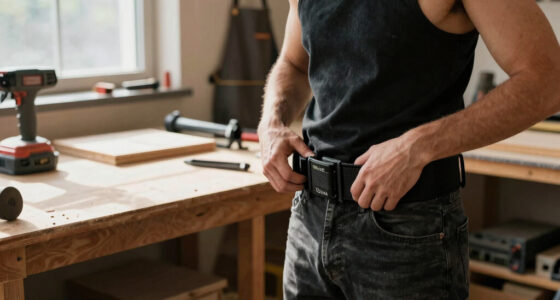
An IPF-approved belt must meet specific size and construction rules and appear on the current approved list. Always verify your belt’s approval status before competing to avoid disqualification. Visualize the belt as a legal tool that supports your lift without breaking the rules.
Always verify your belt against the current IPF approved list before competing.
Meet the specific size and construction standards—no hidden padding or unsupported reinforcements.
Approval depends on both physical compliance and official certification—don’t assume one without the other.
Choose a belt thickness and buckle style that suits your body and lifts, but stay within the approved parameters.
Inspect your gear before competition day, and keep proof of approval handy to prevent disqualification.
IPF-Approved Belt Rules Explained
A competition belt is legal only when its construction meets the technical rules and its exact manufacturer and model appear on the current IPF approved-equipment list.
Correct dimensions do not equal approval.
A perfectly measured belt can still be rejected when the exact model is absent from the federation’s current list.
Pass the physical specification
Pass the official model check
Two gates. Both required.
“IPF approved” is not a general style category. It is a product-specific status tied to the belt’s technical construction, exact model, manufacturer participation, and applicable approval period.
Build compliance
Width, thickness, buckle dimensions, material, attachment, layers, and support structure must remain within the technical limits.
Exact model listing
The precise manufacturer and model must appear on the current IPF Approved List of Apparel and Equipment.
Eligible for inspection
The belt can proceed to meet-day inspection, provided it remains identifiable, unmodified, and in its approved form.
Meeting every physical measurement is still insufficient. An unlisted model may be prohibited at an IPF competition.
The belt, measured.
These are maximum dimensions, not required dimensions. A belt may be thinner or narrower when its exact approved model remains compliant.
Bar lengths compare numerical limits on one reference scale; they do not represent the belt’s physical proportions.
Firm, non-stretch material
The main body may use leather, vinyl, or a similar non-stretch fabric. One or more layers may be glued or stitched together.
No concealed assistance
Hidden padding, bracing, reinforcement, or additional support structures can make the belt noncompliant.
Three recognized formats.
Buckle style is a fit and handling choice—not a shortcut to approval. Every buckle must be stitched, studded, or both to the belt body.
Single-prong
Easy to fasten, straightforward to adjust, and often the simplest option for routine training and competition.
Double-prong
Uses two prongs and can feel secure, though alignment may take more effort when tightening or releasing the belt.
Lever or quick-release
Quick to lock and release, but the exact belt and lever configuration still require current official approval.
A 10 cm-wide, 13 mm-thick lever belt is not automatically IPF approved. Verify the exact model rather than relying on its measurements or marketing description.
More flexible
Often easier to break in and may suit smaller lifters or athletes with shorter torsos.
More rigid
Offers greater stiffness but may feel less comfortable. It is the maximum thickness, not a requirement.
Approval terms decoded.
Retail language can blur important distinctions. Only one description directly confirms that the exact product has been accepted for the relevant IPF approval period.
| Term | What it actually tells you | Enough for an IPF meet? | Recommended action |
|---|---|---|---|
| IPF-approved | The exact model appears on the federation’s current approved list. | Yes, subject to inspection | Confirm the model and approval period. |
| IPF-specification | The belt may meet dimensional rules but may not have official model approval. | No | Search for the exact model on the current list. |
| Competition legal | A loose phrase that may refer to another federation or a retailer’s interpretation. | No | Identify the federation and verify independently. |
| IPF-style | A marketing description with no official regulatory meaning. | No | Treat it as a design label, not approval evidence. |
Classic
Equipped
The same basic belt dimensions, construction restrictions, and approved-equipment requirements generally apply in both divisions.
From product page to platform.
Officials may inspect approval status, dimensions, construction, condition, and alterations. Preserve a clear chain from the approved product to the belt you present.
Identify
Record the exact brand, model, size, and recognizable product markings.
Verify
Match the exact model against the current IPF approved-equipment list.
Preserve
Avoid structural changes to the body, buckle, lever, padding, or reinforcement.
Inspect
Present an identifiable, compliant belt with proof of the model available.
Check the current list before finalizing competition equipment.
Reconfirm the model and inspect the belt for damage or modifications.
Keep labels, markings, packaging, or model documentation available.
Common belt questions.
Choose for comfort and performance only after confirming compliance. Fit cannot rescue an unapproved model, and approval cannot rescue a materially altered belt.
Must a belt be 13 mm thick?
No. Thinner belts may be legal. Thirteen millimeters is the maximum permitted thickness.
Can it be narrower than 10 cm?
Yes. Ten centimeters is the maximum width, and some lifters prefer a narrower design.
Are tapered belts permitted?
Only when the exact model is approved and its dimensions and construction fully comply.
Are soft Velcro belts legal?
They are typically not approved. Never assume legality without an exact listing.
Can an approved belt be altered?
Structural changes, added padding, or an altered buckle can make it different from its approved form.
What if a retailer says “approved”?
Verify the exact model independently. A brand name or product-page claim is not sufficient evidence.
Lift clean. Remove doubt.
The familiar 10 cm and 13 mm limits remain important, but the current approved-equipment list is the decisive second layer of compliance.
Verify the exact model.
Never rely on brand reputation or an older retailer page.
Respect every limit.
Check the belt body, buckle, loop, attachment, and construction.
Keep it unchanged.
Modifications can invalidate the belt’s approved form.
Choose fit within the rules.
Select thickness and buckle style for your torso and lifting preference.
Prepare for inspection.
Retain identifying marks and carry proof of the exact model.
What Exactly Makes a Belt IPF-Approved?
An IPF-approved belt isn’t just about brand reputation—it’s about meeting strict size, material, and approval criteria. The belt must satisfy two key conditions: it must meet the technical specifications and be listed on the current approved equipment list. This means your favorite brand might make hundreds of belts, but only one or two models are legal for IPF competition at any given time.
Imagine buying a belt that’s perfect in size, but the manufacturer hasn’t submitted it for approval. You could wear it at your local meet, but it’s off-limits at an IPF world championship. The approval process ensures safety, fairness, and consistency across competitions.
As an affiliate, we earn on qualifying purchases.
The Core Rules: Size, Material, and Construction
IPF rules set strict dimensions for belts:
- Maximum width: 10 cm
- Maximum thickness: 13 mm
- Inside buckle width: 11 cm
- Outside buckle width: 13 cm
- Maximum tongue loop width: 5 cm
- Distance from buckle to tongue loop edge: 25 cm
The material must be leather, vinyl, or a similar non-stretch fabric. No hidden padding, reinforcement, or extra support layers are allowed. These rules are designed to keep belts simple, safe, and fair for all lifters.
As an affiliate, we earn on qualifying purchases.
Which Buckle Types Are Allowed? Find Out Quickly
IPF recognizes three main buckle types:
- Single-prong
- Double-prong
- Quick-release or lever
All must be stitched or studded to the belt body. A lever buckle isn’t automatically approved; it must be on the approved list. Picture a quick-release buckle—if it’s from a recognized manufacturer and listed, it’s legal. If it’s a homemade or modified buckle, it could be a disqualification risk.
As an affiliate, we earn on qualifying purchases.
Is Wearing a Belt Mandatory? When and Why
Wearing a belt is optional in IPF competitions. Many lifters choose to wear one for core support, especially during heavy squats or deadlifts. When worn, it must sit outside the singlet or lifting suit and not conceal any extra support gear. Think of the belt as a safety tool—not a crutch or hidden support—meant to stabilize your core, not provide extra assistance.
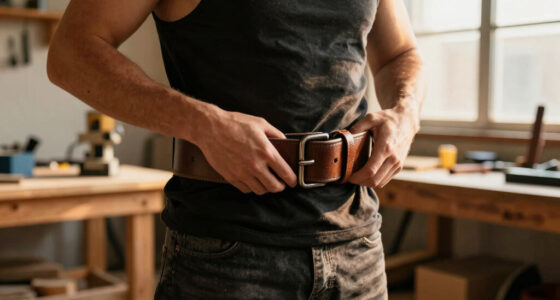
powerlifting belt with official approval
As an affiliate, we earn on qualifying purchases.
As an affiliate, we earn on qualifying purchases.
What Does ‘IPF Approved’ Really Mean? Clearing Up the Confusion
‘IPF approved’ isn’t just a marketing term. It means the belt is officially listed on the current approved equipment list and has passed inspection. A belt might be made from the right materials and meet size limits but still be disqualified if it’s not on the list. Always verify the exact model and stay updated with the latest approval cycle.
For example, a popular brand’s belt might be approved one year but not the next due to a product revision. Confirm approval before competing to avoid surprises.
Classic vs. Equipped Belts: Same Rules, Different Divisions
The core rules apply equally to both Classic and Equipped divisions. A belt must meet the same size and material standards, regardless of your division. Just because you’re lifting in a geared category doesn’t mean you can use any belt. An approved belt is an approved belt, period.
Imagine a lifter in the equipped division using a belt that’s slightly thicker or has a different buckle—if it’s not on the approved list, it’s a no-go.
How Officials Inspect Your Belt on Competition Day
During a meet, officials check your belt’s brand, model, dimensions, and condition. They look for modifications, padding, or any signs it’s not compliant. Keep proof of approval, avoid altering the belt, and avoid using any unsupported modifications. Think of it as a safety inspection—your belt must pass the test exactly as it was approved.
If your belt is borderline, bringing the box, tags, or proof of approval can smooth the process. Don’t risk having your gear rejected over a minor modification or unverified model.
Recent Changes and Ongoing Challenges in Belt Approval
The approval list updates periodically, meaning a belt you bought last year might no longer be approved. Manufacturers release new versions, and the IPF revises specifications. Always check the latest approved list before purchasing or competing. Relying on outdated info risks disqualification.
For example, a popular leather belt might have been approved in 2022 but replaced by a new model in 2024. Staying informed with the current list is critical for compliance and peace of mind.
Picking the Right IPF-Approved Belt: Thickness, Buckle, and Fit
Your ideal belt balances thickness, buckle type, and comfort. A 10 mm belt is easier to break in and more flexible, making it a good choice for smaller or shorter-torso lifters. A 13 mm offers more stiffness and support but can be less comfortable for some.
When choosing buckle types: single-prong is simple, double-prong is secure, and lever belts are quick but may need careful approval checks. Always measure your waist while wearing training gear to find a snug, supportive fit that doesn’t restrict movement.
Quick Answers to Common Belt Questions
Does a belt have to be 13 mm thick? No. Thinner belts are legal as long as they meet the maximum size limits.
Can a belt be narrower than 10 cm? Yes. The maximum width is 10 cm, but narrower belts are permitted and sometimes preferred.
Are tapered belts allowed? Only if the specific model is approved and fully complies with all dimensions and construction rules.
Are Velcro belts legal? Usually no. Soft Velcro belts are typically not approved for IPF competition. They lack the necessary construction and approval.
Can I modify an approved belt? Replacing buckles or repairing minor damages might be okay, but altering the structure or adding padding can invalidate approval.
Frequently Asked Questions
Can I wear a belt not on the approved list if I modify it slightly?
No. Any modifications, especially structural changes, can invalidate approval. Stick to approved models as listed.How often should I check the approved list before a meet?
Check it at least a month before, then again a week prior. Rules and approvals update regularly, and you want the latest info.What if I buy a belt from a brand claiming it’s approved but it’s not listed?
Don’t assume. Verify the exact model on the official list. Buying from reputable sources and keeping proof helps avoid disqualification.Are custom logos or artwork allowed on an approved belt?
Personalized or sponsor logos are often permitted, but any alteration that affects the belt’s structure or approval status can cause issues. Check federation rules.Conclusion
Your best bet for a successful IPF meet? Use only officially approved belts, keep them unmodified, and stay updated with the latest rules. Remember—gear compliance isn’t just a box to tick. It’s about lifting with confidence, knowing your equipment is legit and safe. Visualize that moment at the platform, confident your gear meets every standard—ready to focus solely on your lift, not the rules.Fall yard work Picks
leaf blowers
As an affiliate, we earn on qualifying purchases.