TL;DR

Get business pricing on tools and workshop supplies
- Business-only prices and quantity discounts
- Tax-exempt purchasing
- Multiple users, one account, clear invoices
A 10mm belt offers balanced support and comfort for most lifters, while a 13mm belt provides maximum rigidity for heavy, competitive lifts. Your choice depends on your experience and lifting style.
Choosing the right lifting belt isn’t just about size — it’s about what your body needs during heavy lifts. You’ve probably seen both 10mm and 13mm belts at the gym, but what actually sets them apart?
In this guide, you’ll discover how these thicknesses affect support, comfort, and durability. Knowing the real-world differences helps you pick a belt that boosts your lifts without sacrificing comfort or safety.
A 10mm belt balances support and comfort, making it ideal for most training levels.
A 13mm belt offers maximum rigidity, perfect for heavy, competitive lifts and advanced lifters.
Material quality and construction influence durability and price, not just thickness.
Support from thicker belts can enhance performance, but technique remains critical.
Choose your belt based on your lifting goals, experience, and comfort preference.
How Belt Thickness Changes Support, Comfort, and Max-Lift Confidence
TL;DR: A 10mm belt offers balanced support and comfort for most lifters, while a 13mm belt provides maximum rigidity for heavy, competitive lifts. The right pick depends on your experience, lifting style, and tolerance for stiffness.
More flexible, easier to break in, and comfortable enough for frequent training sessions.
Built for heavy squats, deadlifts, competition attempts, and advanced lifters chasing maximal stability.
The support difference can change intra-abdominal pressure, influencing both performance and injury prevention during maximal lifts.
Beginner to intermediate lifters, volume work, daily sessions.
Advanced lifters, max attempts, powerlifting-style bracing.
Price depends on leather quality, stitching, buckle, and finish.
Thickness helps, but comfort and technique still decide results.
What Actually Changes When You Add 3mm?
Both belts brace the trunk. The difference is how much movement they allow and how demanding they feel during long sessions.
Balanced support
Feels like a sturdy strap: supportive, forgiving, and easier to wear during warm-ups, accessories, and higher-rep training.
Locked-in rigidity
Feels closer to a stiff brace: less bend, more pressure, and stronger feedback when you push hard into the belt.
Thickness is not everything
Premium leather, reinforced synthetics, stitching, and buckle design can make a thinner belt outperform a cheap thick one.
Support and Rigidity in Real Lifting Scenarios
Use the table as a practical guide, not a rigid rule. Your torso shape, bracing skill, and lift selection matter.
| Feature | 10mm Belt | 13mm Belt | Best Read |
|---|---|---|---|
| Support | ~ Moderate support with more comfort | ✓ Maximum support under extreme loads | Choose 13mm when max stability is the priority. |
| Rigidity | ✓ Flexible and forgiving for long sessions | ~ Very stiff and more restrictive | Choose 10mm for mixed training and volume days. |
| Comfort | ✓ Easier to breathe and move in | ✗ Can feel intrusive for daily work | Break-in time is usually easier with 10mm. |
| Heavy singles | ~ Capable for many lifters | ✓ Preferred for low-rep max attempts | Advanced powerlifters often favor 13mm. |
| Cost and weight | ✓ Often lighter and less expensive | ~ Often heavier and pricier | Higher cost can be worth it for serious heavy use. |
Pick by Training Style, Not Just Thickness
The best belt is the one that supports your brace without making your training feel awkward or fatiguing.
Beginner
Start with 10mm for enough support without excessive restriction.
Intermediate
If you regularly lift heavy and brace well, test both thicknesses.
Advanced
Use 13mm when maximal pressure and spinal stability matter most.
Competition
Check federation rules and practice in the belt before meet day.
Why a Thicker Belt Can Improve Heavy Lifts
A 13mm belt can help you create more intra-abdominal pressure, but it does not replace skill, core strength, or consistent technique.
Performance pathway
More rigidity gives your trunk a harder surface to brace against. That can reduce unwanted spinal movement and help maintain position under heavy squats and deadlifts.
Safety pathway
Better pressure can support the spine during maximal efforts. The risk is relying on the belt instead of learning how to breathe, brace, and move efficiently.
Fill and brace before the pull or squat descent.
Push the trunk outward into the belt.
Reduce movement under heavy load.
Transfer power through a steadier torso.
Attempt heavier weights with more confidence.
Fast Answers Before You Buy
When in doubt, match the belt to the sessions you do most often, not the heaviest lift you imagine doing someday.
Can 10mm handle 600+ lb deadlifts?
Yes, many lifters use 10mm belts for very heavy pulls. If you want maximum stiffness, 13mm may offer a stronger edge.
Is 13mm too stiff for daily training?
It can be. Many lifters save 13mm belts for max effort days and use 10mm for routine volume work.
Do thicker belts last longer?
Generally yes, especially when made from quality leather or reinforced materials, but construction matters as much as thickness.
What’s the real difference between 10mm and 13mm belts?
When you compare a 10mm belt to a 13mm, the first thing you notice is the thickness — measured in millimeters. The 10mm belts are like a sturdy, flexible strap, offering decent support but staying comfortable for everyday use. The 13mm belts are like a steel band — stiff, rigid, and designed to keep your core locked in during the heaviest lifts.
For example, a powerlifter at a meet might switch from a 10mm belt during warm-ups to a 13mm belt for deadlifts over 800 pounds. The extra thickness helps stabilize the spine and increases intra-abdominal pressure, which can push your performance to the next level.
Why does this matter? Because increased intra-abdominal pressure acts like an internal brace, supporting your spine and reducing the risk of injury during maximal efforts. The tradeoff, however, is that a thicker belt can feel more restrictive, potentially limiting movement or comfort during lighter or high-rep sets. Understanding this helps you choose a belt that aligns with your training focus—whether it’s volume, technique, or max effort lifts.
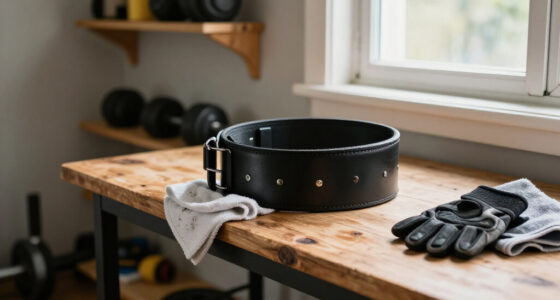
10mm lifting belt for weightlifting
As an affiliate, we earn on qualifying purchases.
As an affiliate, we earn on qualifying purchases.
How support and rigidity differ in real lifting scenarios
| Feature | 10mm Belt | 13mm Belt |
|---|---|---|
| Support | Moderate support, flexible enough for comfort | Maximum support, keeps your core tight even under extreme loads |
| Rigidity | Flexible, forgiving for long sessions | Rigid, reduces movement during heavy lifts |
| Ideal for | Intermediate lifters, daily training | Advanced lifters, competitions, max lifts |
Imagine wrapping your waist with a thick leather belt that feels like a steel corset — that’s a 13mm in action. The 10mm feels more like a sturdy strap, giving support without feeling like a cast.
Why does this support matter? In scenarios where maximum stability is needed—such as squatting heavy loads or deadlifting—it can make the difference between a successful lift and a failed attempt. The rigidity of a 13mm belt minimizes spinal movement, allowing you to generate more intra-abdominal pressure, which is crucial for maintaining proper form under heavy stress. Conversely, the more flexible 10mm belt offers enough support for most training but may allow slight spinal movement during maximal efforts, potentially increasing injury risk if not used carefully. Your choice should reflect your lifting goals and the level of stability you require during your lifts.
As an affiliate, we earn on qualifying purchases.
Comfort vs. support: Which belt fits your style?
Comfort is key, especially if you spend hours in the gym. A 10mm belt bends and flexes more, making it less intrusive during long workouts. It’s like wearing a well-fitted leather jacket that moves with you.
On the flip side, a 13mm belt feels like a custom-fit armor — firm, unyielding, and perfect for maximal support during heavy lifts. If you’re lifting heavy multiple times a week, that rigidity can help prevent injury and improve intra-abdominal pressure.
Choosing between them depends on your training volume and goals. If your sessions involve a lot of reps or lighter weights, the 10mm might be more comfortable and less fatiguing. For those focusing on heavy, low-rep lifts, the 13mm’s support can help you push your limits safely. The tradeoff is that the stiffer belt may feel restrictive during warm-ups or lighter sets, so consider your comfort alongside your performance needs.
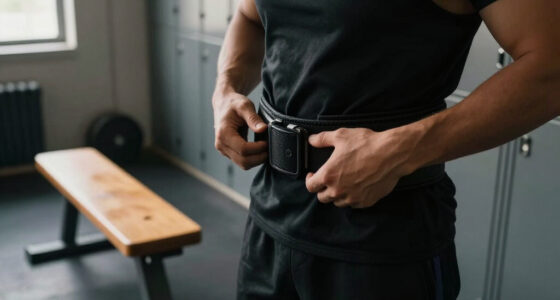
heavy duty lifting belt for deadlifts
As an affiliate, we earn on qualifying purchases.
As an affiliate, we earn on qualifying purchases.
Material, durability, and cost: What’s worth your money?
Thicker belts (13mm) usually use premium leather or reinforced synthetics, making them more durable but also heavier and pricier. A high-quality 13mm belt can cost between $100 and $200, depending on brand and craftsmanship.
10mm belts are often lighter and less expensive, typically in the $60 to $120 range. They still last a long time if you choose quality, but they don’t carry the same rigid support as 13mm options.
Why does material matter? Because quality materials resist wear and tear better, especially when subjected to frequent heavy use. A well-made 13mm belt can serve you for years, maintaining its supportive structure. Conversely, a cheaper or lower-quality belt—even if thinner—may degrade faster, losing support and comfort over time. Think of it as investing in a tool: a thicker, well-crafted belt offers longevity and consistent performance, which can justify the higher cost for serious lifters.
As an affiliate, we earn on qualifying purchases.
Which belt should I pick — beginner, intermediate, or pro?
If you’re new to lifting, a 10mm belt offers enough support without feeling restrictive. It’s like a good pair of shoes — supportive but comfortable for daily use.
Intermediate lifters, especially those lifting over 300 pounds regularly, might prefer the added support of a 13mm belt. It’s like stepping up to a pair of work boots — more protection, more stability.
Pro powerlifters or those lifting beyond 600 pounds often choose 13mm belts for maximum support, especially during competitions. Think of it as armor for your core, helping you push your limits safely.
However, your choice should also consider your body’s response to rigidity and your specific training needs. Trying both types and assessing comfort and performance during different lifts can provide valuable insight into what works best for you.
Will a thicker belt really improve my lifts?
Absolutely. A 13mm belt can increase intra-abdominal pressure, acting like a brace around your core. This extra support often translates to better stability and potentially more weight on the bar.
Why does this matter? Because increased intra-abdominal pressure means your spine is better protected, and your core is more engaged during lifts. This can lead to more confident lifting and reduced injury risk. For instance, many elite powerlifters swear by 13mm belts because they help maintain proper form under maximal loads, allowing them to lift heavier weights safely.
But remember, support is just one piece of the puzzle. Technique, core strength, and consistent training are equally important. A thicker belt can augment your efforts but won’t replace proper form and conditioning. It’s a tool—use it wisely to enhance your lifting potential.
Frequently Asked Questions
Can I use a 10mm belt for deadlifts over 600 pounds?
Yes, many lifters use 10mm belts for heavy deadlifts, especially if they’re comfortable with the support. However, if you want maximum stability for very heavy lifts, a 13mm belt might give you that extra edge and support.
Is a 13mm belt too stiff for daily training?
It can be, especially if you’re not used to rigid support. For everyday sessions, many prefer a 10mm belt because it’s easier to move and breathe in. Save the 13mm for max effort days or competitions.
Do thicker belts last longer?
Generally, yes. Thicker, high-quality belts tend to withstand more wear and tear, especially if made from premium leather or reinforced materials. Proper care extends their lifespan even further.
How do I know if a belt fits properly?
Your belt should snugly hold your waist without pinching or causing discomfort. It should support your core during lifts but still allow some movement when relaxed. Always try it on with your lifting gear for best fit.
Can I switch between a 10mm and 13mm belt?
Yes, many lifters keep both in their gym bag. Use the 10mm for regular training and switch to the 13mm for maximal lifts or competitions. They serve different purposes and can complement each other well.
Conclusion
Picking the right belt is about matching support with your training style. The 10mm is a versatile choice for most, while the 13mm is a powerhouse for serious lifters pushing their limits.
Remember: no belt can substitute proper form and training. Use your gear to complement good technique, and your lifts will thank you.
Halloween Picks
halloween
As an affiliate, we earn on qualifying purchases.