
TL;DR

Get business pricing on tools and workshop supplies
- Business-only prices and quantity discounts
- Tax-exempt purchasing
- Multiple users, one account, clear invoices
A well-fitting powerlifting belt boosts core stability and lifting strength. Focus on material, width, rigidity, and proper sizing. Modern belts combine support with comfort, making your lifts safer and more effective.
Ever wondered why some lifters seem to crush heavy weights with ease, while others struggle to stay stable? The secret often lies in the right belt. It’s not just about looking the part; a good powerlifting belt can make or break your performance—and your safety.
In this guide, you’ll learn exactly how to choose a belt that fits your lifting style, body, and goals. Whether you’re a beginner or a seasoned pro, understanding the key aspects will help you pick a belt that supports your strength gains without sacrificing comfort.
Choose a belt material that balances durability and comfort—leather for support, synthetic for lightweight ease.
Select a width (10-13 cm) and thickness (10-13mm) based on your support needs and comfort preferences.
Measure your waist carefully and try on belts with your lifting gear for the perfect fit.
Match your belt type to your lifting style—stiff powerlifting belts for maximum support, flexible belts for Olympic lifts.
Stay aware of modern innovations like ergonomic padding and quick-release buckles to enhance your lifting experience.
Pick the belt that makes heavy lifts feel locked in.
TL;DR: A well-fitting powerlifting belt boosts core stability and lifting strength. Focus on material, width, rigidity, and proper sizing. Modern belts combine support with comfort, making your lifts safer and more effective.
Up to 40% more intra-abdominal pressure
A properly fitted belt can significantly enhance core stability during heavy squats, deadlifts, and near-maximal work.
Most useful around maximal or near-maximal loads.
Maximum rigidity for many competitive powerlifters.
Choose material by how you train.
Material affects break-in time, durability, support, moisture resistance, and how custom the belt feels after months of lifting.
Maximum support
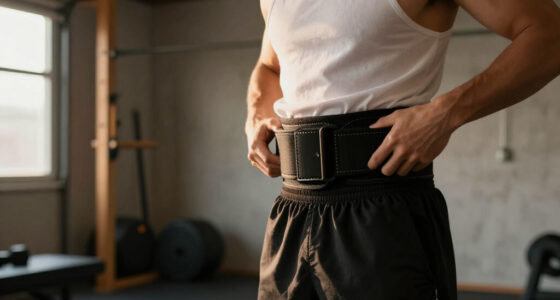
Best for: serious strength work, long-term use, and lifters who want a belt that molds to their waist over time.
Light and easy
Best for: beginners, humid gyms, quick cleaning, lower cost, and anyone who values fast break-in comfort.
Balanced feel
Best for: lifters who want sturdy support without the full stiffness of a competition-style leather belt.
Match rigidity to the lift.
A stiffer belt can help you brace harder under maximal loads, while a more flexible belt keeps movement smoother for dynamic training.
Comfort vs. Rigidity
Compare the common belt choices.
There is no universal best belt. The right pick depends on lift style, comfort tolerance, and whether you need meet-level support or everyday adjustability.
| Feature | Powerlifting Belt | Olympic Belt | Velcro Belt | Hybrid Belt |
|---|---|---|---|---|
| Primary use | Heavy squats and deadlifts | Dynamic cleans and snatches | General training | Mixed strength work |
| Support level | ✓ Very high | ~ Moderate | ~ Light to moderate | ✓ Moderate to high |
| Mobility | ~ Lower | ✓ High | ✓ High | ✓ Balanced |
| Durability | ✓ Excellent | ✓ Good | ✗ Fastener may wear | ✓ Good |
| Best match | Competition-focused lifters | Weightlifters needing speed | Beginners and quick changes | Lifters wanting versatility |
Size it like equipment, not clothing.
Your pant size is not your belt size. Measure where the belt actually sits, then check the manufacturer chart before choosing a hole range.
Find position
Place the tape where you wear the belt, usually just above the hips.
Measure relaxed
Use a flexible tape without sucking in or pushing the stomach out.
Check chart
Match the number to the brand’s size range, not a generic size label.
Wear gear
Try it with your training clothes to simulate real lifting conditions.
Brace test
The fit should feel firm, but still allow a deep breath and hard brace.
New belts are solving old trade-offs.
Recent designs focus on keeping support high while making belts easier to break in, adjust, clean, and wear through long training blocks.
Comfort without losing brace
Look for ergonomic shapes, padded linings, lighter composites, and quick-release buckles if traditional stiff belts feel too punishing.
Use the belt at the right time
- Use it most often for heavy work near 80% of one-rep max or above.
- Keep lighter training belt-free when you want raw bracing practice.
- Choose meet-legal dimensions if you plan to compete.
From belt choice to better lifts.
The right belt works because every decision supports the next one: fit creates pressure, pressure improves stability, and stability improves force transfer.
What Material Should Your Powerlifting Belt Be Made Of? Leather, Synthetic, or Hybrid?
Choosing the right material is the first step. Leather belts are the classic choice—sturdy, durable, and often preferred for serious lifting. They mold to your waist over time, providing a snug, supportive fit. Synthetic belts, like polyurethane, are lighter and often less expensive, making them perfect for beginners or casual lifters. Hybrid belts combine these features, offering a balance of support and comfort.
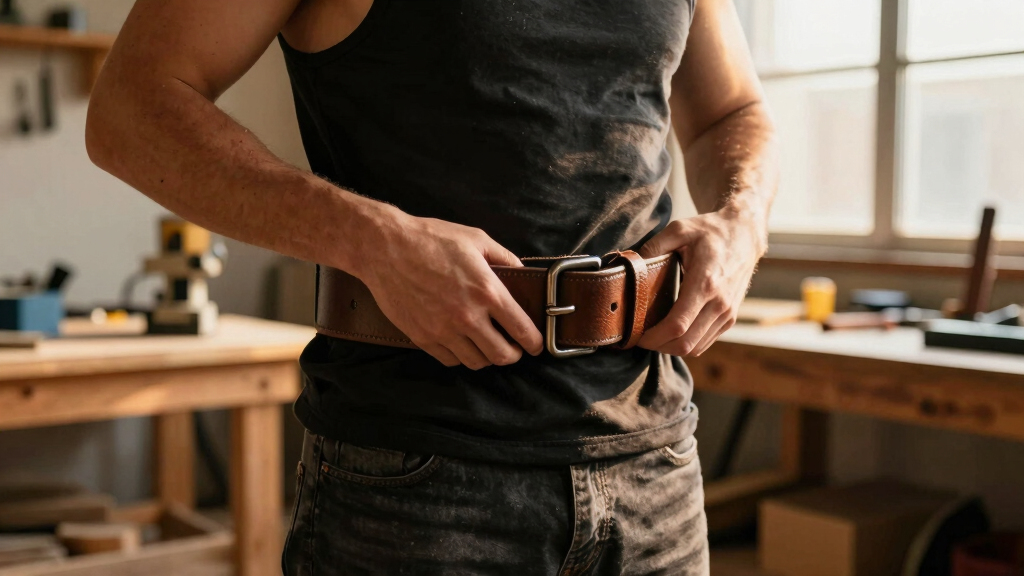
Imagine a leather belt with a rich, deep brown hue—stiff yet flexible enough to support heavy squats. Or a synthetic belt in bright blue, lightweight and quick-drying, ideal for those training in humid gyms. Your choice impacts how the belt feels, how long it lasts, and how much support it provides.
According to BestBeltShop, durable leather belts can last over 5 years with proper care, while synthetic belts might need replacing sooner but are easier to break in.
**Why it matters:** The material directly influences the belt’s durability, flexibility, and how it interacts with your body during lifts. Leather belts tend to become more comfortable over time as they conform to your waist, but they require maintenance. Synthetic belts are more resistant to moisture and easier to clean, making them suitable for frequent use. The tradeoff is that synthetic belts may not mold as well to your body, potentially affecting long-term comfort.
**Implication:** Your choice of material should align with your training frequency, environment, and comfort preferences. A leather belt might be better for serious, long-term lifters who want a custom fit, while synthetic belts suit those seeking lightweight options and easy maintenance.
As an affiliate, we earn on qualifying purchases.
How Wide and Thick Should Your Powerlifting Belt Be for Maximum Support?
Width and thickness are about how much support your belt provides. Most belts are between 10-13 cm wide; wider belts support the lower back better during heavy squats or deadlifts. Thickness usually ranges from 10mm to 13mm—thicker belts are more rigid and stabilize your core.
For example, a 13mm, 4-inch wide leather belt offers maximum rigidity, ideal for lifters competing in powerlifting meets. Conversely, a 10mm, 3.75-inch belt might feel more comfortable during longer training sessions but offers slightly less support.
**Why support matters:** The width and thickness of your belt influence how evenly the support is distributed across your core and lower back. A wider, thicker belt provides more rigid support, which can translate into higher lifts and reduced injury risk. However, increased rigidity may come at the cost of mobility and comfort, especially during dynamic movements.
**Trade-offs:** A very stiff, thick belt maximizes support but may feel constrictive, potentially hindering breathing or movement if not fitted properly. Conversely, a thinner, narrower belt offers greater flexibility but less stabilization during maximal efforts.
**Implication:** Select a width and thickness based on your specific training needs. For maximal support during heavy lifts, a 13mm, 4-inch belt is often preferred. For general training or mobility-focused sessions, a thinner, narrower belt may be advantageous. Understanding these trade-offs helps in choosing a belt that balances support with comfort, optimizing performance without unnecessary restriction.
As an affiliate, we earn on qualifying purchases.
The Fit Matters: How to Size Your Powerlifting Belt Correctly
Getting the right size is crucial. Too loose, and it won’t support your core; too tight, and it’s uncomfortable or restrictive. Measure your waist at the level you plan to wear the belt, usually just above your hips, with a flexible tape. Match that measurement against the brand’s sizing chart.
For example, if your waist measures 34 inches, choose a belt labeled for 34-36 inches. A snug fit should feel firm but not restrict your ability to breathe or move naturally.
**Why fit is critical:** An ill-fitting belt can compromise your safety and performance. Too loose, and it won’t generate the intra-abdominal pressure needed for stability; too tight, and it can restrict breathing, impairing your ability to brace properly. Proper fit ensures the belt supports your core without limiting your range of motion or causing discomfort.
**How to achieve the right fit:** Measure your waist at the height where you plan to wear the belt, typically just above the hips, with a flexible tape. When trying on belts, wear your lifting gear to simulate actual conditions. Leather belts will stretch slightly over time, so initial tightness should be enough to support but not cause pain or restrict movement.
**Implication:** Accurate sizing and fitting are essential for maximizing support and safety. A well-fitted belt enhances intra-abdominal pressure, stabilizes your spine, and allows for better force transfer during lifts. Investing time in proper measurement and trying on different sizes ensures you get a belt that performs optimally and feels comfortable during your training sessions.
As an affiliate, we earn on qualifying purchases.
Which Type of Belt Is Best for Your Lifting Style: Powerlifting or Olympic?
The choice between a powerlifting belt and an Olympic belt depends on your lifting focus. Powerlifting belts are stiff, designed to maximize support during heavy, static lifts like squats and deadlifts. Olympic belts are thinner and more flexible, accommodating dynamic lifts like cleans and snatches.
For example, if your main goal is to squat 500 lbs or deadlift 600 lbs, a stiff, 13mm powerlifting belt is your best bet. If you’re into Olympic lifting competitions, a 10mm, more flexible belt allows for better mobility and speed.
**Why it matters:** The type of belt influences how well it supports your specific lifts. A stiff, supportive belt helps you generate maximum intra-abdominal pressure during static, heavy lifts, reducing the risk of injury and improving force transfer. Conversely, a more flexible belt allows for greater range of motion and quicker transitions, which are essential in Olympic lifts.
**Implication:** Matching your belt to your lifting style optimizes your performance and safety. Using a stiff belt for Olympic lifts might hinder mobility, while a flexible belt during heavy powerlifting might not provide enough support. Understanding these differences ensures you select a belt that aligns with your training goals and movement patterns.
As an affiliate, we earn on qualifying purchases.
What’s the Difference Between Buckle and Velcro Belts? Which Is Better?
Buckle belts are the gold standard for support—usually leather with a metal clasp that stays secure under heavy loads. Velcro belts are quick to put on and adjust, often made of synthetic materials, but may wear out faster and provide slightly less support.
For instance, a seasoned powerlifter might prefer a sturdy leather buckle belt for stability during max lifts. A beginner or casual lifter might opt for a Velcro belt for convenience during lighter sessions.
**Why support and durability matter:** Buckle belts generally offer superior support because they maintain tension more reliably under heavy loads, which is crucial for maximal lifts. They also tend to last longer due to the durability of metal fasteners and leather. Velcro belts, while convenient, may loosen over time or lose adhesion, especially after repeated washing or heavy use. They are better suited for quick adjustments or lighter training sessions.
**Implication:** If your focus is on heavy, maximal lifts and durability, a buckle belt is the better choice. For convenience, frequent adjustments, or lighter training, Velcro belts provide a practical alternative. Consider your lifting frequency, intensity, and preference for support versus ease of use when choosing between the two.
Recent Innovations: How Modern Belts Make Lifting Easier and Safer
Modern belts are blending support with comfort in new ways. Some now feature ergonomic designs with padded linings, making long training sessions less painful. Others incorporate quick-release buckles for fast adjustments—crucial during competitions or busy gym days.
For example, a new hybrid belt might combine a stiff powerlifting core with a padded, ergonomic lining, reducing pressure points. Eco-friendly materials are also gaining popularity, reducing environmental impact without sacrificing durability.
**Why it matters:** These innovations mean that modern belts are not just about raw support—they are designed with the lifter’s comfort, safety, and convenience in mind. Enhanced ergonomic features can prevent pressure-related injuries and discomfort during extended sessions. Quick-release mechanisms save time and allow for rapid adjustments, which is especially beneficial during competitions or when switching between lifts frequently. Eco-friendly materials reflect a growing awareness of sustainability, appealing to environmentally conscious athletes.
**Implication:** Staying informed about these innovations allows you to select a belt that maximizes safety, comfort, and practicality. Investing in a modern belt with advanced features can improve your lifting experience, reduce fatigue, and prolong the lifespan of your gear by preventing unnecessary wear and tear.
Frequently Asked Questions
How tight should my powerlifting belt be?
Your belt should be snug enough to support your core without restricting your ability to breathe or move naturally. You should feel firm support around your waist, but not so tight that it causes discomfort or makes your breathing impossible.
When is the right time to start using a belt?
Use a belt during lifts that exceed about 80% of your one-rep max, like heavy squats or deadlifts. It’s best to wear it during maximal or near-max efforts to maximize support and safety.
Can a belt really improve my lifting performance?
Yes, when used correctly, a belt stabilizes your core, allowing you to transfer force more efficiently. This can lead to heavier lifts and reduce injury risk during intense training segments.
Is a stiffer belt always better?
Stiffer belts provide more support but may feel less comfortable for extended wear. The best choice depends on your support needs and how comfortable you are with rigidity.
How long will my powerlifting belt last?
A high-quality leather belt can last several years with proper care, while synthetic belts might need replacing sooner. Regular cleaning and proper storage extend their lifespan.
Conclusion
Picking the right powerlifting belt isn’t rocket science, but it’s a game changer. Focus on fit, material, and your lifting style. The right belt can give you that extra edge—more confidence, better stability, safer lifts.
Remember, a belt is just one piece of your training puzzle. Use it wisely, and watch your lifts get stronger and safer. Now, go find that belt that makes you feel unstoppable.
Halloween Picks
halloween
As an affiliate, we earn on qualifying purchases.