
TL;DR

Get business pricing on tools and workshop supplies
- Business-only prices and quantity discounts
- Tax-exempt purchasing
- Multiple users, one account, clear invoices
Breaking in a stiff lifting belt takes a few weeks of consistent use. Techniques like flexing, wearing during warm-ups, and careful conditioning speed up the process, making your belt more comfortable and supportive.
Breaking in a leather belt takes patience — expect 3-4 weeks of consistent wear.
Flex the belt daily and wear it during warm-ups to speed up the process safely.
Use leather conditioners sparingly; over-conditioning can damage the belt.
A properly broken-in belt supports your lifts better and feels more comfortable.
Check for signs of wear or damage before pushing your belt to the limit.
Why a stiff belt can hold you back and how breaking it in changes the game
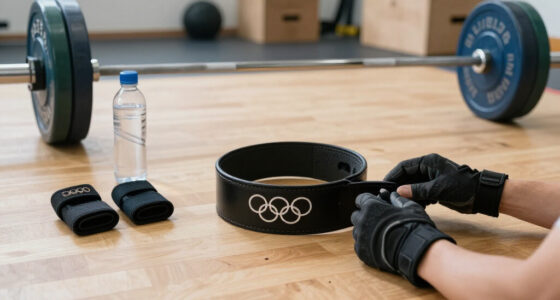
When you first strap on a new leather lifting belt, it’s like putting a piece of cardboard around your waist. It’s stiff, unyielding, and can pinch or rub painfully. That’s because leather is naturally firm when fresh. As you wear and manipulate it, the belt softens and molds to your body, providing better support and comfort. Properly breaking in your belt reduces pinching, improves fit, and makes lifting safer and more enjoyable.
Imagine trying to squat with a belt that bites into your hips or doesn’t sit snugly. That can cause discomfort, distract you during lifts, or even lead to injury. When the belt softens, it stays in place better, supports your core more effectively, and feels like a natural extension of your body. That’s the power of proper break-in techniques.
Understanding why a stiff belt can hinder your performance is crucial. A stiff belt not only causes discomfort but can also restrict movement, limit your range of motion, and create uneven pressure distribution around your core. This uneven support can lead to instability and increase injury risk. Breaking in your belt ensures it becomes more flexible and molds to your unique body shape, optimizing support and reducing these risks. The tradeoff, however, is patience—over-aggressive conditioning or improper techniques can damage the leather, so moderation is key. The goal is to find a balance that accelerates softening without compromising durability or integrity.
As an affiliate, we earn on qualifying purchases.
The real process: How to break in your belt step-by-step
- Wear it during light warm-up sets or casual workouts. Start with 10-15 minutes, then gradually increase. This allows the leather to gradually adapt to your body’s heat and moisture, softening over time.
- Flex and bend the belt daily. Hold it in your hands, flex, and twist to loosen the leather. This mechanical manipulation helps break down the stiffness more effectively, making the belt conform better to your waist.
- Apply leather conditioner or a light coat of oil sparingly. Use products designed for leather, and follow the manufacturer’s instructions. Conditioning introduces moisture that helps soften the leather but overdoing it can weaken the material, so use it judiciously.
- Use your belt during actual lifts, but don’t overload early. Let it mold as you train. As the belt warms and flexes with your body, it will gradually become more pliable and supportive.
- Be patient. Expect this process to take about 3-4 weeks of regular use before it feels totally broken in. Rushing this process by over-conditioning or excessive flexing can damage the leather, so gradual, consistent effort yields the best results.
As an affiliate, we earn on qualifying purchases.
Comparing leather and synthetic belts: What you need to know
| Feature | Leather Belts | Synthetic Belts |
|---|---|---|
| Initial softness | Stiff, rigid, needs break-in | More flexible out of the box |
| Break-in time | 3-4 weeks of regular use | Minimal, often ready immediately |
| Durability | Very durable, ages well with care | Less durable but lighter |
| Support | Excellent support once broken in | Good support, but can feel less firm |
Choosing between leather and synthetic belts involves understanding these differences. Leather belts, while requiring a break-in period, tend to mold better to your waist over time and offer superior support once properly softened. Synthetic belts, on the other hand, come ready to wear, making them convenient but potentially less durable or supportive for heavy lifting. Your choice depends on your priorities: if you value long-term support and durability, leather is often the better choice, but if immediate usability is key, synthetic might suit you better.
As an affiliate, we earn on qualifying purchases.
Tips for speeding up the break-in without damaging your belt
- Wear the belt during warm-up or light sets every session. Consistent use accelerates the softening process, as the leather responds to body heat and moisture.
- Flex and fold the belt manually daily to help loosen the leather. This mechanical action breaks down stiffness faster but must be done gently to avoid cracking or weakening the material.
- Use a leather conditioner or oil carefully, just a small amount, and don’t soak it. Proper application can accelerate softening, but excessive or improper use can lead to deterioration, so moderation is key.
- Gradually increase the duration you wear it as it softens. Pushing too hard too fast can strain the leather, so listen to how it responds and give it time to adapt.
- Store the belt in a cool, dry place to prevent damage during the process. Proper storage prevents mold, cracking, and other issues that can hinder the break-in process.
By following these tips thoughtfully, you can significantly reduce the time it takes to break in your belt while maintaining its integrity. Remember, patience and moderation ensure that your belt becomes a supportive, comfortable partner in your lifting journey without risking damage.
break in leather weightlifting belt
As an affiliate, we earn on qualifying purchases.
As an affiliate, we earn on qualifying purchases.
Warning signs: When to stop and not overdo it
Over-conditioning or excessive flexing can weaken the leather or cause cracks, which compromise the belt’s support and durability. If your belt starts to crack, stretch excessively, or feels overly loose, it’s a sign that you’ve pushed too far. Continuing to over-condition or flex aggressively can accelerate deterioration, leading to a shorter lifespan or even total failure of the material. Remember, the goal is to soften the leather gradually, not to force it beyond its natural limits. Patience and moderation are essential—rushing the process can result in irreparable damage, which defeats the purpose of proper break-in techniques. Regularly inspecting your belt for signs of wear ensures you catch issues early and maintain its integrity for years of use.
How to tell when your belt is ready to go
When your belt feels comfortable, molds snugly around your waist without pinching, and provides firm, supportive pressure, it’s broken in. It should sit naturally, not feel stiff or cause discomfort. You’ll notice it stays in place during lifts and feels like a second skin. This indicates that the leather has softened and adapted to your body’s shape. Additionally, if the belt maintains its support without any signs of cracking or excessive looseness after repeated use, it’s a good sign that it’s fully broken in. Testing it during a heavy set can confirm if it provides the necessary support without discomfort—if it does, you’re all set to lift with confidence.
Remember, a well-broken-in belt enhances your performance, stability, and safety during lifts, so take the time to ensure it’s properly conditioned and fitted before pushing your limits.
Frequently Asked Questions
How long does it typically take to break in a new leather lifting belt?
Usually, 3 to 4 weeks of regular training is enough for a leather belt to soften and mold comfortably around your waist. Consistent wear during warm-ups and light sets speeds up this process.Can I use water or leather conditioner to speed up breaking in my belt?
A small amount of water or leather conditioner can help soften the leather, but avoid soaking the belt or over-conditioning. Use sparingly and follow the manufacturer’s instructions to prevent damage.Is it okay to wear a stiff belt during heavy lifts early on?
Yes, but only if it fits well and provides support without pinching or causing discomfort. Make sure it’s gradually broken in to avoid injury or chafing during your heaviest lifts.How do I know when my belt is fully broken in?
When it feels snug, molds to your waist without pinching, and remains comfortable through your lifts, it’s ready. Testing it on a heavy set can confirm its support and comfort.Should I avoid using leather conditioners altogether?
Not necessarily. Using conditioners sparingly can help, but overdoing it may weaken the leather. The key is moderation and following product instructions.Conclusion
A stiff lifting belt isn’t meant to stay stiff forever. With steady use, gentle flexing, and proper care, it will soften into a supportive, comfortable partner. Remember: patience turns raw leather into your best support gear—so don’t rush the process. Your best lifts start with a belt that feels like it belongs there, not fighting you every step of the way.Halloween Picks
halloween
As an affiliate, we earn on qualifying purchases.