
TL;DR

Get business pricing on tools and workshop supplies
- Business-only prices and quantity discounts
- Tax-exempt purchasing
- Multiple users, one account, clear invoices
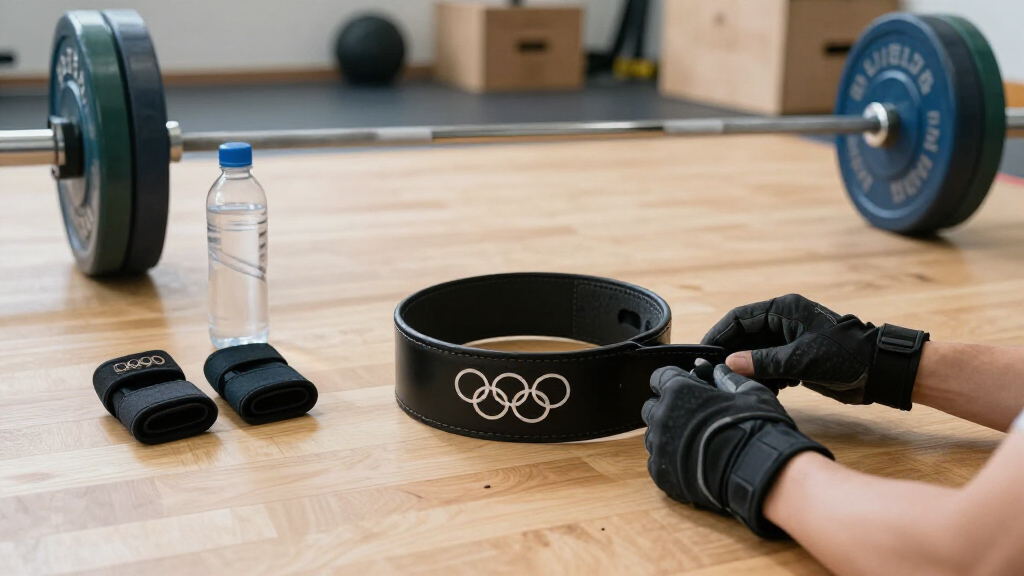
Choosing the right Olympic lifting belt means considering width, thickness, closure, fit, and purpose. The best belt supports trunk bracing without restricting movement, enhancing your lifts and safety.
How to Choose a Belt for Olympic Lifting
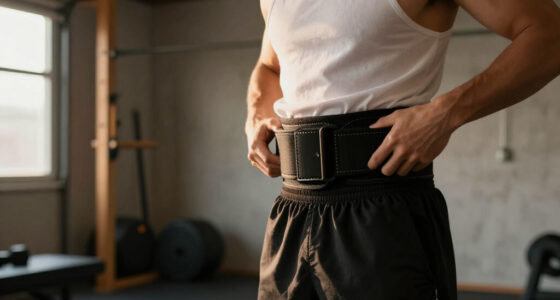
A good belt strengthens your brace without blocking speed, deep receiving positions, or bar clearance. The goal is controlled support—not maximum rigidity.
Start with the athlete, not the belt.
Torso length, lifting style, mobility, and training purpose determine what feels supportive. A belt that works for a tall lifter may pinch the ribs or hips of someone with a shorter torso.
Leave room to receive.
A tapered profile—wider across the lower back and narrower over the abdomen—reduces interference in deep squats and floor pulls. Short torsos usually benefit from more taper.
Firm, never immovable.
Olympic lifts require rapid breathing, extension, and repositioning. A flexible 5–7 mm belt often provides useful feedback without the restrictive feel of a rigid 10 mm powerlifting belt.
Keep hardware away from the bar.
A bulky buckle can contact the bar during a close second pull. Choose low-profile hardware and test its position with an unloaded snatch and clean before adding weight.
Width balance
Enough surface area to brace, with space for the ribs and pelvis to move.
Flexibility balance
Firm tactile feedback with enough give for speed and deep receiving positions.
Compare the tradeoffs.
No single material or closure wins for every athlete. Prioritize comfort, adjustability, security, and a profile that stays clear of the bar.
| Option | Support | Mobility | Adjustment | Best use |
|---|---|---|---|---|
| Leather | High after break-in | Moderate | Depends on buckle | Heavy cleans, jerks, and squats |
| Suede | Moderate to high | Secure and comfortable | Mixed Olympic lifting sessions | |
| Nylon / synthetic | Moderate | Fast and precise | Technique, volume, and dynamic work | |
| Single-prong | Very secure | Material-dependent | Slower between attempts | Stable, repeatable tightness |
| Lever | Rigid and secure | Often lower | Fast, but less adaptable | Consistent waist and setup |
| Quick-release | Product-dependent | Fastest | Frequent changes between attempts |
Double-prong buckles offer little practical advantage for most Olympic weightlifters and can be cumbersome. Whatever the system, confirm that it stays secure and does not create a bulky contact point.
Measure, brace, move, refine.
Use the manufacturer’s measurement instructions—not trouser size. The correct belt should land near the middle of its adjustment range and allow changes in clothing, body weight, and preferred tightness.
Measure
Measure your waist exactly where the belt will sit, between the lower ribs and pelvis.
Position
Place the belt securely without pinching the ribs, hip bones, or abdomen.
Inhale
Breathe into the abdomen, sides, and lower back. A full breath must remain possible.
Brace
Expand against the belt in every direction. It should provide feedback, not create the brace for you.
Lift
Test deep squats, snatches, and cleans with an empty bar before using heavy loads.
Fit signals
- Snug: the belt stays in place during extension and receiving.
- Breathable: you can inhale fully before bracing.
- Clear: the buckle avoids the bar path.
- Mobile: your start and squat depth remain natural.
Warning signals
- Too tight: numbness, shallow breathing, or abdominal pinching.
- Too wide: contact with ribs or hips in the bottom position.
- Too loose: slipping, rotation, or little bracing feedback.
- Poor placement: altered start position or bar contact.
Use the belt where it adds value.
A belt is a performance aid, not a substitute for technique, intelligent loading, or trunk strength. Many athletes reserve it for demanding sets; others prefer an unrestricted snatch. Individual testing matters.
Frequently asked questions
The belt should complement skills you already practice: breathing, circumferential bracing, stable positions, and efficient movement.
Do I need a belt for Olympic weightlifting?
No. Many lifts can be trained without one. A belt may improve bracing feedback and confidence during heavy efforts, but core strength and technique remain essential.
When should a beginner start using one?
After learning sound breathing, bracing, and lifting technique. Introduce the belt gradually as loads rise instead of using it to mask unstable positions.
Can I use a powerlifting belt?
Yes, if it is flexible enough and does not interfere with breathing, bar contact, or receiving positions. Many lifters find a tapered Olympic-style belt more comfortable.
How tight should it be?
Tight enough to brace against, but loose enough for a complete abdominal breath. Maximum tightness is not the goal.
What should I check before competing?
Verify the current belt dimensions and equipment requirements of your federation. Rules can vary, so confirm compliance before meet day rather than relying on a general width guideline.
The winning formula
Narrow enough to move. Firm enough to brace. Low-profile enough to clear the bar. The right belt feels like a sturdy partner: supportive under heavy loads, yet quiet enough to let your technique lead.
Why Belt Width Matters — Find the Perfect Fit for Your Deep Squats and Pulls
Olympic lifting belts are narrower than powerlifting belts, especially around the front and sides. A tapered design, wider in the back and narrower over the abdomen, lets you squat deep without pinching or interference. Imagine trying to squeeze into a tight suit — too wide and it restricts your movement, too narrow and it offers less support.
For example, a lifter with a short torso might find a 4-inch tapered belt fits perfectly, providing support without restricting their range of motion during deep pulls. Conversely, taller lifters may prefer slightly wider belts for added stability. Always check your federation’s rules — some competitions cap belt width at 4 to 4.5 inches to keep things fair and safe.
Choosing the correct width is crucial because an ill-fitting belt can either limit your mobility or fail to provide adequate support. The right width enhances your ability to maintain proper trunk bracing throughout complex lifts, reducing fatigue and the risk of injury. It’s a tradeoff: too narrow, and support diminishes; too wide, and movement becomes restricted. Matching your belt width to your body type and lifting style ensures you get the support you need without sacrificing technique or comfort.
As an affiliate, we earn on qualifying purchases.
Thickness and Flexibility — Find a Belt That Moves With You
Think of belt thickness like the firmness of a mattress — too stiff, and it feels like sleeping on a board; too soft, and it offers little support. For Olympic lifting, a belt should brace your core but still allow dynamic movement. Rigid powerlifting belts, often 10mm or thicker, may feel restrictive during the quick, explosive lifts, potentially limiting your ability to breathe and move naturally.
Choosing a belt with the right thickness involves understanding the tradeoffs: thicker belts provide more support and stability, which is beneficial during maximal lifts, but can hinder rapid core engagement and mobility needed in Olympic lifts. Thinner belts, such as 5-7mm, offer greater flexibility, enabling quicker adjustments and more natural movement. Material also matters; leather belts are durable and supportive but may need a break-in period, while synthetic options like nylon are lighter and more flexible, supporting high-rep training or lighter sessions.
For example, a seasoned lifter might prefer a 7mm leather belt for heavy cleans and snatches to maximize support without overly restricting movement. A beginner or someone focusing on technique might opt for a 5mm nylon belt to facilitate faster transitions and better mobility. The key is balancing support with flexibility to match your training demands and personal comfort, understanding that heavier, thicker belts excel at stability but may compromise quickness, while thinner, more flexible belts support speed and agility at the expense of maximum support.
tapered flexible weightlifting belt
As an affiliate, we earn on qualifying purchases.
As an affiliate, we earn on qualifying purchases.
Defining Your Needs — Understanding Your Lifting Goals and Body Type
Before selecting a belt, it’s essential to clarify your specific lifting goals and consider your body type. Are you primarily focusing on maximal strength, or are speed and mobility more important? Do you have a shorter torso or longer waist? These factors influence the ideal belt width and stiffness for you.
For instance, lifters aiming for maximum power and stability in heavy lifts might opt for a thicker, wider belt that offers more support. Conversely, athletes prioritizing speed and agility may prefer a narrower, more flexible belt that allows greater movement. Recognizing your body shape helps determine the best fit—tall lifters might need wider belts for stability, while shorter lifters benefit from narrower options to avoid restriction.
Matching your belt choice to your body and lifting style ensures you get the right support without sacrificing technique or comfort. This understanding helps prevent common issues like belt slippage, discomfort, or restricted movement, which can hinder performance and increase injury risk.
As an affiliate, we earn on qualifying purchases.
Applying Your Knowledge — How to Test and Adjust Your Belt Fit
Once you’ve selected a belt based on width, thickness, and your lifting goals, it’s time to test and fine-tune the fit. Put on your belt and stand in your typical lifting stance. It should sit snugly around your waist, covering the area from your lower ribs to just above your hips.
Take a deep breath and brace your core — the belt should support your abdominal pressure without restricting your ability to breathe comfortably. If it feels too tight or causes discomfort, loosen it slightly. If it slips during lifts or feels loose, tighten it a bit more. Remember, the goal is to support your core during the lift, not to cut off circulation or restrict movement.
Practice lifting with the belt during training sessions to gauge how it affects your technique. Make adjustments as needed, and don’t be afraid to try different tightness levels until you find what works best. Properly fitted belts help you generate intra-abdominal pressure efficiently, enhancing stability and safety during your lifts.
training belt for snatch and clean
As an affiliate, we earn on qualifying purchases.
As an affiliate, we earn on qualifying purchases.
Frequently Asked Questions
Do I need a belt for Olympic weightlifting?
Not necessarily. Many lifts can be trained without one. A belt is a tool to improve bracing and confidence during heavy or maximum efforts, but mastering technique and core strength remains essential.
When should a beginner start using a belt?
After learning proper breathing, bracing, and technique. Once you progress to heavier lifts or feel the need for extra support, a belt can be introduced gradually, without rushing it.
Can I wear a powerlifting belt for Olympic lifts?
Yes, if it’s flexible enough and doesn’t interfere with bar contact or movement. However, many prefer a tapered, softer belt designed specifically for Olympic lifting’s dynamic demands, as it offers better mobility and comfort for the quick, explosive movements.
How tight should my belt be?
It should support your core without restricting breathing. Tighten until you can breathe into your belly comfortably, then brace — not so tight that you numb or pinch. Proper tightness allows for effective intra-abdominal pressure generation, which is essential for stability during lifts.
How do I know if the belt fits correctly?
It should sit snugly around your waist, sitting comfortably between your ribs and pelvis. Measure your waist at the level where you’ll wear it, and try it during your lifts to confirm comfort and support. An ill-fitting belt can either slip or cause discomfort, undermining your lifting performance and safety.
Conclusion
Your belt should feel like a sturdy partner — supportive yet free enough to move. Think of it as a finely tuned tool, not a crutch. When chosen carefully, it becomes a natural extension of your lifting setup, helping you stay focused and confident under heavy loads.Fall yard work Picks
leaf blowers
As an affiliate, we earn on qualifying purchases.