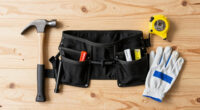
TL;DR
Listen free for 30 days with Audible
Thousands of audiobooks and originals — cancel anytime.
Start your free trialAs an affiliate, we earn on qualifying purchases.
Suspender rigs distribute weight more evenly and enhance safety, especially at heights, while standard tool belts are quick and versatile for daily tasks. Your choice depends on work type and safety needs.
Suspender rigs offer better weight distribution, reducing fatigue during long or heavy-duty tasks.
Standard tool belts excel in quick access and simplicity for lighter, everyday jobs.
Safety standards favor suspender rigs with harness integration for high-elevation work.
Choose your gear based on workload, safety needs, and comfort — don’t just go for the cheapest option.
Trying different setups helps you find what fits your work style best, improving both safety and efficiency.
Comfort, Speed, and Safety on the Jobsite
TL;DR: Suspender rigs distribute weight more evenly and enhance safety, especially at heights. Standard tool belts win on quick access and simplicity for lighter daily tasks. The better choice depends on workload, elevation risk, and how much weight your body has to carry all day.
Key Insight
Suspender rigs can carry up to 30% more weight comfortably by shifting load from the waist to the shoulders and hips.
One Carries Like a Backpack. One Carries Like an Apron.
A suspender rig spreads load across shoulders and hips, reducing lower-back strain. A standard tool belt keeps essentials close at the waist, making it faster and simpler for lighter work.
Suspender Rig
Adjustable straps, padding, and harness-like structure distribute weight more evenly, reducing fatigue during heavy-duty or extended jobs.
Standard Tool Belt
Waist-mounted pouches and loops keep tools within arm’s reach, making it ideal when speed matters more than load support.
Match the Load
Heavy, high, or long: choose the rig. Light, quick, or tight: choose the belt.
Where Each Setup Wins, Loses, or Compromises
Tool belts offer speed and simplicity. Suspender rigs offer support, security, and safety integration. The table shows the tradeoffs that matter on real jobsites.
| Feature | Standard Tool Belt | Suspender Rig |
|---|---|---|
| Weight Distribution | ✗Concentrates weight around the waist, which can cause discomfort, poor posture, and fatigue. | ✓Spreads load across shoulders and hips, reducing strain during long or heavy-duty tasks. |
| Long-Day Comfort | ~Works well when lightly loaded but can dig into the waist over time. | ✓More supportive for extended wear, especially with padded straps and adjustable fit. |
| Tool Security | ~Tools can slip or swing if pouches are overloaded or poorly secured. | ✓More secure attachment points reduce dropped-tool risk while climbing or moving. |
| Ease of Access | ✓Fast, familiar, and excellent for rapid tool changes. | ~Slightly slower setup, but steadier under heavier load. |
| Safety Compliance | ✗Not designed for fall protection or high-elevation safety systems. | ✓Often integrates with harnesses and fall-arrest systems for work at heights. |
How the Right Choice Protects the Worker
The choice is not just gear preference. Load, motion, elevation, and tool security connect directly to comfort, productivity, and injury risk.
Heavier kits raise fatigue risk when the weight sits only on the waist.
Suspenders shift force across larger support points.
Climbing and roof work increase the cost of dropped tools.
Harness-compatible rigs align better with fall-protection needs.
The right system improves comfort, focus, and jobsite control.
Comfort and Speed Pull in Different Directions
A suspender rig improves load management, while a standard belt keeps setup friction low. Pick the advantage that matches your workday.
Jobsite Advantage Index
Relative scores based on the practical tradeoffs: load support, access speed, setup time, and safety integration.
Best-Fit Workload Spectrum
Belts sit closer to quick, light, low-elevation work. Rigs move toward heavy, long, high-risk environments.
Use the belt for agility and fast access. Use the rig when weight, height, or fatigue risk becomes the bigger constraint.
When to Choose Each Setup
There is no universal winner. The strongest choice is the one that protects your body while fitting the pace and risk of the work.
Pick a Suspender Rig When…
Your tools are heavy, your shift is long, or your work happens at height.
- Roofing, scaffolding, elevated electrical, or multi-story construction.
- Fall-protection compatibility is required or strongly recommended.
- Lower-back strain and tool security matter more than fastest setup.
Pick a Standard Tool Belt When…
Your work is quick, lighter, mobile, or performed in confined areas.
- Carpentry, plumbing, HVAC maintenance, drywall, and small repairs.
- You need immediate access to a compact set of essentials.
- Speed, simplicity, and easy removal matter most.
Bottom Line
Do not choose by price alone. Choose by load, height, fatigue, and access needs. If your waist belt digs in after long days, or tools feel unstable while climbing, a suspender rig is not overkill. It is the safer system for the job.
What Exactly Is a Suspender Rig? And Why It Might Be Your New Best Friend
A suspender rig is a system that uses adjustable straps and a harness-like setup to hold your tools and distribute weight across your shoulders and hips. Unlike a typical belt, it acts like a backpack, spreading out the load evenly. Imagine carrying a heavy backpack versus stuffing everything into your pockets. The rig’s design reduces strain on your lower back, making it ideal for long days or heavy tool loads.
Why does this matter? Because uneven weight distribution can lead to fatigue, discomfort, and even long-term musculoskeletal issues. A suspender rig’s ergonomic design helps prevent these problems by aligning the load with your body’s natural support points, reducing the risk of back injuries. For example, electricians working on rooftops often carry heavy tools, and a rig ensures they don’t compromise their posture or endurance. The extra padding and adjustable straps also accommodate different body types, which means less discomfort and fewer aches after hours on the job. The tradeoff is that suspender rigs can be bulkier and require more setup time, but for demanding tasks, the ergonomic benefits often outweigh these inconveniences.
As an affiliate, we earn on qualifying purchases.
What’s a Standard Tool Belt, and When Does It Make Sense?
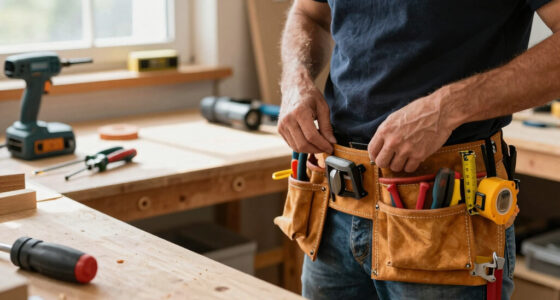
A standard tool belt wraps around your waist, with pouches and loops to keep your tools within arm’s reach. It’s simple, quick to put on, and flexible. Think of it like a waist apron that carries your essentials.
These belts are designed for convenience and rapid access, which matters because it minimizes downtime during tasks—every second counts when you’re on the clock. However, their main limitation is that they concentrate weight around the waist, which can cause discomfort over extended periods, especially if heavily loaded. This discomfort can lead to poor posture or even injury if you’re not careful. For tasks that require frequent movement or quick tool access—like carpentry, plumbing, or general repairs—a belt’s lightweight, minimal setup allows you to work efficiently without unnecessary fuss. But beware: if your workload increases or your tools become heavier, the belt might cause strain, and you may need to switch to more supportive options. The key is matching the belt’s simplicity with your work demands, understanding that it excels in speed but may compromise comfort over long hours or heavy loads.
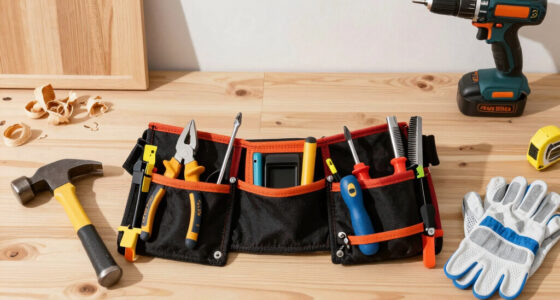
heavy-duty tool belt with quick access
As an affiliate, we earn on qualifying purchases.
As an affiliate, we earn on qualifying purchases.
Suspender Rig vs Standard Tool Belt: The Showdown in Features
| Feature | Standard Tool Belt | Suspender Rig |
|---|---|---|
| Weight Distribution | Concentrated around waist, can cause discomfort over time, especially with heavy loads, leading to poor posture and fatigue. | Spread across shoulders and hips, reducing strain and helping maintain proper posture during long or heavy-duty tasks. |
| Comfort for Long Days | Less comfortable, particularly when loaded with heavy tools, which can cause back pain or muscle fatigue over time. | More comfortable and supportive for extended wear, as it aligns weight with natural body support points, decreasing fatigue and discomfort. |
| Tool Security | Tools can slip or fall if not secured properly, risking damage or injury. | Tools are more securely attached, with fewer chances of falling, especially during movement or climbing. |
| Ease of Access | Quick, with immediate access to tools, ideal for fast-paced jobs where time is critical. | Slightly slower but offers stability for heavy loads, reducing the risk of tools swinging or falling during movement. |
| Safety Compliance | Standard, not suited for fall protection or high-elevation safety standards. | Often integrated with harnesses or fall arrest systems, meeting or exceeding safety regulations for working at heights. |
While a tool belt offers quick access, a suspender rig provides better weight management and ergonomic support. For tasks involving high elevation, long hours, or heavy tools, the rig’s design can significantly reduce fatigue and injury risk, which are critical for safety and productivity. The tradeoff is that suspender rigs require more setup and training but can improve overall work quality by prioritizing health and safety.
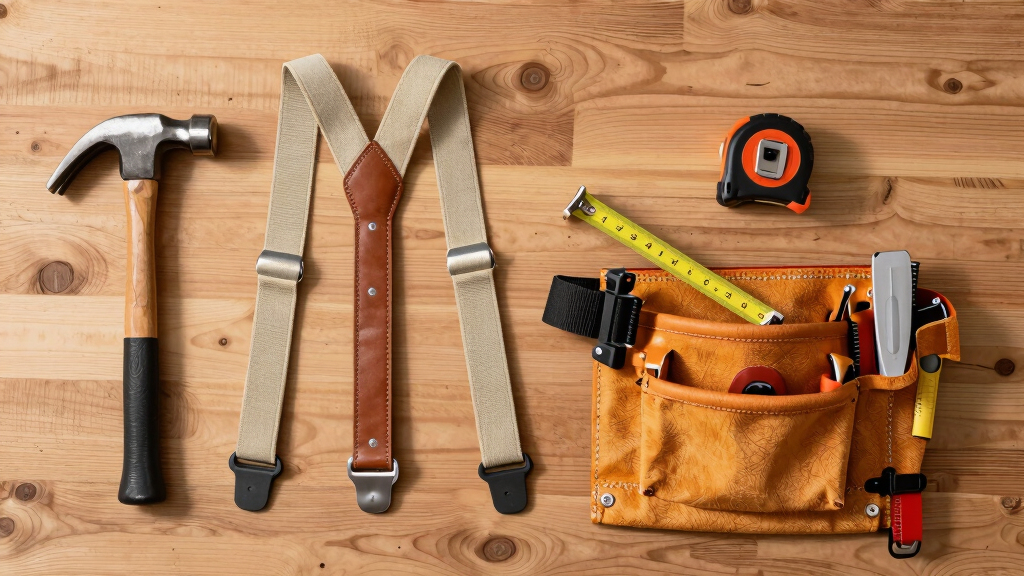
suspender rig with harness for construction
As an affiliate, we earn on qualifying purchases.
As an affiliate, we earn on qualifying purchases.
When Should You Pick a Suspender Rig? Real-World Scenarios
Imagine you’re an electrician working on a multi-story building. Your tools are heavy, and you need to move swiftly without feeling weighed down. A suspender rig distributes that weight evenly, helping you stay comfortable and focused. This ergonomic support reduces fatigue, allowing you to work longer hours without sacrificing safety or efficiency. It also minimizes the risk of dropping tools, which can be costly or dangerous at height. In high-risk environments, the integration with fall protection harnesses is crucial, making suspender rigs a smart investment for safety compliance.
Or picture a roofer climbing scaffolding all day. The rig’s support system minimizes fatigue and reduces the risk of dropping tools. It’s also built to be compatible with fall harnesses, meeting safety standards in high-risk environments. The ergonomic benefits directly translate into fewer injuries and higher productivity. On the other hand, if your tasks are quick, light, or confined—like installing cabinets or doing small repairs—a standard belt might be more practical due to its simplicity and speed of donning and doffing. The key is matching your work environment with the right gear to optimize safety and efficiency.
As an affiliate, we earn on qualifying purchases.
When Is a Standard Tool Belt Better? Practical Situations
Suppose you’re a maintenance worker fixing HVAC units or installing drywall. Your work involves frequent moving, with tools needed at arm’s length. A lightweight belt offers the agility you need, enabling quick tool access and minimal setup time. This means less downtime and more productivity, especially in fast-paced environments. For example, a carpenter framing a house prefers a standard belt to access hammers, nails, and screwdrivers quickly without the bulk of a rig. This quick access can make the difference between completing a task efficiently or running into delays.
In addition, if you frequently work in tight or confined spaces, the simplicity of a belt allows you to remove and put on your gear quickly, which can be essential for safety and efficiency. The tradeoff is that, over time, the concentrated weight around your waist could cause discomfort or strain, especially if your tools are heavy or your work shifts are long. Therefore, for quick, light jobs or environments where mobility and speed are paramount, a standard tool belt is often the better choice. It’s about balancing convenience with ergonomic considerations based on your specific task demands.
Choosing the Right Gear: Practical Tips for Your Job
- Assess your daily workload: Heavy and long hours favor suspender rigs because they reduce fatigue and support your posture, helping prevent injuries over time.
- Consider safety needs: Jobs involving high elevations, working near edges, or with fall hazards benefit from suspender systems with harness attachments, which can meet safety standards and prevent accidents.
- Think about mobility: Quick tasks, confined spaces, or jobs requiring frequent gear removal lean toward standard belts for their speed and flexibility.
- Try different setups: Comfort varies by individual and task. Testing different rigs and belts helps identify what minimizes fatigue and maximizes safety for your specific work style.
- Factor in budget and durability: Suspender rigs tend to cost more upfront but often last longer under tough conditions, making them a cost-effective investment over time.
For example, a contractor upgrading to safety harnesses might invest in a suspender rig designed for fall protection, while a handyman sticking to quick repairs may stick with a simple belt. Weigh these considerations carefully to ensure your gear supports your safety and productivity.
What You Need to Know About Industry Standards and Safety
Safety regulations matter. Suspender rigs often include harnesses that meet OSHA and ANSI standards for fall protection. Not all belts are certified for safety work at heights. Using gear that complies with these standards is essential to protect yourself and avoid legal issues. For example, working on a roof or scaffolding without proper fall arrest systems can lead to severe injuries or penalties. Safety standards are designed not just for compliance but to reduce the severity of accidents and injuries, which can be life-changing. Ensuring your gear is certified and regularly inspected is an investment in your safety and peace of mind, especially in high-risk environments. Remember: cutting corners on safety equipment can have serious consequences, so always verify certifications and proper use.
Frequently Asked Questions
Is a suspender rig safer than a tool belt?
Yes, especially for high-elevation or heavy-load tasks, suspender rigs with harnesses provide better fall protection and weight distribution, reducing fatigue and accident risk.
Can I use a suspender rig for everyday tasks?
It’s possible, but suspender rigs are best suited for specialized jobs like roofing or electrical work. For regular, quick jobs, a standard belt offers more flexibility and ease of use.
How do I decide which gear to buy?
Consider your typical workload, safety requirements, and comfort. Testing different setups can help you find what works best for your specific tasks.
Are suspender rigs compatible with my existing tool belt?
Some suspender rigs are designed to work with standard belts, but many are integrated systems. Check compatibility before purchasing.
Do suspender rigs cost more?
Generally, yes. They tend to be more expensive due to their complex design and safety features, but they can last longer and offer more protection.
Conclusion
The choice between suspender rig and standard tool belt boils down to safety, comfort, and your work environment. Think about the load you carry, the risks you face, and how long you’ll be wearing your gear. Making the right call can turn a tough day into a comfortable, safe one, with tools exactly where you need them.Remember: gear isn’t just about convenience — it’s about protecting your body and your tools. Invest wisely, and your back and productivity will thank you for years to come.
Back to school Picks
back to school
As an affiliate, we earn on qualifying purchases.