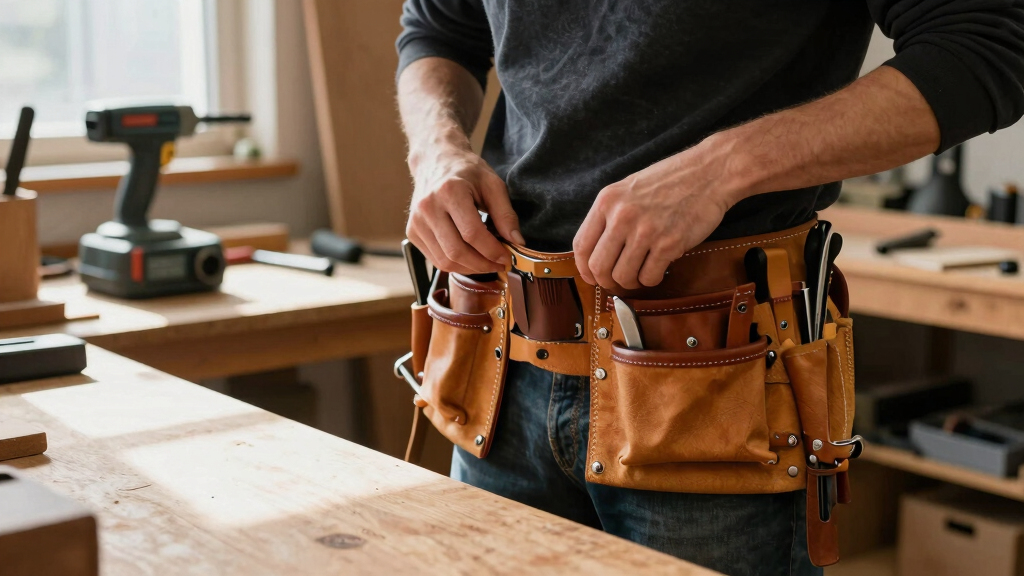

TL;DR

Get business pricing on tools and workshop supplies
- Business-only prices and quantity discounts
- Tax-exempt purchasing
- Multiple users, one account, clear invoices
Breaking in a new leather tool belt takes time, but you can speed up the process with conditioning and consistent wear. Regular care and patience lead to a comfortable, long-lasting belt.
Apply leather conditioner regularly to soften and protect your belt.
Wear your belt daily to help it mold naturally to your body.
Avoid soaking or using harsh chemicals — patience and consistent care are key.
Adjust straps and pouches for a custom fit to reduce fatigue and improve safety.
Check for softness and flexibility as signs your belt is fully broken in.
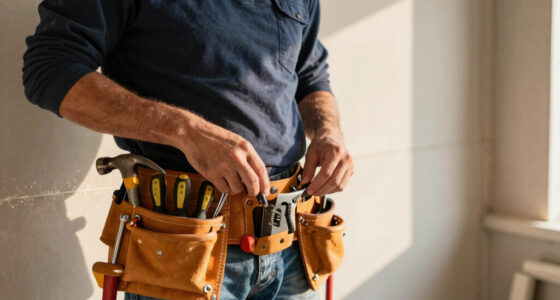
How to Break In a New Leather Tool Belt
Breaking in a leather tool belt is a controlled process: condition it lightly, wear it consistently, adjust the fit gradually, and avoid shortcuts that weaken the leather. Done right, a stiff belt becomes a comfortable, durable part of your workday setup.
Condition gently. Wear daily. Let the leather mold over time.
A new leather belt can feel rigid at first, but regular care and patient use help it soften without sacrificing strength.
days of regular wear
soaking can warp leather
Depends on leather thickness, conditioning, and use.
Movement and body shape do the real fitting work.
Moderate conditioning prevents greasy, weak leather.
Soft, quiet, comfortable, and no longer pinching.
Comfort, safety, and lifespan all improve when leather breaks in correctly.
Leather starts stiff because its fibers are tight and dry. Gradual conditioning and wear soften those fibers while preserving the belt’s structure.
Less chafing
A molded belt follows your waist instead of fighting it, reducing pinching during long shifts.
Fewer cracks
Conditioned leather stays flexible, which helps prevent sudden splits, dry edges, and stress tears.
Better control
A properly fitted belt keeps tools stable, reducing constant adjustments and awkward movement.
The fastest safe route is simple and repeatable.
Skip harsh tricks. The leather needs moisture, movement, and stable storage conditions.
Apply leather conditioner
Use a clean cloth and focus on stiff edges, straps, and pouch corners. Use work-gear conditioner, not shoe polish.
Use it daily
Wear the belt during work or around the house so pressure and movement help it mold naturally.
Keep it cool and dry
Store away from direct sun, heaters, and damp spaces so the leather can relax without drying or warping.
What moves the process forward?
Consistent wear does the most shaping. Conditioner accelerates softening. Fit adjustments reduce fatigue once the belt starts conforming to your body.
Ideal softness zone
Pick the treatment based on how much softening and protection you need.
Moderation matters. Over-conditioning can make leather sticky, overly soft, or unable to hold its shape.
| Product Type | Softening Speed | Protection | Best Use | Watchout |
|---|---|---|---|---|
| Leather Oil | ✓ Fast | ~ Moderate | Very stiff belts needing deeper penetration | Can darken leather unevenly if overused |
| Leather Cream | ~ Medium | ✓ Good | Routine care and controlled softening | May need more frequent reapplication |
| Beeswax Conditioner | ~ Slower | ✓ Strong | Outdoor work and water resistance | Can stiffen if applied too heavily |
| Water Soak | ✗ Unsafe | ✗ Poor | Not recommended | Weakens fibers, warps shape, and may crack |
Fast fixes can permanently damage the belt.
Leather needs gradual softening. The goal is flexibility with strength, not a limp or warped tool carrier.
Do
- Apply thin coats of leather conditioner and let each coat absorb.
- Wear it regularly so it shapes to your waist and movement pattern.
- Adjust pouches slowly to balance tool weight and reduce strain.
- Store it properly in a cool, dry place away from direct heat.
Do Not
- Do not soak it in water to force softness.
- Do not heat it with a dryer, heater, or direct sun.
- Do not over-oil it until the leather feels greasy or sticky.
- Do not ignore fit if pouches pull unevenly or straps pinch.
Every good break-in follows the same logic.
Small care actions compound into a belt that feels custom without losing durability.
Quick answers for common break-in questions.
How long does it take?
Usually a few days to a couple of weeks of regular wear, depending on leather thickness, workload, and conditioning.
Can I speed it up?
Yes. Use a high-quality leather conditioner and wear the belt consistently, but avoid soaking, harsh chemicals, and heavy oiling.
How do I prevent cracking?
Condition periodically, avoid excess moisture, keep the belt away from direct heat, and store it in a dry place.
How do I know it is ready?
The belt should feel soft, flexible, and comfortable around your waist without squeaking, pinching, or stiff creasing.
Why Breaking in a Leather Tool Belt Matters
Leather is a natural, durable material, but it starts out stiff and unyielding. Breaking it in makes it softer, more comfortable, and less likely to crack or tear over time. Think of it like breaking in a new pair of boots — the more you wear them, the better they fit.
For example, a tradesperson who wears their belt every day for two weeks will notice it molds to their waist, eliminating pinching and chafing. Properly breaking in the belt also prevents sudden rips or cracks that can happen if leather is left too stiff and untreated.
Understanding why this process matters helps you appreciate the importance of patience. A stiff belt may seem durable at first, but it can cause discomfort, restrict movement, and accelerate wear and tear. Conversely, a well-broken-in belt adapts to your body, providing better support and reducing fatigue. The tradeoff is time: rushing the process can damage the leather, so gradual conditioning and wear are key to achieving the right balance of flexibility and strength.
As an affiliate, we earn on qualifying purchases.
How to Speed Up the Break-In Process in 3 Simple Steps
- Apply a high-quality leather conditioner. Use a product designed for work gear — not shoe polish. Rub it into the leather with a clean cloth, focusing on stiff areas like the belt’s edges and pouches. This step is crucial because it softens the fibers, making the leather more pliable and less prone to cracking. Regular conditioning not only speeds up the break-in but also extends the belt’s lifespan by preventing drying and cracking over time.
- Wear the belt daily during work or around the house. The weight and movement help mold the leather to your body. The friction and pressure from daily use gradually loosen the fibers, leading to increased comfort and flexibility. Committing to consistent wear for at least a week or more ensures the leather adapts without rushing or damaging it. This process balances the leather’s natural resilience with your body’s contours, resulting in a more personalized fit that reduces discomfort and fatigue during long shifts.
- Store it properly. Keep the belt in a cool, dry place away from direct sunlight or heat sources. Proper storage prevents the leather from drying out or warping, which can hinder the break-in process and cause premature damage. Think of it as giving the leather a healthy environment to relax and conform gradually. Avoiding extreme conditions ensures the leather maintains its integrity while becoming more supple over time. This step might seem minor, but it significantly impacts how well and how quickly the belt molds to your body.
As an affiliate, we earn on qualifying purchases.
What Not to Do When Breaking in Your Leather Belt
Resist the temptation to soak your leather in water or use harsh chemicals. Water weakens leather fibers, leading to cracks and warping, which can compromise the belt’s strength and durability. Similarly, quick fixes like heating or over-oiling can make the leather too soft or sticky, reducing its ability to hold shape and increasing the risk of damage. Over-oiling can also clog the pores, preventing proper breathability and causing the leather to become greasy or sticky, which attracts dirt and debris.
For example, a worker once soaked their belt overnight, thinking it would soften faster. Unfortunately, the excess water caused the leather to warp and crack as it dried unevenly. This damage required replacement, illustrating how damaging shortcuts can be. Instead, patience combined with gentle conditioning allows the leather to adapt gradually, maintaining its strength and flexibility. Overcoming the urge for quick fixes ensures your belt remains durable and reliable in the long run.
As an affiliate, we earn on qualifying purchases.
Comparison Table: Leather Conditioner Options
| Product Type | Benefits | Drawbacks |
|---|---|---|
| Leather Oil | Deeply penetrates, softens quickly, restores suppleness | Can darken leather unevenly if overused |
| Leather Cream | Moisturizes and maintains flexibility, easy to apply | Less penetrating, may need frequent reapplication |
| Beeswax-Based Conditioners | Creates a protective barrier, waterproofs | Can stiffen if applied excessively |
As an affiliate, we earn on qualifying purchases.
How to Adjust and Customize Your Leather Belt for a Perfect Fit
Many modern leather tool belts have adjustable straps or removable pouches, making it easier to mold the belt to your body. Start by loosening all straps, then wear the belt to see where it feels tight or loose.
For example, if your belt rides too high or low, adjust the buckle or strap length. Adding or removing pouches can shift weight distribution, reducing fatigue. Take your time; a well-fitted belt feels like an extension of your body, not a hindrance.
Remember, a properly fitted belt not only increases comfort but also enhances safety by keeping tools secure and reducing the risk of accidents caused by loose gear. Adjustments should be made gradually, testing comfort and support after each change to find the optimal fit that balances ease of movement with stability.
Signs Your Leather Belt is Fully Broken In
Once the belt feels soft, flexible, and molds comfortably around your waist without pinching or creasing, it’s ready. It should also look less stiff, with fewer cracks or creases in the leather. The leather’s surface will appear more supple and less shiny, indicating it has absorbed conditioners and natural oils, which contribute to its flexibility.
For instance, after two weeks of daily wear, a worker notices their belt no longer squeaks or feels rigid. It now bends easily and feels like a second skin during long shifts. Recognizing these signs ensures you don’t prematurely stop breaking in, which could result in discomfort or reduced durability. Patience in this process pays off by delivering a belt that is both comfortable and long-lasting, capable of withstanding the rigors of daily work.
Frequently Asked Questions
How long does it take to break in a new leather tool belt?
Typically, it takes from a few days to a couple of weeks of regular wear to fully soften a new leather belt. Factors like conditioning and daily use speed up the process.
Can I speed up the break-in process?
Yes. Applying a high-quality leather conditioner and wearing the belt every day accelerates softening. Just avoid overdoing it — moderation is key.
Should I soak my leather belt to break it in faster?
No. Soaking can weaken and damage the leather, causing cracks or warping. Stick with conditioning and consistent wear for best results.
How do I prevent my leather belt from cracking after breaking in?
Regularly condition the leather, store it in a cool, dry place, and avoid exposing it to excessive sunlight or moisture. This keeps it flexible and durable.
How do I know when my belt is fully broken in?
It feels soft, flexible, and molds comfortably around your waist without pinching or stiffness. It should also look less stiff and more natural.
Conclusion
Breaking in a leather tool belt isn’t magic — it’s patience plus smart care. Treat it right, wear it often, and it’ll become your most comfortable, durable work partner. Remember: a good belt that fits well can make every job easier and safer. So, start conditioning today, and enjoy a belt that feels like it was made just for you.Fall yard work Picks
leaf blowers
As an affiliate, we earn on qualifying purchases.