TL;DR

Get business pricing on tools and workshop supplies
- Business-only prices and quantity discounts
- Tax-exempt purchasing
- Multiple users, one account, clear invoices
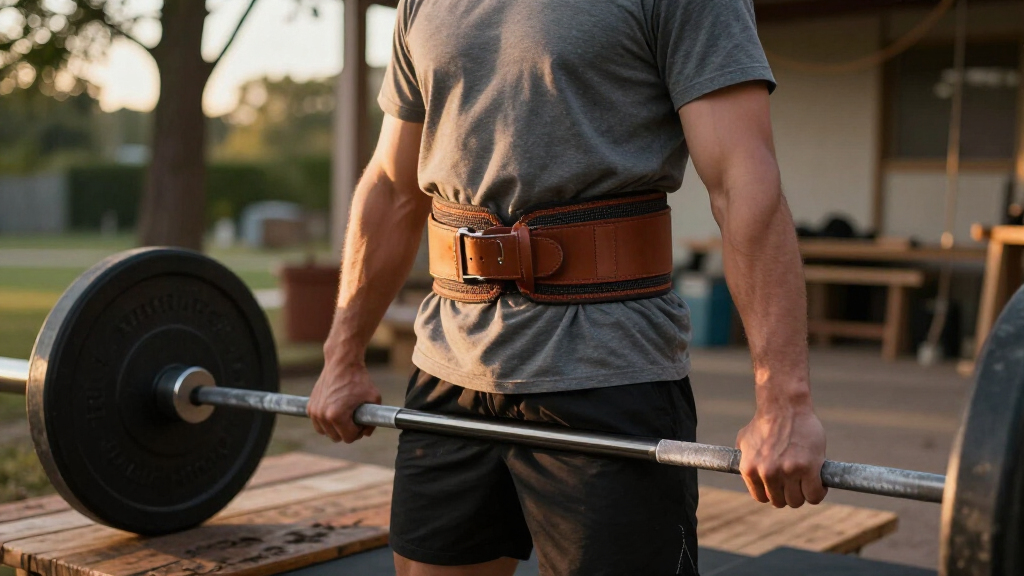
A lifting belt is a broad category, while a deadlift belt is a specific design optimized for deadlifting comfort and support. The right choice depends on your body, style, and needs.
Ever wonder if your belt is doing its job? Or if you should switch from your powerlifting belt to a more specialized one for deadlifting? The truth is, the difference isn’t just about size or material. It’s about how the belt interacts with your body and lifts.
Choosing the right belt can boost your confidence, improve your form, and even help you lift more. But getting the fit and style right takes a bit of understanding. Let’s crack the code on lifting versus deadlift belts — what they do, how they differ, and which one might be right for you.
A deadlift belt is often tapered or softer, designed for comfort and ease in the hip-hinge position, unlike the uniform, stiff powerlifting belt.
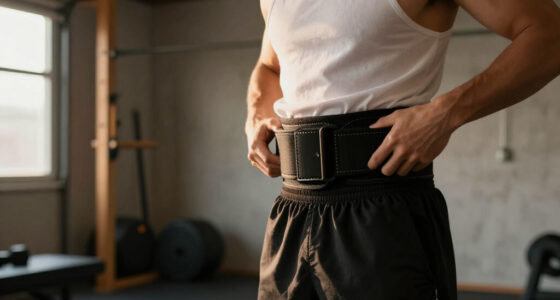
Proper belt fit and tension are key: sit snugly without restricting breathing or movement, and position it correctly around the waist.
Belts support intra-abdominal pressure but do not replace good technique or core strength — they’re tools, not crutches.
Choosing the right belt depends on your body type, deadlift style, and comfort needs, not just belt width or material.
Don’t believe all the myths — a belt won’t fix poor form, prevent injuries, or automatically make you lift heavier.
Lifting Belt vs Deadlift Belt
A lifting belt is the broad category. A deadlift belt is a design—or simply a belt choice—optimized for comfort and support in the hip hinge. The right option depends on your anatomy, lifting style, bracing skill, and tolerance for rigidity.
Category versus specialization
Every deadlift belt is a lifting belt, but not every lifting belt is comfortable or practical for deadlifting.
The belt supports your brace
It provides a firm surface for circumferential abdominal expansion and greater intra-abdominal pressure.
Comfort is performance data
If the belt pinches, blocks your setup, or limits breathing, its theoretical rigidity is not helping you.
One is a category. The other is a fit strategy.
There is no universally defined product category called a “deadlift belt.” Retailers usually apply the label to belts that are less bulky, more flexible, tapered, or contoured for the compressed torso position at the start of a deadlift.
General or powerlifting belt
A belt intended to improve trunk bracing across resistance exercises, often using a uniform width and rigid construction.
- Predictable support: the same surface surrounds the torso.
- High rigidity: useful for maximal squats and deadlifts.
- Potential tradeoff: may pinch the ribs, abdomen, or hips.
Tapered or flexible belt
A lifting belt selected or shaped to reduce interference while reaching the bar and bracing in a deep hip hinge.
- Lower front profile: creates more space between torso and thighs.
- Greater mobility: often easier to breathe into at the start.
- Potential tradeoff: may offer less rigid bracing feedback.
Rigidity and mobility pull in opposite directions.
Neither design wins every category. The practical goal is enough structure to brace hard without changing your preferred start position.
| Feature | General / powerlifting belt | Deadlift-oriented belt |
|---|---|---|
| Typical shape | ✓Same width around the torso | ✓Often tapered, contoured, or narrower in front |
| Common width | Often up to 4 inches / 10 cm | Often 2.5–4 inches, depending on design |
| Thickness | Commonly 10 mm or 13 mm | Frequently thinner or more flexible |
| Material | Stiff leather or rigid synthetic material | Leather, nylon, fabric, or flexible synthetic |
| Closure | Single-prong, double-prong, or lever | Prong, lever, or quick-release buckle |
| Main advantage | ✓Maximum rigidity and consistent feedback | ✓Comfort and freedom in the start position |
| Main drawback | ~May pinch or restrict the hip hinge | ~May feel less stable under maximal loads |
| Best suited to | Powerlifting and heavy squat/deadlift training | Lifters who find rigid belts restrictive during deadlifts |
It does not hold your spine in place.
A belt gives the abdominal wall a surface to push against. That feedback can increase intra-abdominal pressure, trunk stiffness, perceived stability, and—under some conditions—lifting efficiency or bar speed.
The deadlift exposes every sizing mistake.
At the start position, the torso compresses toward the thighs. A wide, thick belt can dig into the abdomen, restrict breathing, make the bar harder to reach, or push the lifter away from a preferred setup.
What should drive your choice?
Relative importance is shown as a practical selection guide—not as laboratory effect size.
Flexibility-to-rigidity spectrum
Thicker does not automatically mean safer or better. Match the structure to the feedback and mobility you need.
Light, adaptable, and often comfortable for high-rep work.
Easier to break in and comfortable for many lifters.
Heavier and stiffer; favored by some competitive lifters.
Choose by testing the setup—not the label.
Short torsos, large thighs, abdominal mass, sumo stances, and upright start positions can increase rib-to-hip interference. Other lifters feel perfectly comfortable in a rigid four-inch belt.
Set your position
Reach the bar with your normal stance, footwear, and deadlift style.
Build a full brace
Confirm that you can inhale and expand around the entire torso.
Check interference
Look for rib, abdomen, hip, or thigh pinching before loading heavily.
Select the structure
Keep the rigid belt if it fits; go narrower, tapered, or softer if it does not.
Stability is the priority
You lift maximally, prefer strong tactile feedback, use one belt for squats and deadlifts, and experience no setup interference.
The start position feels crowded
You experience pinching, struggle to reach the bar, cannot breathe freely, or lose your preferred torso and hip position.
Tools amplify technique. They do not replace it.
Shape changes comfort
A tapered or softer front can create room in the hip hinge.
Fit controls function
The belt should sit snugly without blocking breath or movement.
Bracing comes first
The belt supports intra-abdominal pressure; it does not create skill.
Anatomy matters
Torso length, thigh size, stance, and start position change the fit.
Ignore magic claims
A belt cannot guarantee injury prevention or repair poor technique.
Practical answers before your next session.
Is a lifting belt different from a deadlift belt?
A lifting belt is the broad category. A deadlift belt is usually a lifting belt designed or selected for deadlifting comfort, often with a tapered, narrower, or softer construction.
What belt is best for deadlifts?
The best belt allows strong circumferential bracing without pinching or restricting your setup. The answer depends on anatomy, stance, technique, and personal preference.
Is 10 mm or 13 mm better?
A 10 mm belt offers a practical balance of support and comfort for most lifters. A 13 mm belt is more rigid, heavier, and potentially more restrictive.
Should a deadlift belt be extremely tight?
No. It should be snug enough to resist your brace while leaving room to inhale and expand the abdomen, sides, and back on every repetition.
Where should the belt sit?
Around or just above the navel is a common starting point. Adjust the height and angle until the belt supports your brace without contacting the ribs or hip crease.
Will a belt prevent injury?
No belt guarantees injury prevention. Technique, appropriate loading, fatigue management, recovery, and sound programming remain more important.
Brace first. Fit second. Lift smart.
Your belt is a performance aid, not a magic fix. Choose the design that lets you create pressure without distorting your deadlift setup. If a rigid powerlifting belt feels natural, keep it. If it pinches or blocks movement, a narrower, tapered, or flexible belt may be the better tool.
What’s the real difference between a lifting belt and a deadlift belt?
The main difference lies in their design and how they fit your body during the lift. A lifting belt is a broad term for any belt used to support your core during resistance training. A deadlift belt is a specific type designed for the unique demands of deadlifting.
Think of it like a shoe: a running shoe is versatile, but a climbing shoe is shaped to fit the foot for a specific grip. Deadlift belts often have a tapered or contoured shape, making them more comfortable in the deep hip hinge position. Powerlifting belts, on the other hand, tend to be uniform and stiff, providing maximum support for squat and deadlift alike.
The design choices between these belts influence not only comfort but also performance. A tapered or contoured deadlift belt allows for greater mobility and less restriction in the hip hinge, which can lead to improved technique and reduced fatigue during deadlifts. Conversely, a stiff, uniform powerlifting belt offers a more rigid support system that can be advantageous for maximal strength in squat and deadlift, but may limit the natural movement and feel less comfortable for some lifters. These tradeoffs mean that selecting the right belt involves balancing support with mobility, depending on your specific priorities and body mechanics.
As an affiliate, we earn on qualifying purchases.
How do the shapes and materials affect your deadlift comfort?
Shape and material are game changers, especially for deadlifts. A deadlift-oriented belt often tapers at the front, making it less bulky around the hips and ribs. This shape helps when you’re in that classic hip-hinge position, reaching for the bar without pinching or restricting movement.
Material matters too. Thinner, more flexible belts made of nylon or synthetic materials can feel like an extension of your body. Leather belts are durable and stiff, but sometimes too rigid for a comfortable deadlift start, especially if you have a short torso or large thighs.
Choosing the right shape and material involves understanding how they impact your range of motion and comfort. For example, a tapered belt made of a flexible synthetic material can allow smoother hip hinge movements and help maintain proper posture, reducing fatigue and discomfort during high-rep deadlifts. However, this flexibility might come at the expense of some support, so it’s important to consider your lifting style and body shape. Conversely, a stiff leather belt provides robust support but can restrict movement if not fitted properly, potentially leading to discomfort or compromised technique. The tradeoff here is support versus mobility, and the best choice depends on your specific needs and preferences for deadlift performance and comfort.
As an affiliate, we earn on qualifying purchases.
Which belt helps you brace better: powerlifting or deadlift-specific?
A belt’s job is to give your abs a firm surface to push against, creating intra-abdominal pressure. Both types do this, but their design influences how well you can brace. Powerlifting belts, with their uniform width and stiff leather, provide a stable, predictable surface, making them ideal for maximal lifts.
Deadlift-specific belts, often tapered or softer, might feel more natural in the hip hinge. They allow you to breathe and brace more freely at the start, especially for short-torso lifters or those with large hips.
Understanding how each belt influences bracing is crucial. A powerlifting belt’s uniform support helps stabilize the entire core, which is beneficial when lifting maximal loads where stability is paramount. Meanwhile, a deadlift-specific belt’s contouring can facilitate more natural breathing and core activation during the hip hinge, which is essential for maintaining proper form and preventing injury. The tradeoff is that a less rigid, tapered belt might offer slightly less overall support but can enable better core engagement during dynamic movements. Choosing the right belt depends on your lift style, body mechanics, and whether your priority is maximal stability or ease of bracing in the movement’s natural position.
As an affiliate, we earn on qualifying purchases.
Frequently Asked Questions
Is a lifting belt different from a deadlift belt?
A lifting belt is a broad term for any belt used to support your core during resistance training. A deadlift belt is a specific type designed for deadlifting comfort, often tapered or softer for better fit and ease in the hip hinge position.What belt is best for deadlifts?
The ideal deadlift belt allows strong circumferential bracing without pinching or restricting movement. It depends on your body shape and preference, with options ranging from tapered leather belts to flexible nylon designs.Is a 10 mm or 13 mm belt better?
A 10 mm belt offers a good balance of support and comfort for most lifters, and breaks in faster. A 13 mm belt provides more rigidity but can feel bulky and less comfortable for some. Choose based on your support needs and comfort.Should I wear a belt tighter for deadlifts?
Yes, but not too tight. The belt should be snug enough to support your brace but still allow you to breathe into your belly and expand on each rep. Adjust the tightness based on your comfort and lift style.Where should a deadlift belt sit?
Typically around or just above the navel. The best position supports your core without pinching or interfering with your setup. Experiment with placement to find what feels most natural and supportive for you.best support belts for deadlifting
As an affiliate, we earn on qualifying purchases.
As an affiliate, we earn on qualifying purchases.
Conclusion
Your belt is a performance aid, not a magic fix. The best choice balances support with comfort, tailored to your body and lifting style. Focus on mastering your brace first — then pick a belt that complements your technique.
Remember, the right belt can boost confidence and performance, but it’s your form and effort that truly matter. So, get fitted, brace tight, and lift smart — your gains will thank you for it.
Halloween Picks
halloween
As an affiliate, we earn on qualifying purchases.