TL;DR

Get business pricing on tools and workshop supplies
- Business-only prices and quantity discounts
- Tax-exempt purchasing
- Multiple users, one account, clear invoices
A heavy-duty work belt supports tools and equipment, but “heavy-duty” is a marketing description, not a universal performance standard. Choose by fit, construction, load limits, pouch compatibility, and the way you move on the job; remove unused tools and use suspenders when they make a heavy setup more comfortable. A work belt is not fall-protection equipment.
A belt can feel fine in the shop and turn into a sore, slipping nuisance by lunch. That difference often comes down to fit, tool placement, and how the load moves with you—not the words heavy-duty printed on the label.
A heavy-duty work belt is built to support tools and equipment through a workday. It might be a sturdy belt worn on its own, the base of a pouch-filled tool-belt system, or part of a setup worn with suspenders. The right choice depends on your trade, the tools you actually carry, and whether you spend more time standing, kneeling, climbing, or squeezing into tight spaces.
This guide walks you through fit, materials, load support, pouch layout, compatibility, and care, with practical checks you can make before you buy. You’ll also see why a bigger setup is not automatically better—and why a tool belt should never stand in for certified fall-protection gear.
Measure over your usual work clothes and test the belt while bending, kneeling, and reaching.
Treat “heavy-duty” as a marketing label; compare construction, stated load limits, warranty terms, and intended use.
Choose leather or synthetic materials by job conditions, preferred structure, cleaning needs, and pouch compatibility.
Carry the tools you need for the task, balance the load, and use modular pouches when your work changes.
Check compatibility and manufacturer limits across the full setup; never use a tool belt as fall-protection equipment.
What a Heavy-Duty Work Belt Does—and What the Label Doesn’t Promise
A heavy-duty work belt supports tools and equipment through a workday, either by itself or as the foundation for pouches and other carry gear. The label does not promise one standard load rating, material, or construction quality. A carpenter’s pouch system and a tough everyday belt may both carry that description while serving different jobs.
Start by separating the belt from the full tool-belt system. The belt holds the load against your body; pouches, clips, fasteners, and suspenders add storage or shift how the load sits. Some systems are sold as a complete kit, while others let you buy the belt and pouches separately. That flexibility helps you build around your trade, but it also makes checking compatibility your responsibility.
For example, a finish carpenter doing trim may want a compact setup for a tape, pencil, fasteners, and a few hand tools. A framing crew member may need larger pouches and a different balance. Carrying every tool you own is rarely useful: extra weight pulls at the belt, crowds the pockets, and can make bending feel like wrestling a loaded shopping bag.
Compare what the maker says the product is for, its stated load limits, construction details, and warranty terms. “Heavy-duty” is a marketing description, not a universal performance standard. The useful question is not whether the belt sounds tough; it is whether its design and attachments suit your real workday.
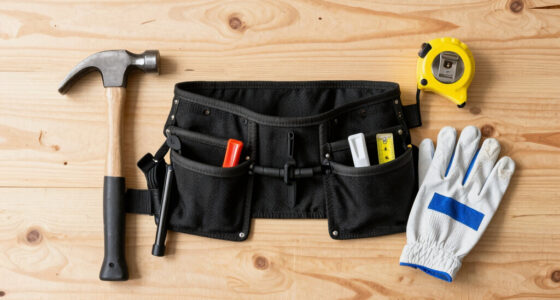
heavy-duty work belt with tool pouches
As an affiliate, we earn on qualifying purchases.
As an affiliate, we earn on qualifying purchases.
Check These Fit Details Before You Buy
A properly fitted work belt sits securely where you intend to wear it, holds pouches without slipping, and does not pinch when you bend or sit. Measure according to the manufacturer’s instructions and over the clothing you expect to wear on the job. A waist measurement taken in a T-shirt can mislead you if you’ll wear the belt over a jacket or protective clothing.
Fit involves more than the size on the tag. Check the belt’s adjustment range, buckle style, width, and how it sits with your other gear. A wide, stiff belt may hold loaded pouches steadily, while a narrow one may suit a lighter everyday carry. But a belt that feels supportive standing at a counter may press into your ribs the moment you crouch to set baseboard.
Use this quick fitting process before committing to a setup:
- Measure over work clothing using the maker’s size-chart instructions.
- Set the belt at its working position, not automatically at your trouser waistband.
- Attach the pouches you plan to use and add the tools you carry on a normal day.
- Move through your common positions: bend, kneel, reach, and sit. Check for pinching, slipping, or tools digging into you.
- Recheck with other gear on, such as a jacket, harness, or suspenders, if your job requires it.
Imagine trying a belt in a store over light clothes, then arriving at a cold site wearing a thick sweatshirt. The buckle may no longer sit comfortably, and the pouches may ride in a different place. Test the belt in your actual clothing and working posture; a comfortable, secure fit matters more than a neat-looking size label.
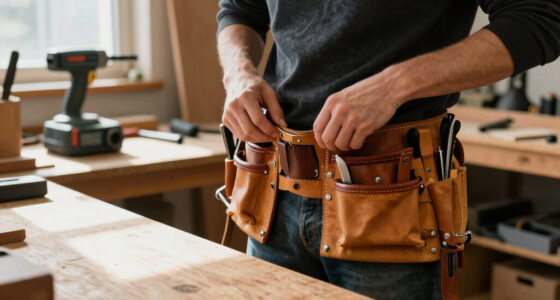
adjustable leather work belt for construction
As an affiliate, we earn on qualifying purchases.
As an affiliate, we earn on qualifying purchases.
Compare Leather and Synthetic Belts for Your Work
Leather and synthetic work belts suit different needs; neither is the best choice for every trade. Leather is often chosen for its structure and durability, while nylon and reinforced synthetic materials can be lighter and easier to clean. The right material depends on weather exposure, required stiffness, care habits, and how your pouches attach.
A leather belt can hold its shape under a familiar tool load, which may appeal if you want a firm base for regularly used pouches. A synthetic belt may suit work where a lighter setup or easier cleanup matters. Construction details count with either material: inspect the stitching, rivets, buckle, and finished edges. A strong-looking belt can still disappoint if its attachment points wear out first.
| What to compare | Leather | Nylon or reinforced synthetic |
|---|---|---|
| Feel and structure | Often firm and supportive for pouch setups | Can be lighter; stiffness varies by design |
| Cleaning | Follow the maker’s leather-care guidance | May be easier to wipe or wash, depending on product |
| Buying checks | Inspect finish, stitching, buckle, and rivets | Check webbing, seams, hardware, and attachment strength |
| Best fit depends on | Load, preferred feel, and maintenance | Load, weather, cleanup, and pouch compatibility |
For instance, a carpenter who keeps the same pouch arrangement from site to site may value a firm belt that preserves its shape. A maintenance worker who moves between indoor repairs and messy outdoor calls may prefer a lighter synthetic option, if its attachments fit the tools and load. Compare the actual build and care instructions, not a broad claim that one material always lasts longer.
heavy-duty synthetic work belt load capacity
As an affiliate, we earn on qualifying purchases.
As an affiliate, we earn on qualifying purchases.
Carry Less Weight and Keep the Tools You Need Close
Good tool-belt organization keeps your most-used tools reachable, distributes weight across your body, and leaves out gear you do not need for the task. A belt that can hold more is not automatically a better belt. Extra tools add weight and bulk, which can make climbing, kneeling, and working in a narrow space harder.
Lay out the tools for one typical job before you load the pouches. Put the tools you reach for repeatedly where your hands find them without hunting. Arrange the remaining items so one side does not drag the belt down or bump your leg. A right-handed worker may prefer a different pouch arrangement from a left-handed worker; the point is to make the setup work with your natural reach, not copy someone else’s layout.
Picture a finish carpenter fitting door casing. A tape, pencil, fasteners, and a small selection of hand tools may be in constant rotation. Carrying a heavy wrench or extra fasteners “just in case” can crowd the pouch and thump against the jamb with every step. Match the load to the day’s task, then adjust when the work changes.
- Keep frequent-use tools accessible and return them to the same place.
- Balance heavy items so one hip does not carry all the strain.
- Use removable or modular pouches when your job changes between tasks.
- Leave out tools you will not use; capacity is not a target to fill.
Some makers now offer modular pouches, adjustable sizing, lighter synthetics, trade-specific layouts, and lower-impact material options. Product features change, so verify current specifications with the manufacturer. Useful organization reduces wasted reaching while keeping your movement free.
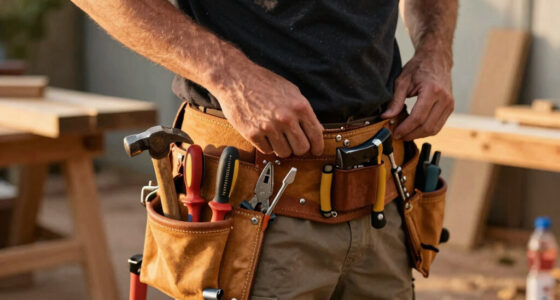
modular tool belt system for carpenters
As an affiliate, we earn on qualifying purchases.
As an affiliate, we earn on qualifying purchases.
Know When Suspenders Help—and Check Every Load Limit
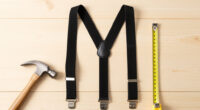
Suspenders can help distribute a heavy tool-belt load between your hips and shoulders, but they add bulk and may interfere with other gear. They are worth trying when a loaded belt presses hard on your hips or sags during a long shift. They are not a fix for an overloaded setup or a poor fit.
There is no single safe capacity for every work belt. A belt’s limit may not describe the capacity of its pouches, fasteners, or suspenders, so check the maker’s specifications for the components you plan to combine. Compatibility matters, too: attachment systems and belt widths vary, and a pouch that clips onto one belt may not secure properly on another.
For example, a service technician might add suspenders to carry a heavier set of repair tools during a full day of callouts. Before using that arrangement, they should confirm that the suspenders attach to the belt as intended and that the whole configuration suits the load. They should also check whether shoulder straps interfere with a jacket, harness, or other required work gear.
A tool belt is not fall-protection equipment. Use a purpose-built, appropriately certified fall-protection system when the job requires it, and follow the equipment instructions and workplace safety rules.
If you work at height or around a fall hazard, do not treat a sturdy buckle or a belt worn with suspenders as protection. Select certified equipment for that task and follow applicable safety requirements. Comfort, load support, and fall protection are separate questions; answer each with the right equipment.
Keep Your Belt Reliable With Simple Inspections and Care
Routine inspection and material-specific care help you catch wear before a belt or attachment fails on the job. Check the buckle, stitching, rivets, edges, pouch clips, and any suspension attachment points. Follow the manufacturer’s cleaning and maintenance instructions rather than assuming one method suits every leather or synthetic belt.
Make the check part of your normal pack-up. If a pouch clip has loosened, stitching has started to pull, or the buckle no longer holds securely, address it before loading the belt for another shift. Look for frayed webbing or cracked and distorted hardware on synthetic setups; with leather, follow the maker’s guidance for cleaning and conditioning. Dirt and grit can hide wear, so a quick wipe can make inspection easier.
Consider a worker who drops a loaded pouch onto a concrete floor at the end of each day. The belt may still look fine from a few feet away, while a rivet or seam has begun to loosen. A close check takes little time and can prevent a small problem from turning into tools scattered across a finished floor.
When a setup uses multiple components, inspect the connections as well as the belt itself. Confirm that every pouch remains secure and that any suspenders or accessories match the system. Care protects the value of the full setup, not just the belt. Store it as the maker recommends, and replace damaged components rather than relying on a quick repair that was never approved for the load.
Frequently Asked Questions
What is the difference between a heavy-duty work belt and a tool belt?
A work belt can mean a sturdy belt worn on its own or the base of a tool-carrying setup. A tool belt usually means a belt or system fitted with pouches. Check whether a product includes pouches or sells only the belt.
How do I choose the right work belt size?
Follow the manufacturer’s measuring instructions and size chart, and measure over the clothing you expect to wear at work. Then test the belt at its working position with your pouches attached. A fit that works over a T-shirt may not work over a sweatshirt or jacket.
Are leather or nylon work belts better?
Neither material is best for every job. Leather is often chosen for structure, while nylon and other synthetics can be lighter and easier to clean. Compare stiffness, weather exposure, care instructions, construction, and pouch compatibility for your setup.
How much weight can a heavy-duty work belt carry?
There is no single safe capacity for every belt. Check the manufacturer’s stated limits for the belt and all attached pouches, fasteners, and suspenders. Do not assume that a strong-looking belt makes an unrated accessory safe for a heavy load.
Can I use any pouch with any work belt?
No. Belt width, attachment style, and hardware vary, so a pouch that fits one system may not attach securely to another. Confirm compatibility with the product maker before buying or combining components.
Can I use a work belt for fall protection?
No. A tool belt is not automatically fall-protection equipment, even if it is sturdy or worn with suspenders. Use a purpose-built, appropriately certified fall-protection system and follow its instructions and applicable workplace safety requirements.
Conclusion
Choose a heavy-duty work belt by how it fits, what it can support, and how it moves with you—not by how many tools it can swallow. Measure over your work clothes, check the full system’s limits, and load only what the task calls for.
A good belt should feel like part of your kit, not a stubborn toolbox swinging at your hip. Set it up for the work in front of you, then inspect it before the next shift.
Columbus Day / Indigenous Peoples' Day Picks
long weekend sales
As an affiliate, we earn on qualifying purchases.