
TL;DR

Get business pricing on tools and workshop supplies
- Business-only prices and quantity discounts
- Tax-exempt purchasing
- Multiple users, one account, clear invoices
Washington, D.C. has achieved a key milestone in its smart composting program, with the city’s bins collecting a record volume of organic waste. This development underscores growing interest in sustainable waste management in urban areas.
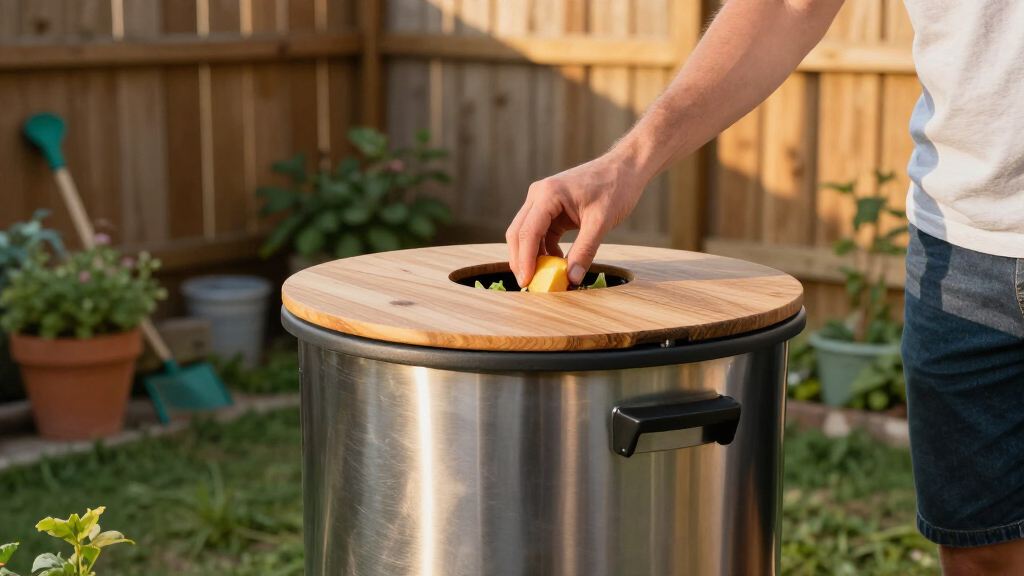
Washington, D.C., has announced that its network of smart composting bins has achieved a significant collection milestone, collecting over 500 tons of organic waste since deployment. This milestone reflects the city’s ongoing efforts to expand sustainable waste management practices and reduce landfill contributions, making it a notable development in urban environmental initiatives.
The composting program, launched in late 2022, involves the installation of smart bins equipped with sensors that monitor waste levels and optimize collection routes. According to city officials, these bins have now collectively processed more than 500 tons of organic waste, surpassing initial targets set for the first year of operation. The program aims to divert food scraps, yard waste, and other compostable materials from landfills, thereby reducing greenhouse gas emissions and promoting circular waste practices.
Officials from the Department of Public Works confirmed that the milestone was reached in early April 2024, with data showing a steady increase in participation among residents and businesses. The smart bins are part of the city’s broader sustainability goals, which include increasing composting rates and decreasing reliance on traditional waste disposal methods. The city has invested approximately $2 million into the pilot, which includes digital monitoring and community engagement components.
Impact of the Composting Milestone on Urban Sustainability
This milestone demonstrates the feasibility and growing acceptance of smart waste management technologies in dense urban environments. It highlights how integrating sensor-equipped bins can enhance collection efficiency, promote community participation, and significantly reduce organic waste sent to landfills. The success of Washington, D.C.’s program could serve as a model for other cities seeking to improve their environmental footprint and meet climate commitments through innovative waste solutions.
Furthermore, the initiative aligns with national and global efforts to reduce methane emissions from landfills, which are a major contributor to climate change. The collected organic waste, if properly processed, can be converted into compost or biogas, adding value to what was previously considered waste. The milestone signals a positive step toward more sustainable urban waste practices and could influence future policy and funding decisions related to smart city infrastructure.
As an affiliate, we earn on qualifying purchases.
Background and Progress of Washington, D.C.’s Composting Efforts
Washington, D.C., has been progressively expanding its waste diversion programs over the past decade, with composting initiatives gaining momentum as part of its climate action plan. The city’s focus on smart technology integration began in 2022, aiming to address challenges associated with traditional composting methods, such as contamination and inefficient collection. The deployment of sensor-enabled bins was part of a pilot program designed to improve waste sorting, collection frequency, and resident engagement.
Prior to this milestone, the city reported modest participation rates, but the introduction of digital monitoring and targeted outreach efforts have increased community involvement. The program’s development has been supported by partnerships with local environmental organizations and technology providers. While the city has not disclosed specific future expansion plans, officials have indicated ongoing commitment to scaling the initiative based on current success.
As an affiliate, we earn on qualifying purchases.
Details Remaining Unclear About Program Expansion
It is not yet confirmed how the city plans to expand the program beyond its current scope or whether additional funding will be allocated for scaling. Specific future targets, timeline, or technological upgrades remain undisclosed, and the long-term sustainability of the initiative is still being evaluated.
As an affiliate, we earn on qualifying purchases.
Next Steps for Washington, D.C.’s Composting Initiative
City officials are expected to analyze data from the current milestone to assess program effectiveness and resident engagement. Based on these insights, they may consider expanding the network of smart bins, increasing outreach efforts, or integrating additional waste diversion strategies. Further updates on future plans are anticipated in upcoming city council meetings and sustainability reports.
As an affiliate, we earn on qualifying purchases.
Key Questions
How many smart composting bins are currently in use?
The exact number of bins has not been publicly disclosed, but the program involves several dozen sensor-equipped units across key neighborhoods in Washington, D.C.
What types of waste are collected in these smart bins?
The bins are designed to collect organic waste, including food scraps, yard waste, and other compostable materials, with the goal of diverting these from landfills.
Will the city expand the composting program further?
While officials have indicated ongoing commitment, specific expansion plans or timelines have not yet been announced.
How does the smart technology improve composting efforts?
The sensors monitor waste levels, optimize collection routes, and help ensure contamination is minimized, making the process more efficient and resident-friendly.
What are the environmental benefits of this milestone?
Reducing organic waste sent to landfills decreases methane emissions, and the compost produced can be used locally, supporting sustainability and circular economy goals.
Source: local
Halloween Picks
halloween
As an affiliate, we earn on qualifying purchases.