
TL;DR
Open a free Amazon Business account
Business pricing, bulk buying and tax-exempt orders.
Create a free accountAs an affiliate, we earn on qualifying purchases.
Wall-mounted storage saves space and keeps tools visible, perfect for small shops. Freestanding units handle heavy tools and offer mobility. Most setups blend both for best results.
Wall-Mounted vs Freestanding Tool Storage
Wall systems reclaim the floor and put daily tools in plain sight. Freestanding units carry the heavy load and move with the job. The smartest workshop usually combines both.
Pegboards, French cleats and slatwall turn unused wall area into fast-access storage.
Rolling steel cabinets commonly accommodate total loads of 1,000 pounds or more.
Keep frequent hand tools visible and place heavy, bulky or secure items below.
Typical range varies by board, hook and mounting method.
A modest practical limit; hardware specifications always govern.
Possible with properly rated heavy-duty hardware and installation.
Common total capacity for substantial steel tool chests.
Visibility on the wall. Muscle on the floor.
Choosing storage is less about finding one universal winner and more about matching tool weight, access frequency and workshop constraints.
A dedicated stage for daily tools
Pegboard, slatwall, rail systems and French cleats use vertical space to make tools visible and immediately accessible.
- Clears valuable floor area in compact garages.
- Supports shadow-board and 5S organization habits.
- Works best for hand tools and lighter power tools.
- Requires careful leveling, drilling and structural anchoring.
The workshop’s heavy lifter
Tool chests, shelving and storage workbenches carry bulky equipment without transferring the load into a wall.
- Handles vises, saws, planers, parts and dense tool sets.
- Lockable drawers add security in shared spaces.
- Caster-equipped units bring tools directly to the project.
- Consumes floor space and can hide tools in deep drawers.
Heavy-duty wall mounts can support more than 100 pounds per hook when correctly anchored into studs or masonry. Drywall anchors often top out near 25 pounds, making the structure behind the storage as important as the system itself.
The real differences
Weight capacity is the hard dividing line. After that, available floor space, mobility and permission to drill usually decide the format.
| Decision factor | Wall-mounted storage | Freestanding storage |
|---|---|---|
| Space efficiency | ✓Uses vertical area and preserves floor space for movement and projects. | ✗Occupies a meaningful footprint and may narrow working clearances. |
| Load capacity | ~Depends on panels, fasteners and wall structure; reinforcement is essential for heavy tools. | ✓Handles hundreds or thousands of pounds across a properly rated unit. |
| Visibility | ✓Tools remain visible at a glance, reducing rummaging and forgotten inventory. | ~Drawers protect tools but can make contents easier to overlook. |
| Mobility | ✗Fixed in place, though modular hooks and holders can be rearranged. | ✓Casters enable rapid repositioning; locking wheels provide stability. |
| Installation | ~Requires drilling, stud finding, leveling and correct fastener selection. | ✓Usually needs only assembly and placement, making it renter-friendly. |
| Security | ✗Open storage offers limited theft deterrence unless enclosed in wall cabinets. | ✓Lockable chests and cabinets protect valuable tools in shared environments. |
| Best use | ✓Frequently used hand tools, chargers and lightweight accessories. | ✓Heavy power tools, bulky supplies, mobile work and secured storage. |
Every advantage has a tradeoff
Relative scores illustrate the practical strengths of each format. Actual performance depends on product ratings, installation and workshop layout.
Capability comparison
Higher bars indicate a stronger fit for the stated criterion.
Where each system lands
Use the workshop condition to find the natural storage match.
Plan from the tools outward
A safe, efficient workshop starts with an inventory—not a shopping cart. Sort by weight, frequency and where each tool is used.
Inventory
Group tools by size, weight, value and frequency of use.
Map the space
Mark studs, outlets, doors, work zones and required clearances.
Assign storage
Put daily light tools on the wall and dense equipment on the floor.
Test the workflow
Check reach, visibility, caster locks and safe access before loading fully.
The strongest setup is usually both.
Use wall-mounted storage to keep everyday hand tools visible and reclaim floor area. Use freestanding cabinets for heavy, bulky, mobile or lockable storage. Together they create a workshop that is safer, faster and easier to adapt.
What Exactly Is Wall-Mounted Tool Storage and Why It Works
Wall-mounted storage uses vertical space—think pegboards, French cleats, or slatwall panels—to hold tools and accessories. It’s like giving your tools a dedicated wall stage, ready for quick grabs. For example, a carpenter might hang saws, chisels, and tape measures on a French cleat system, keeping everything within arm’s reach. This setup is perfect for small garages or crowded workshops where floor space is precious.
Wall storage shines when you want to see everything at once. It promotes efficient workflow because you can quickly identify and access tools without rummaging through drawers or cabinets. This visibility reduces clutter, saves time, and encourages better organization habits. However, the effectiveness of wall storage hinges on proper installation—using studs or appropriate anchors to support the weight of tools. Failing to do so can lead to tools falling, potential injuries, or damage to your workspace. Additionally, wall-mounted systems often require planning for accessibility and safety, especially when hanging heavy or sharp tools that could cause injury if not secured properly.
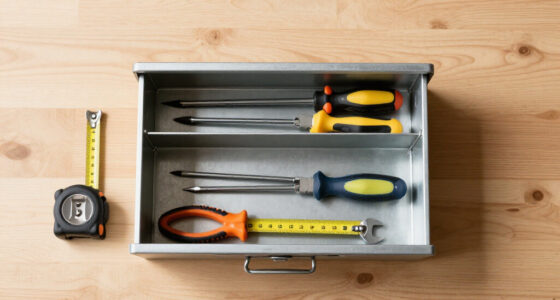
wall-mounted pegboard tool storage
As an affiliate, we earn on qualifying purchases.
As an affiliate, we earn on qualifying purchases.
Why Freestanding Tool Storage Is Your Heavy Lifter
Freestanding units are the workhorses of tool storage—designed to handle the weight and bulk of larger tools and materials. Their strength lies in their sturdy construction, often made from heavy-duty materials like steel or thick wood, enabling them to support hundreds or even thousands of pounds. This capacity is crucial for storing large power tools such as miter saws, planers, or large tool chests that contain multiple heavy items. They eliminate the need to drill into walls, preserving your wall integrity and allowing flexibility in placement.
Mobility is another key advantage. With casters or wheels, you can reposition your tools as your workspace evolves or as projects change. Locking casters provide stability when working, preventing accidental movement. This flexibility can improve workflow efficiency, especially in multi-purpose spaces or rented workshops where permanent modifications aren’t feasible. On the downside, freestanding units occupy significant floor space, which can be a limitation in tight environments. They also require regular maintenance to keep casters functional and may need anchoring or securing if used in areas prone to movement or instability. The tradeoff is between ease of access and space management—think carefully about your workshop’s size and your need for mobility when choosing this option.
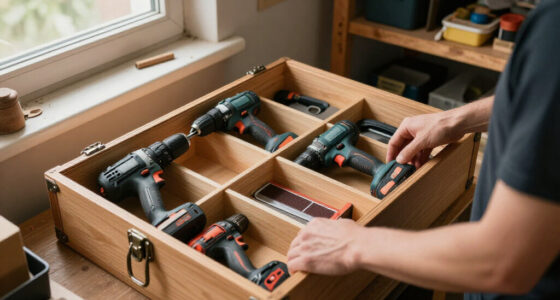
heavy-duty rolling steel tool cabinet
As an affiliate, we earn on qualifying purchases.
As an affiliate, we earn on qualifying purchases.
Side-by-Side: Wall Storage vs Freestanding — The Real Differences
| Feature | Wall-Mounted Storage | Freestanding Storage |
|---|---|---|
| Space Efficiency | Uses vertical space—freeing up valuable floor area, which is especially beneficial in small or crowded workshops. This maximizes your workspace and keeps the floor clear for movement or larger projects. However, it requires careful planning to ensure tools are accessible without cluttering the wall. | Occupies floor space and can be bulky, which may limit movement or workspace in tight environments. While it offers large capacity, it can reduce overall workspace flexibility. Balancing storage needs with available space is key to effective use. |
| Load Capacity | Limited by wall anchoring—typically supports 25-100 lbs per hook or panel section. Proper installation into studs or concrete is essential to safely support heavier tools. The tradeoff is that wall storage is best suited for hand tools or lighter power tools unless reinforced. | Handles hundreds of pounds per unit, making it ideal for heavy power tools, bulky equipment, and large tool collections. This capacity allows for safe, organized storage of heavy gear, reducing clutter and damage risk. |
| Mobility | Fixed or modular options are available, but generally less mobile. Some systems allow for reconfiguration, but they are less flexible than freestanding units. This is suitable if your workspace layout is stable. | High mobility—can be moved easily to different locations or reconfigured as needed. This flexibility is advantageous for workshops that evolve or require different setups for various projects. |
| Installation | Requires drilling, studs, or anchors—more permanent. Proper installation is crucial for safety and durability, especially when supporting heavy tools. It’s a more involved process but results in a tidy, integrated look. | No installation needed—simply set up and reposition. Ideal for renters or temporary setups but may require anchoring or securing to prevent tipping if heavily loaded. |
| Cost | Range from inexpensive pegboards to premium slatwall systems. Cost depends on materials and complexity. While initial investment can be low, high-quality systems are durable and long-lasting. | Varies from budget-friendly portable chests to high-end custom cabinets. Investing in quality units can significantly improve organization and durability, but costs can escalate. |
| Best For | Daily tools, small spaces, quick access to hand tools and light power tools. Ideal for maximizing limited space and promoting efficient workflow. | Heavy tools, bulky equipment, or when mobility and flexibility are priorities. Suitable for large workshops or when tools need to be moved frequently. |
As an affiliate, we earn on qualifying purchases.
Conclusion
In conclusion, both wall-mounted and freestanding tool storage have distinct advantages that cater to different workshop needs. Wall-mounted systems excel in maximizing space and providing quick tool visibility, making them ideal for smaller or cluttered areas. Freestanding units offer the robustness and mobility needed for larger tools and flexible workspace arrangements. The best approach often involves a combination of both, tailored to your specific tools, space, and workflow. Take the time to assess your needs, plan your layout, and invest in quality solutions. This strategic approach will keep your workshop organized, safe, and efficient—helping you focus more on your projects and less on searching for tools. Ready to upgrade your workshop? Start with a plan, choose the right storage, and enjoy a more productive workspace.
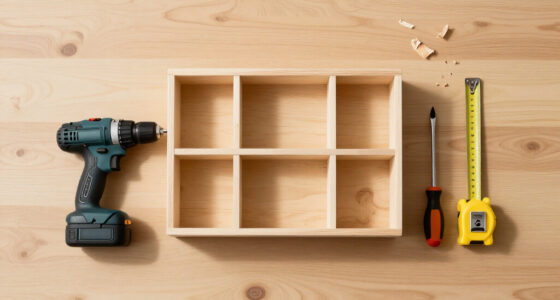
hybrid workshop tool storage solutions
As an affiliate, we earn on qualifying purchases.
As an affiliate, we earn on qualifying purchases.
NFL season / tailgating Picks
team gear
As an affiliate, we earn on qualifying purchases.