
TL;DR

Get business pricing on tools and workshop supplies
- Business-only prices and quantity discounts
- Tax-exempt purchasing
- Multiple users, one account, clear invoices
Single-layer gun belts are lighter and more flexible, ideal for concealed carry and everyday use. Double-layer belts offer greater support and durability, better suited for heavy gear or duty use. The right choice depends on your load, comfort preference, and activity level.
Ever tried to carry a heavy toolbox on a flimsy webbing belt? It’s frustrating. The same goes for gun belts. They’re the backbone of your gear, holding everything in place—from your firearm to magazines and pouches. But which type truly supports your daily routine? That’s what this guide will clarify.
We’ll break down the core differences, real-world advantages, and pitfalls of single-layer versus double-layer gun belts. Whether you’re a concealed carrier, a tactical professional, or a competition shooter, understanding these distinctions saves you money and hassle in the long run.
A single-layer gun belt offers a lighter, more flexible option suitable for concealed carry and light gear.
Double-layer belts provide increased support and durability, ideal for heavy equipment or duty use.
Material quality, stitching, and reinforcement matter more than layer count when evaluating belt strength.
Proper fit and support depend on matching belt width, stiffness, and design to your carry style and body shape.
Advances in belt design include thinner materials, micro-adjustments, and modular features for enhanced comfort and customization.
Single-Layer vs Double-Layer Gun Belts
A gun belt is the load-bearing foundation beneath the firearm, holster, magazines, and pouches. The best construction is not automatically the thickest—it is the one that keeps your specific setup stable without making daily wear unnecessarily rigid or bulky.
One layer favors mobility. Two layers favor stability.
Both can work well. The dividing line is usually total equipment weight, required rigidity, concealment needs, and the quality of the webbing, leather, stitching, stiffener, and buckle.
Single-Layer Belt
One primary thickness of structural material creates a lighter belt that bends more naturally with the body and routes easily through ordinary loops.
- Better suited to everyday concealed carry
- Comfortable during sitting and extended wear
- Less bulk and typically less visible printing
- Ideal for a handgun plus light accessories
- Highly dependent on material and stitch quality
Double-Layer Belt
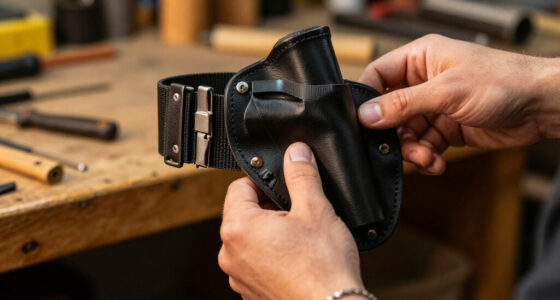
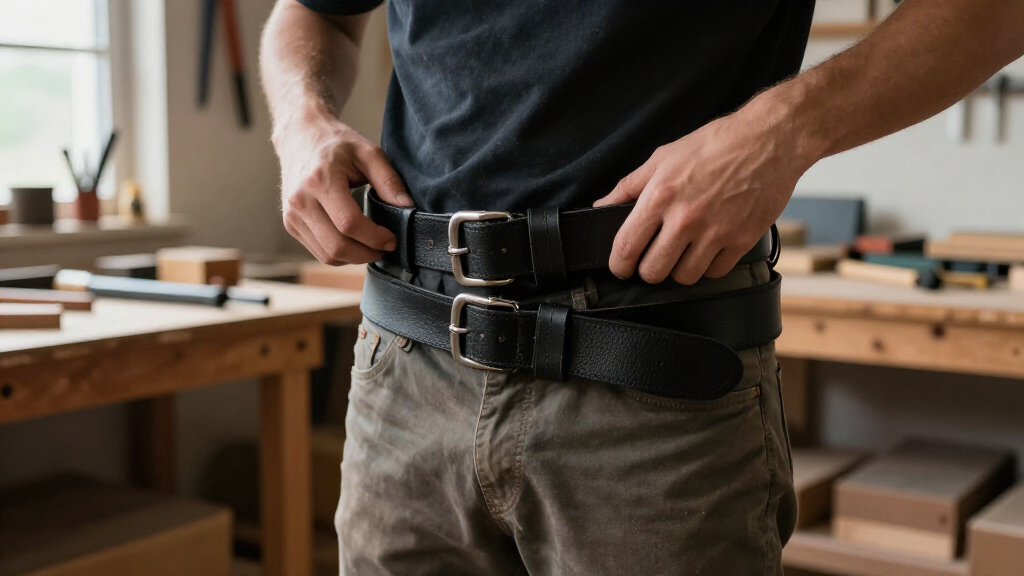
Two bonded, sewn, or laminated layers—sometimes with an internal stiffener—distribute heavier loads and resist sagging, rolling, and deformation.
- Stable base for multiple pouches and equipment
- Keeps holsters upright during movement
- Favored for duty, competition, and training
- More resistant to repeated professional use
- Thicker, heavier, and potentially less comfortable
Support, comfort, and practicality
The highlighted column shows where double-layer construction usually gains an advantage. That advantage can become a drawback when concealment and flexibility matter more.
| Feature | Single-Layer Belt | Double-Layer Belt |
|---|---|---|
| Support | ~ ModerateDependable for light to moderate loads when materials and stitching are strong. | ✓ HighMaintains its shape beneath multiple accessories and heavier equipment. |
| Weight & bulk | ✓ LowerLighter, thinner, and easier to route through narrow trouser loops. | ~ HigherExtra material adds weight, thickness, and buckle-clearance concerns. |
| Comfort | ✓ FlexibleConforms to body contours and is generally friendlier while seated. | ~ FirmSpreads weight well but may press against the hips, abdomen, or back. |
| Concealment | ✓ Low profileCreates less bulk beneath clothing and usually reduces obvious printing. | ~ MixedMore visible thickness, though added stiffness can pull a holster inward. |
| Heavy loads | ~ LimitedCan sag, twist, or allow a large holster to lean as equipment accumulates. | ✓ StrongResists rolling and keeps attached equipment upright during movement. |
| Cost | ✓ Usually lowerSimple construction often makes it more accessible for everyday users. | ~ Usually higherAdditional materials, reinforcement, and labor increase the purchase price. |
Where each construction tends to excel
These bars are a directional comparison—not laboratory load ratings. Actual performance varies with material, width, weave, leather thickness, reinforcement, stitching, buckle design, and wear.
Build the choice from your actual routine
Start with everything attached to the belt, then work toward construction. Choosing by layer count first reverses the decision process.
What matters beyond layer count
Modern designs use thin high-strength materials, targeted stiffeners, modular attachments, and micro-adjustment buckles to deliver support without unnecessary thickness.
Single-layer construction is the lighter, more flexible choice for concealed carry and minimal gear.
Double-layer construction provides greater stability for duty equipment and accessory-heavy setups.
Material quality, reinforcement, and stitching can matter more than the number of layers.
Width, stiffness, buckle size, carry position, and body shape determine practical comfort.
Micro-adjustments and modular features help tune support as clothing and equipment change.
Questions worth asking before you buy
The ideal belt should keep the holster secure and the gear stable while remaining comfortable enough to wear for the full duration of the intended activity.
Is a double-layer belt always stronger?
No. A high-quality single layer can outperform a poorly made double layer. Double-layer construction generally adds stability, but material, reinforcement, and workmanship remain decisive.
Can a single-layer belt handle a heavy setup?
Some can, but performance falls as accessories accumulate. For multiple magazines, communications gear, or other substantial equipment, a reinforced double-layer platform is usually more stable.
Will a double-layer belt conceal better?
Not automatically. Added thickness can increase bulk, while added stiffness may pull the holster closer to the body. Concealment depends on the complete belt-and-holster system.
How stiff should the belt feel?
It should prevent sagging and twisting while still following the waist during normal movement. Persistent pressure points or a rigid-hoop sensation indicate excessive stiffness.
Does handgun size determine the required belt?
Only partly. Total equipment load, holster design, carry position, belt width, body shape, and time spent seated can be just as important as the handgun’s size or weight.
The right belt should disappear into the routine.
A strong setup feels secure without becoming an obstacle. Choose enough structure to control the load, then preserve as much comfort and mobility as the application allows.
Low profile leads
Your priority is everyday concealed carry, minimal accessories, lighter weight, easy belt-loop routing, and comfort during long periods of sitting.
Load control leads
Your priority is duty, training, competition, frequent professional use, multiple accessories, resistance to rolling, and dependable vertical rigidity.
What Exactly Is a Single-Layer Gun Belt?
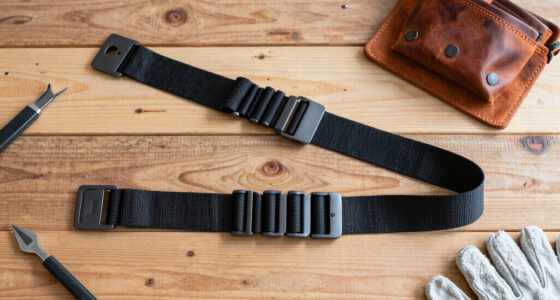
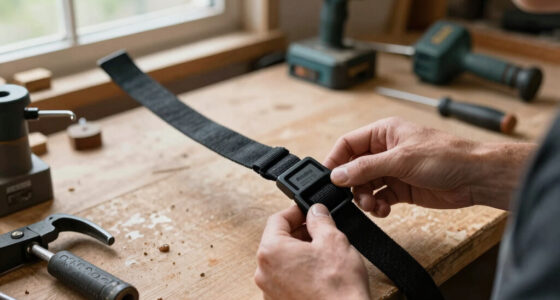
A single-layer gun belt features one primary thickness of webbing, leather, or reinforced material. Think of it as a sturdy strip of material designed specifically to support your gear without added bulk. Many modern belts use high-strength synthetics or thick leather, making them surprisingly capable.
For instance, a popular 1.75-inch nylon belt with reinforced stitching can comfortably support a lightweight pistol, spare magazine, and a small flashlight. It’s like a well-made strap—light, flexible, and easy to wear all day.
Why does this matter? Because a single-layer belt’s simplicity means less weight and bulk, making it less noticeable under clothing. However, this simplicity also means it relies heavily on the quality of materials and construction. A poorly made single-layer belt may sag or twist under pressure, which could compromise your gear’s security or cause discomfort. The key is understanding that while they’re ideal for light loads, their support diminishes as your gear gets heavier, necessitating careful material choice and design.
single layer gun belt for concealed carry
As an affiliate, we earn on qualifying purchases.
As an affiliate, we earn on qualifying purchases.
Double-Layer Gun Belts: Built for Heavy Loads
Double-layer gun belts combine two strips of webbing or leather with reinforcement in between, creating a significantly stiffer and more supportive platform. This construction acts like a steel beam supporting a structure, distributing weight evenly and resisting deformation.
Imagine supporting multiple magazines, a radio, handcuffs, and a firearm—over time, a single-layer belt might bend or sag under this load, which can cause discomfort and reduce stability. A double-layer belt mitigates this by providing a solid, stable base that maintains its shape and support, even under demanding conditions.
Why is this important? Because support and stability directly impact your comfort and the security of your gear. A stiff, double-layer belt minimizes sagging, prevents rolling or twisting, and ensures your gear stays in place during movement. However, this added support comes with tradeoffs: increased weight and bulk, which can lead to discomfort during extended wear or when seated for long periods. Additionally, the thicker profile can make concealment more challenging, especially under tight clothing. Understanding these tradeoffs helps in selecting a belt that balances support with comfort based on your specific needs.
As an affiliate, we earn on qualifying purchases.
Compare Support, Comfort, and Practicality in a Table
| Feature | Single-Layer Belt | Double-Layer Belt |
|---|---|---|
| Support & Rigidity | Moderate; depends on material quality and design. Suitable for light to moderate loads, but support diminishes with heavier gear. Tradeoff: flexibility can lead to sagging under stress, affecting gear stability. | High; maintains shape under heavy loads, providing a firm platform. Ideal for supporting multiple accessories or heavy gear, reducing sag and shifting during movement. |
| Weight & Bulk | Lighter; less bulky, easier to conceal under clothing, and more comfortable for extended wear. Tradeoff: support is limited for heavier loads. | Heavier; more profile and bulk, which can challenge concealment but offers superior support. Best suited for duty or training scenarios where support outweighs concealment concerns. |
| Comfort | More flexible and comfortable, especially during prolonged sitting or movement. Less rigid support means better adaptation to body contours but may sacrifice stability under heavy loads. | Stiffer; can cause pressure points or discomfort during extended wear, especially when sitting or driving. Designed for stability rather than flexibility. |
| Concealment | Thinner profile makes it easier to hide under clothing, reducing printing. Ideal for concealed carry. | Thicker profile can print more through clothing, potentially compromising concealment. Better support for gear, but at the expense of discreetness. |
| Durability & Load Capacity | Depends heavily on material quality and stitching. Can support light to moderate loads reliably but may degrade over time under heavy use. | Generally more durable; designed to support heavy and repeated loads without deforming or wearing out quickly. |
| Cost | Less expensive, making it accessible for casual or casual concealed carry users. | More expensive due to additional materials and construction complexity, justified by increased support and durability. |
As an affiliate, we earn on qualifying purchases.
Frequently Asked Questions
Is a double-layer gun belt always stronger than a single-layer?
Not always. The strength depends on materials, stitching, and reinforcement. A high-quality single-layer belt can support as much as a poorly made double-layer, but generally, double layers offer more stability for heavy loads.
Can a single-layer belt handle a heavy-duty setup?
It depends on the belt’s quality and material. A well-made single-layer belt from strong webbing or leather can support a lightweight setup comfortably, but for multiple magazines or accessories, a double-layer is safer and more stable.
Will a double-layer belt hide better under clothes?
Not necessarily. Double-layer belts are thicker, which can make concealment trickier if your clothing is tight. However, their support can pull the holster closer to your body, reducing printing. It’s about balancing bulk with support.
How stiff should a gun belt be?
The ideal stiffness prevents sagging and twisting but still allows natural movement. If it feels like a rigid hoop or causes pressure points, it’s probably too stiff. Comfort and support should go hand in hand.
Does my handgun size determine the belt I need?
Partly. Heavier or larger guns benefit from stiffer, double-layer belts that prevent sagging. But overall, your gear load, carry position, and comfort preferences are just as important.
As an affiliate, we earn on qualifying purchases.
Conclusion
Your choice between a single-layer or double-layer gun belt boils down to support versus comfort. For everyday concealed carry with minimal gear, go lightweight. For demanding loads and professional use, prioritize stability with a double-layer design.
Remember: a good belt isn’t just support—it’s a foundation that keeps your gear secure, your body comfortable, and your mind focused on the task. Pick the right one, and your gear feels like an extension of yourself—not an obstacle.
Evergreen bestsellers Picks
bestsellers
As an affiliate, we earn on qualifying purchases.