
TL;DR

Get tools and workshop supplies delivered free — and shop member deals
- Fast, free delivery on millions of items
- Access to Prime Big Deal Days deals on October 6–7
- Prime Video, Amazon Music and more included
Scuba webbing is dense, stiff nylon webbing ideal for load support and durability, while tactical belts vary in flexibility and padding for comfort. Choose based on support needs versus comfort and versatility.
Scuba webbing offers superior stiffness and support, making it ideal for heavy gear and rigid load-bearing needs.
Nylon tactical belts prioritize flexibility, comfort, and quick adjustability, suited for daily carry and active use.
Choosing between them depends on your support requirements versus comfort and ease of movement.
Always consider webbing density, buckle quality, and environment when selecting a belt system.
Recent innovations focus on lightweight composites and modular design, broadening options for different tasks.
Scuba Webbing vs Nylon Tactical Belts
Scuba webbing is dense, stiff nylon built to resist rolling and sagging. Tactical belts are complete systems that can range from soft and adaptable to highly reinforced. The real decision is not nylon versus nylon—it is maximum support versus comfort, movement, and modularity.
Two routes to a stable load
A rigid belt keeps concentrated weight upright. A more flexible system follows the body, spreads pressure, and adapts to movement. Neither approach wins every scenario.
Scuba webbing
Thick, tightly woven nylon with low stretch. It behaves like a structural spine, holding holsters, pouches, tools, and diving equipment in a consistent position.
Nylon tactical belt
A broad category covering EDC belts, inner/outer systems, duty belts, battle belts, rigger styles, and competition rigs. Performance depends on the whole construction.
What changes in real use
The most useful comparison looks beyond the fiber name. Webbing density, number of layers, reinforcement, stitching, buckle design, width, and edge finishing all affect the finished belt.
| Aspect | Scuba webbing belt | Typical nylon tactical belt |
|---|---|---|
| Construction | ✓Thick, dense, tightly woven nylon | ~Soft webbing, reinforced layers, padding, or laminates |
| Stiffness | ✓Usually high and consistently rigid | ~Low to very high depending on design |
| Load support | ✓Excellent for holsters and heavy equipment | ~Depends on reinforcement and total belt structure |
| Flexibility | ~Limited; stable but less conforming | ✓Often more adaptable and movement-friendly |
| Water | ✓Low stretch and relatively stable when wet | ~Padding and layers may retain more moisture |
| Bulk | ✓Thick but structurally straightforward | ~May gain bulk from padding and multiple layers |
| Adjustment | ✓Friction or quick-release buckle systems | ✓Hook-and-loop, buckle, or combined adjustment |
| Best use | ✓Heavy load-bearing, diving, rigid gun-belt roles | ✓EDC, range, duty, competition, and modular carriage |
The webbing is only one part of the system
A dense strap cannot compensate for weak stitching, unsuitable hardware, poor adjustment, or incompatible attachments. Judge the finished assembly—not one impressive specification.
Rigidity
More stiffness usually improves support for concentrated weight. Excessive rigidity can reduce comfort and does not automatically indicate greater safety.
Width + thickness
Common widths are about 1.5, 1.75, and 2 inches. Wider belts spread loads, but may not fit standard trouser loops or mounted equipment.
Buckle design
Metal quick-release buckles provide positive engagement but add weight and bulk. Some must be partially removed to pass through belt loops.
Stitching
Layer count and reinforcement matter only when seams, edge finishing, and attachment points can sustain repeated loading and abrasion.
Environment
Consider water, sweat, grit, salt, and drying time. Padded systems may hold moisture longer and require more maintenance.
Compatibility
Confirm that belt loops, holsters, pouches, keepers, and buckles accept both the selected width and the actual webbing thickness.
Choose from the job backward
Start with the weight, movement, environment, and interfaces your belt must handle. The material choice becomes much clearer after those constraints are defined.
Map the load
Identify concentrated gear, total weight, placement, and how firmly each item must remain indexed.
Map movement
Account for sitting, driving, running, bending, climbing, and the duration of continuous wear.
Check interfaces
Verify loop width, accessory clearance, buckle threading, hook-and-loop overlap, and attachment stability.
Select structure
Choose scuba rigidity for uncompromising support or a tactical construction tuned for comfort and adaptability.
Support or adaptability?
The better belt is the one whose structure matches the task. Avoid treating “tactical” as a performance guarantee or “stiff” as proof of strength.
Load stability is non-negotiable.
You carry heavy or awkward equipment, need firm holster indexing, work in wet conditions, or want strong support without a thick padded sleeve.
Comfort and versatility lead.
You prioritize daily wear, quick adjustment, dynamic movement, modular mounting, concealability, or a system tailored to several activities.
What Is Scuba Webbing and Why Is It So Stiff?
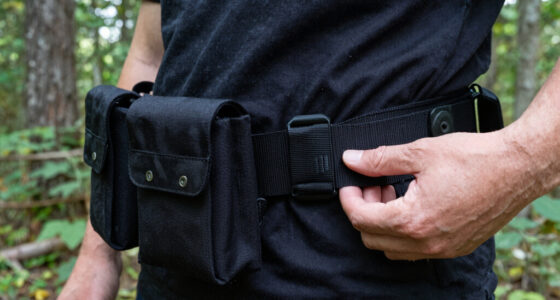
Scuba webbing is a dense, tightly woven nylon webbing originally designed for diving gear. Its thick texture and high density make it incredibly stiff. Imagine wrapping a piece of thick rope around your waist — it stays firm, resists twisting, and won’t sag under weight. This stiffness isn’t just about support; it’s about ensuring load stability, especially when carrying heavy or awkward gear. The rigidity minimizes movement of holsters and pouches, which is crucial in tactical or professional environments where gear shifting can compromise safety or performance. Additionally, the low stretch characteristic means the webbing maintains its shape over time, reducing the need for frequent adjustments. However, this stiffness can also mean less comfort during prolonged wear, as pressure points may develop, especially if the webbing presses directly against the skin. The tradeoff is between maximum support and comfort; understanding this helps you decide if scuba webbing suits your operational needs or daily comfort preferences.
Thick webbing can also be less forgiving when threading through narrow loops or holsters, which might require more effort or specialized hardware. Its water-resistant properties are beneficial in wet environments, ensuring that the webbing remains stable and doesn’t degrade or stretch when wet, maintaining consistent support in all conditions.
From a practical standpoint, the stiffness of scuba webbing means it excels in situations where load support and gear stability are paramount. However, this rigidity can be a double-edged sword; it may cause discomfort if worn for extended periods or in applications requiring flexibility. The choice hinges on weighing the need for support versus comfort, especially in dynamic environments.
heavy load support scuba webbing belt
As an affiliate, we earn on qualifying purchases.
As an affiliate, we earn on qualifying purchases.
Nylon Tactical Belts: The Flexible, Versatile Choice
Nylon tactical belts come in a broad spectrum of designs, each tailored to different needs. Their flexibility isn’t just a comfort feature; it allows for dynamic movement, which is vital in active roles like law enforcement, military, or outdoor pursuits. This flexibility impacts how well the belt adapts to various tasks—rigid belts might offer maximum support but restrict movement, while more flexible designs prioritize mobility and ease of use. For instance, a padded, reinforced tactical belt can absorb shocks and distribute weight more evenly, reducing fatigue during long shifts or strenuous activities. Conversely, a slim, low-profile belt with hook-and-loop fasteners offers quick adjustments and minimal bulk, which is crucial for concealed carry or discreet operations. The layered construction, often combining multiple webbing layers or padding, adds to their versatility, enabling users to customize support and comfort levels based on activity.
The tradeoff with this flexibility is that softer, more pliable belts might not support heavy gear as rigidly as scuba webbing, which could lead to gear shifting or sagging under significant loads. Padding, while enhancing comfort, can trap moisture, dirt, and grit, potentially affecting durability if not properly maintained. The choice of hardware—buckles, fasteners—also influences overall stability; high-quality components ensure secure attachment, while cheaper options might compromise safety. Overall, nylon tactical belts’ focus on comfort and adaptability makes them suitable for a wide range of daily and active scenarios—though they might sacrifice some load support strength in the process.
Understanding the implications of their flexibility helps users select the appropriate belt for their specific needs. For example, a user prioritizing maximum load support for heavy gear may opt for a more rigid design, while someone valuing comfort and ease of movement for everyday use might prefer a softer, padded version. Recognizing these tradeoffs ensures that the belt chosen complements the intended activity and environment.
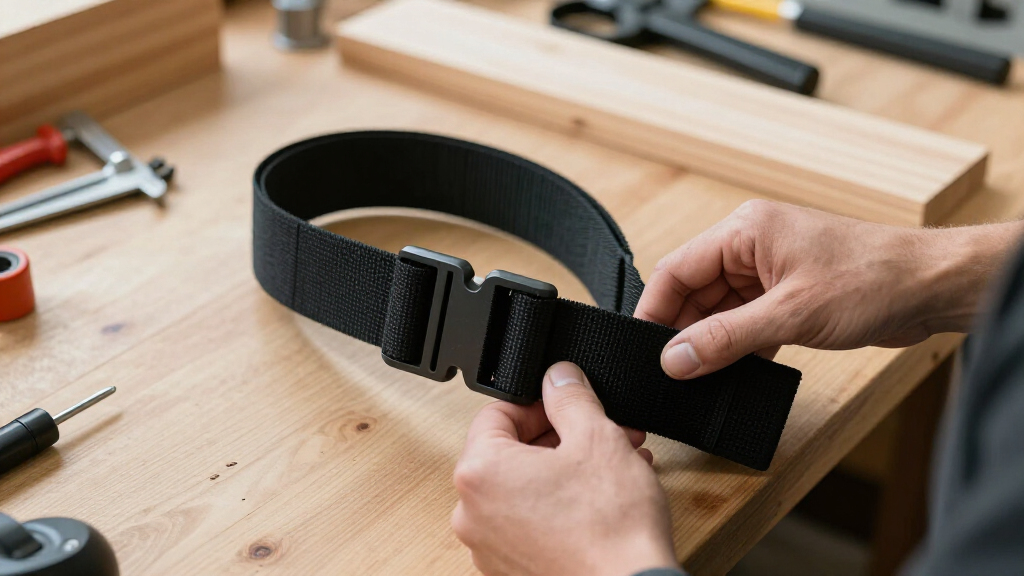
tactical nylon webbing belt with quick release buckle
As an affiliate, we earn on qualifying purchases.
As an affiliate, we earn on qualifying purchases.
Scuba Webbing vs Nylon Tactical Belts: How Do They Compare?
| Aspect | Scuba Webbing Belt | Typical Nylon Tactical Belt |
|---|---|---|
| Construction | Thick, dense, tightly woven nylon webbing designed for maximum support and minimal stretch, prioritizing load stability. | Varies widely; ranges from soft, flexible woven nylon to multilayer reinforced and padded designs, emphasizing adaptability and comfort. |
| Stiffness | High, very rigid, providing firm support that resists twisting and sagging under load, ideal for heavy-duty applications. | Low to very high depending on design; generally more flexible, allowing for movement and comfort but possibly less support for heavy gear. |
| Load Support | Excellent for supporting holsters, pouches, and heavy gear, maintaining shape and position over time. | Dependent on reinforcement and padding; generally suitable for moderate loads, with some models capable of supporting heavier gear. |
| Flexibility | Limited; feels stiff and unyielding, which enhances stability but can reduce comfort. | More flexible and adaptable, offering comfort and ease of movement but possibly at the expense of load stability. |
| Water Performance | Low stretch and high stability when wet, making it ideal for aquatic or humid environments without losing support. | Varies; padding and layers may retain water, and webbing can absorb moisture, potentially affecting durability and comfort. |
| Bulk | Thick but straightforward; minimal layers or padding. | Can be bulky if padded or layered, which might impact concealability or comfort. |
| Adjustment | Typically friction or quick-release buckles that provide secure, rapid adjustment. | Hook-and-loop fasteners, buckles, or a combination, allowing for quick and precise fitting. |
| Best Use | Heavy load-bearing, tactical, diving, and situations requiring maximum support and rigidity. | Everyday carry, range use, duty belts, and modular systems where comfort and quick adjustability are priorities. |
Understanding these differences is crucial because it highlights the core tradeoffs involved: support versus flexibility. A rigid scuba webbing belt excels in situations where gear stability and load-bearing capacity are non-negotiable, such as tactical operations or diving. Conversely, tactical belts with more flexibility and padding excel in everyday carry or active scenarios where comfort, quick adjustability, and versatility outweigh maximum support. Recognizing these tradeoffs helps users make informed decisions, ensuring their gear matches their activity demands and environmental conditions.
reinforced nylon tactical belt for daily carry
As an affiliate, we earn on qualifying purchases.
As an affiliate, we earn on qualifying purchases.
Frequently Asked Questions
Is scuba webbing stronger than ordinary nylon webbing?
It’s usually denser and stiffer, offering better support, but actual strength depends on construction, stitching, and hardware. Always compare verified tensile ratings for the specific belt you’re considering.Can I wear a scuba-webbed belt every day?
Yes, but its rigidity can cause discomfort during long sitting or bending. Choose a size and design that balances support with comfort based on your daily activities.Does water weaken nylon webbing?
High-quality scuba webbing stays stable when wet, but nylon can absorb moisture. Proper rinsing and drying extend belt life, especially in wet environments.Are tactical belts suitable for climbing or fall protection?
Only if explicitly rated and certified for safety use. Most tactical belts are designed for gear support, not as fall-arrest or climbing equipment.What webbing width is best for my needs?
1.5 inches works well for everyday carry, 1.75 inches suits range and duty applications, while 2 inches are better for heavier loads. Match the width to your gear and trouser loops.stiff nylon webbing belt for heavy gear
As an affiliate, we earn on qualifying purchases.
As an affiliate, we earn on qualifying purchases.
Conclusion
The right belt isn’t just about webbing material; it’s about matching support, comfort, and environment. Think about what you carry, how long you wear it, and where you use it. A well-chosen belt becomes an extension of your work or hobby — reliable, comfortable, and ready for action.Fall Picks
fall essentials
As an affiliate, we earn on qualifying purchases.