TL;DR

Get tools and workshop supplies delivered free — and shop member deals
- Fast, free delivery on millions of items
- Access to Prime Big Deal Days deals on October 6–7
- Prime Video, Amazon Music and more included
A Hunker how-to report describes using a wire-wheel attachment on a bench grinder to remove rust from metal tools. It advises hand and eye protection and says the appropriate brush depends on the material; the report does not provide detailed grinder specifications or a formal safety standard.
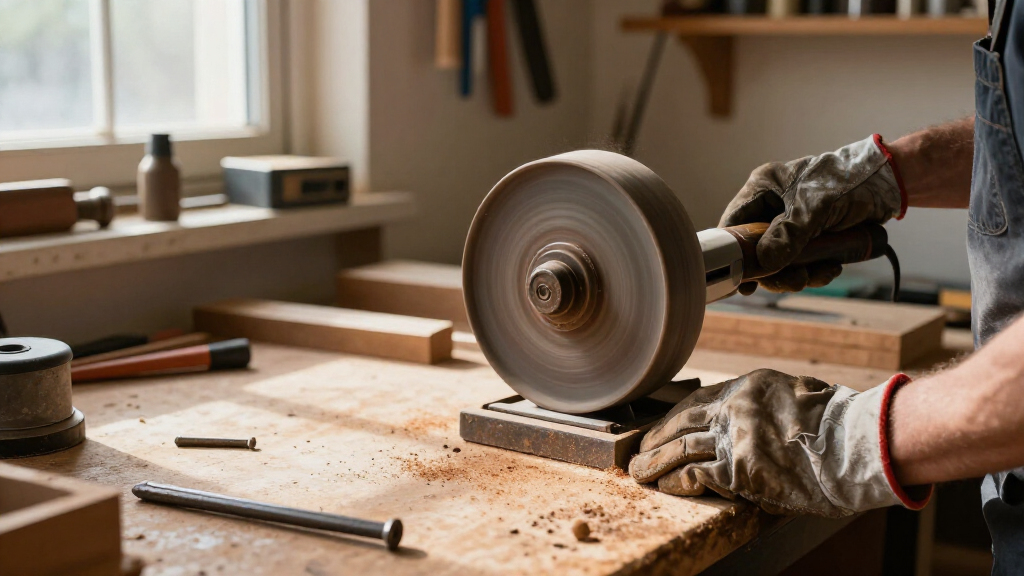
Hunker’s tool-care guide explains how to use a bench grinder with a wire-wheel attachment to remove rust from metal tools, rather than using the grinder’s standard abrasive wheel. It describes a brief, side-to-side cleaning technique and warns that users should wear hand and eye protection because wire fragments can fly from the wheel.
The guide says standard bench grinder wheels are designed for cutting and sharpening, while a wire wheel is suited to brushing rust from a tool’s surface. It identifies steel, nylon and brass brushes as common options: steel for hard metals such as iron, nylon for materials including wood and furniture, and brass for softer metals such as copper or aluminum. The listed applications are the article’s guidance, not a substitute for checking that a particular attachment is compatible with a grinder and workpiece.
To prepare the machine, the report says to remove the wheel cover, loosen the nuts and washers that hold the existing wheel on the spindle, and replace that wheel with a wire wheel. Once the grinder is running, it advises holding the rusty tool level with the brush and moving it gently from side to side. The report does not specify a wheel speed, attachment size, tool-rest setting or a detailed inspection procedure, so users should follow the grinder and attachment manufacturers’ instructions rather than infer those settings.
Rust is iron oxide formed when iron reacts with water and oxygen, according to the article. The guide says rust can damage a tool if left untreated and presents mechanical brushing as a quicker option than household treatments such as vinegar. It does not provide test results comparing removal methods or establish how much metal a particular session will remove.
Choosing the Right Wheel for Rust
The key distinction is between a grinder wheel built to remove or shape material and a wire brush intended to clean a surface. Using the correct attachment may help people avoid treating an ordinary grinding wheel as a rust brush. The source does not claim that a wire wheel is suitable for every tool or every degree of corrosion; badly weakened, cracked or deeply pitted tools may need repair or replacement rather than surface cleaning.
The process also involves a rotating wheel and flying debris. Hunker specifically calls for hand and eye protection. Users should consult the equipment instructions for required guards and safe operation, keep hands clear of the wheel, and avoid forcing the tool against it. If a tool becomes hot, stop and let it cool; excessive heat can affect some tool edges or finishes. These precautions matter because rust removal should not create a separate risk of injury or damage.
bench grinder wire wheel attachment
As an affiliate, we earn on qualifying purchases.
As an affiliate, we earn on qualifying purchases.
From Sharpening to Surface Cleaning
A bench grinder is a stationary motor-driven machine with wheels mounted on a rotating spindle. Hunker describes its common use as sharpening bladed tools such as shovels, chisels, hoes and lawn mower blades. The article contrasts it with an angle grinder, which is more mobile, while emphasizing that the bench grinder can also be used for rust removal after its standard wheel is replaced.
The method is mechanical: the wire bristles brush surface rust away rather than treating it chemically. Hunker notes vinegar as another possible household approach, but its report focuses on the grinder method and does not compare time, cost, finish quality or effectiveness between the options. Its practical takeaway is to match the brush material to the workpiece and use a wire wheel, not the standard abrasive wheel, for the described cleaning task.
““You’ll want to use a wire wheel instead to remove rust from your tools.””
— Hunker report
rust removal wire brush for bench grinder
As an affiliate, we earn on qualifying purchases.
As an affiliate, we earn on qualifying purchases.
Limits of the Published Guidance
The source does not identify a publication date or give independent testing for its advice. It also does not specify the grinder’s required operating speed, compatible wire-wheel dimensions, guard configuration, or how to handle particular tool coatings and finishes. Those details vary by equipment and attachment, so readers should check their manufacturers’ instructions before fitting or operating a wheel.
The report does not define when corrosion is too deep for brushing, quantify material removed, or establish that a cleaned tool is structurally sound. Surface appearance alone may not reveal damage. Whether a tool is safe to use after rust removal depends on its condition and intended job, and is not determined by the article.
metal tool rust remover wire wheel
As an affiliate, we earn on qualifying purchases.
As an affiliate, we earn on qualifying purchases.
Check the Grinder Before Use
Before starting, users should confirm that the wire wheel fits the grinder, is rated for its speed and is intended for the material being cleaned. They should install it according to the equipment instructions, keep required guards in place, and wear eye and hand protection as the Hunker report advises. During brushing, use light contact and stop if the wheel, tool or setup appears damaged or unstable.
After cleaning, inspect the tool for remaining corrosion, pitting, cracks or other damage before putting it back to work. The source offers no further testing or follow-up guidance, so it remains the user’s responsibility to decide whether the tool is fit for its intended use or needs professional repair or replacement.
abrasive wheel replacement for bench grinder
As an affiliate, we earn on qualifying purchases.
As an affiliate, we earn on qualifying purchases.
Key Questions
Can I use a standard bench grinder wheel to remove rust?
Hunker recommends changing the standard abrasive wheel for a wire-wheel attachment. It says ordinary grinder wheels are intended for cutting and sharpening, rather than brushing rust from a tool.
Which wire wheel should I use?
The report lists steel, nylon and brass brushes, associating steel with hard metals such as iron and brass with softer metals such as copper or aluminum. Check the attachment maker’s guidance and confirm it is compatible with both the material and grinder.
What safety equipment does the guide recommend?
Hunker calls for hand and eye protection because wire fragments can fly from the wheel. Follow the grinder and attachment instructions for guards and other required precautions.
How should I move the tool against the wheel?
The guide says to hold the tool level with the spinning wire wheel and move it gently from side to side. Do not force the workpiece; use the machine maker’s instructions for safe positioning and operation.
Does removing visible rust prove a tool is safe to use?
No. The report does not establish that brushing repairs structural damage. Inspect for deep pitting, cracks or weakened areas and do not rely on appearance alone to judge whether a damaged tool is safe.
Source: rss
Evergreen bestsellers Picks
bestsellers
As an affiliate, we earn on qualifying purchases.