
TL;DR

Get business pricing on tools and workshop supplies
- Business-only prices and quantity discounts
- Tax-exempt purchasing
- Multiple users, one account, clear invoices
Dress belts are slim, polished, and formal, perfect for suits. Casual belts are wider, textured, and versatile, ideal for jeans or chinos. Knowing the differences ensures you always dress appropriately.
Choose a slim, polished leather belt for formal outfits to achieve a sleek, sophisticated look.
Opt for wider, textured or woven belts with casual attire for comfort and personality.
Matching belt color to your shoes enhances overall style — black with black, brown with brown.
High-quality belts use full-grain leather and simple buckles; avoid cheap, synthetic options.
Trends favor minimalist, sustainable, and reversible designs for versatile wardrobe options.
Dress Belt vs Casual Belt Differences
A belt does more than hold an outfit together. Its width, material, finish, and buckle quietly signal whether you are dressed for the boardroom or the weekend.
Texture = casual
Two belts.
Two distinct jobs.
Dress belts complement formalwear without demanding attention. Casual belts prioritize comfort, durability, and personality. The closer the belt is to slim, smooth, and understated, the more formal it reads.
Dress Belt
RefinedSmooth leather, a polished finish, and a quiet metal buckle create a sleek line with suits and tailored trousers.
Casual Belt
ExpressiveDistressed leather, canvas, suede, or woven straps add texture and visual weight to jeans, chinos, and relaxed outfits.
Width is the fastest visual clue
According to BestBeltShop, dress belts rarely exceed 1.5 inches, while casual designs often extend to 2 inches or more.
The details that define the difference
Look at the full design language rather than a single feature. A neutral leather belt can cross into smart-casual territory, but extreme width, heavy texture, or an ornate buckle pushes it firmly toward casual.
| Feature | Dress Belt | Casual Belt |
|---|---|---|
| Material | ✓Smooth, high-quality leather | ✓Distressed leather, suede, canvas, woven fabric |
| Width | ✓1–1.5 inches | ✓1.75–2 inches or more |
| Finish | ✓Polished, even, and sleek | ✓Textured, patterned, or distressed |
| Buckle | ✓Simple prong in silver, gold, or matte metal | ✓Decorative, reversible, frame, or toggle |
| Colors | ✓Black, dark brown, burgundy | ✓Earth tones, lighter shades, patterns |
| Best use | ✓Suits, formal events, dress trousers | ✓Jeans, chinos, shorts, relaxed outings |
Choose the right belt in four moves
Read your outfit from the occasion outward. Formality determines texture, texture guides width, and your shoes finish the color decision.
Read the occasion
Suit, ceremony, or business setting? Start formal. Jeans, chinos, or relaxed plans? Start casual.
Choose texture
Smooth leather signals polish. Woven, suede, canvas, and distressed surfaces signal ease.
Check the width
Stay at 1–1.5 inches for dresswear. Choose extra width and visual weight for casual outfits.
Match the shoes
Black with black, brown with brown. Keep the buckle metal aligned with your other accessories.
A dress belt signals professionalism and sophistication; a casual belt communicates ease and individuality. The right choice makes an outfit feel intentional before anyone notices why.
Spot a belt worth keeping
Quality appears in the leather, edge finishing, stitching, and hardware. Full-grain leather is the durability benchmark: it develops character over time instead of quickly peeling or cracking.
Start with the grain
Choose full-grain leather for longevity. Avoid synthetic coatings that disguise weak material and tend to split with wear.
Inspect every edge
Edges should be smooth and consistently finished. Stitching must stay straight, tight, and free from loose threads.
Test the buckle
A quality buckle feels substantial, moves cleanly, and sits flat. Dress hardware should look restrained rather than oversized.
The hybrid belt
Textured leather paired with a simple buckle can bridge formal and casual wardrobes. Reversible construction adds two finishes or colors in one compact piece.
Your top belt questions, answered
When uncertain, favor harmony: match the outfit’s formality, repeat the shoe color, and keep the belt’s visual weight proportional to the trousers.
Can I wear a casual belt with a suit?
Generally, no. Its extra width and texture tend to clash with the clean, refined lines of tailoring.
What width is best for a dress belt?
Between 1 and 1.5 inches. Narrower proportions look sleeker and sit naturally in formal trouser loops.
Can one belt work for both styles?
Yes. Choose smooth neutral leather, moderate width, minimal stitching, and a simple buckle for maximum versatility.
How should I care for leather?
Wipe it with a damp cloth, condition periodically, rotate wear, and store it in a cool, dry location.
Which belt material is most durable?
Full-grain leather offers excellent longevity and develops a distinctive patina as it ages.
What if my shoes are two-tone?
Match the belt to the dominant leather color, then keep the buckle restrained so the combination stays cohesive.
Let purpose lead. Let the details finish the look.
Choose slim, smooth, polished leather for suits and formal outfits.
Choose wider, textured, woven, or distressed belts for jeans and chinos.
Match belt color to shoe color: black with black and brown with brown.
Prioritize full-grain leather, clean edges, strong stitching, and reliable hardware.
Use neutral, minimalist, or reversible designs when wardrobe versatility matters.
What Makes a Dress Belt Stand Out?
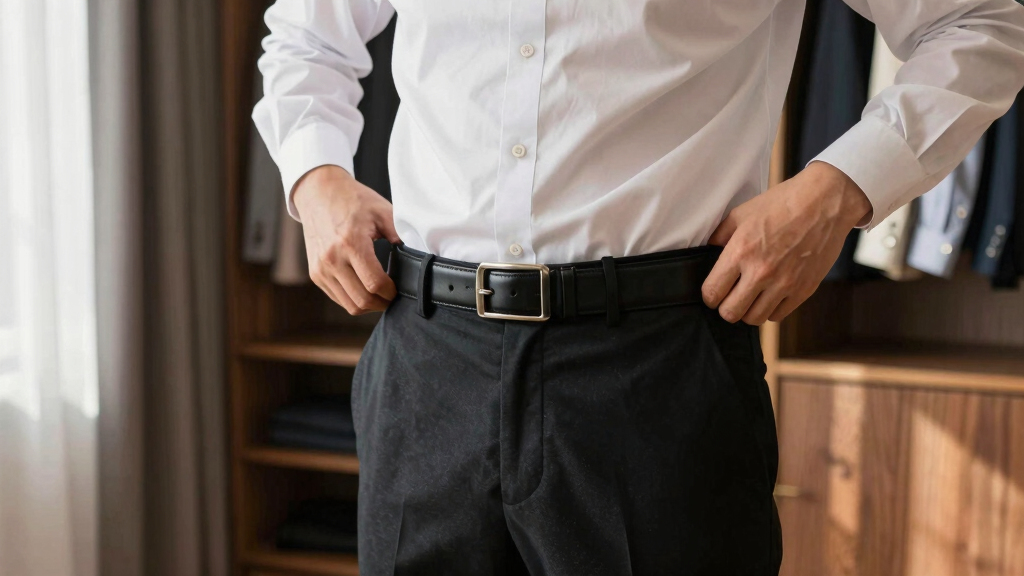
A dress belt is all about refined simplicity. It’s usually made from smooth, high-quality leather with a polished finish. Imagine slipping into a sharp navy suit — the belt’s sleek black leather with a thin, silver buckle seals the look.
Dress belts are about subtlety. They’re narrow — around 1 to 1.5 inches wide. The buckle is simple, often prong-style, in silver or gold, designed to blend seamlessly with formal attire. They come in classic colors like black, dark brown, or burgundy, matching your shoes perfectly.
Choosing a dress belt is about balancing elegance with functionality. Its slim profile ensures it doesn’t distract from the rest of your outfit, which is crucial in formal settings where every detail counts. The polished finish reflects light subtly, reinforcing a clean, professional look that communicates attention to detail. When you opt for a quality dress belt, you’re investing in a piece that enhances your overall appearance without drawing unnecessary attention, making it versatile for various formal occasions.
As an affiliate, we earn on qualifying purchases.
The Casual Belt: Wider, Woven, and More Relaxed
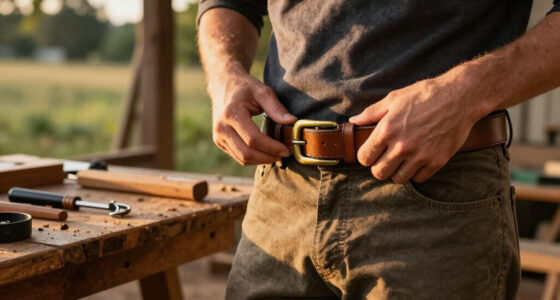
Casual belts are all about comfort and versatility. They’re often made from distressed leather, canvas, or woven fabrics. Think of your favorite pair of jeans — the belt that holds them up might be wider, with textured or patterned straps.
Wider belts, often up to 2 inches or more, distribute pressure more evenly across your waist, which can reduce discomfort during extended wear. The textured or woven materials add visual interest and tactile variety, making them suitable for relaxed settings where a bit of personality is appreciated. The variety in buckle styles—from toggles to reversible designs—allows for customization and expression, reflecting your mood or style preferences.
Wider belts are not just a stylistic choice; they can influence how your outfit is perceived. For example, a broad, textured belt paired with casual wear signals a relaxed confidence, whereas a narrower belt might look out of place. The durability of these materials means they often age well, developing character over time, which appeals to those who enjoy vintage or rugged aesthetics. Ultimately, casual belts prioritize practicality and personal expression, making them essential for everyday comfort and style.
casual textured woven belts for jeans
As an affiliate, we earn on qualifying purchases.
As an affiliate, we earn on qualifying purchases.
Compare the Key Features Side by Side
| Feature | Dress Belt | Casual Belt |
|---|---|---|
| Material | High-quality, smooth leather | Distressed leather, canvas, woven fabrics |
| Width | 1-1.5 inches | up to 2 inches or more |
| Finish | Polished, sleek | Textured, distressed, or patterned |
| Buckle | Simple prong-style, metal finish | Decorative, reversible, or toggle |
| Color options | Black, dark brown, burgundy | Lighter shades, earth tones, patterned |
| Use case | Formal events, suits, dress trousers | Casual outings, jeans, chinos |
As an affiliate, we earn on qualifying purchases.
When to Wear a Dress Belt — And When Not To
If you’re dressing up in a suit or attending a formal event, a dress belt is your go-to. Its slim profile and polished finish complement your polished shoes and crisp attire.
But skip the dress belt when you’re in jeans or casual chinos. The wider, textured casual belt enhances your relaxed look and adds personality. Wearing a formal belt with casual wear can seem out of place — like wearing a tuxedo to a barbecue.
Choosing the right belt for the occasion is about understanding the visual language of your outfit. A dress belt signals professionalism and sophistication, making it ideal for environments where appearance matters. Conversely, a casual belt communicates ease and individuality, suitable for informal settings. Mixing these styles can create confusion or appear mismatched, so selecting the appropriate belt helps reinforce your intended style message and ensures your outfit looks cohesive and intentional.
As an affiliate, we earn on qualifying purchases.
How to Spot a Quality Dress Belt vs Casual Belt
Look at the materials and finish. A quality dress belt uses full-grain leather with a smooth, even surface. Casual belts can be distressed or woven, which shows their relaxed vibe.
Check the width — dress belts rarely go beyond 1.5 inches, keeping them sleek. Casual belts are wider, often 1.75 inches or more, with more textured straps.
Finally, examine the buckle. Dress belts have simple, polished metal prongs, while casual belts may feature decorative or reversible buckles that stand out.
Understanding these details helps you avoid cheap, poorly made belts that can ruin your outfit. Investing in quality ensures durability, comfort, and a polished look that lasts over time. Recognizing the subtle differences in materials and craftsmanship also enables you to select belts that match your style needs, whether formal or casual, and maintain a cohesive wardrobe that reflects your personal taste.
Trends in Belt Styles — What’s Changing?
Today, belts are evolving beyond traditional boundaries. Sustainable materials like vegetable-tanned leather and vegan options are rising in popularity. Minimalist, slim designs are trending for formal wear, making dress belts even more discreet.
In casual styles, reversible buckles and textured leathers allow for personalized looks. Hybrid styles that blend casual and formal elements are also gaining ground, perfect for smart-casual outfits.
Imagine a belt that’s leather on one side, woven on the other, with a magnetic reversible buckle — versatile and practical.
Your Top Questions — Answered
- Can I wear a casual belt with a suit? Generally, no. Casual belts clash with the formality of suits due to their wider, textured design.
- What width is best for a dress belt? 1 to 1.5 inches keeps it sleek and elegant for formal wear.
- Are there belts that work for both casual and formal? Yes, simple leather belts in neutral colors can often serve both purposes, depending on the style.
- How do I care for leather belts? Wipe with a damp cloth, condition periodically, and store in a cool, dry place.
- What’s the most durable belt material? Full-grain leather offers the best durability and aging gracefully over time.
Conclusion
A well-chosen belt ties your outfit together — or falls flat. Remember, the right belt isn’t just about style; it’s about purpose and occasion. Next time you pick one, ask: is this belt elevating my look or just filling space? Keep it simple, keep it smart, and your style will always speak for itself.Columbus Day / Indigenous Peoples' Day Picks
long weekend sales
As an affiliate, we earn on qualifying purchases.