TL;DR

Get business pricing on tools and workshop supplies
- Business-only prices and quantity discounts
- Tax-exempt purchasing
- Multiple users, one account, clear invoices
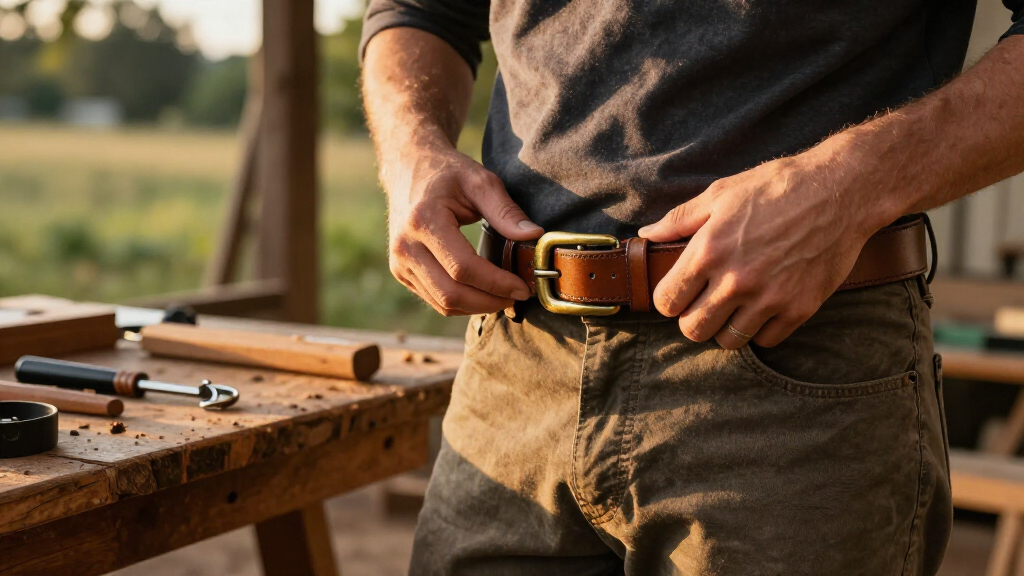
The best belt buckle matches your outfit, occasion, and belt material. A versatile, classic frame buckle works for most situations, while decorative or oversized buckles make a statement. Compatibility and proportion are key.
Match buckle style and size to the occasion and your outfit for a balanced look.
Choose a buckle that’s compatible with your belt’s width and attachment system.
Keep it simple for formal settings; go bold or decorative for casual or statement looks.
Materials and finishes matter — opt for durable metals like stainless steel or brass.
Prioritize comfort, ease of use, and practicality alongside style choices.
How to Choose a Belt Buckle Style
A buckle is part fastener, part finishing detail, and sometimes the focal point of an outfit. The best choice matches the occasion, fits the strap precisely, feels proportionate, and coordinates with the materials already in your wardrobe.
Versatile across formal and casual wardrobes.
Pair with a small, refined buckle.
Can support more visual and physical weight.
Occasion, strap, and personal proportions.
Match the buckle to the room
The more formal the outfit, the quieter the buckle should be. A polished frame complements tailoring; an engraved plate adds personality to Western or casual clothing. The buckle should reinforce the message of the outfit, not compete with it.
Quiet precision
Choose a small frame buckle in polished or brushed metal. Keep logos, texture, and bulk to a minimum.
Clean structure
A streamlined frame or plaque works best with smooth leather, tailored trousers, and restrained accessories.
Measured detail
Try a rounded frame, subtle plaque, or slightly larger buckle with texture that does not dominate.
Visible character
Plate, trophy, ranger, engraved, and rodeo styles can become the intentional center of the look.
Secure function
Favor a low-profile, quick-release, box-frame, or rugged mechanism that stays secure during movement.
Know the main buckle types
Mechanism shapes both appearance and daily use. Start with a frame buckle when versatility matters; move toward specialized designs when comfort, utility, or visual impact has a higher priority.
| Style | How it works | Best setting | Visual impact | Key advantage |
|---|---|---|---|---|
| Frame | Prong passes through a belt hole. | ✓Formal to casual | Low to moderate | Most versatile and familiar. |
| Plaque | Solid front plate connects to the strap. | Dress, minimalist, branded | Moderate | Creates a clean uninterrupted front. |
| Box-frame | Strap slides through a box mechanism. | Military-inspired or dress | Low | Secure, compact, and structured. |
| Plate | Decorative removable plate hooks to the belt. | ✓Western or statement | High | Maximum room for engraving and imagery. |
| Ranger | Multi-piece buckle, keeper, and tip set. | Western and heritage casual | Moderate to high | Detailed craftsmanship with a refined profile. |
| D-ring / O-ring | Strap loops through one or two rings. | Fabric, braided, relaxed | Low | Simple adjustment and flexible fit. |
| Ratchet | Track system replaces traditional holes. | ✓Daily comfort | Low to moderate | Allows small, precise fit adjustments. |
| Quick-release | Mechanical catch fastens and releases rapidly. | Outdoor, tactical, travel | Moderate | Fast operation and secure utility. |
Fit the buckle to the belt
Compatibility protects the leather and keeps the buckle sitting correctly. Check the internal opening, attachment system, mechanism, and weight before buying.
Measure width
Measure the strap where it enters the buckle. Match that number to the buckle’s internal opening.
Check attachment
Look for snaps, screws, or another detachable fastening. A fixed buckle cannot simply be swapped.
Match mechanism
Confirm whether the belt requires a prong, hook, clamp, track, or quick-release interface.
Test support
Thick leather supports heavier hardware. Thin leather may sag, twist, or wear under excess weight.
Excess movement, pinching, and uneven load place stress around the attachment points and belt holes.
Balance scale, comfort, and metal
A larger buckle creates a stronger focal point and may visually shorten the torso. A smaller buckle produces a cleaner line. Treat these as flexible styling principles—comfort and personal preference remain decisive.
Visual weight guide
Illustrative relative scale, from quiet detail to dominant focal point.
Coordinate material and finish
Exact metal matching is optional. A dominant finish—or a second intentional repetition—usually creates enough visual cohesion.
The five-link decision chain
A successful buckle choice connects context to comfort. If one link fails, reconsider the style before purchasing.
Five questions before you buy
The safest default is a well-made frame buckle in a versatile metal finish. Choose something bolder only when you want the buckle to become an intentional focal point.
Match the Buckle to the Occasion — Why It Matters
Knowing when to wear a sleek, simple buckle versus a big, decorative one is key to looking sharp. Formal events call for understated, polished designs like small, shiny metal frames. For casual days or Western wear, larger, engraved, or rodeo-style buckles add personality. The rule is simple: the more formal your outfit, the less flashy your buckle should be.
Imagine you’re at a wedding. A small, silver, minimalist buckle pairs perfectly with a tailored suit. But at a country fair, a big, embossed trophy buckle tells a different story — one of rugged charm and personality. Your choice should enhance the outfit, not compete with it.
Choosing the right buckle for the occasion influences how your entire outfit is perceived. A too-flashy buckle with formal attire can seem out of place, suggesting a lack of attention to subtlety and sophistication. Conversely, a too-minimal buckle in a casual setting might make your look seem dull or unintentional. Recognizing these nuances helps you communicate your style effectively and adapt appropriately to different social contexts.
As an affiliate, we earn on qualifying purchases.
Understand the Main Types of Belt Buckles — What Style Fits Your Life
Here’s a quick rundown of the most common buckle styles:
| Style | Description |
|---|---|
| Frame buckle | The classic, prong-through-hole design; versatile and most common. Its simplicity makes it adaptable for both formal and casual settings, but the choice of finish and size can shift its formality level. Larger or more ornate frames lean casual, while sleek, minimal designs suit formal wear. |
| Plaque buckle | A solid front plate, often sleek, minimal, or decorative. This style allows for customization or branding, making it ideal for personal expression or special occasions. The material and finish can dramatically change its tone—brushed for casual, polished for formal. |
| Box-frame buckle | Strap slides through a box, often used in military or dress belts. Its design emphasizes durability and security, suitable for active lifestyles or uniformed settings, but can also be styled to look sharp in formal outfits. |
| Plate buckle | Decorative, removable plate, typical of Western styles. These often feature intricate engravings or embellishments, making them statement pieces. Their boldness can be a reflection of personality but may clash with minimalist or business attire. |
| Ranger buckle | Multi-piece, often engraved or detailed, popular in Western and casual wear. Its layered construction and decorative elements convey ruggedness and craftsmanship, ideal for casual, outdoor, or country-inspired looks. |
| D-ring/O-ring | Casual, fabric or braided belts, easy to adjust. Their simplicity and adjustability make them practical for active or relaxed outfits, but they generally lack the formality needed for business or dress occasions. |
| Ratchet buckle | Track-based, allows tiny adjustments, great for comfort. They provide precise fit control, which can enhance comfort during long wear, but their modern look may not suit traditional or vintage styles. |
| Quick-release | Popular in outdoor gear, easy to fasten and remove. Their convenience and practicality make them perfect for travel or active lifestyles, though they may not align with formal aesthetics. |
Choosing depends on your style, use, and comfort preferences. A classic frame suits most, while a Western buckle makes a statement. Understanding these differences helps you select a buckle that aligns with your lifestyle and personal taste, ensuring your belt complements the occasion and your overall look.
As an affiliate, we earn on qualifying purchases.
Check Compatibility — Will the Buckle Fit Your Belt?
Before buying, measure your belt’s width. Most buckles specify the strap width they accept. For example, a 1.5″ buckle pairs with a 1.5″ strap — mismatched sizes can cause slipping or damage.
Look at how the buckle attaches: snaps, screws, or a removable system? Not all buckles fit every belt, especially if your leather strap is thick or has a special fastening system. Compatibility is essential not just for fit but also for longevity—an ill-fitting buckle can cause stress on the leather, leading to premature wear or even breakage over time.
Ensuring proper compatibility means considering both the internal width of the buckle and the attachment method. An incompatible buckle may require modifications or special fasteners, which could complicate your setup or compromise durability. Taking the time to measure and verify compatibility saves you money and hassle in the long run, keeping your belt functional and stylish for years.
As an affiliate, we earn on qualifying purchases.
Size Matters — How Big Should Your Buckle Be?
Buckle size should balance with your body and belt width. Small belts (around 1-1.25″) look best with petite buckles, about 2″ wide. Wider belts (1.5″ or more) can handle larger, heavier buckles without looking out of proportion. In fact, choosing a buckle that’s too small on a wide belt can diminish the visual impact, making the belt seem underwhelming or mismatched.
Example: a slim, 1.25″ leather belt paired with a 2″ buckle looks sleek and proportionate, accentuating a refined silhouette. Conversely, a massive 3″ buckle on a narrow strap can dominate the look and feel unbalanced, drawing unwanted attention or creating an awkward visual weight.
Size also affects comfort: larger buckles tend to be heavier, potentially causing discomfort during extended wear or active movement. The tradeoff involves balancing visual impact with practicality—an oversized buckle might be striking but can cause fatigue or discomfort, especially if it presses against your body or catches on clothing. Carefully consider your typical activities and comfort preferences when selecting buckle size.
As an affiliate, we earn on qualifying purchases.
Coordinate Metals — Why Metal Finishes Matter
Matching your buckle’s metal finish with other accessories creates a cohesive look. Think of your belt buckle as part of your jewelry ensemble. Silver, brass, gunmetal, and matte black are common choices.
For example, a silver buckle pairs well with a silver watch or cuff links. But mixing metals is okay when done intentionally — like a gunmetal buckle with black shoes and a dark leather bag. The key is understanding how these combinations communicate your style: matching metals often convey a polished, put-together appearance, while mixing can add visual interest and depth.
Don’t stress over perfect matching. Repeating a finish or making one metal dominant works well and adds depth to your outfit. However, inconsistency—such as a shiny silver buckle with matte black accessories—can create a disjointed look if not balanced thoughtfully. Consider your overall aesthetic and aim for harmony, but don’t be afraid to experiment with contrast when it suits your style.
Design and Material — Picking the Right Look and Feel
Want your buckle to last? Choose materials like stainless steel or solid brass. These resist wear and tarnish better than plated metals, ensuring your buckle maintains its appearance over time. Durability is especially important if you wear your belt daily or in active environments, as cheaper materials may degrade quickly, leading to a worn or tarnished look that detracts from your style.
For a versatile look, go with simple finishes: matte, brushed, or polished. These finishes tend to hide scratches and wear better, making them suitable for everyday use. Decorative buckles — with engravings, stones, or logos — make a statement but may require more maintenance to keep them looking their best. Consider how much care you’re willing to invest and whether the aesthetic aligns with your lifestyle—more ornate buckles often suit special occasions or fashion-forward statements rather than daily wear.
In practice, selecting high-quality materials and finishes ensures longevity and preserves your style. A well-made buckle not only lasts longer but also communicates a sense of craftsmanship and attention to detail, elevating your overall look.
Comfort and Practicality — Make Sure It Feels Good to Wear
A buckle should stay comfortable through your day. Heavy, oversized designs can dig into your stomach or catch on clothing. Ease of fastening matters, especially if you’re putting it on quickly or adjusting often. An uncomfortable buckle can distract from your day and even cause irritation or fatigue, especially if it presses against sensitive areas or shifts during movement.
Practical features like a smooth prong, secure closure, and corrosion resistance keep your belt functioning well. If you’re sensitive to nickel or other metals, look for hypoallergenic options to avoid skin reactions. Remember, a well-designed buckle balances aesthetic appeal with ergonomic comfort—an elegant but bulky piece may look good but can become a source of discomfort after hours of wear. Prioritize comfort as much as style to ensure your belt remains a reliable accessory throughout your day.
Current Trends and Style Directions — What’s Hot Now
Western-inspired trophy buckles, engraved silver pieces, and rodeo styles are trending, blending ruggedness with fashion. Minimalist, slim rectangular buckles with matte finishes suit business attire. Ratchet and interchangable systems offer convenience and customization. These trends reflect a desire for versatility, allowing you to adapt your belt to different settings with ease and personal flair.
Vintage, handcrafted, and personalized buckles are gaining popularity, reflecting individual style and craftsmanship. Gender-neutral designs and sustainable materials also shape today’s belt buckle choices, emphasizing both fashion-forward thinking and environmental consciousness. Staying aware of trends can inspire you to experiment, but your personal comfort and style should always take precedence—trendiness is fleeting, but a well-chosen buckle endures as a reflection of your unique taste.
Your Simple Formula for a Versatile Buckle
Start with a classic, small to medium frame buckle in silver, brass, or matte black. Keep decoration minimal and ensure the strap width matches the buckle’s internal size. Choose solid construction and a smooth prong for durability and comfort. This balanced approach ensures you have a reliable, adaptable piece that works across a variety of outfits and occasions, reducing the risk of stylistic mismatches or discomfort.
By sticking to these fundamentals, you create a versatile foundation that can be easily complemented with additional statement pieces as your wardrobe evolves. This strategy simplifies your choices and guarantees that your belt always looks intentional and polished.
Common Questions — What You’re Really Wondering About
Should a belt buckle match a watch or jewelry?
It’s not mandatory, but coordinating metals creates a polished look. When metals are mismatched intentionally—like a silver buckle with a brass watch strap—they can add visual interest and reflect a confident, curated style. The key is harmony and balance, avoiding chaotic combinations that clash or seem accidental.
What buckle is best for a suit?
A small, flat frame buckle in a subtle finish, like matte silver or black, works best. Its understated presence complements the sleek lines of formal attire without drawing undue attention, allowing your overall outfit to shine.
Can I wear a large buckle with formal clothes?
Usually not. Large, decorative buckles tend to clash with the clean, minimal lines of formalwear and are more suited to casual, Western, or statement styles. For formal settings, prioritize simplicity and restraint to maintain a professional and polished appearance.
How do I know if a buckle fits my belt?
Measure your belt’s strap width at the point where the buckle attaches. Match that to the buckle’s internal width. Also, consider how the buckle fastens—whether it uses snaps, screws, or a removable system—to ensure compatibility and secure attachment.
Are all belt buckles interchangeable?
No. Only belts with removable systems, like snaps or screws, can easily swap buckles. Fixed-buckle belts require more effort or modification. Always verify your belt’s attachment method before purchasing a new buckle to avoid incompatibility issues.
Frequently Asked Questions
Should a belt buckle match my shoes?
Traditionally, the belt and shoes are coordinated, especially in formal settings. The buckle, however, is more often matched with jewelry or other accessories. Mixing metals can work when done intentionally, creating a cohesive yet relaxed vibe.What’s the best buckle for a suit?
A small, flat frame buckle in a subtle finish like matte silver, black, or polished brass is ideal. It should be unobtrusive, complementing the sleek, professional look without drawing attention away from the outfit.Can I wear a large buckle with casual clothes?
Yes, but mainly in casual, Western, or fashion-forward outfits. Large, decorative buckles tend to clash with formal attire and are best reserved for relaxed environments or statement styles.How do I measure if a buckle will fit my belt?
Measure your belt’s strap width at the point where the buckle attaches. Match that to the buckle’s internal width. Also, check how the buckle fastens — snaps, screws, or a removable system — for compatibility.Are all buckles interchangeable?
No, only those with compatible attachment systems, such as snaps or screws, can be swapped easily. Many belts have fixed buckles, so verify your belt’s design before investing in a new buckle.Conclusion
Your belt buckle is more than a detail — it’s a reflection of your style and the outfit’s tone. Keep it simple for everyday wear, but don’t hesitate to make a statement when the occasion calls for it. The right buckle balances function, durability, and personality — so choose one that feels right for you. Next time you pick a belt, think beyond just the strap. That small piece of metal can make or break your look.Halloween Picks
halloween
As an affiliate, we earn on qualifying purchases.