
TL;DR

Get business pricing on tools and workshop supplies
- Business-only prices and quantity discounts
- Tax-exempt purchasing
- Multiple users, one account, clear invoices
Matching your leather belt to your shoes mainly involves color coordination, material consistency, and occasion-appropriate style. While traditional rules favor exact matches, modern fashion embraces contrasts and textures, especially in casual looks.
Ever notice how some people just seem to pull off their outfit effortlessly? Usually, it’s because they’ve nailed the details—especially the match between their belt and shoes. It’s not about perfection; it’s about creating a balanced, intentional look. Whether you’re dressing up for a big meeting or keeping it casual on the weekend, matching your leather belt to your shoes makes a subtle yet powerful difference.
In this guide, you’ll learn how to match your belt and shoes like a pro—covering classic rules, recent trends, and practical tips. You’ll see how small choices can elevate your style and help you stand out without trying too hard.
Always match your belt and shoes in color and style for formal settings; in casual wear, you can experiment with contrasts and textures.
Choose belt width based on occasion—narrow for formal, wider for casual looks.
Textures and patterns should complement each other—pair smooth with smooth, embossed with textured shoes.
Don’t be afraid to break the rules in casual fashion; bold contrasts can add personality and style.
Pay attention to shades—matching the exact tone often looks more polished, but slight contrasts can work in relaxed outfits.
How to Match a Leather Belt to Shoes
Coordinate color, finish, width and formality to create an outfit that feels balanced and intentional. Match closely when the stakes are high; introduce contrast when the setting gives you room to show personality.
80% of fashion experts identify coordinated color as the most impactful matching factor.
Black with black, brown with a closely related brown, and polished leather with polished leather.
Different shades and textures work when another part of the outfit visually connects them.
Build cohesion from three details
A polished outfit does not require perfect duplication. It requires the belt and shoes to speak the same visual language, especially when the occasion is formal.
Stay in the same family
Black pairs with black. Brown pairs with a similar brown. With brown leather, move beyond the color name and compare the actual tone: tan, cognac, chocolate or espresso.
Repeat the surface quality
Polished belongs with polished. Matte leather works best with matte footwear, while embossed or distressed pieces feel most natural beside similarly tactile shoes.
Match the visual weight
Sleek shoes need a slim belt. Choose a minimal buckle for tailoring. Save wide straps, heavy stitching and rugged hardware for denim and relaxed clothing.
Brown-shoe rule: select the belt from the nearest point on the same tonal spectrum; exactness matters more as formality rises.
Let the occasion decide
Strict matching communicates polish and reliability. Controlled contrast communicates confidence and creativity. The setting determines which message is appropriate.
| Scenario | Best approach | Example pairing | Why it works | Contrast? |
|---|---|---|---|---|
| Formal business meeting | Match color, finish and style | Black Oxfords + slim black belt | Creates an uninterrupted, professional visual line | ✕ Avoid |
| Wedding or formal event | Match as closely as possible | Espresso shoes + espresso dress belt | Keeps tailoring elegant and visually unified | ✕ Avoid |
| Business casual | Coordinate the color family | Cognac loafers + medium-brown belt | Slight tonal variation adds depth without distraction | ~ Subtle |
| Casual weekend | Mix shades or compatible textures | Navy shoes + tan textured belt | Relaxed contrast gives the outfit personality | ✓ Yes |
| Creative workplace | Experiment deliberately | Colorful shoes + embossed leather belt | A repeated accent elsewhere makes bold choices intentional | ✓ Yes |
Choose width by dress code
A belt should fit the loops and the visual character of the clothing. Narrow straps recede beneath tailoring; wider straps reinforce the heavier texture of denim and casual trousers.
1 to 1.5 inches
Use smooth leather, tidy edges and a small, simple buckle. A 1.25-inch belt is a dependable partner for a suit.
1.75 to 2 inches
Choose substantial leather, visible grain or relaxed hardware. The extra width suits jeans, boots and casual shirts.
Pair surfaces, not just colors
Texture creates depth. Repeat a finish for refinement, or combine two compatible surfaces for a more relaxed look. Avoid stacking too many unrelated grains, patterns and levels of shine.
Smooth + smooth
Ideal for dress shoes, suits and polished business clothing.
Gloss + gloss
Keep reflective finishes aligned for formal evening wear.
Embossed + grain
Use related patterns and keep the rest of the outfit quiet.
Distressed + suede
A compatible contrast that works naturally with casual clothing.
One statement texture is enough.
If the belt is strongly patterned, let the shoes stay restrained—or reverse the formula. Subtle repetition looks considered; competing patterns look accidental.
From shoes to finished outfit
Start with the footwear because it establishes the outfit’s level of formality. Then move through color, surface and proportion before checking the full look.
The Simple Rule: Match Color and Style for a Classic Look
Matching your leather belt to your shoes in color is the most straightforward way to look put-together. Think of it as pairing your car with the right accessories—when they match, everything feels cohesive.
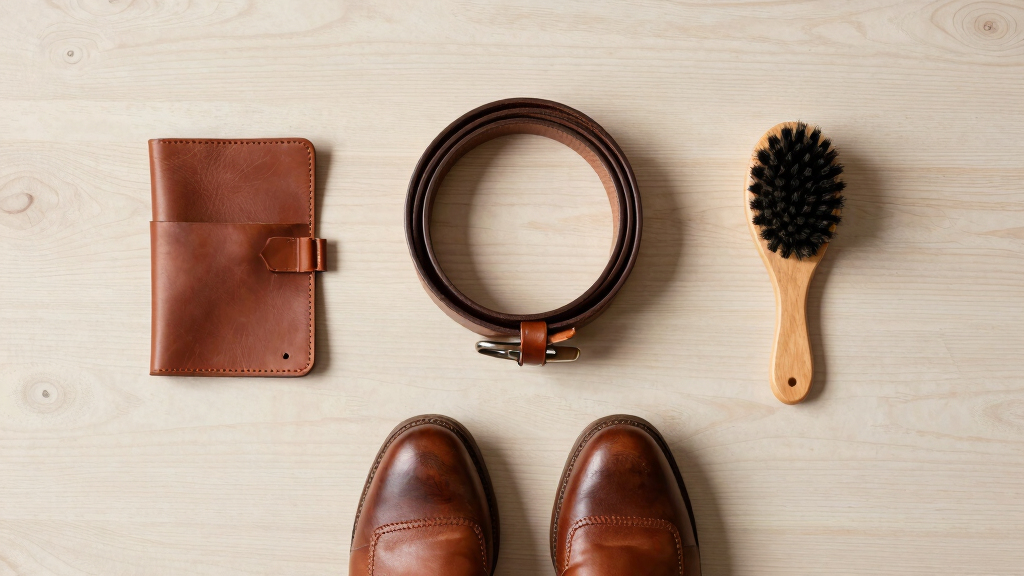
For example, a sleek black belt with black shoes creates a seamless, polished appearance perfect for formal events. Conversely, a dark brown belt with dark brown shoes offers a warm, professional vibe. The key is to pick shades that look natural together—like a rich chocolate brown belt with deep espresso shoes.
Pay attention to the finish too—matte belts with matte shoes, polished with polished. And remember, matching style matters. A formal dress belt should be slim and minimal, with a sleek buckle. Casual belts can be wider, with textured or distressed leather.
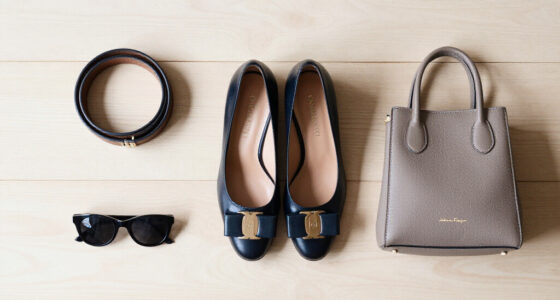
men's leather belt and shoe matching set
As an affiliate, we earn on qualifying purchases.
As an affiliate, we earn on qualifying purchases.
Why Color Matching Matters — And When It’s Okay to Break the Rules
Color matching your belt to your shoes isn’t just tradition; it’s a visual cue that you care about details. When your belt and shoes are the same color, your outfit looks intentional and cohesive. This consistency signals to others that you’ve put thought into your appearance, which can boost your confidence and perceived professionalism.
Understanding why this rule exists helps you appreciate its importance. When colors are matched closely, it creates a seamless visual flow that guides the eye smoothly across your outfit. This harmony minimizes distractions and emphasizes your overall style. Conversely, breaking this rule isn’t necessarily a mistake—it can be a deliberate stylistic choice to showcase creativity or personality. For example, pairing black shoes with a dark brown belt creates a subtle contrast that can look modern and sophisticated, especially if balanced well with other outfit elements. Such contrasts can also highlight your confidence in styling and break away from conventional norms, making your look more distinctive.
The tradeoff is that strict matching offers a timeless, clean elegance, but can sometimes be perceived as conservative or predictable. On the other hand, intentionally contrasting or mixing textures can add depth and personality, but risks appearing mismatched if not executed thoughtfully. The key is understanding the implications: matching promotes cohesion and understated elegance, while contrasts can signal boldness and originality. Knowing when to stick to tradition or when to experiment allows you to adapt your style to different settings and your own personality.
For example, wearing a black pair of sneakers with a dark brown leather belt may seem unconventional, but if styled intentionally with other cohesive elements, it can convey a relaxed confidence. The goal is to make deliberate choices that reflect your personal style while maintaining visual harmony.
According to stylist advice, the best approach is to match shades closely for formalwear, ensuring a polished, unified appearance. In casual settings, embracing contrasts and textures can showcase your personality and creativity, making your outfit more dynamic.
formal leather belt for dress shoes
As an affiliate, we earn on qualifying purchases.
As an affiliate, we earn on qualifying purchases.
Comparison Table: When to Match or Contrast Your Belt and Shoes
| Scenario | Match or Contrast | Why? |
|---|---|---|
| Formal business meeting | Match in color and style | Creates a polished, professional look—black shoes with black belt, dark brown with dark brown. |
| Casual weekend outing | Contrast or mix textures | Shows personality; mixing shades like navy shoes with a tan belt adds interest. |
| Creative job environment | Experiment with textures and colors | Bold contrasts, like patterned leather belts with colorful shoes, can showcase confidence. |
| Wedding or formal event | Always match in color and style | Ensures your outfit looks elegant and cohesive. |
As an affiliate, we earn on qualifying purchases.
How to Pick the Right Belt Width for Your Outfit
Choosing the correct belt width isn’t just about style—it’s about function and appropriateness for the occasion. A narrower belt (about 1-1.5 inches) works best in formal settings, sliding subtly under your jacket and not drawing attention.
Wider belts (up to 2 inches) are perfect for casual outfits, jeans, or weekend wear. They add a rugged, relaxed vibe. For example, a 1.25-inch belt pairs well with a tailored suit, while a 1.75-inch belt looks great with jeans and a casual shirt.
Remember, the belt should complement your belt loops—too wide or too narrow can look out of place.
embossed leather belt for casual outfits
As an affiliate, we earn on qualifying purchases.
As an affiliate, we earn on qualifying purchases.
Tips for Matching Textured or Patterned Belts with Shoes
Textures and patterns can add depth to your outfit, but they require a thoughtful approach. A smooth, polished belt pairs best with sleek, shiny shoes—think patent leather or high-gloss finishes. This harmony emphasizes sophistication and ensures your outfit looks cohesive.
If your shoes have texture—like crocodile or embossed leather—matching them with belts that have similar finishes enhances visual harmony. For example, pairing a crocodile-patterned belt with crocodile shoes creates a deliberate, unified appearance that signals attention to detail.
In casual wear, mixing textures like a distressed leather belt with suede shoes can work well, adding visual interest without clashing. The key is to balance the textures—avoid mixing too many different finishes which can appear chaotic.
Pro tip: Keep patterns subtle. A lightly embossed belt with a patterned shoe can look sophisticated, but avoid clashing loud prints. When textures and patterns are well-coordinated, they build depth and personality into your outfit, making it look more refined and thoughtfully assembled.
Deepening your understanding of textures and patterns helps you avoid visual clutter and ensures your outfit communicates intentionality. The subtle contrast between different finishes can elevate a simple outfit into something more stylish and memorable. When you choose textures deliberately, you create a layered look that signals sophistication and confidence, giving your overall appearance a polished, cohesive feel.
Recent Trends: Breaking the Rules Creatively
Fashion evolves, and today’s style mindset is more flexible. Bold contrasts—like pairing black shoes with a tan or light brown belt—are increasingly accepted, especially in casual and smart-casual outfits. This shift reflects a broader appreciation for individuality and personal expression in style choices.
Textured belts and colored accents are also trending. Imagine a caramel-colored belt with a pair of navy loafers—charming and modern, not out of place. These combinations often signal confidence and a willingness to experiment, which can set your style apart.
For example, a fashion-forward tradesperson might wear a textured, light brown belt with dark green shoes to add personality to their workwear, blending function with style. These choices show that rules are guidelines, not strict commandments, and that understanding balance allows for creative freedom.
According to style experts, the key is balance—use contrasts intentionally to create a look that feels deliberate, not sloppy. Thoughtful mixing of textures and colors can make your outfit stand out while still appearing cohesive and polished.
Remember, breaking the rules isn’t about chaos; it’s about understanding how to use contrast intentionally to highlight your personal style. When done well, it can add a distinctive edge to your wardrobe, reflecting confidence and creativity. The goal is to develop an eye for balance—knowing when a bold choice enhances your look and when it might detract from your overall appearance.
Frequently Asked Questions
Should my belt and shoes always match exactly in color?
While matching in color is the classic approach, in casual settings you can mix shades for a more relaxed, personal style. The key is to keep it intentional.Can I wear a brown belt with black shoes?
In formal settings, it’s best to avoid this combo. For casual or creative looks, pairing a dark brown belt with black shoes can work if it suits your style—just keep it deliberate.How do I match textured or patterned belts with shoes?
Match the finish—smooth with smooth, embossed with textured shoes. Keep patterns subtle and cohesive to avoid clashing. When in doubt, stick to similar textures. Understanding the implications of texture matching helps in creating harmony and avoiding visual clutter in your outfit.What belt width should I choose for a business outfit?
Narrow belts (1-1.5 inches) look most polished for formal wear, fitting neatly through belt loops and under a blazer. Wider belts are more casual, up to 2 inches for relaxed looks. Choosing the right width ensures your outfit looks balanced and appropriate for the occasion.Is it okay to mix colors in casual outfits?
Absolutely. Contrasting colors and textures in casualwear can add personality. Just make sure the overall look feels balanced and intentional, which reflects confidence and a good eye for style.Conclusion
Your outfit’s foundation is in the details. Matching your leather belt to your shoes—by color, style, and texture—can turn a good look into a sharp one. It’s about small choices that signal confidence and attention to detail.
Next time you dress up or down, remember: a well-matched belt and shoes aren’t just about rules—they’re about telling your style story with clarity and purpose.
Halloween Picks
halloween
As an affiliate, we earn on qualifying purchases.