
TL;DR

Get business pricing on tools and workshop supplies
- Business-only prices and quantity discounts
- Tax-exempt purchasing
- Multiple users, one account, clear invoices
Bridle leather belts excel in shape retention and a polished look, perfect for formal wear, while Chromexcel belts offer immediate comfort and a dramatic patina, ideal for casual or rugged use. Your choice depends on whether you prioritize structure or character over time.
Bridle leather offers superior shape retention, making it ideal for formal or structured looks.
Chromexcel provides immediate comfort and develops a rich patina quickly, perfect for casual or rugged styles.
Both leathers can last decades if maintained properly, but bridle leather resists stretching better over time.
Choose based on your priorities: durability and polish versus comfort and character.
Construction quality and hardware matter more than leather type—invest in a well-made belt for longevity.
Bridle Leather vs Chromexcel Belts
Bridle leather delivers the firm, polished confidence of a classic handshake. Chromexcel feels more like a warm hug—soft from day one, rich in variation, and eager to record every mile of wear.
Two premium leathers, two distinct personalities
Neither leather is universally superior. Bridle leather prioritizes stability and polish; Chromexcel prioritizes flexibility, pull-up, and visible evolution.
Bridle leather
Originally developed for equestrian tack, bridle leather is heavily nourished with fats and waxes. Its dense structure, strong edges, and smooth finish help a belt remain neat under repeated tension.
- Firm temper with excellent shape retention
- Usually vegetable-tanned, although recipes vary
- Slow, refined darkening and surface development
- Polished edges suit dress and business-casual wear
- Wax bloom is harmless and can be brushed away
Chromexcel
Chromexcel, often shortened to CXL, combines chrome and vegetable tanning with a rich infusion of oils, greases, and waxes. The result is soft, flexible leather with strong tonal depth.
- Supple feel and immediate wearing comfort
- Combination-tanned through a lengthy process
- Rapid patina with scratches, creases, and variation
- Pull-up lightens areas when the leather bends
- More potential to stretch or roll when thin or narrow
How the belts behave in real life
The practical divide is straightforward: bridle leather resists change, while Chromexcel makes change part of the appeal.
| Feature | Bridle leather | Chromexcel |
|---|---|---|
| Shape retention | ✓Excellent resistance to stretch and curl | ~More dependent on thickness and reinforcement |
| Initial comfort | ~Firm at first; softens gradually | ✓Soft and comfortable from the beginning |
| Appearance | ✓Smooth, polished, and relatively uniform | ✓Rich variation with a visible pull-up effect |
| Patina | ~Slow, subtle, and refined | ✓Fast, dramatic, and highly individual |
| Scratch response | ~Marks may stand out on polished surfaces | ~Scratches easily, but many marks rub out |
| Water resistance | ~Moderate protection from wax content | ✓Moderate to good, but never waterproof |
| Best style match | ✓Dress, equestrian, heritage, formal-casual | ✓Denim, workwear, rugged casual, heritage |
| Over-conditioning | ✗Can soften structure and dull the finish | ✗Usually unnecessary because CXL is oil-rich |
Signal key: ✓ strong fit ~ conditional or balanced ✗ avoid
Structure lives at one end; character lives at the other
These visual scores summarize typical tendencies, not laboratory measurements. Hide selection, belt width, thickness, lining, and maker quality can shift the result.
Relative strength by priority
From tanning method to the way your belt ages
The wearing experience follows a connected chain: processing shapes the fiber behavior, which shapes comfort, appearance, and maintenance.
Tan and nourish
Bridle is commonly vegetable-tanned and waxed. CXL combines tanning systems with abundant oils, greases, and waxes.
Firm or mobile
Dense bridle fibers resist deformation. Lubricated CXL fibers move more freely and create the pull-up effect.
Hold or mold
Bridle holds a crisp line. Chromexcel conforms quickly, records creases, and may stretch more under repeated tension.
Polish or patina
Bridle deepens slowly while staying structured. CXL develops dramatic tonal variation and a visibly lived-in surface.
Match the belt to the life you actually lead
Start with your wardrobe and tolerance for change. Then inspect construction before committing to either leather.
Office, tailoring, and polished casual
You want clean edges, limited stretch, a stable buckle position, and a surface that gains depth without quickly looking distressed.
Best match: BridleDenim, workwear, and rugged casual
You value immediate softness, tonal variation, pull-up, and a belt that quickly develops scratches and creases unique to your routine.
Best match: ChromexcelTools, holsters, or daily load
Prioritize substantial thickness, a supportive lining or reinforcement, strong stitching, solid hardware, and a correctly oriented cut.
Best match: Better buildThe maker matters more than the leather label.
A poorly cut premium hide can stretch, crack around holes, or fail at the buckle. A well-made belt in either leather can become a decades-long companion.
thickness
hardware
What Makes Bridle Leather Perfect for a Sharp Look
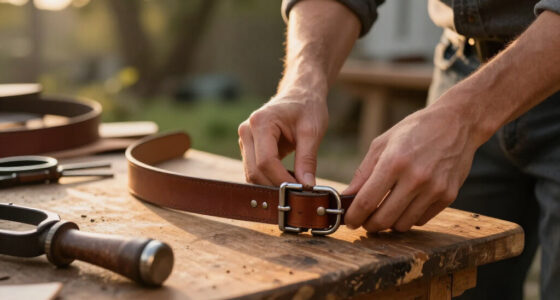
Bridle leather is the classic choice for those who want a belt that holds its shape and looks tidy through years of wear. Originally designed for horse tack, it’s heavy, firm, and polished to a smooth finish. Think of a well-made English riding belt—crisp edges, a dense surface, and a refined shine.
This leather’s dense structure resists stretching and curling. Its surface can be burnished to a high gloss, making it ideal for formal or business casual outfits. The slow patina that develops adds depth without losing that sharp edge. For example, a bridle leather belt from a reputable tannery can stay looking crisp even after a decade of daily use.
However, it’s not just about formality. Bridle leather ages gracefully, developing a subtle, deepened color as it’s used. The dense fibers allow the leather to maintain its shape over time, which is crucial for a polished appearance. This means fewer adjustments or reshaping, even after years of wear. It also means the belt retains a crisp, professional look that can elevate your outfit, whether in a business setting or formal event. The tradeoff is that this rigidity can feel stiff initially, and it requires some break-in time to reach optimal comfort. Its aging process is slow, but when it does develop a patina, it enhances the belt’s character without compromising its structure.
As an affiliate, we earn on qualifying purchases.
Why Chromexcel Belts Feel Like a Hug Right Out of the Box
Chromexcel, or CXL, is the leather equivalent of a well-worn baseball glove—soft, pliable, and full of character from day one. Made by Horween, it’s a proprietary blend of chrome and vegetable tanning combined with oils, waxes, and greases. This process creates a leather that’s rich in color variation and immediately comfortable.
Imagine stretching out a new pair of jeans and feeling them mold to your body. That’s what Chromexcel does for your waist. Its inherent softness and oily finish mean it molds quickly to your body shape, providing a custom fit almost instantly. This immediate comfort is a result of its unique tanning process, which preserves natural oils and adds lubricity to the leather, making it highly flexible from the start. The oils and waxes not only contribute to its softness but also promote rapid development of a rich, layered patina—each scratch and crease adding to its story. This quick aging process is beneficial for those who value character and uniqueness, as it visibly transforms over a few months of regular wear. However, this softness and character come at the expense of some structural rigidity, meaning it’s less resistant to stretching or deformation over time. The tradeoff is comfort and character over long-term shape retention, making it ideal for casual wear and those who appreciate a leather that evolves with their lifestyle.
As an affiliate, we earn on qualifying purchases.
How to Pick the Right Leather for Your Lifestyle
Choosing between bridle leather and Chromexcel isn’t about which is better—it’s about which suits your lifestyle best. Here’s a quick guide:
- If you need structure and longevity: Opt for bridle leather. It resists stretching, keeps a crisp appearance, and ages with subtle elegance. Think of a belt ready for a day at the office or a formal event.
- If comfort and character matter more: Go with Chromexcel. It’s soft, molds to your body faster, and gains a rich, layered patina that tells your story.
- For heavy-duty use or rugged style: Both work, but a lined Chromexcel or reinforced bridle leather can handle tools, holsters, or daily wear without losing shape.
Remember, the construction quality, thickness, and hardware matter more than the leather type. A well-made belt in either leather can last decades if cared for properly. Your choice should align with your daily activities, style preferences, and how much you value immediate comfort versus long-term structure. The right leather enhances your wardrobe by combining durability with the right aesthetic—whether that’s a sharp, formal look or a relaxed, lived-in vibe.
As an affiliate, we earn on qualifying purchases.
Durability & Stretch: Will Your Belt Keep Its Shape?
Both leathers can last decades, but how they age differs significantly. Bridle leather’s density makes it naturally resistant to stretching and curling. Its compact fibers act like a steel spine—firm, stable, and resistant to deformation even under tension. This means a bridle leather belt will maintain its shape, position, and crisp appearance over many years, making it ideal for formal or professional settings where a neat look is essential.
In contrast, Chromexcel’s softer, more pliable nature makes it more susceptible to stretching, especially if the belt is narrow or thin. The oils and waxes that give it character also mean it can elongate with daily flexing. Over time, this can lead to a slightly looser fit or minor roll at the edges, which might require occasional reshaping or replacement. However, a thicker, lined, or reinforced Chromexcel belt can mitigate some of this stretching, providing a good balance of comfort and durability. The tradeoff is that while it offers immediate comfort, it may not hold its shape as long as the denser bridle leather. The choice depends on how often you wear and tighten your belt, and whether you prefer a belt that stays crisp or one that molds comfortably to your body.
As an affiliate, we earn on qualifying purchases.
Aging Gracefully: Patina and Character Development
A belt’s personality is written in how it ages. Bridle leather develops a slow, elegant patina—surfaces become richer, darker, and smoother, especially around the buckle and holes. This gradual transformation enhances its visual depth and signifies a well-loved piece. The dense fibers allow the leather to age with subtlety, maintaining a structured appearance while gaining character. Over years, this slow patina process emphasizes refinement, making the belt look more distinguished without sacrificing its shape or form. It’s a hallmark of quality craftsmanship that appreciates wear and time as part of the leather’s story.
Chromexcel, however, transforms quickly. Its oils and waxes cause dramatic tonal shifts, scratches, and creases that become prominent features. Each mark adds to its character—like a well-traveled road map—telling stories of daily life. The rapid development of a layered patina can be desirable for those who love visible signs of use, but it also means the belt can look worn sooner, possibly requiring more frequent care or replacement if a pristine appearance is desired. The choice hinges on your appreciation for rapid character development versus a more understated, slow-aging process. Both paths offer unique beauty, but understanding these differences helps tailor your selection to your aesthetic and lifestyle preferences.
Care & Maintenance: Keep Your Belt Looking Great
Both bridle leather and Chromexcel require some TLC to look their best over the years. Regular dusting with a soft cloth, gentle brushing with a horsehair brush, and storing the belt loosely—never folding sharply—are fundamental to maintaining their integrity. Bridle leather benefits from occasional light conditioning with a neutral wax or leather balm, which helps keep the stiff, structured surface supple and prevents cracking. Over-conditioning, however, can soften the leather excessively and diminish its formal appearance, so moderation is key. Chromexcel, with its inherent oils and waxes, generally needs less frequent conditioning—brushing and light cleaning are often sufficient. Over-conditioning Chromexcel can cause it to become overly soft or darken unevenly, so always test first and apply sparingly. The main goal is to preserve flexibility without compromising the leather’s natural character. Recognizing the differences in maintenance routines ensures your belt ages gracefully—preserving its beauty, strength, and personality over time.
Water Resistance & Handling Wet Days
Neither leather is fully waterproof, but both can handle light rain better than most materials. Chromexcel’s oils and waxes provide a slight edge in repelling water, making it more suitable for outdoor wear or rainy commutes. This natural barrier slows water absorption, helping the belt retain its shape and appearance longer during damp conditions. Bridle leather, especially if vegetable-tanned, can resist moisture initially, but repeated exposure will strip oils and weaken its finish, leading to potential stiffening or cracking. To prolong its lifespan, always dry your belt naturally—avoid heat sources or direct sunlight that can dry out and damage the leather. If your belt gets soaked, allow it to dry slowly at room temperature, then condition lightly if needed to restore flexibility. This careful handling minimizes long-term damage and maintains the leather’s integrity, ensuring your belt remains functional and attractive even after weather challenges.
Color Transfer & Surface Marks: Watch Out for Stains
Dark, heavily conditioned belts—especially Chromexcel—can transfer dye or oils to light-colored clothing, particularly when new, warm, or wet. This is due to residual oils and surface finishes that haven’t fully set. Bridle leather, with its smoother and denser surface, tends to transfer less but isn’t immune. To prevent surprises, always test a small, inconspicuous area on a white cloth before wearing a new belt. Surface marks such as scratches and scuffs are more visible on Chromexcel because of its softer, more pliable surface. However, many of these can be rubbed out or brushed away with gentle care. Bridle leather’s tighter grain resists scratches better, maintaining a cleaner, more polished look over time. Being aware of these potential issues allows you to take preventive steps—like regular cleaning and careful handling—to preserve your belt’s appearance and longevity.
Construction & Quality: What To Look For When Buying
No matter the leather, quality craftsmanship matters more. Look for full-grain leather from reputable tanneries, with dense, smooth surfaces. The edges should be well-finished, and stitching tight and even. Proper construction ensures the belt can withstand daily wear without premature failure. Pay attention to hardware—solid brass or stainless steel buckles last longer and resist corrosion, adding to the overall durability. Reinforced holes, solid buckle attachments, and replaceable hardware are signs of a well-made belt that can be maintained and repaired, extending its lifespan. Ultimately, a high-quality belt combines excellent materials with thoughtful craftsmanship—this synergy is what ensures your investment remains functional and attractive for years to come.
Trends & Environment: What’s Changing in Leather Belts?
Market trends now favor traceability, natural grain, and minimal correction—reflecting a growing consumer desire for authenticity and sustainability. More brands are offering belts with removable buckles, hand-stitched edges, and eco-conscious tanning methods that reduce environmental impact. However, claims of vegetable tanning being “environmentally friendly” can be misleading if not considering the full lifecycle—water use, energy consumption, and waste management are critical factors. Responsible sourcing and transparent practices are essential for genuine sustainability. Expect more color options, slimmer profiles, and attention to craftsmanship—making belts more versatile, durable, and stylish than ever before. These changes emphasize craftsmanship, environmental responsibility, and personalized style, shaping a market that values both quality and ethics.
Your Burning Questions About These Leathers Answered
Is bridle leather the same as vegetable-tanned leather? Not exactly. While bridle leather is often vegetable-tanned, it undergoes additional treatments—such as fats and waxes—that enhance its durability and appearance. This means it’s not just about the tanning process but also about how the leather is finished and conditioned, which impacts its flexibility, shine, and aging characteristics. Recognizing these nuances helps you understand that bridle leather combines traditional tanning with modern finishing techniques to achieve a specific aesthetic and performance profile.
Does Chromexcel last longer than bridle leather? Both can last decades if made well. Bridle leather tends to hold its shape better due to its density, resisting stretching and deformation over time. Chromexcel, however, develops character quickly and wears in more rapidly, meaning it might show signs of use earlier but also gains a unique personality faster. Your choice depends on whether you prioritize long-term structural integrity or rapid character development.
Which stretches less? Bridle leather generally resists stretching more because of its dense, firm fibers. However, if you select a lined or reinforced Chromexcel belt, it can be stabilized against elongation. The tradeoff is that the softer, more pliable Chromexcel is more comfortable initially but may require occasional reshaping if used heavily or tightened frequently. Understanding these differences helps you select a belt aligned with your functional needs and aesthetic preferences.
Can I wear a Chromexcel belt with light-colored trousers? Yes, but caution is advised. Its natural oils and surface finish can cause dye transfer or darkening, especially when new or wet. It’s recommended to test the belt on a white cloth first and allow it to dry thoroughly if it gets wet. Over time, regular brushing and light conditioning can help reduce the likelihood of transfer, but always handle with care to preserve the light-colored fabrics and maintain the belt’s appearance.
How often should I condition my belt? Only when it feels dry, stiff, or shows signs of dehydration. Over-conditioning, especially with Chromexcel, can soften the leather excessively or cause uneven darkening. Regularly inspect your belt, and when needed, apply a minimal amount of conditioner or leather balm, ensuring even coverage. This approach prolongs the belt’s life while maintaining its intended look and feel.
Frequently Asked Questions
Can I use any conditioner on Chromexcel?
It’s best to test on a hidden area first. Chromexcel already contains oils and waxes, so frequent conditioning isn’t necessary and can make it overly soft or sticky. Use sparingly and only when the leather feels dry.Is vegetable tanning always more environmentally friendly?
Not necessarily. While vegetable tanning uses natural materials, the overall environmental impact depends on water, energy, and waste management. Both tannages can be sustainable if done responsibly.Which belt type is better for heavy tools or holsters?
A thick, reinforced, or lined belt made from either leather can work. The key is construction quality, hardware strength, and proper width—leather alone isn’t enough to guarantee support.Can I wear a Chromexcel belt with dressier outfits?
Yes, but keep the color and finish in mind. Darker, smoother Chromexcel can look sharp, especially in slimmer profiles. Just be aware of its more casual character compared to polished bridle leather.How do I prevent dye transfer from my belt?
Test on a white cloth before wearing, especially if the belt is new or wet. Regular brushing and avoiding excessive moisture help minimize dye transfer and surface marks.Conclusion
Your ideal belt isn’t just about the leather—it’s about how you wear it, care for it, and what story you want it to tell. Bridle leather champions a classic, structured look that ages with subtle grace. Chromexcel, in contrast, invites you to enjoy comfort and character from day one. The decision comes down to your daily needs and style preferences. Pick the leather that makes your belt a true extension of your personality and workhorse of your wardrobe.Halloween Picks
halloween
As an affiliate, we earn on qualifying purchases.