
TL;DR

Get business pricing on tools and workshop supplies
- Business-only prices and quantity discounts
- Tax-exempt purchasing
- Multiple users, one account, clear invoices
Gel knee pads excel in impact absorption and conforming fit, making them ideal for heavy-duty tasks. Foam pads are lighter, more breathable, and budget-friendly but may compress over time. Choose based on your work intensity and comfort needs.
Imagine kneeling on a concrete floor, your knees absorbing the shock as you finish that flooring job. The right knee pads can turn a brutal day into a manageable one. But with options like gel and foam, how do you pick? This guide breaks down the differences so you can make a smart, durable choice for your work.
Whether you’re laying tile, gardening, or doing light repairs, understanding what each type offers helps you avoid sore knees and wasted money. Let’s dig into what makes gel and foam knee pads tick, and which suits your daily grind.
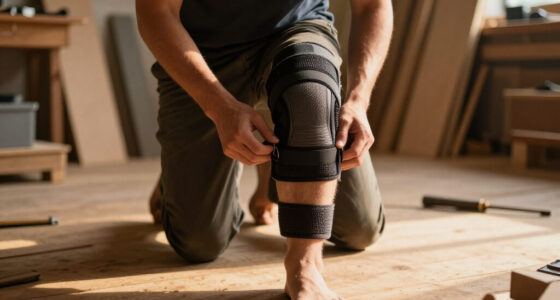
Gel knee pads offer superior impact absorption and conform closely to your knees, ideal for demanding jobs.
Foam pads are lighter, more breathable, and easier to maintain, perfect for casual or shorter tasks.
Hybrid knee pads combine gel and foam for a balanced approach, suitable for varied work conditions.
Durability depends on usage; gel pads need careful handling, while foam pads resist leaks but may compress over time.
Match your knee pad choice to your work environment, impact needs, and budget for best results.
What’s the Deal with Gel and Foam? Here’s the quick scoop
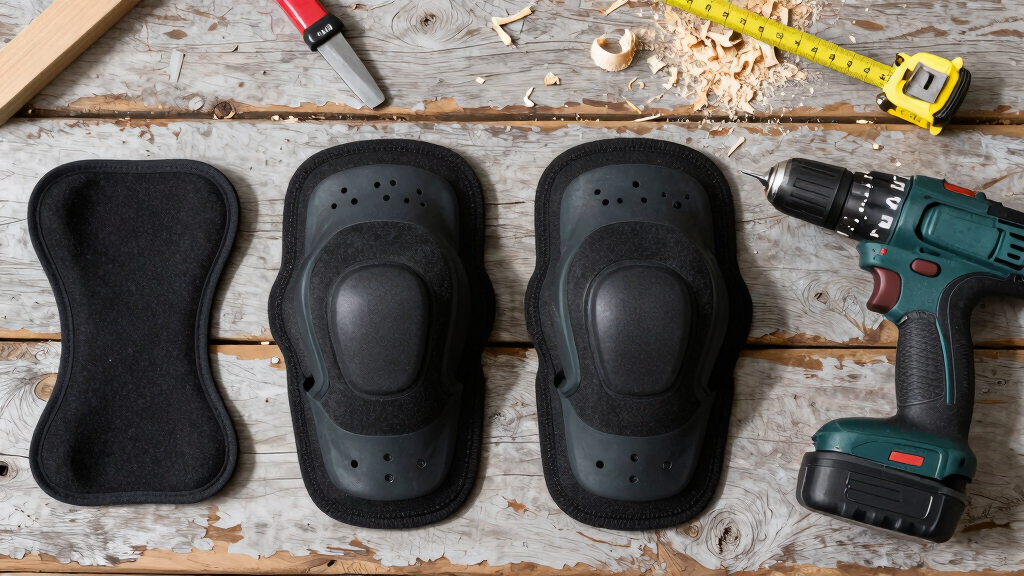
Gel knee pads use a soft, pliable gel insert that molds to your knee’s shape, providing plush comfort and shock absorption. Think of it like sitting on a gel-filled cushion that adapts to your body, giving you a customized fit. Foam knee pads rely on dense foam padding that compresses under pressure but returns to shape over time, similar to a memory foam mattress that molds to your body then bounces back.
For example, if you’re kneeling on rough concrete for an extended period, gel pads act like a soft pillow that cushions each movement, reducing strain. Foam pads feel more like a firm but forgiving cushion—easier to slip on quickly but may shift during long hours. The choice hinges on whether you prioritize a close, comfortable fit or lighter, more breathable protection. Each material’s response to your work environment influences how effective and comfortable they will be over time.
gel impact knee pads for construction
As an affiliate, we earn on qualifying purchases.
As an affiliate, we earn on qualifying purchases.
How do gel and foam compare on comfort and impact protection?
| Feature | Gel Knee Pads | Foam Knee Pads |
|---|---|---|
| Comfort | Conforms tightly, feels plush, ideal for long wear. Imagine kneeling on a gel cushion that molds perfectly to your knees, distributing pressure evenly and reducing fatigue during extended projects like tiling a large floor or installing countertops. | Lighter, more breathable, less snug but less plush. Think of it like wearing a lightweight foam pad that feels comfortable for quick tasks like gardening or light repairs, but might shift if you’re kneeling for hours. |
| Impact Absorption | Excellent, absorbs shocks from hard surfaces. Similar to how a gel-filled sports knee brace absorbs impacts during a fall, gel pads help protect your knees from vibrations and impacts when working on concrete or rough surfaces. | Good, but less effective under high impact. Like pressing into a foam mattress, repeated impacts can cause the foam to lose resilience, reducing its protective capacity—imagine a foam pad that becomes flat and less cushioning after several days of heavy use. |
| Suitability | Heavy-duty construction, flooring, industrial work. If you’re working on a construction site or doing heavy demolition, gel pads act like a shock-absorbing bumper, providing maximum safety and comfort. | Light gardening, casual DIY, light repairs. Foam pads are more like a quick, simple cushion—great for occasional tasks but less suited for prolonged or intense work where impact protection is critical. |
As an affiliate, we earn on qualifying purchases.
Durability showdown: Will gel or foam last longer?
Imagine using a gel pad on a rough concrete floor every day—over time, small punctures or tears might develop, similar to how a bicycle inner tube can eventually leak after frequent use. If the gel layer is compromised, impact protection diminishes, and you might notice a leak or a gel seepage, which can be messy and reduce cushioning.
Foam pads are like a pair of well-worn sneakers—they resist leaks and moisture better, but after months of kneeling on abrasive surfaces like gravel or tile, the foam can become permanently compressed, much like a sponge that’s been squeezed too many times. This results in less padding and reduced comfort, even if the foam itself remains intact. So, while foam is more resistant to punctures, it may need replacing sooner due to compression, especially in demanding environments.
As an affiliate, we earn on qualifying purchases.
Flexibility, fit, and weight — which wins?
Gel pads tend to mold closely to your knees, similar to how a custom-fit glove molds perfectly to your hand. This snug fit provides stability and reduces slipping, which is especially helpful during tasks like installing tiles or working on uneven surfaces where movement can cause discomfort or accidents.
Foam pads are lighter and more breathable, making them feel like a lightweight sports brace—ideal for quick jobs such as planting or light repairs where you don’t need a tight fit. However, because they don’t conform as tightly, they can sometimes shift or slip during prolonged kneeling, especially if straps aren’t secure. So, if you need maximum stability and comfort for long hours, gel pads are the better choice. If you prefer quick, casual use, foam offers a more relaxed fit and less weight to carry around.
heavy-duty impact absorbing knee pads
As an affiliate, we earn on qualifying purchases.
As an affiliate, we earn on qualifying purchases.
Price and maintenance — what’s the real cost?
- Gel knee pads: Usually cost more upfront, around 20-40% higher. Think of it like buying a high-end pair of running shoes—they cost more initially but can last longer if taken care of. Proper handling to avoid punctures or leaks is essential; for example, avoiding sharp objects or excessive stretching can help maintain the gel layer. If the gel does degrade or leak, replacing the insert can add to costs, making them more expensive over time if used daily on tough surfaces.
- Foam knee pads: Cheaper, often half the price of gel options. They’re like basic sneakers—affordable and straightforward. Maintenance involves just wiping them clean after use, and they rarely need replacing unless the foam tears or compresses enough to lose cushioning. Their lower initial cost and simple upkeep make them ideal for occasional use or light work, like gardening or household repairs.
Ultimately, choosing depends on your budget and how often you work. For long hours on hard surfaces, investing in quality gel pads might save your knees in the long run. For casual or infrequent tasks, foam pads are a cost-effective, practical choice.
Frequently Asked Questions
Which type of knee pad provides better impact protection?
Gel knee pads generally absorb shocks better than foam, making them the smarter choice for heavy-duty work or prolonged kneeling on hard surfaces.
Are gel knee pads worth the extra cost?
If you spend long hours kneeling or work on concrete floors, gel pads can reduce fatigue and discomfort, justifying their higher price.
Can foam knee pads be as durable as gel pads?
Foam pads resist leaks and tend to last longer in that regard, but they can compress over time, reducing cushioning and protective qualities.
Which is lighter — gel or foam knee pads?
Foam knee pads are usually lighter, making them more comfortable for quick or frequent kneeling tasks.
Are gel knee pads prone to leaks?
Yes, if the gel insert is punctured or degraded, it can leak. Good quality pads with sealed gel layers minimize this risk.
Conclusion
Choosing between gel and foam knee pads boils down to what you need most — impact protection or lightweight comfort. Remember, the right gear makes your knees last longer and work feel easier.
Next time you gear up, picture your knees thanking you for picking the right cushion. It’s a small investment that pays off in comfort and durability day after day.
Fall yard work Picks
leaf blowers
As an affiliate, we earn on qualifying purchases.