TL;DR
Prime for Young Adults — start your free trial
Fast free delivery, streaming and member deals for eligible 18–24 year olds.
Try it freeAs an affiliate, we earn on qualifying purchases.
Knee pads slide when they don’t fit well, or the material inside lacks grip. Choosing the right size, using non-slip features, and correct placement can keep them securely in place. Regular adjustments and accessories boost stability and comfort.
Nothing kills your momentum faster than knee pads slipping down right when you need them most. Whether you’re kneeling on a construction site or crawling around in your garage, loose knee pads turn into a distraction—and a risk. You need solutions that actually work, not just guesses.
This guide cuts through the fluff. You’ll learn why knee pads slide, what features matter most, and simple steps to keep them firmly in place. Because when your knee pads stay put, you work smarter, safer, and more comfortably.
A proper fit is the single most important factor to stop knee pads from sliding.
Look for knee pads with textured linings or silicone grips inside for better traction.
Adjust straps evenly and snugly—don’t tighten to the point of discomfort.
Use grip pads, silicone strips, or compression clothing to add extra hold.
Regularly check and readjust straps during your activity for best results.
Practical fit + grip guide
How to Stop Knee Pads from Sliding
Sliding pads are more than an annoyance: they interrupt your work, expose the kneecap, and create avoidable risk. The fix starts with the right size, a grippy interior, balanced strap tension, and placement that survives real movement.
Match the knee circumference, not a guessed clothing size.
Choose silicone, rubber, or textured interior contact points.
Balance strap tension without restricting circulation.
Check position and tension during prolonged activity.
Root-cause scan
Why pads migrate
Movement exposes every weak point in the pad-to-leg connection. A loose shell, slick lining, poor position, or uneven straps can turn repeated kneeling and crawling into a steady downward pull.
Sizing
Poor fit
Oversized pads cannot maintain contact. Undersized pads may pinch, rotate, or force straps into unstable positions.
Friction
Slick surfaces
Smooth lining against smooth trousers creates little resistance, especially when dust or sweat enters the interface.
Motion
Repeated flexing
Kneeling, crawling, and standing repeatedly pull the pad off-center when it cannot contour to the joint.
Setup
Uneven tension
One tight strap and one loose strap tilt the shell, concentrate pressure, and encourage gradual sliding.
If the shell exposes part of the kneecap after only a few minutes, stop and reset it. A displaced pad cannot distribute impact or pressure as intended.
Step by step
Dial in the fit
The best fitting test happens in motion. Measure first, adjust carefully, then reproduce the kneeling or crawling movement you will perform on the job.
Measure
Find the widest point
Measure around the knee at its widest point and compare the result with the maker’s size range.
Select
Match the activity
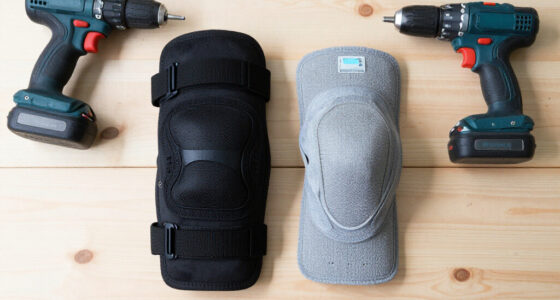
Try soft, hard-shell, and hybrid profiles. Bulk, contour, and movement control differ substantially.
Tension
Snug, never painful
Tighten both straps evenly. Secure contact is the goal; numbness, pinching, or throbbing means too tight.
Test
Kneel and crawl
Move through the real task. The shell should stay centered and pressure should remain evenly distributed.
Material matrix
Features that hold
Interior materials matter because they determine friction at the exact surfaces where the pad meets skin, clothing, and straps.
| Feature | Grip strength | Sweat control | Movement stability | Best use |
|---|---|---|---|---|
| Silicone-lined interior | ✓ High | ~ Moderate | ✓ High | Long shifts and frequent position changes |
| Textured rubber lining | ✓ High | ~ Moderate | ✓ High | Construction, flooring, and rough surfaces |
| Plain smooth foam | ✗ Low | ✗ Low | ✗ Low | Short, low-movement tasks only |
| Grip-backed straps | ✓ High | ~ Moderate | ✓ High | Crawling and repeated kneel-to-stand work |
| Moisture-wicking hybrid | ✓ High | ✓ High | ✓ High | Heat, sports, and prolonged active use |
Design trend
Hybrid construction
A protective hard shell paired with a soft, non-slip interior combines impact protection with better contact and reduced migration.
Quick check
Touch the lining
If it feels slick in your hand, it may feel even slicker after dust, sweat, and repeated motion.
Stability breakdown
Where the grip comes from
Fit and interior traction form the strongest foundation. Placement and maintenance then preserve that stability throughout the task.
Extra hold
Upgrade the pads you own
When the basic fit is already correct, small additions can improve friction and keep straps from loosening during sweaty, dusty, or high-movement work.
Add grip pads
Place purpose-made anti-slip pads inside the contact area to increase friction without replacing the entire pad.
Wear compression layers
Sleeves or leggings with grip zones reduce fabric movement and create a steadier base under the pad.
Install silicone strips
Add narrow silicone or rubber strips to strap contact points to resist gradual loosening and migration.
Clean contact surfaces
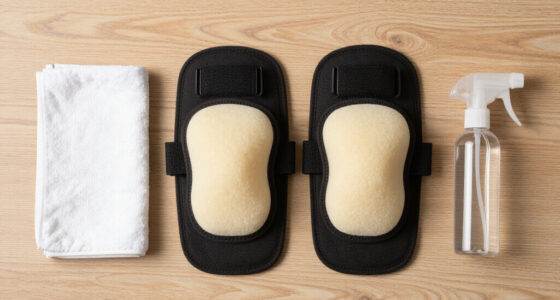
Remove dust, oils, and residue from linings and straps. Worn or contaminated grip materials lose effectiveness.
Secure-fit traceability chain
60-second checklist
Before you start
A fast pre-task check prevents most mid-job adjustments and helps reveal worn straps or poor positioning before they become a safety issue.
Why Do Knee Pads Slip Off? Here’s What’s Really Going on
Knee pads slip mainly because they don’t grip your skin or clothing properly. If they’re too loose or made from slick materials, they won’t stay put. Movement during kneeling or crawling can turn a snug fit into a slippery mess.
For example, a carpenter working on rough concrete floors often notices knee pads sliding after just 10 minutes—especially if their straps are loose or the padding isn’t textured enough to grip skin and fabric. When the grip is compromised, the pad’s stability diminishes, increasing the risk of slips that can cause discomfort or even injury. Understanding these root causes highlights the importance of both fit and material choice, as well as how movement and sweat can further reduce friction, making it vital to select features that enhance grip. Ignoring these factors may mean frequent adjustments or risking slipping injuries, especially during demanding tasks.
As an affiliate, we earn on qualifying purchases.
How to Pick the Perfect Fit — Step-by-Step
- Measure your knee circumference at the widest point. Most brands list size ranges—match your measurement. This ensures the pad isn’t too tight or loose, which directly affects stability and comfort. A poorly fitted pad can shift or slide, especially during movement, reducing effectiveness and increasing discomfort.
- Try different styles—hard-shell, soft, hybrid. Comfort and fit vary widely by design. Selecting the right type based on your activity helps optimize grip and reduces the risk of slippage caused by improper support or excessive bulk.
- Adjust straps so they’re snug but not tight enough to cut circulation. You should feel secure without pain. Over-tightening can cause numbness or restrict blood flow, which may lead to discomfort or distraction during work.
- Test the fit by kneeling or crawling. Your knee pads shouldn’t shift or slip during movement. This real-world test confirms that the fit is effective under actual conditions, preventing surprises during critical tasks. Properly fitted pads also distribute pressure evenly, reducing fatigue and discomfort over time.
For instance, a landscaper found that switching from a loose pair of knee pads to a snug, adjustable set cut slippage by 80%. Proper fit isn’t just comfort—it’s safety. Well-fitted knee pads stay in place, minimize distractions, and help prevent injuries caused by shifting or falling pads.
As an affiliate, we earn on qualifying purchases.
Materials That Keep Them in Place — What to Look For
| Feature | Why It Matters |
|---|---|
| Silicone- or rubber-lined interior | Creates friction against skin and clothing, reducing slip. These materials act as a grip-enhancer by increasing the coefficient of friction, which is crucial when sweating or moving quickly. They help maintain position, especially during extended use or vigorous activity, where slick surfaces become more problematic. |
| Textured or non-slip padding | Provides grip that holds the pad in place during movement. Textured surfaces break the smooth interface that often causes slipping, offering better control during kneeling or crawling. This feature is especially important in environments where sweat or dust can reduce grip, as it maintains stability and reduces the need for readjustment. |
| Adjustable straps with grip material | Secure fit that won’t loosen over time. Straps with non-slip grip sections prevent slipping even as tension fluctuates during movement or sweat. Properly designed straps distribute tension evenly, reducing pressure points and ensuring consistent contact, which directly correlates with stability and safety. |
Many high-quality knee pads now feature silicone linings or textured fabrics inside. These materials grip your skin or clothing, making slippage much less likely, especially during long shifts or intense activities. Choosing pads with these features means less time spent readjusting and more focus on your work, which is critical for efficiency and safety in demanding environments.
As an affiliate, we earn on qualifying purchases.
Placement and Tension — How to Keep Them Still
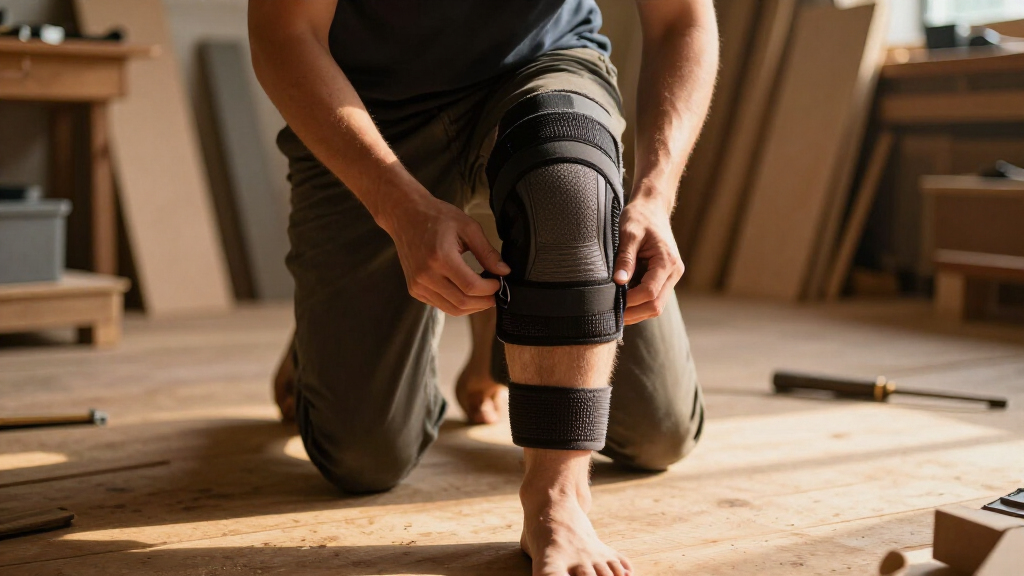
Proper placement is key. Position the knee pad centered over your kneecap, with straps evenly tightened. Too loose, and they slide down; too tight, and they cut circulation. Achieving the right tension ensures the pad stays in place without causing discomfort or restricting movement, which is essential for both safety and endurance during long tasks.
For example, a plumber found that adjusting straps to just snug, with even tension, kept knee pads from slipping during long kneeling sessions. Remember, consistent tension on all straps prevents shifting. Uneven tension can cause the pad to tilt or slide, reducing effectiveness and increasing discomfort. Proper tension also helps distribute pressure evenly, preventing pressure points that can lead to fatigue or injury.
Pro tip: Check your straps every hour. Sweat and movement can loosen them fast, and frequent adjustments ensure ongoing stability. Incorporating this habit into your routine maintains the grip and reduces the risk of sudden slips that could lead to accidents or discomfort.
As an affiliate, we earn on qualifying purchases.
Extra Tricks to Lock Your Knee Pads in Place
- Use grip-enhancing products—try anti-slip sprays or grip pads inside the knee pads. These products increase the coefficient of friction, providing immediate improvement in grip, especially in sweaty or dusty conditions. They are simple, cost-effective solutions that can make your existing pads perform better without replacement.
- Wear compression sleeves or leggings with grip zones to hold pads tighter. Compression clothing enhances contact and minimizes movement between skin and pad, reducing slippage and fatigue. This method is especially advantageous in activities involving a lot of kneeling or crawling, where stability is paramount.
- Attach silicone strips or rubber grips inside the straps for extra hold. These additions prevent straps from loosening during use, maintaining consistent tension and position. They are a quick upgrade that can significantly improve stability without changing your entire gear.
- Take a moment each hour to readjust and tighten straps as needed. Regular checks prevent gradual loosening due to sweat or movement, ensuring your pads stay securely in place. Developing this habit improves safety and comfort, especially during prolonged activities.
For instance, a flooring installer found that adding silicone strips inside their straps reduced slippage by nearly 50%. Small tweaks like these address common causes of slipping and extend the effective lifespan of your gear, making your work safer and more comfortable.
Comparing Solutions — Which Method Works Best?
| Solution | Pros | Cons |
|---|---|---|
| Proper fit and placement | Most reliable, no extra cost. Ensuring a proper fit addresses the root cause of slippage, making it the most durable and cost-effective solution. When correctly fitted, the risk of shifting reduces significantly, which enhances safety and comfort during prolonged use. | Requires time and effort to get right, including measurement and adjustment. This may involve trial-and-error, but the long-term benefits outweigh the initial investment in time. |
| Non-slip linings | Consistent grip, little fuss. They create a reliable friction layer that works regardless of sweat or dust, reducing the need for constant readjustment. This makes them ideal for demanding environments where reliability is crucial. | May add slight bulk, which could impact comfort or flexibility. However, the tradeoff is generally worth it for enhanced stability in critical tasks. |
| Grip-enhancing accessories | Easy to add, inexpensive, and quickly effective. They can be used with existing gear, providing an immediate boost in grip without extensive modifications. | Needs regular replacement or reapplication, which could add to maintenance time and costs. Their effectiveness may diminish over time or with heavy use, requiring ongoing attention. |
Choosing the right combo depends on your activity level, environment, and personal preference. For heavy-duty work, combining a snug fit with non-slip linings offers maximum stability. For quick fixes or less demanding tasks, grip accessories provide a practical, cost-effective solution. Understanding the tradeoffs helps you make informed choices that balance safety, comfort, and budget.
Frequently Asked Questions
How tight should my knee straps be?
The straps should be snug enough to hold the pad in place without cutting off circulation or causing discomfort. You should be able to move your leg freely but feel that the pad won’t slide down during kneeling or crawling.
Can I modify my existing knee pads to improve grip?
Yes. You can add silicone strips or rubber grips inside the straps or lining. Also, using grip-enhancing sprays or wearing compression sleeves can help keep your pads from slipping. Just avoid damaging the original structure of the pad.
Are some materials better for preventing sliding?
Absolutely. Silicone-lined interiors, textured rubber padding, and anti-slip fabrics are all proven to reduce slipping. These materials increase friction against your skin or clothing, making them more effective than slick, smooth surfaces.
How often should I replace my knee pads?
Replace your knee pads when the padding wears out, straps lose elasticity, or non-slip features degrade. Usually, after about 1-2 years of regular use, or sooner if you notice slippage or discomfort.
Conclusion
Keeping knee pads from sliding boils down to fit, materials, and placement. Invest in adjustable, textured, or silicone-lined options, and stay vigilant during use. When your knee pads stay put, you move faster, safer, and more comfortably—no distractions, just focus on the job.
Next time you put on your knee pads, think about the fit and grip. A small tweak can save you hours of annoyance—and maybe even prevent an injury. Remember, a secure knee pad isn’t just comfort; it’s safety in disguise.
Fall Picks
fall essentials
As an affiliate, we earn on qualifying purchases.