
TL;DR

Get business pricing on tools and workshop supplies
- Business-only prices and quantity discounts
- Tax-exempt purchasing
- Multiple users, one account, clear invoices
Strap-on knee pads offer more durability and a secure fit, ideal for heavy-duty tasks. Slip-in knee pads are more comfortable and quick to put on, suited for frequent kneeling. Your choice depends on activity needs and comfort preferences.
Knee protection isn’t just about safety — it’s about staying comfortable and productive. Whether you’re bending into tight spaces or just kneeling for hours, your gear makes a difference. The two main styles are strap-on and slip-in knee pads. Knowing their differences helps you pick what works best for your job or hobby.
If you wear the wrong type, you’ll feel it — discomfort, fatigue, even risking injury. Let’s break down what each style offers, what to watch out for, and how recent trends are shaping their designs.
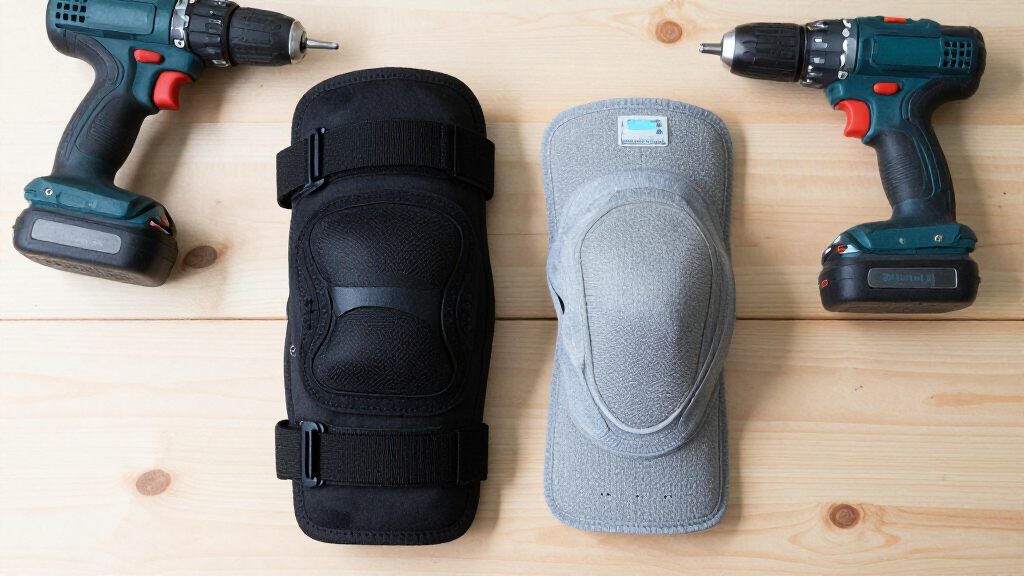
Strap-on knee pads excel in durability and a secure fit, ideal for heavy-duty work.
Slip-in knee pads are lighter, more flexible, and perfect for tasks requiring frequent kneeling and quick movement.
Proper fit and material choice directly impact comfort, safety, and lifespan of your knee protection.
Recent trends focus on lightweight, ergonomic designs, and even tech integrations for smarter safety gear.
Match your knee pad style to your activity — don’t just pick what looks good, pick what performs best.
How the Design and Fit of Knee Pads Matters
Strap-on knee pads wrap around your knee with adjustable straps, locking the pad in place. They often have a tough outer shell backed by foam cushioning — think of a sturdy helmet that stays put. This design ensures a stable fit, which is crucial when performing tasks that require stability, such as masonry or heavy construction. A secure fit minimizes shifting, reducing the risk of chafing or injury caused by movement during work. However, if the straps are too tight, they can restrict blood flow, leading to discomfort or numbness over time. The tradeoff here is between maximum stability and potential circulation issues, so adjusting straps properly is vital for long-term comfort and safety.
As an affiliate, we earn on qualifying purchases.
Comfort and Mobility: Which Knee Pad Style Keeps You Moving?
Comfort is king when you’re kneeling all day. Strap-on pads let you dial in the tightness, giving you a secure fit that won’t slip. But if straps are too tight, they can cause chafing or restrict blood flow, leading to discomfort or numbness after extended wear. Conversely, slip-in pads are lighter and less bulky, which translates to less fatigue and greater freedom of movement. They are especially advantageous for tasks that require frequent shifts from kneeling to standing, like gardening or carpentry. However, because slip-in pads rely on the fit of your clothing or built-in sleeves, poor sizing or loose-fitting garments can compromise stability. The tradeoff is between a customizable, secure fit and ease of movement — choosing the right style depends on your activity’s rhythm and your comfort preferences.
As an affiliate, we earn on qualifying purchases.
Protection and Durability: Which Style Holds Up Under Pressure?
Strap-on knee pads typically feature tougher shells, designed for heavy-duty work like demolition or masonry. Their robust construction resists impacts and abrasions, which is essential when working on rough surfaces or under conditions where knees may be subjected to heavy blows. This durability often translates into a longer lifespan, making them cost-effective over time despite higher initial investment.
Slip-in knee pads still offer good protection but are generally made with lighter materials that may wear out faster if exposed to extreme conditions or frequent impacts. They excel in indoor or lighter outdoor tasks, such as painting or light gardening, where the risk of severe impact is lower. The tradeoff involves balancing durability with ease of use — choosing a style that withstands your specific work environment ensures safety without premature replacement.
As an affiliate, we earn on qualifying purchases.
Ease of Use: Putting Them On and Taking Them Off
Speed and convenience matter. Strap-on knee pads take a minute to adjust each time but offer a customizable fit that can be fine-tuned for comfort and security. Once properly fitted, they tend to stay in place through extended periods of work, which is beneficial during long shifts. On the other hand, slip-in pads are designed for quick placement, especially if your work pants have built-in pockets or sleeves. This makes them ideal for tasks requiring frequent kneeling and standing, such as installing flooring or quick repair jobs. The tradeoff here is between the time spent adjusting straps and the instant convenience of slipping into a pre-fitted pad — your choice depends on how often you need to don or remove knee protection during your workday.
As an affiliate, we earn on qualifying purchases.
Best Uses and Activity Suitability
| Type of Knee Pad | Best For |
|---|---|
| Strap-On | Heavy construction, demolition, masonry, jobs needing maximum impact resistance. They provide a stable, supportive fit that can withstand rough conditions, reducing the risk of injury when knees are exposed to impacts or abrasions. |
| Slip-In | Gardening, carpentry, flooring, tasks requiring quick kneeling and standing, lighter indoor work. These pads offer ease of movement and quick access, which can improve efficiency and comfort during repetitive or less demanding tasks. |
For example, a bricklayer might opt for strap-on pads to withstand rough surfaces and impacts, while a painter or flooring installer might prefer slip-ins for their convenience and lightweight feel.
Trends Shaping How Knee Pads Evolve
Recent trends focus on lighter materials and better ergonomics. Manufacturers now use breathable fabrics and contoured shells to reduce fatigue and improve comfort during prolonged use. These innovations help prevent long-term injuries by reducing strain on the knees and improving blood flow.
Some slip-in models incorporate adjustable straps or hybrid designs, combining the benefits of stability and ease of use. These hybrid options give users flexibility to customize their fit while maintaining quick donning and removal.
The development of smart knee pads with sensors to monitor impact, pressure, and movement is on the horizon, primarily aimed at professional users who need data-driven injury prevention and performance tracking. These advancements reflect a broader shift toward more ergonomic, tech-enabled safety gear that enhances both comfort and safety.
Frequently Asked Questions
Which knee pad style is better for long hours of construction work?
Strap-on knee pads generally offer better durability and stability for prolonged, heavy-duty jobs. They stay securely in place and resist impacts, making them suitable for demanding environments.Are slip-in knee pads good for sports like volleyball or basketball?
Yes, slip-in or sleeve-style pads are popular in sports for their lightweight feel and freedom of movement. They provide adequate protection for non-contact sports, but for high-impact or collision sports, specialized sports knee pads with additional padding and support are recommended for maximum safety.How do I find the right size of knee pads?
Measure your knee circumference at the widest point and compare it to the manufacturer’s sizing chart. Ensuring a snug but not tight fit is essential—too loose, and they won’t stay in place; too tight, and they can restrict circulation or cause discomfort.Can I wear knee pads all day without discomfort?
Yes, if you select the appropriate style and size for your activity. Look for pads that don’t cause chafing, restrict circulation, or shift during movement. Taking short breaks and adjusting as needed can also prevent long-term discomfort during extended use.What maintenance is recommended for knee pads?
Clean your knee pads regularly with mild soap and air dry them to maintain their protective qualities. Inspect for signs of wear, such as cracks or thinning padding, and replace them when necessary to ensure continuous safety and effectiveness.Conclusion
Choosing the right knee pads means considering how you work, move, and what you need to protect. Strap-ons keep your knees locked in place for tough jobs, while slip-ins let you glide through lighter tasks with ease. The trick is to balance durability with comfort, so your knees stay safe and pain-free.
Remember, the best gear adapts to your workflow — not the other way around. Invest in quality, fit, and the right style, and your knees will thank you for years to come.
Fall yard work Picks
leaf blowers
As an affiliate, we earn on qualifying purchases.