
TL;DR

Get business pricing on tools and workshop supplies
- Business-only prices and quantity discounts
- Tax-exempt purchasing
- Multiple users, one account, clear invoices
An EDC belt is designed to support carried gear and stay stable under movement, while an everyday leather belt is usually designed primarily to hold up trousers and complement an outfit. Choose by the weight and placement of your gear, belt-loop fit, comfort, and dress requirements; a reinforced leather belt can serve both roles when its construction suits the load.
Choose an EDC belt when you regularly carry heavier or concentrated waistband loads and need the belt to stay stable as you move.
A leather belt can serve as an EDC belt if its construction, reinforcement, and buckle suit the load; leather alone does not guarantee support.
Measure your narrowest belt loops and check buckle clearance before choosing belt width or hardware.
Test a belt with your real gear by walking, sitting, crouching, and reaching before relying on it for a full workday.
Use nylon for easier moisture cleanup when that suits your work; care for leather by wiping it clean, drying it naturally, and conditioning it sparingly.
Carry guide · Belt comparison
EDC Belt vs Everyday Leather Belt
An EDC belt supports carried gear and stays stable in motion. An everyday leather belt is generally made to hold up trousers and complement an outfit. The right choice depends on your load, fit, comfort, and dress requirements.
See what changes when your belt carries gear
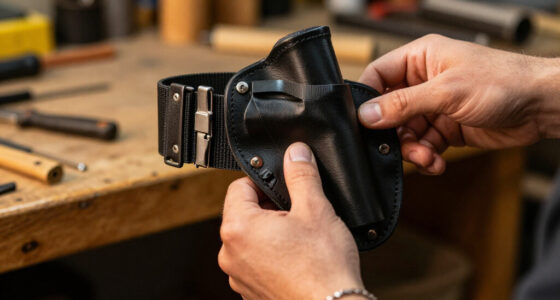
A holster or pouch concentrates weight at one point. That pull can twist or stretch a belt that works well for ordinary trouser support.
| Feature | EDC belt | Everyday leather belt |
|---|---|---|
| Main job | Support attached carry gear | Hold trousers and suit daily clothing |
| Common build | Reinforced nylon, webbing, or composite core | Leather; strength varies with build and reinforcement |
| Adjustment | Often hook-and-loop, ratchet, or fine-adjust buckle | Usually fixed holes |
| Typical tradeoff | More support may mean extra stiffness or bulk | Easy to dress up; may sag under concentrated weight |
| Best fit | Regular waistband carry and active movement | Ordinary trouser support, dressier outfits, or light carry |
Judge the build, not just the material
Thickness, reinforcement, stitching, buckle design, and fit affect how a belt behaves under load—and how it feels through a full day.
Stability under load
Stiffer construction can resist sagging and rolling when gear pulls from one hip. Match support to the heaviest item you routinely carry.
Layers and reinforcement
EDC designs often use reinforced nylon, webbing, or a composite core. Leather strength also depends on thickness, construction, and reinforcement.
Fine fit through the day
Hook-and-loop and ratcheting systems can offer more adjustment. Traditional leather belts generally use fixed holes.
Stiffness has a tradeoff
More rigidity can spread weight but feel bulky or restrictive when sitting and bending. Comfort depends on your body, clothes, and gear placement.
Match the setting
Leather often suits business-casual and formal clothing. Low-profile EDC finishes can blend into daily wear, while large buckles may stand out.
Plan for work conditions
Nylon is often easy to wipe clean and handles moisture well. Leather can last for years with care; clean it gently, dry it naturally, and condition sparingly.
A concentrated pull can change the whole fit
These bars illustrate relative design priorities, not measured scores. Actual performance depends on the belt, its fit, and your setup.
One hip carries the work
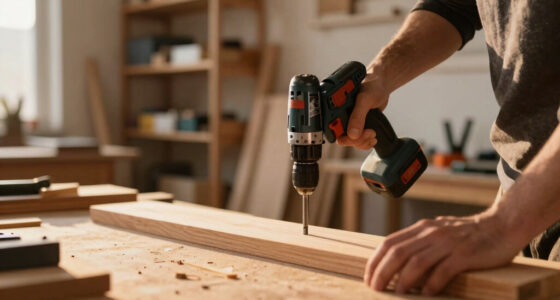
A carpenter bends repeatedly with a pouch on one side. A soft belt may twist or pull the waistband unevenly; a supportive belt can help keep the pouch where it was set. Loose trousers or poor pouch placement can still undermine the fit.
Match belt support to the heaviest item you routinely carry at your waist, not an item you carry once in a while. For holster use, follow the holster maker’s fit guidance and applicable laws.
Four checks before you commit
Fit and comfort matter as much as advertised strength. A belt can be too wide, rigid, or bulky for your clothing and daily movement.
Size the load
List the items you carry often and note where they sit on your waistband.
Check the loops
Measure your narrowest belt loops and check that the buckle clears them.
Inspect the build
Look at reinforcement, stitching, hardware, stated purpose, warranty, and care needs.
Move in it
Walk, sit, crouch, and reach with your usual clothes and gear before a full workday.
Let a normal Tuesday decide
Neither category wins every situation. The useful question is what your belt needs to do with the clothes and gear you actually use.
When weight moves with you
Regularly carry a heavier item, holster, or pouch at your waistband? Prioritize stable support, compatible width, comfortable hardware, and enough flexibility to move naturally.
When outfit comes first
For ordinary trouser support, a dressier look, or light carry, a conventional belt may be all you need. A reinforced leather design can bridge both roles if its construction suits the load.
Quick answers for everyday carry
Material and category names are starting points. Check the construction and the fit of your complete setup.
Can I use a regular leather belt?
Sometimes, especially for light items. A soft or narrow belt may sag under heavier or concentrated loads.
Is an EDC belt necessary for concealed carry?
Not necessarily. A supportive belt can help keep a holster stable, but suitability depends on the belt, holster, clothing, and individual fit.
Can a leather belt be an EDC belt?
Yes. Some leather belts are reinforced or built specifically to support carry; ordinary dress belts are not automatically designed for it.
Is nylon better than leather?
Neither is universally better. Nylon often offers easy care and adjustment; leather may suit traditional or dressier outfits.
How stiff should it be?
Stiff enough to avoid sagging with your intended load, but not so rigid that it digs in or restricts movement.
Will it fit my pants?
Check belt width, buckle dimensions, and clearance through your narrowest loops. Try the belt with the trousers you wear most.
See what changes when your belt carries gear
An EDC belt is built to support gear at the waistband and resist sagging as you move; an everyday leather belt is usually built to hold up trousers and match an outfit. The distinction matters because gear adds a load in a small area. A holster or pouch pulls down at one point, so a belt that works well for evenly distributed trouser weight may still twist or stretch under carry. | Feature | EDC belt | Everyday leather belt | |—|—|—| | Main job | Support attached carry gear | Hold trousers and suit daily clothing | | Common construction | Reinforced nylon, webbing, or composite core | Leather, with strength depending on build and reinforcement | | Adjustment | Often hook-and-loop, ratchet, or fine-adjust buckle | Usually fixed holes | | Typical tradeoff | Better support can mean more bulk or stiffness | Easier to dress up, but may sag under concentrated weight | For example, a carpenter wearing a pouch on one hip may notice a soft dress belt pulling down by lunch. That pull can change how the trousers sit and make the pouch harder to reach consistently. With only keys and a phone, the same belt could remain comfortable and tidy all day because the load is smaller and less concentrated. Neither belt type wins every situation; the load and clothing decide. The phrase EDC belt vs everyday leather belt can sound like a contest between two materials, but it’s really a comparison of jobs and construction. Some reinforced leather belts are made for carry, and some EDC belts have quiet finishes that blend into casual clothes. Check the stated purpose and how the belt is built before making a call.Products Worth Considering

WORX Pegasus Portable Folding Workbench and Sawhorse, WX051

EGO Power+ PST3041 3000W Nexus Portable Power Station with Four 5.0Ah Batteries

DEWALT 20V MAX XR Brushless 3-Speed Oscillating Multi-Tool Kit (DCS356C1)
As an affiliate, we earn on qualifying purchases.
Choose support that matches the weight you carry
An EDC belt is usually stiffer and less likely to sag or roll under concentrated waistband weight, which makes it a practical choice when your gear shifts as you walk, bend, or climb. The needed stiffness depends on both the load and where it sits: a small flashlight near the buckle creates a different pull from a holster or pouch hanging off one hip. A belt that resists that pull helps keep the waistband level, so gear stays positioned and you spend less time correcting your clothing. Imagine unloading materials from a van and bending repeatedly to pick up a tool case. A pouch on your right hip tugs at the belt each time you crouch. If the belt twists, the pouch can shift, the trousers can pull unevenly, and you may spend the day adjusting both. If it holds its shape, the load is more likely to stay where you set it. That still depends on the belt, the fit, your clothing, and how the gear attaches; stiffness cannot compensate for loose trousers or a poorly placed pouch. A traditional everyday leather belt can handle light carry, especially if it is broad and well made. But leather varies by thickness, tanning, stitching, and reinforcement, so material alone cannot promise support. A narrow or soft dress belt can stretch or deform under a heavier, concentrated load. That deformation can become a comfort issue as well as a durability issue: holes may elongate, edges may curl, and the belt may stop holding gear in a predictable position.Plain-language rule: Match belt support to the heaviest item you routinely carry at your waist, not to the item you carry once in a while.If you carry a holster, follow the holster maker’s fit guidance and applicable laws. The belt is one part of a setup, and a belt that feels supportive on its own may not suit your holster, clothing, or body.
Compare construction instead of trusting the material label
A belt’s construction is the combination of its material, thickness, reinforcement, stitching, and hardware; those details tell you more about support and service life than the words “leather” or “nylon” alone. EDC belts commonly use reinforced nylon, webbing, or a rigid composite core. Leather belts range from slim dress designs to reinforced builds intended to carry more weight. The layers and seams determine how well a belt resists bending where a pouch pulls, while the outer material affects feel, appearance, and care. That range matters at work. If you wear a radio pouch and a compact tool on the same side, a flimsy belt can begin to bow at the buckle or stretch near a hole. Once it bows, the load may tilt outward and pull the waistband down, making the setup less comfortable and less stable. A sturdy leather belt may handle that routine well; a reinforced nylon belt may resist moisture and wipe clean after a dusty day. Neither material is automatically the better buy because the work conditions and design requirements differ. Compare the buckle, attachment points, stitching, and how the belt holds its shape around your normal load. A heavy buckle can make a belt feel front-heavy, shifting pressure toward the stomach; a large buckle may catch on narrow loops or add bulk under a shirt. Stitching and reinforcement near stress points matter because wear often starts where the belt bends or where gear pulls on it. A high price does not prove durable construction. Look for clear information about the belt’s intended load, materials, warranty, and care needs. Recent belt designs have put more attention on low-profile buckles, micro-adjustment, and constructions that balance reinforcement with flexibility. Those are broad design trends; exact models and availability change. For example, a subdued buckle may blend under a work shirt, but a very rigid belt can still press uncomfortably when you sit. The fit still needs to suit the gear and trousers you wear. Treat appearance as one check among several, not a substitute for examining the build.Check the adjustment and fit before you commit
To find a belt that fits your clothing and gear, check its width, buckle clearance, and adjustment range with the trousers and equipment you actually wear. Many EDC belts use hook-and-loop closures, ratcheting systems, or specialized buckles for finer adjustment; traditional leather belts usually rely on fixed holes. Fine adjustment can help when you add or remove a layer, because even a small change in waist size can make a belt too tight when seated or too loose to hold gear steady. The tradeoff is that a more complex buckle may add bulk, require more effort to thread, or catch on narrow loops. Use this short fitting sequence before you decide:- Measure the loops. Check the narrowest loop on your regular work trousers, not just one roomy pair.
- Check the buckle. Make sure it can pass through the loops and sit comfortably when you bend or sit.
- Wear your real load. Attach the items you carry most days and check whether the belt shifts, pinches, or pulls the waistband.
- Move as you do at work. Walk, sit, crouch, and reach. A belt can feel fine standing still and dig into your stomach when you lean forward.
Balance all-day comfort against support
A stiffer belt can distribute gear weight more evenly and reduce sag, while a flexible conventional belt often feels less bulky during light use. The tradeoff shows up most when you sit, bend, or spend hours in a vehicle. A rigid belt may keep a pouch steady but press against your abdomen or the seat; a softer belt may feel better at first but allow a heavier load to pull the waistband out of place. More support is useful only if the belt remains comfortable in the positions your day requires. Think about a delivery driver climbing in and out of a van. A rigid buckle may press into the seat belt or dig into the abdomen when the driver leans forward. Repeated pressure can turn a seemingly minor fit problem into an all-day irritation. A softer leather belt may feel better in the cab, but it can sag if the driver also carries a heavy pouch. For a person carrying only keys and a phone, the softer belt may be the easier choice; someone with several waistband items may prefer more structure, provided it still bends comfortably when seated. Try on the belt with the layers you wear most often. A belt that fits over a tucked work shirt may feel too tight with a base layer and jacket, while a micro-adjustable closure can make small changes easier. Still, extra adjustment hardware adds bulk, and hook-and-loop material can collect lint over time. Comfort is not just a soft feel against the waist: it also depends on whether the belt holds gear in place without forcing you to tighten it enough to restrict movement.Fit should follow movement: If your belt supports the load while you stand but digs in when you crouch, it is not a comfortable match for that workday.Comfort also depends on belt width, loop placement, buckle shape, and where you carry weight. Shift a pouch or tool to another position if your setup allows it. Moving weight closer to the center can sometimes reduce one-sided pull, while changing the buckle or belt width may relieve pressure. A small change in placement can reduce one-sided pull without requiring a dramatically stiffer belt.