
TL;DR

Get business pricing on tools and workshop supplies
- Business-only prices and quantity discounts
- Tax-exempt purchasing
- Multiple users, one account, clear invoices
Waterproofing a tool bag involves choosing the right materials, applying effective treatments, and maintaining regularly. Advances like nanotech coatings and hybrid fabrics make modern waterproofing more durable and eco-friendly. Proper sealing and reapplication keep your tools dry in any weather.
Choose fabrics like coated nylon or PVC for maximum water resistance.
Seam sealing is essential—up to 80% of water gets in through unsealed stitches.
Reapply waterproof sprays every 6-12 months to maintain protection.
Add waterproof liners or covers to boost existing bags’ defenses.
Upgrade zippers with waterproof versions or covers to prevent leaks.
Choose the Right Material for Lasting Waterproofing
Waterproofing starts with selecting a fabric that can stand up to rain and splashes. Coated nylon, PVC, and tarpaulin are top contenders, offering rugged durability and water resistance. For example, a tool bag made from coated nylon can handle heavy rain without soaking through. If your bag is canvas, consider a waterproof coating or a fabric with a waterproof membrane. Remember, the material’s quality directly impacts how well your bag repels water.
Seam sealing is a must—up to 80% of water can sneak in through unsealed seams. Use seam tape or sealant along all stitched lines for a tight barrier. Think of it like sealing the joints of a boat; water finds the tiniest gaps. A well-chosen fabric combined with sealed seams creates a nearly impenetrable barrier against rain and splashes.
Choosing the right material isn’t just about initial water resistance—it also affects the bag’s flexibility, weight, and breathability. For instance, overly stiff waterproof fabrics might make the bag cumbersome, while highly breathable materials could compromise waterproof integrity if not properly sealed. Understanding these tradeoffs helps you select a material that balances durability with practicality for your specific needs.
As an affiliate, we earn on qualifying purchases.
Apply Waterproof Coatings and Sprays Like a Pro
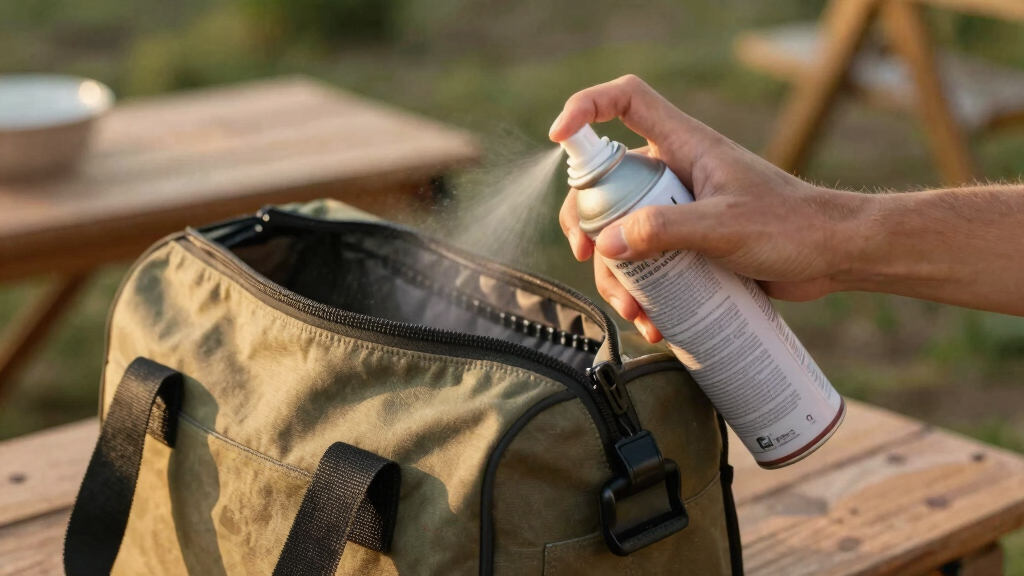
Waterproof sprays are a quick fix for existing tool bags. They create a water-resistant layer on the fabric surface. To do it right, clean your bag thoroughly with soapy water and let it dry. Then, spray evenly, paying extra attention to seams and corners. Reapply every 6 to 12 months, depending on use and exposure. For example, spraying your canvas bag before heavy rain can make a noticeable difference in durability.
Pro tip: Use a spray with silicone or acrylic base for flexible, long-lasting protection. These sprays won’t stiffen your fabric or peel off easily. Think of it like giving your bag a raincoat—lightweight, but tough enough to handle a downpour.
However, waterproof sprays have limitations that impact their effectiveness over time. They may degrade faster when exposed to abrasive conditions or frequent handling, reducing their protective capabilities. Some sprays can alter the fabric’s appearance or feel, which might be undesirable if you prefer the original look or texture. Recognizing these tradeoffs helps you decide if sprays are suitable for your needs or if investing in more permanent solutions is better for long-term durability.
As an affiliate, we earn on qualifying purchases.
Add a Waterproof Liner to Reinforce Protection
One effective way to waterproof an existing tool bag is by lining it with waterproof material. Think of it as adding an internal barrier that prevents water from reaching your tools even if the outer fabric becomes compromised. Heavy-duty polyethylene or waterproof fabrics can serve this purpose. Carefully cut the liner to fit inside your bag and secure it with tape or sew it into place, ensuring all surfaces are covered. This extra layer acts as a backup, especially valuable if your outer material has developed small leaks or has become worn over time.
Adding a liner provides a significant advantage: it can compensate for minor flaws or damages in the outer fabric, extending the useful life of your bag. However, this comes with some tradeoffs. The liner adds weight, which might make carrying the bag more cumbersome, and it can reduce interior space, limiting how many tools you can carry. Proper installation is crucial—if the liner isn’t fitted snugly, water might still find a path in through gaps. But when done correctly, it offers a reliable line of defense against water ingress, especially in challenging conditions.
As an affiliate, we earn on qualifying purchases.
Upgrade Zippers and Closures to Keep Water Out
Zippers and closures are often overlooked as water entry points, but they can be significant weak spots if not properly protected. Waterproof zippers or rubberized covers can dramatically improve your bag’s resistance to water. Replacing standard zippers with ones designed for waterproofing ensures a tight seal, even when fully closed. Covering existing zippers with flaps or tape creates an additional barrier, preventing rain or splashes from seeping in through the zipper track. Think of it as zipping up your coat with an extra rain guard—every layer adds to the protection.
Using roll-top closures or fold-over flaps enhances this effect by physically blocking water from reaching the zipper area. These simple modifications are especially effective in heavy rain or when working in wet conditions, as they prevent water from seeping through gaps or unsealed parts of the zipper. Upgrading zippers or adding protective covers isn’t just about preventing leaks—it also prolongs the lifespan of the closure mechanisms, which can be damaged or corrode over time when exposed to moisture. Carefully choosing and maintaining these features ensures your tool bag remains dry and functional in even the worst weather.
As an affiliate, we earn on qualifying purchases.
Maintain and Reapply Waterproofing for Long-Term Results
Waterproofing isn’t a one-time fix—it requires ongoing maintenance to stay effective. Regular reapplication of waterproof sprays or coatings is essential, especially after heavy use or exposure to rain. Think of it like maintaining a protective layer—over time, wear and environmental factors diminish its effectiveness. Reapplying every 6 to 12 months helps restore this barrier, ensuring your tools stay dry. Before reapplying, thoroughly clean your bag to remove dirt, grime, or residues that could interfere with adhesion. This process is similar to waxing a car—clean, protect, and reapply to keep the surface in top condition.
In addition to reapplication, regularly inspecting your bag for signs of damage is crucial. Small tears, worn seams, or degraded coatings can compromise waterproofing, leading to water ingress. Addressing these issues promptly—such as resealing seams or patching tears—can prevent further damage and extend the life of your bag. Neglecting maintenance might seem minor but can lead to significant problems, like rusted tools and compromised gear. Developing a routine of inspection and re-treatment ensures your waterproofing remains effective, saving you money and hassle in the long run.
Frequently Asked Questions
Can I waterproof my existing tool bag myself?
Absolutely. Clean it thoroughly, then spray with a waterproofing product or add a liner. Reapplying every year keeps your tools dry in rain or splashes.What material offers the best waterproof protection?
Coated nylon, PVC, and tarpaulin are highly resistant and durable. They stand up to heavy rain and rough handling better than untreated fabrics.How do I keep water out of zippers?
Use waterproof zippers or cover standard zippers with flaps or tape. Rolling the flap over the zipper adds an extra layer of protection against rain.Are waterproof sprays safe for all fabrics?
Most are safe for common fabrics like nylon and canvas, but always check the manufacturer’s instructions to avoid damage or discoloration.How often should I reapply waterproofing treatments?
Typically every 6 to 12 months, depending on exposure and use. Regular reapplication ensures your bag stays rainproof.Conclusion
Waterproofing your tool bag isn’t about fancy gadgets — it’s about smart choices and regular upkeep. A simple spray, sealing seams, or adding a liner transforms a soggy mess into a dry, dependable companion. Visualize your tools safe and sound, ready for whatever weather throws at you. That’s a tool bag worth carrying every day.Halloween Picks
halloween
As an affiliate, we earn on qualifying purchases.