
TL;DR

Get business pricing on tools and workshop supplies
- Business-only prices and quantity discounts
- Tax-exempt purchasing
- Multiple users, one account, clear invoices
Full-grain leather belts are the toughest, built for heavy-duty use and lasting decades. Suede belts are softer, more stylish, but less resistant to wear and stains. Your choice should match your work environment and care willingness.
Picking the right tool belt isn’t just about style — it’s about what will stand up to your workday. Whether you’re swinging a hammer or threading wires, the material makes a huge difference. Two popular options are suede and full-grain leather. Both look good, but they perform very differently.
Understanding what sets them apart helps you avoid wasting money on something that wears out fast or doesn’t suit your job. Let’s break down the key differences, real-world pros and cons, and what you should consider before making your choice.
Full-grain leather belts are the toughest, with a lifespan exceeding two decades when maintained properly.
Suede belts offer immediate comfort and a softer look but need gentle handling and more frequent replacement.
Invest in quality if you work in demanding environments — the upfront cost pays off over years.
Regular maintenance — conditioning for leather, brushing for suede — extends belt life and keeps it looking good.
Match your belt material to your work environment: rugged sites call for full-grain, casual or lighter work suits suede.
What’s the real difference between suede and full-grain leather?
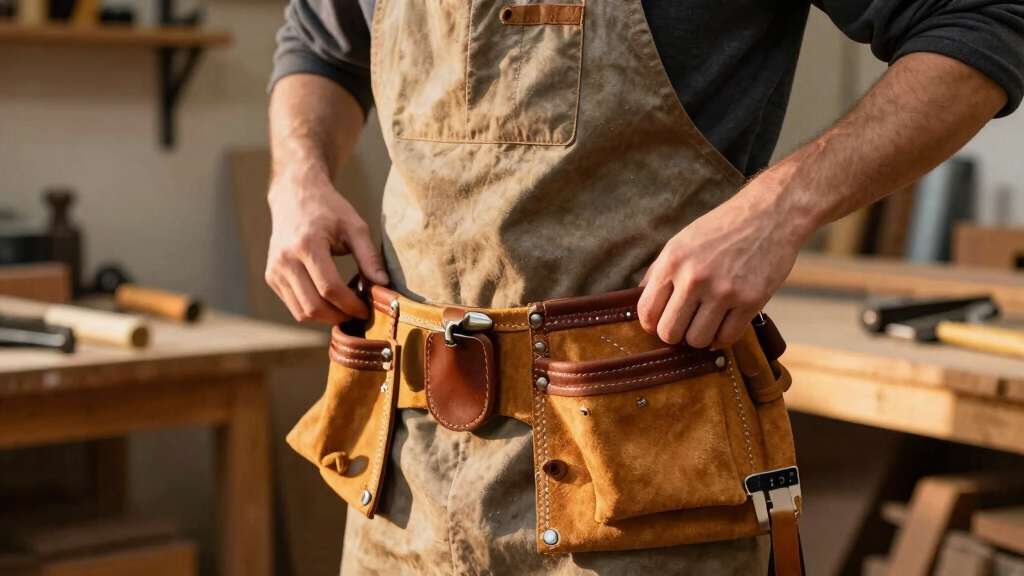
Full-grain leather is the top layer of a hide, untouched, with all its natural imperfections. It’s like the premium steak of leather — rich in strength and character. Suede, on the other hand, is made from the underside of the hide, processed to have a soft, velvety surface. Think of it as the plush, cozy side, more about feel than toughness.
For example, a full-grain belt will resist scratches and last decades with minimal care. It develops a beautiful patina over time, which is often seen as a mark of quality and character. Suede, however, feels softer and more luxurious against your skin but is inherently more delicate. This softness means it can absorb oils, dirt, and moisture more easily, which accelerates wear and staining. The tradeoff is comfort and aesthetics versus longevity and resilience. Recognizing these differences helps you choose based on your priorities — whether you value rugged durability or a stylish, comfortable fit.
As an affiliate, we earn on qualifying purchases.
Which material wins in toughness: suede or full-grain leather?
| Feature | Full-Grain Leather | Suede |
|---|---|---|
| Durability | Lasts over 20 years with proper care, resistant to tears and scratches. Its dense fiber structure makes it ideal for demanding environments, and it ages gracefully, developing a unique patina that adds character. This longevity means fewer replacements and consistent performance over time, which is crucial for professionals relying on their gear daily. | Prone to scuffs, stains, and wear; typically lasts 3-5 years with heavy use. Its softer structure makes it more susceptible to damage from abrasions, moisture, and rough handling. While initially appealing for comfort, its shorter lifespan can lead to more frequent replacements, potentially increasing long-term costs if durability is a priority. The tradeoff lies in the softer feel and aesthetic appeal versus the need for more careful handling and replacement. |
| Resistance to Elements | Better water and stain resistance, especially if treated. Properly conditioned full-grain leather can withstand rain and spills better, making it more suitable for outdoor or rugged environments. | Highly susceptible to water damage and staining; needs careful handling and prompt drying after exposure. Suede’s soft nap absorbs moisture easily, leading to potential warping, staining, or deterioration if not properly protected, which can compromise its appearance and durability. |
| Ideal Use | Heavy-duty construction, daily rough environments. Its resilience makes it the go-to for professionals working in tough conditions where gear is exposed to abrasion and weather. | Lighter tasks, fashion, or light-duty work. Suede is better suited for environments where style and comfort are prioritized over rugged durability, such as in studio or casual settings. |
As an affiliate, we earn on qualifying purchases.
Comfort and flexibility: Suede wins for feel, full-grain for longevity
Suede’s soft, velvety surface molds comfortably to your body from day one. Its plush texture provides a gentle, almost glove-like fit that many find immediately comfortable, especially during long hours of wear. This softness can reduce fatigue and chafing, making it a popular choice for those prioritizing comfort and style.
Full-grain leather, however, starts off stiff but becomes more flexible over time as it molds to your body. This process, known as break-in, can take weeks or months but results in a belt that fits perfectly and gains a rich patina. The initial stiffness might be a drawback for some, but the eventual flexibility and durability make it a preferred choice for those needing a long-lasting, supportive belt. The tradeoff is between immediate comfort with suede and long-term adaptability with full-grain leather.
As an affiliate, we earn on qualifying purchases.
Caring for suede vs full-grain leather: What’s involved?
Full-grain leather benefits from regular conditioning — think of it as giving your belt a vitamin boost to stave off cracking. Use a quality leather conditioner every few months to maintain suppleness and prevent drying out. Proper care ensures the leather remains resistant to environmental damage and ages gracefully, developing a desirable patina that adds character. Neglecting these routines can lead to dryness, cracking, and a shortened lifespan, especially if exposed to harsh conditions.
Suede needs a different approach. It requires gentle brushing with a suede brush after each use to remove dirt and restore the nap. Keeping it dry is crucial; water can ruin the soft surface, causing stains and warping. For stains, a suede eraser or specialized cleaner is more effective than traditional leather products, which can damage the soft nap. Regular application of a suede protector spray can help repel water and stains, extending its lifespan. In practical terms, suede belts need more attentive maintenance to stay looking good and functioning well. If you work in wet or muddy conditions, full-grain leather is generally more forgiving, while suede demands extra precautions and prompt care.
As an affiliate, we earn on qualifying purchases.
Cost considerations: Which belt saves you money over time?
Initially, suede belts are usually cheaper — around 20-30% less than full-grain leather. But durability matters. A $50 suede belt might last 3-5 years, requiring replacement sooner. In contrast, a $100 full-grain leather belt, with proper care, can last over 20 years, making it a more economical choice in the long run. When considering total cost of ownership, the higher upfront investment in full-grain leather often pays off by reducing the frequency of replacements and repairs.
Looking at cost per year, full-grain leather often proves more economical over time, especially for daily use. It’s akin to investing in a high-quality tool that performs reliably for decades rather than repeatedly replacing cheaper options. The tradeoff is the initial expense, which might be a barrier for some, but the durability and reduced replacement frequency make it a smarter long-term investment for demanding work environments.
Tip: Don’t skimp on quality if you’re working daily with tools. A cheap, low-quality belt may seem like a deal upfront, but the costs and inconvenience of frequent replacements can add up quickly, eroding any initial savings.
Real-world scenarios: When to choose suede, when to pick full-grain
Imagine you’re a drywall installer. You spend 8 hours a day on your feet, in a dusty, sometimes damp environment. A full-grain leather belt resists tears, stains, and moisture, making it an ideal choice for demanding, outdoor, or industrial settings. Its toughness ensures it withstands the rigors of daily hard use, reducing the need for frequent replacement and providing consistent support over years of service.
Now, picture a jewelry maker who works in a studio. Comfort, style, and delicate handling are key. A suede belt feels gentle against the skin, adds a touch of sophistication, and looks sharp for casual or semi-formal environments. While it may require more careful handling, it enhances comfort and aesthetic appeal, making it suitable for lighter tasks or fashion statements.
Deciding factors: Rugged environment? Go full-grain. Need a stylish, comfortable belt for light-duty or fashion purposes? Suede might be your best bet. Understanding these scenarios helps you choose a belt that aligns with your specific work conditions and style preferences, ensuring you get the most value and longevity from your investment.
Frequently Asked Questions
Is full-grain leather really worth the extra cost?
Yes. Full-grain leather lasts over 20 years with proper care and resists daily wear better than suede. It’s a long-term investment that pays off in durability and value.Can I use a suede belt in a construction site?
While comfortable and stylish, suede isn’t ideal for heavy-duty environments. It’s more prone to stains and damage, so full-grain leather is usually the better choice for rugged sites.How do I prevent my suede belt from getting stained?
Use a suede protector spray regularly, keep it dry, and brush off dirt after each use. Avoid exposing it to water or muddy conditions as much as possible.What’s the biggest downside of suede belts?
Their vulnerability to water, stains, and faster wear makes suede less suitable for demanding or outdoor work compared to full-grain leather.How do I know if a leather belt is full-grain?
Look for descriptions from the manufacturer stating it’s full-grain or top-grain. Feel the surface—full-grain leather has a natural, textured feel, not a smooth, synthetic finish.Conclusion
Choosing the right tool belt isn’t just about looks — it’s about what lasts through your workweek. Full-grain leather stands out for durability and long-term value, especially in tough environments. Suede offers comfort and style but demands more gentle treatment.
Think about your daily tasks, environment, and how much time you’re willing to spend on care. Your perfect belt balances these factors, saving you money and frustration in the long run.
Remember: a quality belt is an investment. It’s the foundation for your gear, your comfort, and your day’s productivity. Pick wisely, and your belt will serve you for years to come.
Columbus Day / Indigenous Peoples' Day Picks
long weekend sales
As an affiliate, we earn on qualifying purchases.