
TL;DR
A well-organized, ergonomic tool belt setup for roofers boosts productivity by up to 30%. Focus on comfort, quick access, and durability. Modern features like modular systems and safety details make a big difference.
Choose durable, weather-resistant materials like nylon or leather to extend belt lifespan.
Organize tools into designated zones for quick access — practice your setup before work begins.
Prioritize ergonomic features like padded waistbands and adjustable straps to prevent fatigue.
Incorporate safety features such as reflective strips and secure fasteners to avoid accidents.
Stay updated on innovations like modular systems and magnetic holders for faster, safer work.
How to Choose the Right Material for Your Roofers’ Tool Belt
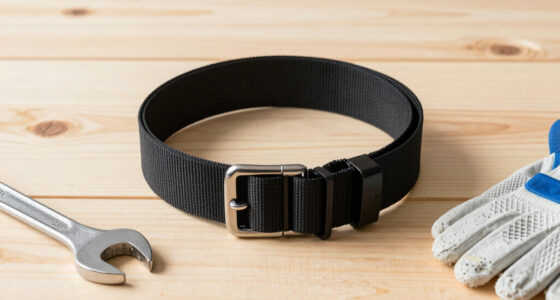
Picking the right material is the foundation of a durable, comfortable tool belt. Leather offers unmatched toughness but can be heavy, which means it might restrict movement or cause fatigue over long shifts. Nylon and reinforced polyester are lighter and more breathable, making them preferable in hot conditions; however, they may wear faster if not reinforced properly. For example, a roofer working in the summer might prefer a moisture-wicking nylon belt with reinforced stitching to handle tools and weather, but they should also consider the tradeoff: lighter materials might need more frequent replacement or careful maintenance.
Look for belts with corrosion-resistant hardware—stainless steel or coated buckles prevent rust, especially if you’re working near saltwater or in rainy environments. The choice of material impacts not only comfort but also longevity and safety; a torn or frayed belt can lead to accidental tool drops or injuries, so investing in high-quality, weather-resistant materials reduces downtime and replacement costs over time.

The Diamondback GRRande 2.0 Tool Belt System, Right Handed | For Carpenter Framer Roofer | Padded 5 pockets, 13 slots, 2 loops | Holds Drill Bit Index, Speed Square, Measuring Tape
Toolbelt Size: Large (L) 42"- 47". For correct size measure the distance around the abdomen over the belly…
As an affiliate, we earn on qualifying purchases.
As an affiliate, we earn on qualifying purchases.
How to Organize Your Tools for Lightning-Fast Access
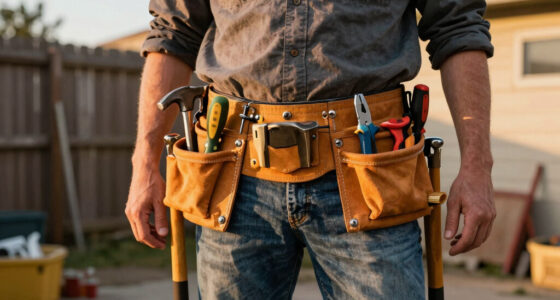
Organization is your secret weapon on a busy roofing site. Properly arranged tools reduce the time spent searching, which not only boosts efficiency but also minimizes safety risks caused by rushing or rummaging. Use a mix of pouches, loops, and compartments to segregate tools by how often you use them, but also consider the workflow implications—placing frequently used tools in easily accessible zones minimizes unnecessary movement and fatigue. For example, keeping your hammer and utility knife in front pockets allows quick access, while nails and screws go in lower pouches to prevent cluttering your main workspace.
Here’s a practical setup:
- Front pouch: Hammer, screwdriver, and tape measure.
- Side loops: Pliers and crowbar.
- Lower compartments: Nails, screws, and fasteners.
- Special pockets: Safety glasses, gloves, and small tools.
Test your setup by doing a mock run — can you grab what you need without rummaging? The goal: tools at your fingertips, not buried in the depths of your belt. Effective organization reduces unnecessary movement, which prevents fatigue and helps maintain focus during demanding tasks. It’s a small change that can have a significant impact on your safety and productivity.

STRONGLAD Framing Tool Belt – 21-Pocket Full-Grain Oil-Tanned Leather Carpenter Tool Bags, Construction Tool Belt with Hammer Holder
Framing Tool Belt for Carpenters – Heavy duty leather tool belt keeps fasteners, hand tools, and jobsite essentials…
As an affiliate, we earn on qualifying purchases.
As an affiliate, we earn on qualifying purchases.
Comparing Modern Materials & Features in Roofing Tool Belts
| Feature | Traditional Belts | Modern Belts |
|---|---|---|
| Material | Leather or canvas | Lightweight nylon, reinforced polyester |
| Weight | Heavy, can cause fatigue | Lightweight, reduces fatigue |
| Safety features | Basic straps | Reflective strips, quick-release clips |
| Modularity | Limited options | Magnetic holders, customizable pouches |
Modern belts focus on weight reduction, safety, and customization. These features matter because they directly influence a roofer’s comfort, safety, and efficiency. For instance, impact-resistant pouches absorb shocks that could otherwise cause tools to crack or become damaged, extending their lifespan and reducing replacement costs. Quick-release clips allow for rapid tool swaps, saving precious seconds during busy work days, which can accumulate into significant time savings over the course of a project. The tradeoff is that some advanced features may add complexity or initial cost, but they often pay off through increased safety and productivity. Understanding these differences helps you make smarter investments tailored to your specific work environment and needs.

Aupofit Pro Ergonomic Tool Belt with Padded Suspenders
42-Pocket Smart Organization: Wide-open structured pockets keep all tools visible and accessible – no more digging through stacked…
As an affiliate, we earn on qualifying purchases.
As an affiliate, we earn on qualifying purchases.
How to Ensure Your Tool Belt Is Comfortable for Long Days
Comfort starts with proper fit. A tool belt that’s too tight can restrict circulation, leading to numbness or discomfort after hours of wear, while a belt that’s too loose causes tools to swing or fall, increasing the risk of injury or distraction. Adjust the straps to sit snugly around your waist, ensuring the weight is evenly distributed to avoid pressure points. Padding on the waistband and adjustable straps are game-changers—they absorb shock, prevent chafing, and allow you to fine-tune fit as your workday progresses. For example, a roofer’s belt with a padded waistband and breathable mesh lining can prevent sweat buildup and back fatigue, even after six hours on the roof. Also, consider belts with multiple adjustment points—these allow you to adapt to changing conditions or clothing layers, maintaining comfort throughout the day.
Don’t forget to check the weight of your loaded belt. A fully equipped belt should feel balanced; if it drags or causes strain, it can lead to musculoskeletal issues over time. Properly fitted and balanced belts improve posture, reduce fatigue, and help prevent injuries, enabling you to work longer and more safely.

Toolwiz Magnetic Pick Up Sweeper 17-inch Heavy Duty Magnet Pickup Lawn Sweeper Roofing Tools, 8.8 Lbs Yard Tools with Smooth Wheels to Clean Nails for Construction
Toolwiz 17-inch magnetic sweeper maintaining a load capacity of up to 8.8 pounds provides a perfect solution to…
As an affiliate, we earn on qualifying purchases.
As an affiliate, we earn on qualifying purchases.
Safety Features That Keep You Secure on the Roof
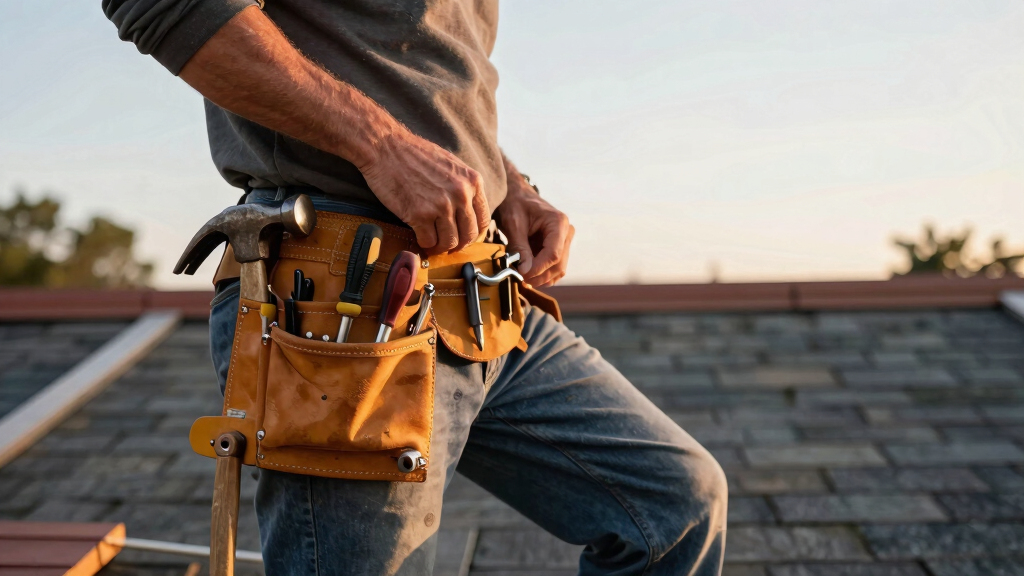
Safety isn’t just about your harness—your tool belt plays a crucial role in preventing accidents. Secure tools with locking clips or taser-style fasteners so they don’t fall, especially when working at height or near edges. Overcrowding can cause snagging or tripping hazards, so carry only what you need and organize tools to minimize clutter. Reflective strips are vital for visibility during early mornings or late evenings, helping others spot you and avoid accidents. Pouches with reinforced edges or shock-absorbing layers can handle heavy, sharp tools, preventing accidental cuts or punctures that could cause injuries or tool failures. For example, a roofer might carry a hammer with a locking loop and wear a belt with high-visibility stripes, which keeps tools in place and makes them easier to spot in low light, reducing the risk of dropped tools or trips. Incorporating these safety features is about proactively reducing hazards and ensuring your safety throughout the workday.
What’s New? Latest Innovations in Roofing Tool Belts
Roofing tool belts are evolving rapidly, integrating features that directly impact safety, efficiency, and comfort. Lightweight, breathable fabrics with moisture-wicking capabilities keep you cooler and reduce fatigue in hot conditions, allowing longer work periods without discomfort. Modular systems enable you to customize your setup—adding or removing pouches based on the specific job, which minimizes unnecessary weight and clutter. Magnetic tool holders and quick-release clips allow for rapid access to tools, saving seconds that add up over a day’s work. RFID tags for inventory management help prevent tool loss and streamline gear tracking, especially on large or cluttered sites. Safety features like reflective strips and shock-absorbing pouches are now standard in high-end belts, significantly reducing accident risk. Imagine a belt with integrated smartphone pockets, enabling you to manage plans or communicate without stopping—these smart innovations can boost productivity and safety simultaneously. Embracing these advancements helps you stay ahead in the field, making your work safer, faster, and more comfortable.
Frequently Asked Questions
What are the best materials for a roofers’ tool belt?
Look for belts made of nylon or reinforced polyester for lightweight durability and moisture resistance. Leather offers toughness but can be heavier and less breathable. Choose based on your climate and comfort preferences.
How should I organize my tools for maximum efficiency?
Group tools by usage frequency — keep essentials like hammers and screwdrivers at the front, nails and fasteners in lower pouches, and small items in dedicated compartments. Practice your setup before starting work to ensure quick access.
What safety features are most important in a roofing tool belt?
Secure fasteners, reflective strips for visibility, and reinforced pouches for heavy or sharp tools are key. Avoid overcrowding to prevent snagging or accidental drops, and always double-check tool attachment before climbing.
How do I prevent tools from falling off during work?
Use locking clips, T- or taser-style fasteners, and reinforced loops to keep tools secured. Regularly inspect and tighten fasteners, especially after heavy use or exposure to weather.