TL;DR

Get business pricing on tools and workshop supplies
- Business-only prices and quantity discounts
- Tax-exempt purchasing
- Multiple users, one account, clear invoices
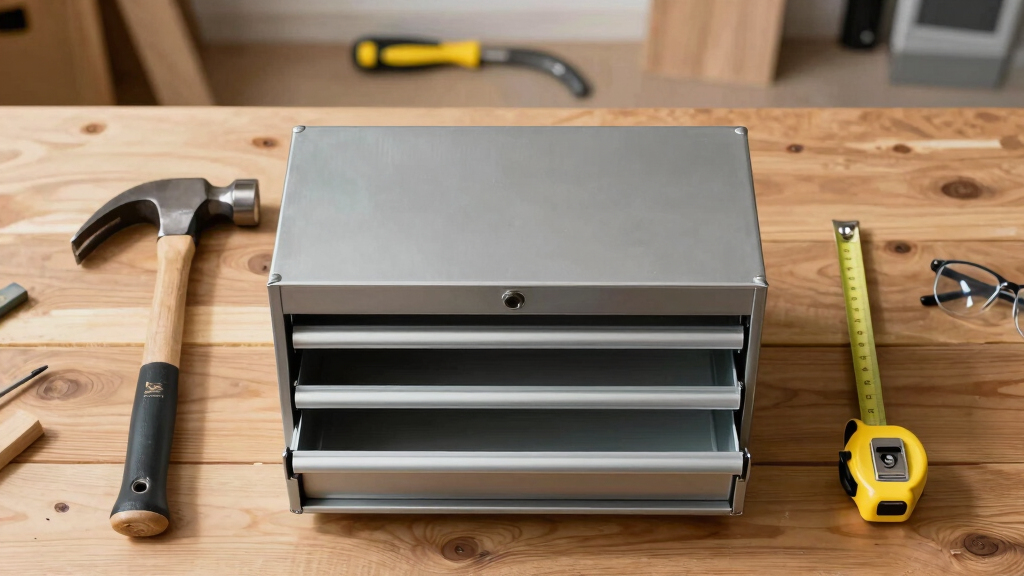
The number of drawers you need in your tool chest depends on your tools and workspace. Smaller setups might need 3-6 drawers, while pros often require 10 or more for efficient organization. Tailor your chest to fit your specific needs.
Match your drawer count to your actual tool collection—don’t overbuy or undersize.
Organize drawers by task or tool category to save time and avoid clutter.
Consider your workspace size—small garages need compact, efficient chests.
Durability and price go hand-in-hand—choose a build that lasts without breaking the bank.
Opt for modular or expandable systems if your tools or needs might grow.
Start with Your Tool Collection: How Many Drawers Actually Fit Your Needs
Knowing how many drawers you need begins with your tools. Do you own a handful of essential wrenches, screwdrivers, and pliers? Or does your collection include power tools, specialty bits, and hardware? Small tool sets, like a basic electrician’s kit, might fit comfortably into a chest with 3-6 drawers. But if you’re a pro with a full set of power tools, sockets, and hand tools, you’re looking at 10 or more.
For example, a mechanic with a garage full of socket sets, screwdrivers, and specialty tools might need a chest with around 15 drawers to keep everything organized without digging through clutter.
Think about how often you use each tool. If you reach for your impact driver daily, give it a dedicated drawer. If some tools only come out once a year, they can share a smaller compartment.
Understanding your collection’s size and variety helps prevent over- or under-investing in storage. Too few drawers can lead to clutter and frustration, while too many might mean wasted space and money. Striking the right balance ensures each tool has its place, and you can efficiently access what you need without rummaging or sacrificing organization.
As an affiliate, we earn on qualifying purchases.
Maximize Accessibility: Why Drawer Layout Matters More Than Just Number
Having lots of drawers won’t help if you can’t find what you need. Organization is key. A good layout separates tools by category—hand tools, power tools, fasteners—so you can grab what you need fast.
For example, place frequently used screwdrivers and pliers in the top drawers for quick access. Less-used items, like specialty tools, can go in deeper, lower drawers.
Think of your chest as a mini-workshop—each drawer should serve a purpose, avoiding overcrowding. If your drawers are stuffed, you’ll waste time digging around or risk damaging tools.
Effective drawer layout reduces search time, minimizes tool damage, and streamlines your workflow. It’s about understanding your daily routines and positioning your most-used tools within easy reach. An organized layout might mean sacrificing some drawer count but significantly boosts efficiency and reduces frustration during busy work sessions. The right layout turns your chest from a cluttered storage space into a well-oiled part of your workflow.
professional tool storage organizer
As an affiliate, we earn on qualifying purchases.
As an affiliate, we earn on qualifying purchases.
Size and Space Constraints: How Your Workshop Limits Your Drawer Count
Size matters. You might dream of a massive, 72-inch wide chest with 20 drawers, but your garage space or workshop might be too tight. Measure your available area first.
For example, a small basement workshop with just 4 feet of clearance might only fit a compact chest with 3-6 drawers. Conversely, a spacious garage can accommodate larger models with 10+ drawers.
Remember, bigger isn’t always better. A well-placed, smaller chest can be more practical than a bulky one that’s hard to maneuver or fits poorly in your space.
Also consider the accessibility and ergonomics. A large chest packed with drawers might be awkward to open fully or move around. Sometimes, choosing a slightly smaller, more manageable size ensures you can access your tools comfortably without sacrificing functionality. Optimizing space ensures your storage solution enhances your workflow rather than hindering it.
As an affiliate, we earn on qualifying purchases.
Durability and Build Quality: How Many Drawers Make Sense for Your Budget
More drawers often mean a heftier price tag. Heavy-duty steel chests with 15+ drawers can cost thousands, but they last decades. Cheaper plastic or thin-steel models with fewer drawers are lighter and cheaper but may wear faster.
For example, a professional mechanic might invest in a $2,000, 20-drawer beast that handles daily abuse. A DIYer with a few tools might get by with a $200, 6-drawer model that’s lighter and easier to move.
Balance your needs—more drawers mean more organization, but also more weight. Think about how often you’ll move or transport your chest. If you frequently relocate your workspace, lighter models with fewer drawers might be more practical. Conversely, if your setup is stationary, investing in a larger, more durable chest pays off over time. Matching your budget and durability expectations ensures you get a storage solution that lasts without unnecessary expense or weight.
As an affiliate, we earn on qualifying purchases.
Future-Proofing: Can You Expand or Customize Your Tool Chest?
Thinking ahead? Modular and stackable chests let you add or remove drawers over time. This flexibility means you’re not stuck with a setup that doesn’t grow with your needs.
Imagine starting with a 6-drawer unit for your basic tools. As your collection grows, you add a matching module with 4 more drawers. This adaptability saves money and space.
Look for features like quick-attach systems, customizable drawer inserts, and lockable modules. These features allow you to tailor your storage as your tools and organization preferences evolve, preventing the need for costly replacements or major reorganizations later on. Future-proofing your setup ensures your investment remains relevant and functional, regardless of how your workshop or collection changes over time.
Smart Features and Trends: Do They Change How Many Drawers You Need?
Modern tool chests now include digital locks, inventory systems, and charging stations. These features can influence your drawer count, as some compartments are dedicated to tech accessories or secure storage.
For example, a tech-savvy tradesperson might allocate a drawer for a tablet or charging station, reducing space for traditional tools.
While these features add convenience, they don’t replace the need for thoughtful organization. The core question remains—how many drawers do you need for your tools?
Incorporating smart features often means balancing high-tech compartments with traditional storage. Consider your specific needs and workflow—adding features should complement your organization rather than complicate it. The right number of drawers still depends primarily on your tools and how you use them, regardless of added gadgets or tech integrations.
Frequently Asked Questions
How do I figure out the right number of drawers for my tools?
Start by listing your tools and categorize them. If you use each daily, give those a dedicated drawer. Less-used tools can share space. The goal is a balance between accessibility and space efficiency.Should I get a big chest with lots of drawers or smaller units?
It depends on your space and tools. Large chests hold more, but can be heavy and hard to move. Smaller units are easier to handle and expand as needed. Pick what fits your workflow best.Can I add or remove drawers later?
Yes, modular and stackable chests let you customize your setup over time. This flexibility helps your storage grow with your tools and changing needs.What features matter most in a quality tool chest?
Look for sturdy materials, smooth drawer slides, lockable compartments, and ergonomic handles. These features improve durability and ease of use.How often should I reorganize my tool drawers?
Regularly review your setup—every few months. Reorganize when you add new tools or notice clutter slowing you down. Keeping things tidy boosts efficiency.Conclusion
Your perfect tool chest isn’t about maximum drawers—it’s about the right drawers. Think about your tools, space, and workflow. A well-planned setup keeps your workspace smooth and your tools ready to go. Remember, fewer, smarter drawers beat a cluttered, oversized mess any day.Halloween Picks
halloween
As an affiliate, we earn on qualifying purchases.