TL;DR

Get business pricing on tools and workshop supplies
- Business-only prices and quantity discounts
- Tax-exempt purchasing
- Multiple users, one account, clear invoices
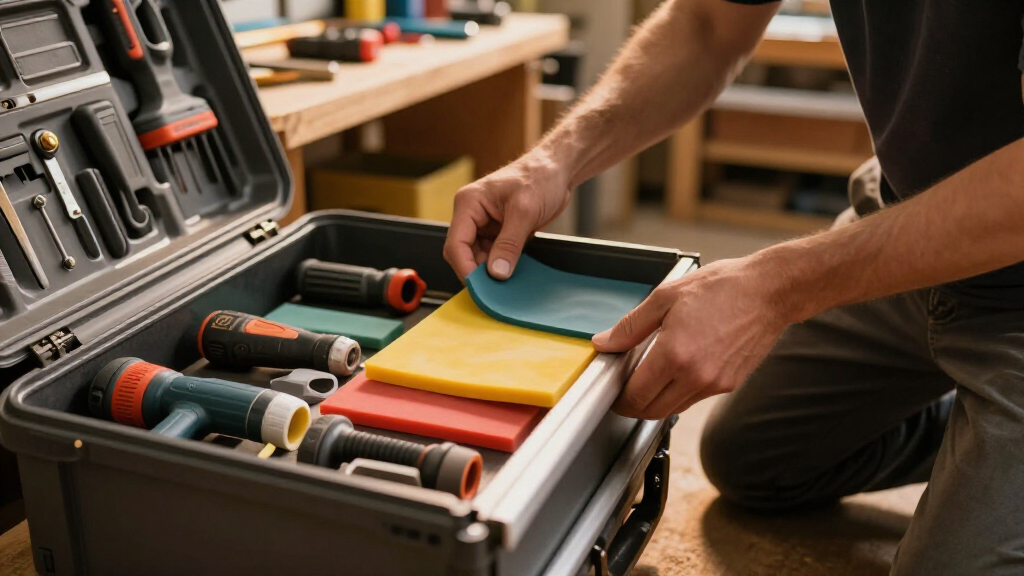
Drawer liners protect tools and keep drawers organized. Rubber, foam, vinyl, and eco-friendly options each have pros and cons. Regular cleaning and measuring ensure a perfect fit.
Choose rubber or silicone liners for heavy, rough tools to prevent slipping and damage.
Measure your drawers carefully before cutting or ordering custom liners for a perfect fit.
Eco-friendly options like cork and recycled rubber are durable, chemical-resistant, and better for the environment.
Regular cleaning with mild soap keeps liners effective and prolongs their lifespan.
Invest in anti-slip features when organizing tools that tend to shift during transport or use.
Why Drawer Liners Matter: Protect Your Tools and Save Time
Drawer liners aren’t just about keeping things neat. They serve a vital role in extending the lifespan of your tools by preventing scratches, dents, and corrosion. When tools slide against metal or other hard surfaces repeatedly, they accumulate wear and tear, which can lead to costly replacements or repairs. A cushioned liner acts as a buffer, absorbing shocks and reducing direct contact, thereby minimizing damage.
Furthermore, liners help maintain order and efficiency. When tools stay in place, you spend less time searching or reorganizing, which boosts productivity—especially in busy workshops. They also trap dust, metal shavings, and debris, which can otherwise accumulate and cause corrosion or interfere with tool function. Regularly cleaning and replacing liners ensures your tools remain protected and your workspace stays clean, ultimately saving time and reducing long-term costs.
Understanding the deeper implications, choosing the right liner can significantly impact your workflow. For example, a non-slip rubber mat prevents tools from shifting during transport, reducing the risk of damage or injury. Conversely, a softer foam liner might protect delicate electronics but may require more frequent replacement due to wear. Recognizing these tradeoffs helps you tailor your choice to your specific needs—heavy-duty protection versus delicate handling, long-term durability versus initial cost.
As an affiliate, we earn on qualifying purchases.
Top Drawer Liner Types — What They Do Best
| Type | Best For | Pros | Cons |
|---|---|---|---|
| Rubber/Silicone Mats | Heavy tools, non-slip needs | Durable, anti-slip, cushioning | Can be sticky or hard to cut |
| Foam Liners | Delicate or precision tools | Soft, shock-absorbing, lightweight | Wears faster, less chemical resistant |
| Vinyl/Plastic Sheets | Cost-effective, easy to clean | Affordable, available in patterns, easy to cut | Less cushioning, can slide |
| Carpet/Felt Liners | Delicate, jewelry, or electronics | Extra cushioning, soft | Can trap dust, less durable |
| Custom-cut Liners | Specific drawer sizes or special tools | Perfect fit, tailored for tools | More expensive, requires precise measurement |
Understanding the specific strengths and limitations of each type helps you make an informed decision. For instance, rubber mats excel in preventing slips and protecting heavy tools but may be less suitable for delicate items that need gentler cushioning. Foam liners provide soft protection but wear out faster, which is a tradeoff between initial comfort and longevity. Custom-cut liners, while more costly upfront, ensure a perfect fit that maximizes protection and organization. Your choice should reflect your priorities: durability, cost, protection level, or ease of installation.
As an affiliate, we earn on qualifying purchases.
How to Pick the Perfect Drawer Liner for Your Tool Chest
- Measure your drawer’s interior dimensions precisely. Use a tape measure or ruler for length, width, and depth.
- Assess the weight and delicacy of your tools. Heavy, rough tools need rubber or silicone; fragile tools benefit from foam or felt.
- Decide if anti-slip features matter. For tools that shift around often, look for liners with textured or rubberized surfaces.
- Choose a material based on exposure. If your tools sit in oil or chemicals, pick a chemical-resistant liner like silicone or vinyl.
- Cut the liner to fit snugly. Use scissors or a utility knife, then install with or without adhesive depending on the material.
To maximize the benefits, create a decision framework: list your priorities—such as protection, cost, ease of installation, and environmental impact—and evaluate each liner option against these criteria. For example, if long-term durability and chemical resistance are paramount, rubber or silicone liners with a tight fit are ideal. If budget constraints are tight but you still want decent protection, vinyl sheets may suffice, but be prepared for more frequent replacements. Taking these steps ensures your choice aligns with your specific needs, making your investment in a liner both practical and effective.
As an affiliate, we earn on qualifying purchases.
Eco-Friendly Drawer Liners — Do They Really Work?
Eco-friendly drawer liners are gaining ground. Made from recycled rubber, cork, or biodegradable plastics, they cut down on waste and reduce environmental impact. These liners often match or outperform traditional options in durability and performance.
For instance, cork liners provide natural cushioning and are naturally antimicrobial. Recycled rubber mats are tough, chemical-resistant, and last years—perfect for heavy-duty use.
However, keep in mind that eco options can sometimes cost more upfront and may require careful cleaning. They’re a smart choice if sustainability matters to you, but it’s important to weigh their higher initial cost against their long-term durability and eco benefits. Choosing eco-friendly liners supports environmental conservation while still providing effective protection for your tools, making them a smart investment for conscientious users.
Moreover, eco-friendly liners encourage a mindful approach to tool storage. They often require less chemical cleaning, reducing exposure to harsh substances. Their natural materials can also contribute to better indoor air quality in your workspace. When considering eco options, evaluate their suitability for your specific environment and tools. For example, cork’s antimicrobial properties can help prevent mold and odors in humid conditions, adding an extra layer of protection. By understanding these deeper implications, you can select liners that not only protect your tools but also align with your values and long-term sustainability goals.
As an affiliate, we earn on qualifying purchases.
Maintaining Your Drawer Liners — Keep Tools Safe & Drawer Clean
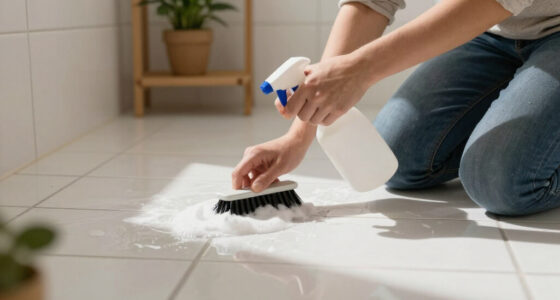
Proper maintenance extends the lifespan of your liner and keeps your tools in top shape. Most liners are easy to clean—simply wipe with a damp cloth or mild soap. Regular cleaning prevents dust, oil, and debris from building up, which can cause deterioration or make tools slip.
For example, a workshop owner reports that routine cleaning with warm water and a soft brush prevents rubber liners from becoming sticky or odorous, ensuring they remain effective for years. Inspect your liners periodically for tears, cracks, or accumulated debris. Replacing worn or damaged liners is crucial because compromised liners can no longer provide optimal protection, leading to potential tool damage or safety hazards. Trimming or replacing liners as needed ensures a snug fit, maintains organization, and prolongs the life of both your tools and your storage system.
In addition to routine cleaning, consider establishing a maintenance schedule. For instance, cleaning liners monthly or after heavy use ensures dust and debris don’t accumulate to damaging levels. Also, keep an eye out for signs of wear—cracks, tears, or warping—so you can replace liners before they fail. Doing so prevents costly damages to your tools and preserves the integrity of your storage system. These proactive steps turn maintenance from a chore into a strategic practice that safeguards your investment and keeps your workspace running smoothly.
Frequently Asked Questions
What is the best type of drawer liner for heavy tools?
Rubber or silicone mats are best for heavy tools because they’re tough, anti-slip, and cushion impacts, preventing damage and shifting during transport.Are eco-friendly drawer liners effective enough for professional use?
Yes, cork and recycled rubber liners are highly durable, chemical-resistant, and can withstand years of heavy-duty use, making them a solid choice for professionals.How do I measure and cut liners to fit my drawers perfectly?
Use a tape measure to get precise dimensions of your drawer’s interior. Mark these on your liner material, then cut with scissors or a utility knife for a snug fit.Can I use drawer liners for electronic tools or delicate items?
Absolutely, foam or felt liners provide gentle cushioning, making them ideal for sensitive electronic components or precision tools.What maintenance do drawer liners require?
Most liners just need a damp cloth or mild soap wipe. Regular cleaning prevents dust buildup and keeps tools and liners in top shape.Conclusion
A good drawer liner isn’t just a fancy accessory—it’s a smart investment in your tools’ longevity and your workspace’s efficiency. Pick the right material, measure carefully, and keep it clean. Your tools will thank you—and so will your workflow. Next time you open that drawer, notice how the right liner makes everything smoother.Fall yard work Picks
leaf blowers
As an affiliate, we earn on qualifying purchases.