
TL;DR

Get business pricing on tools and workshop supplies
- Business-only prices and quantity discounts
- Tax-exempt purchasing
- Multiple users, one account, clear invoices
Leather can feel sturdy and hold its shape, while nylon or polyester webbing is usually lighter, easier to clean and quicker to dry. Elastic favors movement, padding can spread pressure, and hybrid designs combine features; fit, stitching, hardware and belt compatibility still determine whether a suspender supports your tool load reliably.
Choose leather for a structured feel in dry conditions; account for its weight, break-in and moisture care.
Choose nylon or polyester webbing when light weight, quick drying and easy cleanup matter, while inspecting for stretching and fraying.
Elastic favors movement and lighter loads; padding may spread pressure but can add bulk or retain dirt.
Check belt compatibility, attachment security and manufacturer load guidance before wearing a loaded setup.
Inspect seams, straps and hardware regularly, and replace gear with damaged straps, failing stitching or unreliable attachments.
Field Guide · Workwear Materials
Tool Suspender Materials Compared
Leather can feel sturdy and hold its shape. Nylon or polyester webbing is usually lighter, easier to clean and quicker to dry. Elastic favors movement, padding can spread pressure, and hybrid designs combine features. The right choice depends on your load, your conditions and how the full suspender is built.
The key decision
“Material matters. Fit and construction decide whether the whole setup works.”
A suspender shifts some belt weight to your shoulders; it does not make the load lighter or increase safe capacity.
01 / At a glance
Match the material to the work
Start with your typical belt weight, movement and exposure to rain, dust or heat. Then compare the trade-offs.
Material alone does not determine lifespan. Strap construction, stitching, hardware, maintenance, frequency of use and moisture exposure can matter just as much.
Structured feel
Leather
Holds its shape and can feel sturdy, becoming more comfortable as it breaks in.
Trade-off: Heavier, stiff at first and more vulnerable to prolonged moisture; needs care.
Easy upkeep
Nylon or polyester
Lightweight, flexible, quick-drying and generally easy to clean.
Trade-off: Quality varies; straps can stretch or fray and may feel less supportive under heavy loads.
Free movement
Elastic
Moves with you while bending, reaching and crouching.
Trade-off: May lose tension over time; less suited to consistently heavy loads.
Pressure spread
Padded synthetics
Padded or mesh-backed sections may spread pressure and improve airflow.
Trade-off: Padding can trap dirt, wear down or add bulk.
Combined features
Hybrid
Pairs materials, such as webbing straps with leather holders or padded sections.
Trade-off: More parts and stitching create more potential wear points.
02 / Side by side
What each option tends to do well
These are broad tendencies, not guarantees. A well-sewn webbing suspender may outlast a poorly made leather one.
| Material | Strengths | Trade-off to watch | Often suits |
|---|---|---|---|
| Leather | ✓Shape retention; sturdy feel | ~ Weight, break-in and moisture care | Regular use in dry or moderately demanding conditions |
| Nylon / polyester | ✓Light, flexible, quick-drying; easy cleanup | ~ Stretching, fraying and variable support | General use, wet or dusty jobs |
| Elastic | ✓Moves with you during frequent movement | ~ Tension can fade; heavy loads may not suit | Lighter tools and active work |
| Padded / mesh | ✓May spread pressure; airflow can help | ~ Bulk, dirt retention and padding wear | Long shifts or warm conditions |
| Hybrid | ✓Combines features for a tailored balance | ~ More seams and components to inspect | Users balancing support and flexibility |
Climate changes the balance: webbing often dries faster after rain, while wet leather needs careful drying. Product specifications vary, so check the particular model.
03 / Fit the job
Comfort is a system, not a fabric label
A suspender distributes belt weight at your shoulders. It does not make an overloaded setup safe or raise the rated capacity.
Before you choose
Picture a full shift
A carpenter carrying a hammer, tape and fasteners may value straps that move freely. Heavier all-day carry puts more emphasis on stable support and secure connections. Try the suspender with your usual belt and tools; check how it feels when you bend and reach.
Safety check
Confirm the connection
Check the maker’s compatibility and load guidance for the belt, suspender and attachments together. Clip, loop or button styles differ, and not every suspender fits every belt. Straps should adjust without digging into your shoulders or restricting movement.
If the setup exceeds a maker’s limits, shoulder support cannot make it safe.
04 / Keep it working
Four checks, repeated over time
Regular inspection and basic care help catch wear before a strap, seam or attachment stops holding securely.
Inspect straps
Look for fraying, stretching, cracks or other damage.
Check stitching
Look closely at seams and load-bearing connection points.
Test hardware
Confirm clips, loops or buttons fit and stay secure during movement.
Care and replace
Follow maker care guidance; retire gear with failed seams or unreliable attachments.
Check stated limits, belt compatibility and adjustment before adding tools.
Dry wet gear fully before storage. Follow the maker’s instructions, especially for leather.
Strap width, padding, ventilation and even weight distribution affect a full shift.
Start with the job, not the material label
A tool suspender supports a tool belt’s weight at your shoulders, helping reduce the strain of carrying it at your waist. That can change where pressure lands over a shift, but it does not make the overall load lighter or increase the safe capacity of the belt, suspender or attachments. If the setup exceeds a maker’s limits, shoulder support cannot make it safe; check the compatibility and load guidance before adding weight. Think of material as one part of a work system, like the tires on a loaded van: it matters, but it can’t make an overloaded setup safe. A carpenter carrying a hammer, tape and a few fasteners may value straps that move freely as they reach and crouch. Someone carrying heavier tools all day may put more weight on stable support and robust connections, because slipping or stretching can make a load feel uneven and force frequent readjustment. In either case, the belt and suspender need to work together. Before comparing materials, consider how heavy your usual belt is, how often you bend or reach overhead, and whether your work exposes gear to rain, dust or heat. These factors affect both comfort and upkeep: a light setup worn for short repairs has different demands from one worn through a full framing shift, and wet gear stored between shifts has less time to dry. Starting with the job helps you judge whether a material’s advantages will matter in practice and which trade-offs you can accept. These **key facts for choosing a tool suspender** keep the decision tied to real use, rather than a material name alone.Products Worth Considering

DEWALT 20V MAX Cordless Brushless 3-Speed Oscillating Tool Kit (DCS356SD1)

DEWALT DWE315K Corded Oscillating Multi-Tool Kit
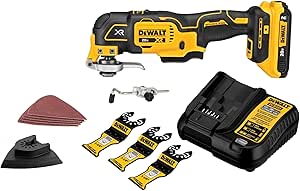
DEWALT 20V MAX XR Brushless Oscillating Multi-Tool Kit with Battery and Charger (DCS356D1)
As an affiliate, we earn on qualifying purchases.
See the trade-offs side by side
Leather, webbing, elastic, padding and hybrid designs each solve different comfort and care problems. Material affects how a suspender bends, dries and feels under load, but it does not tell you how well the straps are sewn or how securely they connect to your belt. For example, a strap that stretches may make a loaded belt shift as you move, while a stiffer strap may feel stable but restrict movement. The best match depends on the work you do and the whole product’s construction.| Material | What it tends to do well | Trade-off | May suit |
|---|---|---|---|
| Leather | Holds shape; durable feel | Can be heavy, stiff at first and vulnerable to prolonged moisture | Regular use in dry or moderately demanding conditions |
| Nylon or polyester webbing | Lightweight, flexible, quick-drying and easy to clean | Quality varies; straps can stretch or fray | General use, wet or dusty jobs |
| Elastic | Moves with the wearer | May lose tension; less suited to consistently heavy loads | Lighter tools and frequent movement |
| Padded or mesh-backed synthetic | Can spread pressure and improve airflow | Padding may trap dirt, wear down or add bulk | Long shifts or warm conditions |
| Hybrid | Combines features, such as webbing straps and leather holders | More stitching and components create more wear points | Those seeking a balance of support and flexibility |
Choose leather when you want a structured, traditional feel
Leather tool suspenders tend to offer a sturdy feel and hold their shape, which can help keep straps feeling consistent during regular use in dry or moderately demanding conditions. That structure has a trade-off: leather may feel stiff when new and weigh more than webbing, so it can take time to settle against your shoulders. The material can become more comfortable as it breaks in, but break-in does not correct straps that pull, dig in or fit poorly. Imagine putting on a new leather suspender before a busy week of indoor finish work. At first the straps may feel firm against your shoulders, then gradually soften as you wear them. If you already use a leather belt system, the matching feel and structure may suit your preferences. But if you frequently change posture or need very light gear, the extra stiffness and weight may become more noticeable over a long shift. Trying it with your usual belt can show whether the structured feel helps keep the load steady or simply adds pressure. Wet conditions change the equation. Repeated soaking can be hard on leather, so follow the maker’s care instructions and allow wet gear to dry fully before storage. Using care products the maker does not recommend may also affect the material, so check before applying them. If your work regularly takes you through rain-soaked framing sites, compare that upkeep with the easier drying of a synthetic option. Leather’s **shape retention and durable feel** can be useful, but their value depends on whether its weight, break-in and moisture care suit your routine.Pick webbing for lighter carry and easier cleanup
Nylon or polyester webbing is typically lightweight, flexible, quick-drying and easy to clean, making it a practical choice for general-purpose wear and jobs that involve dust or wet conditions. Those features can mean less drying time and less care between shifts, especially when the suspender gets dirty often. The trade-off is that performance varies by construction and quality: straps can stretch or fray, and some setups may feel less supportive under heavy loads. A strap that stretches can let the belt move more as you bend, so light weight alone does not guarantee a stable feel. A service technician finishing a muddy outdoor repair can wipe down synthetic straps and let them dry without the same leather-care routine. Webbing also bends readily when you crouch to reach a low cabinet or climb into a vehicle. That flexibility can make repeated movement easier, but a very soft or poorly adjusted strap may shift instead of holding the belt comfortably in place. The value of quick cleanup is greatest when you wear the suspender often and need to put it away between jobs. Still, the word “webbing” doesn’t tell you whether the straps, stitching and hardware will hold up to your daily routine. Inspect the seams and adjusters, check the maker’s load guidance, and try the suspender with your actual belt if possible. A strap that feels fine empty may behave differently once it supports a belt loaded with pliers and a drill. **Light weight and quick drying** are real advantages, but judge them alongside stretch, support and the strength of the complete setup.Use elastic and padding for movement and long shifts
Elastic can move with your body during frequent bending and reaching, while padded or mesh-backed synthetics can spread pressure and improve airflow. These features address different discomforts: elastic gives with movement, and a wider padded area can spread contact across more of the shoulder. But elastic may lose tension over time and may not suit consistently heavy loads; padding can trap dirt, wear down or add bulk. Neither feature fixes poor fit, and neither removes the weight you carry. Picture an installer moving between a ladder, a workbench and a low cabinet. Flexible straps may feel less restrictive as the installer bends and turns, which can matter when the same movements repeat throughout a shift. On a warm day, breathable mesh-backed padding may reduce the hot, damp feeling beneath a wide strap. Yet if the belt pulls down heavily, elastic could stretch and let it move, while bulky padding could rub when the wearer reaches overhead. The right feature depends on which discomfort is actually limiting the work. Think of padding like a wider handle on a bucket: it can spread pressure, but it doesn’t make the bucket lighter. When trying padded suspenders, check whether the padding stays on the shoulder when you crouch and reach; if it slides toward the neck, its extra width may create a new pressure point. Elastic is often a better fit for lighter tools and movement-heavy jobs, while padded designs may help with extended wear. In either case, a stable fit and manageable load matter more than the feature alone.Look closely at hybrid designs and wear points
Hybrid suspenders combine materials to balance their strengths—for example, webbing straps with leather tool holders or padded sections. This lets a design place flexibility where the straps move and structure where gear attaches. The benefit is specific to how those parts work together; “hybrid” alone does not promise better support or longer life. Added stitching, clips and material joins also create more places where movement, dirt or moisture can contribute to wear. A finish carpenter might prefer flexible straps for moving around a room while keeping a familiar leather attachment point at the belt. Someone working in a warm shop may instead want a mesh-backed shoulder section paired with durable webbing below. In each case, the chosen combination addresses a different priority, and may also bring a different upkeep or durability trade-off. A padded section could feel better across a long shift but require more careful cleaning; leather at a connection point could provide structure but need attention after getting wet. Look at the places where materials meet. Check for loose threads, fraying around hardware and worn stitching near belt connections, because a failure at a join can affect the whole suspended load even when the main strap looks sound. If an attachment is replaceable, that may make repair easier; confirm the maker offers compatible parts rather than assuming they do. Lighter webbing, breathable mesh, added adjustment options and belt-specific models are design choices, not guarantees of performance. The **seams and connection points** deserve the same attention as the main strap material.Fit your suspender to the belt and your actual load
Fit starts with compatibility: clips, loops or buttons must match the belt, and the straps must adjust without pulling on your shoulders or restricting movement. Compatibility matters because a connection that does not seat securely can shift under load, while poor adjustment can concentrate pressure on one shoulder. A tool suspender supports a tool belt’s weight, but the belt, suspender and attachments all need to suit the load. Follow the manufacturer’s guidance and do not exceed stated limits. Use this quick check before a full shift:- Confirm the suspender is listed as compatible with your belt or attachment style.
- Check the maker’s load guidance for the complete setup, including the belt and connections.
- Adjust the straps with your usual tools in place so the belt sits comfortably.
- Bend, reach and walk a few steps; watch for slipping, shoulder pressure or restricted movement.
- Inspect straps, stitching, clips and loops before regular use.