
TL;DR

Get business pricing on tools and workshop supplies
- Business-only prices and quantity discounts
- Tax-exempt purchasing
- Multiple users, one account, clear invoices
A tool tether system keeps your tools from falling, reducing injury risks and property damage. Focus on safety standards, material quality, and compatibility to find the best fit for your needs.
Imagine a heavy drill slipping from your grip, falling 15 feet onto concrete. The damage, the cost, the risk—it’s a nightmare you can avoid. Choosing a tool tether system isn’t just about hanging onto your tools; it’s about safety, compliance, and peace of mind. Whether you’re working on a high scaffold or in a tight space, the right tether keeps your tools close and your job site safe.
This guide cuts through the noise, helping you understand what to look for when picking your tether system. From materials that last to safety standards you can trust, you’ll learn how to make smart choices that protect your tools—and your team.
Always choose tether systems that meet OSHA and ANSI safety standards to ensure legal compliance and safety.
Material quality matters—look for UV, chemical, and abrasion-resistant fibers like Dyneema for outdoor durability.
Match your tether length and flexibility to your specific tools and workspace to avoid unnecessary slack or restricted movement.
Compare retractable versus fixed-length tethers to find what best suits your task dynamics and safety needs.
Inspect and replace tool tethers regularly—don’t wait for damage to become a safety hazard.
Why Safety Standards Matter More Than You Think
Tool tethers aren’t just accessories—they’re safety gear. OSHA and ANSI set clear rules because dropped tools cause injuries and costly damage. Choosing a tether system that meets these standards isn’t optional; it’s mandatory for legal and safety reasons.
For example, a contractor once faced fines because their tether did not comply with OSHA’s fall protection rules. After switching to certified systems, not only did safety improve, but insurance premiums also dropped.
Look for systems marked with certifications. These are tested to withstand specific forces and wear, ensuring they perform when it counts.
As an affiliate, we earn on qualifying purchases.
Materials That Stand Up to The Elements and Daily Use
Durability starts with the right materials. Think of a tether as a safety lifeline—if it frays or snaps, your tools fall. High-quality nylon, polyester, or even ultra-strong fibers like Dyneema are common choices for their abrasion resistance and weatherproofing.
Picture a crew working on a rainy construction site. Their tethers, made with UV-resistant polyester, stay flexible and strong despite mud, rain, and sun. That’s the kind of resilience you need.
When selecting, check for environmental resistance—UV coating, chemical resistance, and weatherproofing are must-haves for outdoor work.
As an affiliate, we earn on qualifying purchases.
Matching Your Tools and Work Environment
Not all tethers are created equal. Your choice depends heavily on what tools you’re securing and where you’re working. A tiny screwdriver needs a different tether than a heavy cordless drill.
For instance, a carpenter working on a steel beam might prefer a retractable tether for quick access, while a painter with lighter tools might opt for a simple wrist lanyard.
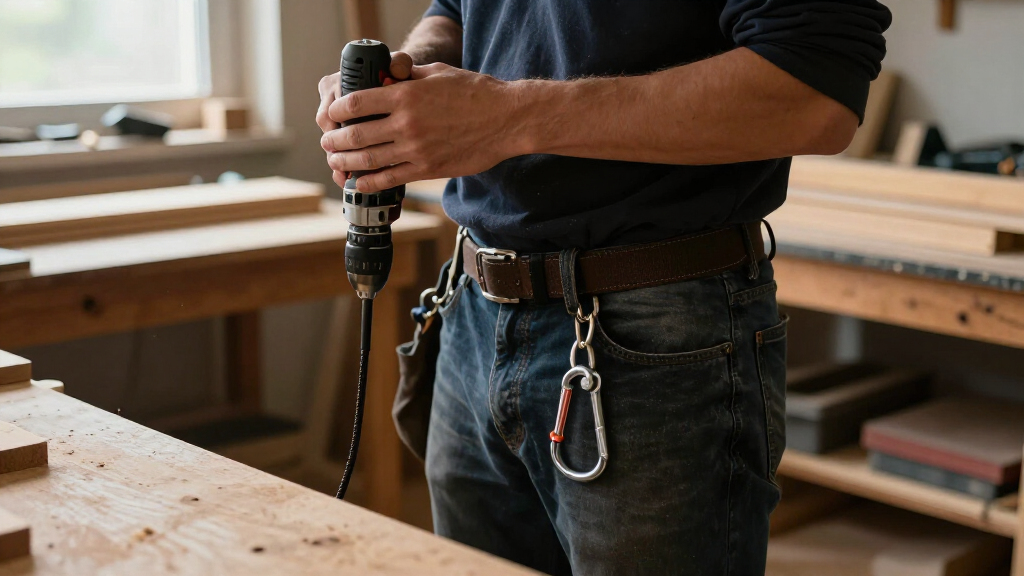
Compatibility with existing gear also matters—make sure your tether attaches securely to your harness, belt, or tool loop. A mismatch could mean a tool drops just when you least expect it.
retractable tool tether for construction
As an affiliate, we earn on qualifying purchases.
As an affiliate, we earn on qualifying purchases.
How to Pick the Right Length and Flexibility
Too long, and your tool swings like a pendulum—annoying and risky. Too short, and you struggle to reach or move comfortably. The sweet spot is a tether long enough to work naturally, but not so much that it causes slack or entanglement.
A typical guideline? About 3 to 4 feet of reach for most tasks. For high work, longer tethers might be necessary, but make sure they don’t become tripping hazards.
Think about your workspace—tight corners need shorter, more controlled tethers, while open areas allow for longer, more flexible options.
As an affiliate, we earn on qualifying purchases.
Comparing Retractable vs Fixed-Length Tethers
| Feature | Retractable Tethers | Fixed-Length Tethers |
|---|---|---|
| Flexibility | Allows extension and retraction for ease of movement | Limited to one length, no adjustment needed |
| Safety | Reduces slack, less risk of tangling or tripping | Simpler, fewer moving parts, generally more durable |
| Cost | Typically more expensive | Cheaper and easier to replace |
| Use Case | Ideal for dynamic tasks needing frequent tool access | Best for static or repetitive work with fixed positioning |
Pick retractable tethers for versatility, especially if you move around a lot. Fixed-length systems suit repetitive tasks where simplicity and durability matter most.
How Often Should You Check and Replace Your Tethers?
Inspect your tool tether system before each use. Look for frays, cuts, or corrosion. A tiny nick can turn into a failure during a fall. Replace any tether that shows signs of wear—don’t gamble with safety.
Even with the best materials, regular checks are vital. Many safety experts recommend replacing tether components every 12 to 24 months, depending on usage and environment.
Think of it like a safety check-up—your tools and workers depend on it.
Making the Right Call: What to Do Next
Choosing a tool tether system isn’t about the cheapest option or the fanciest features. It’s about matching safety, durability, and ease of use to your specific work environment. Start by assessing your tools, worksite conditions, and safety requirements.
Then, pick a system that ticks all those boxes, and commit to regular inspections. Properly tethered tools are a simple step that can save lives and money.
Remember: safety equipment isn’t optional. It’s your first line of defense.
Frequently Asked Questions
What type of tether system is best for my tools?
It depends on your tools’ weight, size, and how often you need to move them. Retractable tethers suit dynamic tasks, while fixed-length ones work well for repetitive jobs. Always match the tether to the task for safety and convenience.How do I ensure the tether system is compliant with safety regulations?
Choose systems certified by OSHA or ANSI, and always follow manufacturer instructions. Regular inspections and proper anchoring are essential to meet safety standards.What materials are most durable for outdoor or harsh environments?
Look for UV-resistant polyester, nylon, or high-strength fibers like Dyneema. These materials resist sun, water, and chemicals, ensuring your tether stays reliable over time.How do I determine the correct length of a tether?
Measure the maximum distance you need to reach comfortably without excess slack. Typically, 3 to 4 feet works well, but adjust based on your workspace and tools.Are retractable tethers safer or more convenient than fixed-length ones?
Retractable tethers reduce slack and tangling, making them more versatile for moving around. Fixed tethers are simpler and often more durable, suitable for static tasks.Conclusion
The right tool tether system is a small investment with a big safety payoff. It’s about choosing durable materials, proper length, and compliance—not cutting corners. When your tools are secure, your worksite stays safe, and your peace of mind grows as tall as the scaffolding.
Remember, safety isn’t just a rule—it’s a mindset. Keep your tools tethered, keep your team safe, and build with confidence.
Fall yard work Picks
leaf blowers
As an affiliate, we earn on qualifying purchases.