TL;DR

Get business pricing on tools and workshop supplies
- Business-only prices and quantity discounts
- Tax-exempt purchasing
- Multiple users, one account, clear invoices
Adjusting suspenders correctly ensures trousers stay in place without discomfort. Use these step-by-step tips and recent trends for a perfect fit that lasts through tough workdays.
Work suspenders aren’t just style accessories—they’re your best allies for comfort and safety. When they fit right, your trousers stay put, your back feels supported, and your day runs smoother. But if they’re too loose or too tight, it’s a different story—discomfort, sagging, or even back pain can sneak in. That’s why knowing how to adjust suspenders for a perfect fit isn’t just a detail; it’s a game-changer.
In this guide, you’ll learn how to tweak your suspenders for maximum comfort, how recent trends improve support, and the common questions every tradesperson asks. We’ll break down each step with real-world tips so you can get that snug, secure feel every time you put them on.
Start with fully extended suspenders and adjust for a snug, but not tight fit.
Use the front and back adjustment buckles or clips to set the perfect length.
Choose suspenders with features suited to your work—button or clip, stretchable or rugged.
Test your fit by moving and bending to ensure trousers stay in place comfortably.
Check and readjust suspenders periodically during the day for continued comfort.
Understand Your Suspenders: Types and How They Support You
Not all suspenders are created equal. Knowing the type you wear helps you adjust them better. Y-back suspenders have a single strap at the back, forming a Y shape, while X-back suspenders cross at the back for more stability. Button suspenders attach to sewn-in buttons inside your trousers, while clip suspenders snap onto the waistband.
Imagine trying to support a heavy tool belt—X-back suspenders spread the weight evenly, reducing pressure points, while Y-back styles keep things simple and quick to adjust. Choosing the right type helps you know how to tweak the fit for comfort and security.
Tip: If your work involves a lot of bending and lifting, opt for X-back suspenders—they tend to stay in place better.
adjustable work suspenders for men
As an affiliate, we earn on qualifying purchases.
As an affiliate, we earn on qualifying purchases.
Step-by-Step: How to Adjust Suspenders for a Snug, Comfortable Fit
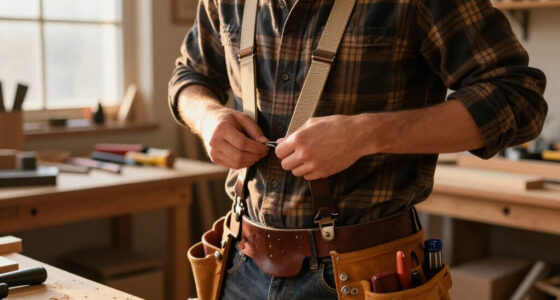
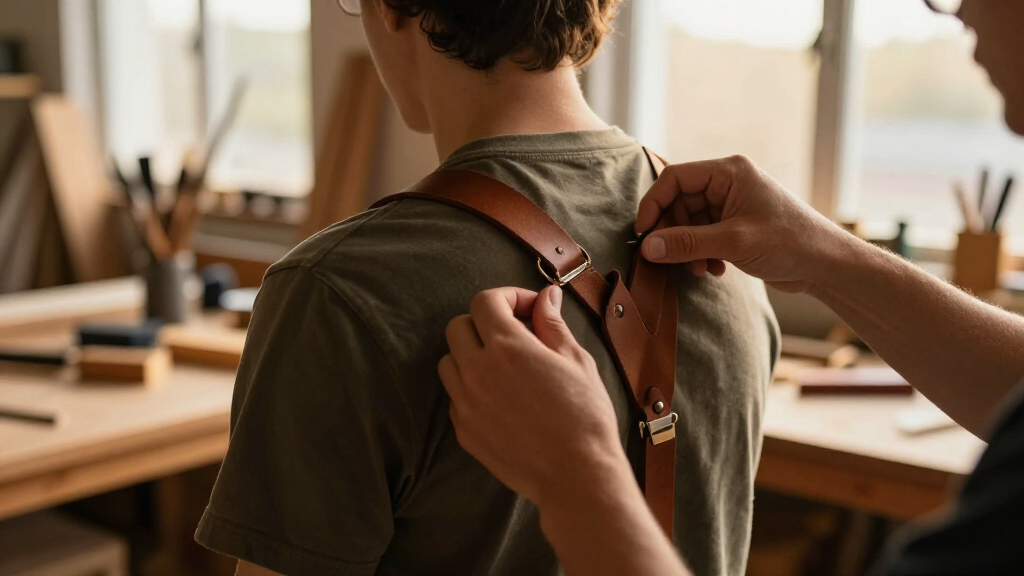
- Start with the suspenders fully extended. Attach the front straps first to your trousers—either clip onto the waistband or button inside the fabric.
- Pull the straps to your natural waistline—about where your hips meet your torso. Adjust the length using the sliding buckles or clips. Why does this matter? Proper length ensures your trousers sit at the right height without sagging or pulling, which can cause discomfort or uneven wear over time.
- Secure the back straps last. Make sure they’re not twisted and run straight from your back to the front. Proper alignment prevents uneven tension, which can lead to slipping or uneven support, ultimately reducing the effectiveness of the suspenders and risking discomfort.
- Test the fit by moving around—bend, stretch, squat. Your trousers should stay in place without pulling or sagging. This dynamic test reveals how well your suspenders distribute weight and maintain position during typical work movements.
- Fine-tune as needed. If your trousers slip, tighten the suspenders slightly. If they feel constrictive, loosen them a bit. Remember, a little trial and error here helps find a balance that supports your body optimally without causing discomfort or restricting movement.
Example: One tradesperson finds that adjusting the front straps to sit just below his waist keeps his trousers from sagging during a full day of work. He then tweaks the back straps for even support. This personalized adjustment directly impacts how comfortably and securely he can work all day without constantly readjusting.
heavy duty clip suspenders for work
As an affiliate, we earn on qualifying purchases.
As an affiliate, we earn on qualifying purchases.
Compare Adjustable Features: Which Suspenders Fit Best for Heavy-Duty Work?
| Feature | Button Suspenders | Clip Suspenders |
|---|---|---|
| Security | More secure, less likely to slip, especially during vigorous movement or heavy lifting. This stability reduces the need for constant readjustment, which can disrupt workflow and cause frustration. | Quick to clip on/off, making them convenient. However, if clips aren’t tight enough, they can slip during intense activity, leading to sagging or the need for frequent adjustments, which can compromise safety and comfort. |
| Ease of Adjustment | Usually requires sewing or special clips, which means once set, they maintain a consistent length. This durability can be advantageous for long-term use but less flexible for quick changes. | Adjust with simple sliding clips, allowing quick modifications on the fly. This flexibility is useful for dynamic work environments but may come at the cost of less security if clips aren’t properly tightened or if they wear out over time. |
| Durability | Often more rugged, designed to withstand rough handling, heavy work, and frequent adjustments. Their sturdy construction reduces the risk of breakage, ensuring consistent support over time. | Good for light to medium work. While they’re convenient, they may not hold up as well under the strain of heavy-duty tasks, potentially leading to failure or the need for replacement sooner. |
| Comfort | Provides a snug fit with less pressure on the waistband, which helps distribute weight evenly across your shoulders and back. This can reduce fatigue and prevent pressure points that cause discomfort during long shifts. | Can cause pressure points if clips are tight or uneven, leading to discomfort or skin irritation. Proper adjustment is key to maintaining comfort, especially during extended wear. |
For heavy-duty work, button suspenders often outperform clips—they stay secure and handle rough use better. The tradeoff is that they may require more initial setup, but their durability and security make them worth it for demanding tasks. Clips are handy and quick but may need readjustment if they loosen during the day, which can interrupt workflow and compromise safety.
As an affiliate, we earn on qualifying purchases.
Recent Trends Making Your Suspenders More Comfortable and Supportive
Today’s suspenders aren’t just about holding up your trousers—they’re about comfort and support. Stretchable fabrics adapt to movement, preventing pinching or pulling that can cause fatigue or restrict your range of motion. Breathable materials keep you cooler on hot days, reducing sweat buildup, which can lead to skin irritation or discomfort over time.
Innovations like reinforced straps and ergonomic designs distribute weight evenly across your shoulders and back, which minimizes fatigue and improves posture during long hours. Some suspenders now even feature quick-release clips and custom sizing for a tailored fit, allowing you to personalize your comfort level and support based on your specific needs. These features matter because they directly impact how long you can work comfortably without strain or distraction, ultimately enhancing productivity and reducing injury risk.
Example: A carpenter switching to stretchable, breathable suspenders reports less back fatigue after a 10-hour shift. The support feels more natural, and they stay in place better, demonstrating how these innovations translate into real-world benefits.
work suspenders with front and back adjustment buckles
As an affiliate, we earn on qualifying purchases.
As an affiliate, we earn on qualifying purchases.
How Tight Should Your Suspenders Be? Find the Sweet Spot
Proper tension is key. Suspenders should hold your trousers securely without cutting into your shoulders or causing indentations. Too tight? You’ll feel pressure and restrict movement, which can lead to discomfort or even circulation issues if worn excessively tight over time. Too loose? Your trousers sag, bunch, or fall, which can cause safety hazards or reduce your efficiency by requiring constant readjustment.
Why does this matter? Finding the right tension ensures your trousers stay in place during all your movements, from bending to lifting, without causing fatigue or discomfort. This balance directly affects your productivity and safety, preventing slips and awkward adjustments that can distract you from your work.
Try this: After attaching the suspenders, raise your arms and bend your knees. If your trousers stay put and you feel no discomfort, you’ve found the right fit. If they slip or pinch, loosen or tighten accordingly. Remember, your body and workload change throughout the day, so periodic adjustments help maintain optimal support and comfort.
Common Questions About Adjusting Suspenders
- How tight should suspenders be? They should be snug enough to hold your trousers in place without causing discomfort or leaving marks on your shoulders. Proper tension ensures even weight distribution, reducing fatigue and preventing slippage during movement, which enhances safety and productivity.
- Can I wear suspenders with a belt? It’s generally best to choose one or the other. Wearing both can cause discomfort, bulging, or uneven pressure around your waist and hips, especially if the suspenders are clip-on. For optimal comfort and support, select the option that best suits your workload and body type.
- How do I know if my suspenders fit well? When your trousers sit comfortably at your waist, and the suspenders keep them from sagging without feeling tight or causing shoulder pain, you’ve achieved a proper fit. Look for even tension across all straps and ensure they stay in place during movement.
- How often should I readjust? During a long day, check once or twice—especially if you notice your trousers slipping or discomfort. Small, periodic adjustments prevent discomfort and ensure continuous support, which is crucial for safety and efficiency in demanding work environments.
Conclusion
A well-adjusted pair of suspenders isn’t just about style—it’s about comfort, support, and getting through your workday without fuss. Take the time to tweak them right, and you’ll feel the difference every time you bend, lift, or stretch.
Remember: suspenders are a simple tool with a big impact. Proper fit keeps you moving smoothly and working smarter—no sagging, no pinching, just confidence in every step.
Fall Picks
fall essentials
As an affiliate, we earn on qualifying purchases.