TL;DR

Get business pricing on tools and workshop supplies
- Business-only prices and quantity discounts
- Tax-exempt purchasing
- Multiple users, one account, clear invoices
Inspecting your work harness regularly is key to safety. Look for webbing damage, hardware issues, and signs of wear. Use recent tech tools for better checks and replace as needed.
Inspect webbing for cuts, tears, or discoloration daily before use.
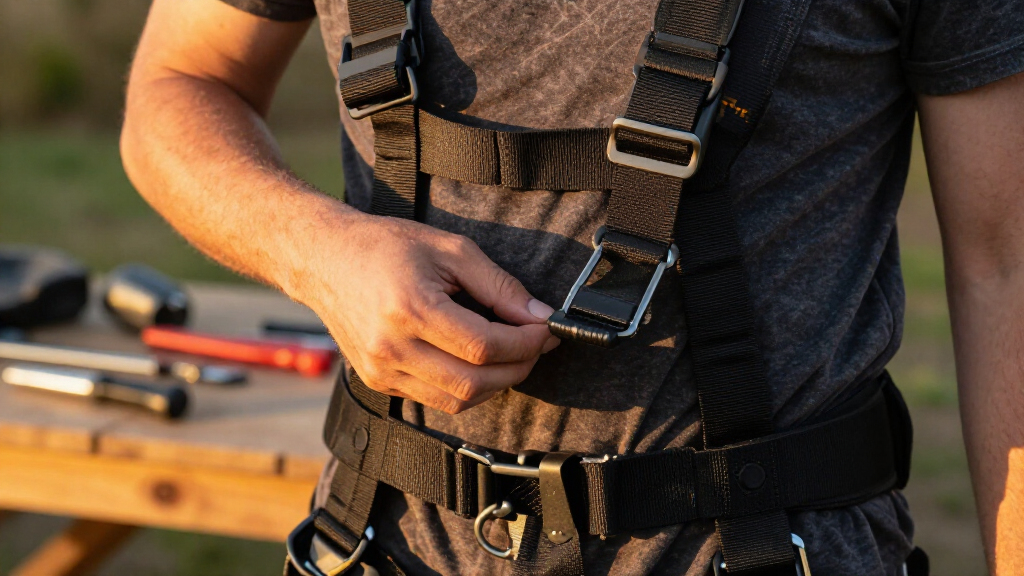
Check hardware for cracks, deformation, and corrosion—test latch functions.
Verify labels for certification and expiration dates to ensure safety compliance.
Use digital tools like QR codes and sensors to improve inspection accuracy.
Replace harnesses immediately if any damage or wear signs are found, regardless of age.
How to Spot Webbing Damage That Could Save Your Life
Webbing is the backbone of your harness. It’s what holds you up when it counts. Look for frays, cuts, tears, or discoloration. Even tiny nicks or rough patches can weaken webbing significantly. For example, a trade in roofing noticed a small tear on the webbing after a day of cutting shingles. That tiny rip could have led to failure under load.
But beyond just spotting visible damage, it’s important to understand why webbing damage matters. Frays or tears indicate that the fibers are compromised, reducing the webbing’s ability to absorb energy and distribute forces evenly during a fall. Discoloration or chemical staining suggests exposure to harmful substances that can weaken the material over time. Missing these signs can mean the difference between a safe descent and catastrophic failure. Regularly feeling for rough patches or thinning areas isn’t just about noticing damage—it’s about understanding that these weak spots are potential failure points. Ignoring them increases the risk of sudden webbing failure, which can be deadly. The tradeoff is between spending a moment to inspect thoroughly and risking a fall that could have been prevented. Proper inspection ensures your harness’s webbing retains its designed strength and elasticity, which are critical for shock absorption during a fall, ultimately saving your life.
As an affiliate, we earn on qualifying purchases.
Essential Hardware Checks to Prevent Failures
Your harness’s hardware takes a beating—D-rings, buckles, adjusters, and connectors. Inspect each piece carefully. Are there cracks or deformation? Do buckles latch securely and release smoothly? For instance, a worker found a bent D-ring that looked minor but could have failed under load. Hardware failure is often hidden until it’s too late.
But why does hardware integrity matter so much? Hardware components are designed to withstand specific forces and environmental conditions. A crack or deformation weakens the structural integrity, increasing the risk of sudden failure during a fall. Deformation might seem minor but can significantly reduce the load-bearing capacity or cause hardware to detach unexpectedly. Rust or corrosion indicates exposure to moisture, which can weaken metal over time and cause unexpected breakage. Testing hardware by tugging gently isn’t just a check for looseness; it’s a way to simulate stress and ensure the component can handle real-world forces. Replacing hardware with signs of cracks, corrosion, or deformation isn’t just about compliance—it’s about preventing catastrophic failure that can result in severe injury or death. The tradeoff here is between a small investment in replacement parts and the potential cost of a fall failure. Regular, detailed hardware inspections are crucial for maintaining the safety of your entire fall protection system, ensuring each component performs as intended when it counts most.
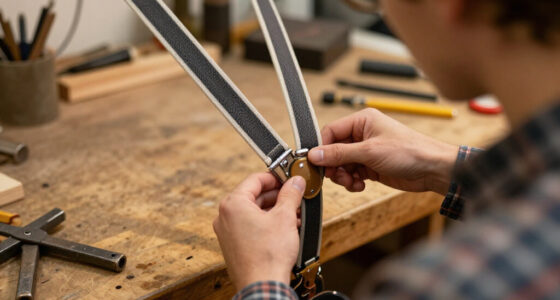
fall protection harness webbing repair
As an affiliate, we earn on qualifying purchases.
As an affiliate, we earn on qualifying purchases.
Frequently Asked Questions
How often should I inspect my work harness?
Perform a quick visual check every day before use. A thorough inspection should happen at least once a year or after any fall incident. Consistent inspections catch issues early and keep you safe.
What signs indicate my harness needs replacing?
Look for frayed webbing, tears, cracks in hardware, discoloration, or if it’s been involved in a fall. If any damage is visible or suspected, replace the harness immediately.
Can I repair a damaged harness?
Most damage requires replacement. Minor issues might be repairable if approved by the manufacturer, but generally, safety gear should be replaced after damage to avoid risk.
What’s the best way to store my harness?
Keep it in a cool, dry spot, hanging or laid flat. Avoid sunlight, chemicals, and sharp objects. Proper storage extends the harness’s life and maintains its integrity.
Are there new tech tools for inspection?
Yes, digital checklists, QR code logs, and sensor-based wear monitors are emerging. They make inspections more accurate, record-keeping easier, and help catch issues early.
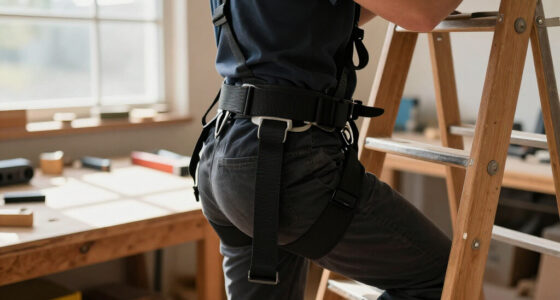
industrial safety harness hardware
As an affiliate, we earn on qualifying purchases.
As an affiliate, we earn on qualifying purchases.
Conclusion
A harness is only as safe as your last inspection. Regular checks, staying alert for signs of wear, and embracing new tech can keep you safe at height. When in doubt—replace it. Your safety depends on it. Don’t let small damage turn into big tragedy—inspect, verify, and stay protected.As an affiliate, we earn on qualifying purchases.
Fall yard work Picks
leaf blowers
As an affiliate, we earn on qualifying purchases.