TL;DR

Get business pricing on tools and workshop supplies
- Business-only prices and quantity discounts
- Tax-exempt purchasing
- Multiple users, one account, clear invoices
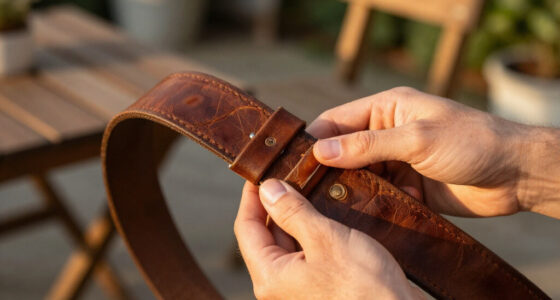
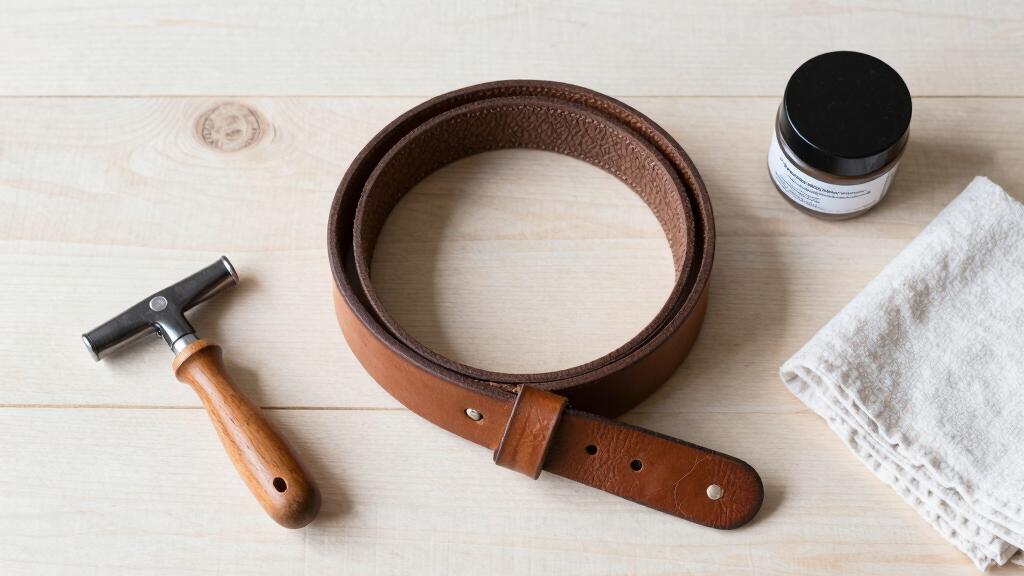
Breaking in a stiff leather belt takes time and care. Regular wear, gentle flexing, and light conditioning transform rigidity into comfortable flexibility—avoid shortcuts like excessive water or heat.
Patience is critical—breaking in a stiff leather belt takes days or weeks.
Regular wear, gentle flexing, and light conditioning are your best tools.
Avoid excessive water and heat; they damage leather and undo your efforts.
Use natural oils like mink or neatsfoot oil for safe, effective softening.
Proper storage maintains flexibility and prevents re-stiffening.
How to Break In a Stiff Leather Belt
Transform a cardboard-stiff strap into a comfortable everyday belt through regular wear, controlled flexing and light conditioning—without soaking, scorching or overstretching the leather.
01 / Know the material
Why a new belt feels like armor
Tanning stabilizes the hide, while thickness and compressed fibers create initial rigidity. Daily movement gradually loosens those fibers and forms the belt around your body—much like breaking in a quality pair of shoes.
Full-grain
Dense, durable and often firm at first. It develops character and becomes increasingly supple without losing its underlying strength.
Vegetable-tanned
Common in quality belts and usually the slowest to relax. Expect several days or weeks of consistent wear for a natural fit.
Pre-softened
Treated for earlier comfort and a shorter break-in period. It still benefits from careful storage and occasional conditioning.
02 / The gentle method
Five steps from stiff to supple
Start with the lowest-risk techniques. Add conditioner only when needed, reserve gentle heat for stubborn areas and keep every movement controlled.
Wear it
Wear the belt for a few hours each day. Body movement slowly teaches the leather its working shape.
DailyFlex it
Bend gently back and forth, then side to side. Never yank, twist sharply or force a hard crease.
20–30×Condition it
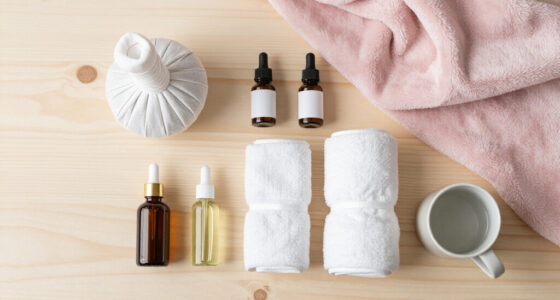
Rub in a small amount of leather balm, mink oil or neatsfoot oil using a clean, soft cloth.
Light coatWarm it
Use low heat from at least six inches away. Keep the dryer moving and stop if the leather feels hot.
Low onlyStore it
Hang the belt or lay it flat in a cool, dry place to preserve its shape and newfound flexibility.
No folds03 / Method comparison
Water, heat or oil?
Conditioner offers the strongest balance of softness and protection. Water and heat can assist, but their narrow margin for error makes them supporting methods—not the foundation of the process.
| Method | Effectiveness | Risk level | Best practice |
|---|---|---|---|
| Light dampening | ~Moderate softening | Warping, uneven texture or cracking if the belt becomes saturated. | Use minimal moisture and allow slow, natural drying. |
| Low hairdryer heat | ~Good short-term aid | Dryness, cracks and distortion from direct or excessive heat. | Stay six inches away, keep moving and use sparingly. |
| Conditioner or oil | ✓Best long-term result | Darkening or greasy buildup if too much product is applied. | Patch-test first, then massage in one thin, even coat. |
✓ Preferred ~ Use with caution Always check the belt maker’s care guidance first
04 / Break-in timeline
Patience is the performance tool
The thicker and less treated the hide, the longer its fibers need to relax. These bars show a practical relative timeline—not a guarantee—because construction, finish and wear frequency all matter.
Softer leather may settle within days. A thick vegetable-tanned belt can require several weeks of wear, flexing and restrained conditioning.
05 / Avoid damage
Three shortcuts that backfire
Fast visual change is not the same as a healthy break-in. If a technique suddenly transforms the belt, it may also be weakening its structure.
Do not soak it
Excessive water can swell fibers unevenly, distort the belt and leave the surface brittle as it dries.
Do not blast it
High heat strips moisture and oils from leather, encouraging cracks, scars and permanent warping.
Do not overstretch it
Yanking or forcing tight bends can deform holes, weaken stitching and create an irreversible crease.
If the leather resists, reduce the force—not the timeline.
06 / Keep it flexible
Maintenance after the break-in
Once the belt feels comfortable, preserve that flexibility with small, repeatable habits. Good storage and modest conditioning prevent the fibers from drying out or settling back into rigidity.
MO
Condition periodically
Apply a light coat every three to four months, adjusting for wear frequency and climate.
Store without stress
Hang by the buckle or lay flat. Avoid folding, crushing or leaving the belt in damp spaces.
WKS
Refresh the flex
Repeat a short, gentle bending routine every few weeks to keep the fibers relaxed.
Why Leather Starts Off Stiff and How It Loosens Up
Leather begins stiff because of the tanning process and the thickness of the hide. When new, it’s like a dense block—firm and unyielding. Over time, through use and proper care, its fibers loosen, making the belt more comfortable and flexible. Think of it like breaking in a new pair of shoes; patience is key.
For example, vegetable-tanned leather, common in quality belts, can take several days of wear to soften properly. The more you wear the belt, the more the fibers relax, especially if you follow the right care routine.
Understanding why leather starts stiff helps you appreciate the importance of patience. For instance, aggressive attempts to soften it quickly—like soaking in water or applying heat—may seem effective initially but can compromise the leather’s integrity, leading to cracks or warping. Recognizing this tradeoff guides you toward gentler, more sustainable methods that preserve your belt’s longevity.
As an affiliate, we earn on qualifying purchases.
Simple Steps to Turn a Stiff Belt into a Flexy Favorite
- Wear it regularly. The best way to soften leather is to put it to work. Wear your belt daily for a few hours. Every day, it’ll loosen up a bit more.
- Flex and bend. Gently bend the belt back and forth, side to side. Do this about 20-30 times each day. This mechanically loosens the fibers, encouraging them to relax gradually rather than forcing the leather to bend suddenly, which can cause damage.
- Apply a leather conditioner or oil. Use a small amount of mink oil, neatsfoot oil, or a quality leather balm. Rub it in with a soft cloth, then wear the belt again to let the product soak in. This process helps the leather fibers swell slightly and become more pliable, but over-application can darken or oversaturate the leather, so moderation is key.
- Use gentle heat. A hairdryer on low heat, held about 6 inches away, can help soften the leather. Move it around constantly to prevent localized overheating. The heat causes the fibers to expand and relax, but excessive or direct heat can dry out and crack the leather, so this method should be used sparingly and carefully.
- Store correctly. Hang the belt or lay it flat in a cool, dry place. Proper storage maintains flexibility and prevents stiffness from re-forming. Avoid folding or cramming it into tight spaces, which can cause creases and weaken the material over time.
As an affiliate, we earn on qualifying purchases.
Comparison: Water, Heat, and Oil — What Works Best?
| Method | Effectiveness | Risks |
|---|---|---|
| Light Water Damping | Moderate — softens leather and can accelerate the break-in process if done carefully. | Overdoing it can cause warping, uneven texture, or cracking, especially if the leather remains wet for too long or is not dried properly afterward. |
| Heat (hairdryer) | Good for quick softening if used carefully. It helps fibers relax uniformly when applied correctly. | Excessive or high heat can dry out, crack, or warp the leather, permanently damaging its appearance and structure. Always keep the dryer moving and use low heat. |
| Leather Conditioner/Oil | Best for long-term softness and protection. It penetrates the fibers, making the leather more pliable over time. | Too much or improper application can darken the leather or oversaturate, leading to a sticky or greasy feel, which may attract dirt or cause uneven aging. |
As an affiliate, we earn on qualifying purchases.
How Long Will It Take? Patience Is Your Best Friend
Breaking in a stiff leather belt isn’t a quick fix. It can take anywhere from a few days to several weeks. For example, a thick vegetable-tanned belt might need a week of daily wear and gentle flexing. On the other hand, some softer leathers might loosen in just a few days.
This timeline underscores the importance of patience. Rushing the process with shortcuts like excessive water or heat can cause irreversible damage, reducing the belt’s lifespan and aesthetic appeal. The tradeoff is that faster methods might seem tempting, but they often compromise the leather’s integrity, leading to cracks, warping, or a less natural feel. Consistent, gentle effort ensures your belt remains durable and comfortable in the long run.
As an affiliate, we earn on qualifying purchases.
What Not to Do When Breaking in Leather
Avoid aggressive shortcuts that can ruin your belt. Excessive water can cause warping, and high heat can crack the leather. Don’t yank or stretch the belt beyond its natural flexibility—this can cause permanent damage. Patience and gentle handling are key.
For example, trying to speed up the process with a blow dryer on high heat will likely leave cracks and scars, which are difficult to repair and can weaken the leather’s structure. Overstretching or pulling on the belt can also cause permanent deformation, reducing its lifespan and comfort. Recognizing these risks helps you understand that gentle, consistent care is more effective than quick fixes that can backfire.
Pro Tips for Maintaining a Soft, Flexible Belt
- Keep leather conditioned regularly—every 3-4 months, especially if you wear the belt often. Proper conditioning helps maintain the natural oils and fibers, preventing the leather from drying out and becoming brittle.
- Store the belt hanging or flat in a cool, dry place. This prevents creases, warping, and re-stiffening, which can occur if stored improperly.
- Revisit the flexing routine every few weeks to maintain suppleness. Regular gentle bending encourages the fibers to stay relaxed and prevents them from settling into a stiff position.
- Use natural oils or balms for a safe, effective softening boost. These products penetrate the leather, promoting flexibility without harsh chemicals that could damage the material over time.
Frequently Asked Questions
How long does it usually take to break in a new leather belt?
Typically, it takes from a few days up to several weeks of consistent wear and gentle flexing, depending on the leather’s thickness and treatment.Can I use water or heat to speed up the softening process?
Light water dampening can help, but excessive moisture or heat can cause cracks or warping. Use these methods sparingly and carefully.What products are best for breaking in a stiff leather belt?
Leather conditioners, oils like mink or neatsfoot, and natural balms work best. Avoid harsh chemicals or excessive application.Is it safe to use a hairdryer to soften my belt?
Yes, on low heat, held a few inches away, and with constant movement. Never use high heat, as it risks cracking the leather.How do I keep my belt soft over time?
Regular conditioning, proper storage, and periodic flexing keep the leather flexible and prevent re-stiffening.Conclusion
A stiff leather belt isn’t a lost cause—it just needs time and gentle effort. Think of it as coaxing a stubborn horse into motion. With patience, your belt will soften, conform, and become your favorite accessory. The key? Treat it with care and don’t rush the process. Your future self will thank you for the effort.Columbus Day / Indigenous Peoples' Day Picks
long weekend sales
As an affiliate, we earn on qualifying purchases.