TL;DR

Get business pricing on tools and workshop supplies
- Business-only prices and quantity discounts
- Tax-exempt purchasing
- Multiple users, one account, clear invoices
Single-prong belts are generally more convenient, easier to adjust, and suitable for most lifters. Double-prong belts offer redundancy but don’t necessarily provide more support. Your choice should focus on fit, comfort, and how you use the belt.
If you’ve ever faced the dilemma of choosing between a single-prong and a double-prong lifting belt, you’re not alone. Many lifters get caught up in the details, but the truth is, the best choice boils down to your comfort, convenience, and how you train.
Both types aim to create a rigid surface to brace your core during heavy lifts. But understanding the subtle differences can help you pick a belt that feels natural and supports your goals, whether you’re squatting heavy, deadlifting, or just want reliable gear for every session.
A high-quality single-prong belt offers the same support as a double-prong, with greater convenience and easier adjustments.
Support depends more on fit, material, and craftsmanship than the number of prongs.
Alignment issues with double prongs can cause frustration; a simple, well-made single prong often works better in daily training.
Thickness and body shape influence comfort; don’t choose a belt based solely on prong style.
Always inspect and maintain your belt to keep it performing safely over years of use.
Why Convenience Matters: Single-Prong Belts Win Ease of Use
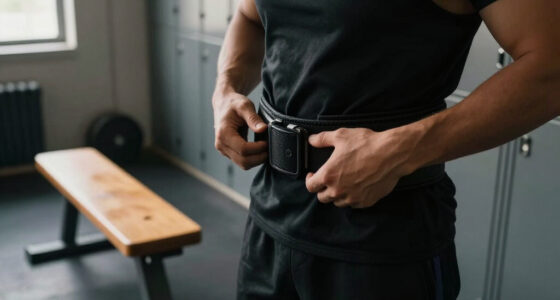
When time is tight or your grip is sweaty, a single-prong belt makes life easier. You simply slide the belt into place, lock the prong, and you’re set. No fuss, no fussing over multiple holes.
For example, after a brutal set of squats, you might want to quickly adjust your belt tighter or looser. A single prong lets you do that effortlessly. Lifters report fewer frustrations when changing belt tightness during a workout, especially with thicker leather belts.
In contrast, double-prong belts require lining up two prongs with corresponding holes. If the leather is stiff or the holes are misaligned, you’ll spend extra seconds—or minutes—trying to get it right. That’s a big deal when you’re trying to move quickly between heavy sets.
Why it matters: The simplicity of a single prong not only saves time but also reduces the chances of misalignment or improper fastening, which can compromise support and safety during lifts. This ease of use allows lifters to maintain focus on their technique and effort without unnecessary distraction or frustration.
As an affiliate, we earn on qualifying purchases.
Support Power: Is Double Prong Truly Better?
The quick answer: no, not really. Both single- and double-prong belts are designed to support your core, not to lift weights or protect your spine directly. The real support depends on the belt’s width, material, and how well it fits your waist.
Double prongs do spread tension across two points, which might seem like an advantage because it could theoretically distribute pressure more evenly and reduce the risk of the belt slipping or deforming under load. However, in practice, this benefit is often marginal because a high-quality single-prong belt with dense leather and sturdy hardware can achieve the same support levels. The critical factor is how well the belt conforms to your body and maintains tension during lifts.
According to research and expert opinion, the support effectiveness mainly hinges on the craftsmanship and fit of the belt, not the number of prongs. A poorly fitted double-prong belt can be less supportive than a well-fitted single-prong belt. The tradeoff: double prongs may add some redundancy, but they do not automatically translate into increased support or safety.
Implication: Focus on the quality of the belt’s construction and fit rather than assuming that more prongs equate to better support. For most lifters, a good single-prong belt can provide all the support needed for heavy lifts without the added complexity of double prongs.
As an affiliate, we earn on qualifying purchases.
Alignment and Fit: Why Double Prongs Can Be Frustrating
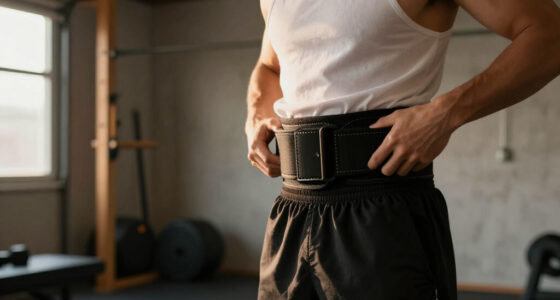
Aligning two prongs isn’t always straightforward. Thick leather, uneven holes, or wear and tear can make slipping both prongs into their respective holes a hassle. Especially during heavy lifts, misalignment can cause frustration or even compromise the fit.
Imagine trying to fasten your belt after a tough deadlift, only to find one prong stubbornly resisting. It’s not just annoying—it can also weaken the belt’s support if it doesn’t sit evenly. Misalignment can lead to uneven tension, which might cause the belt to shift during lifts, reducing its effectiveness and potentially risking injury.
Many lifters prefer the simplicity of a single prong, which slides in and out easily, even when the belt is tight and leather is stiff from breaking in. This simplicity often results in more consistent support because the belt remains evenly tensioned and properly aligned.
Why it matters: The hassle of aligning double prongs can lead to inconsistent fit and support, especially during intense training sessions when quick adjustments are necessary. The ease of a single prong can help maintain proper bracing and reduce the risk of support failure, which is crucial for safety and performance.
As an affiliate, we earn on qualifying purchases.
Construction Quality Is King: Why It Matters More Than Prongs
A high-quality belt beats a poorly made one, regardless of prong count. Look for dense, reinforced leather or sturdy synthetic webbing, paired with strong hardware. Rivets, stitching, and hole reinforcement shouldn’t show signs of weakness.
Why this matters: A well-crafted belt maintains its support and durability over years of heavy use. Inferior materials or shoddy construction can lead to early failure, which not only wastes money but also compromises safety during lifts. For example, a belt with weak stitching or thin leather may stretch or break, causing sudden support loss when you need it most. Conversely, a well-made belt with reinforced holes and quality hardware ensures consistent support and safety, regardless of prong style.
Implication: Prioritizing craftsmanship and material quality over style or prong count ensures your investment provides reliable support and safety over the long term. In the end, support and durability are more about how the belt is built than the hardware design itself.
As an affiliate, we earn on qualifying purchases.
Thickness and Comfort: How Leather and Build Affect Your Lift
Most powerlifting belts are around 10 to 13 millimeters thick. Thicker belts are stiffer, offering more support but potentially feeling restrictive. A 10 mm belt is more flexible and easier to break in, while a 13 mm can feel like a cast—especially for smaller or shorter-torso lifters.
Why it matters: The thickness of your belt influences how it interacts with your body during lifts. Thicker belts provide increased rigidity, which can enhance intra-abdominal pressure and stability, but they can also limit mobility or comfort if too stiff. Conversely, thinner belts may offer less support but allow for greater movement and comfort, which is crucial for those with shorter torsos or mobility issues. The tradeoff: thicker belts are better for maximal support, but they can compromise comfort and ease of breathing. The choice depends on your body size, lifting style, and personal preference.
Implication: Selecting the right thickness involves balancing support needs with comfort. A well-fitting belt tailored to your body and lifting routine ensures that you get the support you need without unnecessary restriction.
Choosing the Right Fit: Why Size and Body Shape Matter
The best belt is one that fits your body perfectly—snug but not tight enough to hinder breathing or movement. Many belts come in different widths, with four inches being common. Tapered belts can be more comfortable, especially for lifters with shorter torsos or those who experience pinching.
Why it matters: Proper fit ensures that the belt provides maximum support without causing discomfort or restricting natural movement. An ill-fitting belt can shift during lifts, decreasing support and increasing injury risk. For example, a belt that is too loose may slide or fail to brace effectively, while one that is too tight can restrict breathing and core engagement. Measuring your waist at the exact position where you plan to wear the belt is essential because body shape and torso length influence how well a belt fits and functions. Tailoring the fit to your body enhances support, comfort, and safety during heavy lifts.
Implication: Investing time in proper measurement and choosing a belt that matches your body shape ensures optimal support and reduces discomfort or injury risk, leading to better training consistency and performance.
Maintenance and Inspection: Keep Your Belt Supporting You
Leather belts need regular care. Check prongs, rivets, stitching, and holes for signs of wear. Leather can soften over time, and holes may elongate, reducing support.
Why it matters: Routine inspection and maintenance prevent unexpected failures that could lead to injury. For example, a small crack near the buckle might seem minor but can develop into a break under heavy load, risking injury. Proper care, such as cleaning, conditioning, and replacing worn parts, extends the lifespan of your belt and ensures consistent support. Both single- and double-prong belts require these checks, but the redundancy in double prongs may provide some buffer against minor damage. Nonetheless, a damaged belt should be replaced promptly to maintain safety and optimal support.
Implication: Regular maintenance not only prolongs the life of your belt but also guarantees that it continues to support your lifts safely, emphasizing that safety depends on proactive care.
Performance and Safety: Do More Prongs Equal Less Risk?
Research shows that belts can increase intra-abdominal pressure and help stabilize the core during lifts. But neither single nor double prongs automatically make lifting safer or more effective. The critical factor is how well the belt fits and how you brace your core during lifts.
For example, a lifter using a well-fitted single-prong belt can brace their core just as effectively as with a double-prong belt. The hardware is secondary to proper technique and consistent bracing. The added redundancy of double prongs might provide a sense of security, but it does not eliminate risks — a damaged or misaligned belt can be just as dangerous regardless of prong count. The key takeaway: hardware design does not replace proper technique and vigilant inspection. Safety and performance are about how you use the belt and maintain it, not just the hardware features.
Implication: Prioritize proper fit, technique, and regular inspection over hardware complexity to ensure safety and effectiveness.
Conclusion
Choosing between single- and double-prong belts isn’t about which is stronger—it’s about what fits your training style. A well-made, properly fitted single-prong belt is usually the smarter, more practical choice for most lifters.
Remember, support comes from your technique and fit, not just hardware. Focus on a belt that feels natural, supports your core, and stays durable through countless lifts. After all, your gear should work as hard as you do.
Fall yard work Picks
leaf blowers
As an affiliate, we earn on qualifying purchases.