TL;DR

Get business pricing on tools and workshop supplies
- Business-only prices and quantity discounts
- Tax-exempt purchasing
- Multiple users, one account, clear invoices
House Beautiful has published experts’ advice on reviewing 13 categories of household belongings after living in a home for five years or more. The list includes unused equipment, expired products, old cords, excess linens and unopened boxes; it is decluttering guidance, not a rule that every item must be discarded.
House Beautiful has published advice from organizers and designers on 13 types of household belongings to review after living in the same home for five years or more. The recommendations cover items such as unused fitness equipment, old manuals and cords, expired bathroom products and leftover renovation materials, offering readers a practical way to reclaim storage space without treating the five-year mark as a mandatory purge deadline.
The report’s experts say a home inventory can help residents distinguish useful belongings from items they have simply become accustomed to storing. Ann Lightfoot, cofounder of DDH Home Organizing & Move Management, describes the change in storage needs over time: “By year five, the ‘endless storage’ honeymoon is over.” Laura Kinsella, founder of Urban OrgaNYze, similarly says careers, families, routines and interests can change while accumulated possessions remain.
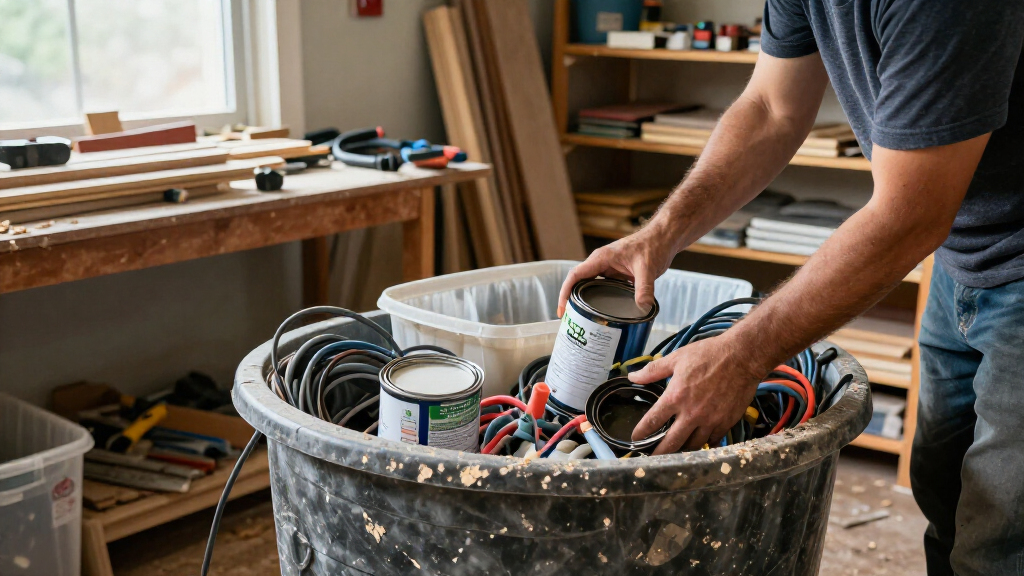
The suggested categories include extra tote bags, water bottles and branded items; manuals and cords for devices no longer owned; worn linens; long-unused fitness equipment; and supplies for projects that have not happened. The list also includes decorative accessories that go unnoticed, decor left over from a previous home, excess paint or building materials, specialty kitchen gadgets, wellness devices, furniture that no longer suits a room, expired products and unopened boxes.
The advice is selective rather than an instruction to throw everything away. The experts suggest keeping items that remain useful or meaningful, and selling or donating suitable unwanted goods. For old paint and building materials, Lightfoot recommends keeping a small labeled sample or tile where useful and taking leftover or dried products to a municipal hazardous-waste drop-off. The report also advises recycling worn linens where possible and disposing of cords responsibly.
Making Storage Match Daily Life
The recommendations matter because clutter can consume storage and living space, even when the objects are no longer part of a household’s routines. Reviewing belongings can also help residents make decisions based on how they use their home now, rather than on plans or habits from years earlier. Unused items may be candidates for donation, resale or appropriate recycling, while items with ongoing value can stay.
The experts frame decluttering as an adjustment, not a demand for a sparse home. Kerrie Kelly, CEO and creative director of Kerrie Kelly Studio, says design should be intentional about what people keep. She describes editing as a way to make room for things residents love and use. That distinction matters: a meaningful collection or a seldom-used item with a clear purpose is not automatically clutter simply because it has been in the home for five years.
Products Worth Considering

Ryobi 1.2 Amp Corded 16 Scroll Saw SC165VS

Milwaukee M12 Fuel 1/4 Hex Impact Driver Kit

EGO POWER+ LB6151 Cordless Leaf Blower with 2.5Ah Battery and Charger
As an affiliate, we earn on qualifying purchases.
A Five-Year Household Check-In
The House Beautiful report presents the five-year point as a convenient time to take stock, not as a research-backed threshold after which possessions become unnecessary. Its central idea is that residents have had time to learn how they actually use their rooms, while their work, family needs and interests may have shifted. The article relies on comments from professional organizers and a design expert; it does not report a survey or measure how much space households typically recover.
To avoid turning the task into a whole-house project, Kelly recommends working one drawer, cabinet or closet at a time. Her process is to remove the contents, clean the space and return only what merits keeping. The report’s category-by-category approach offers a starting point, but household needs differ, and the advice does not establish a universal rule for each object.
““Our careers, families, routines, and interests can change dramatically, but the things we’ve accumulated don’t automatically change with us.””
— Laura Kinsella, founder of Urban OrgaNYze
No Universal Five-Year Discard Rule
The report offers expert recommendations, not an official safety standard or a finding that each listed possession should be discarded after five years. It does not quantify the space, cost or environmental impact of decluttering, and it provides no formal criteria for deciding how much to keep in each category. Readers must judge whether an item is useful, valuable or meaningful in their own household.
Some disposal details depend on local rules. The report points readers toward municipal hazardous-waste drop-offs for leftover paint and similar materials, but does not name specific programs or explain local acceptance requirements. Its broad guidance to recycle or dispose of products safely does not specify the right method for every item, including electronics, cords, cosmetics and cleaning products.
Start With One Storage Area
The report suggests beginning with a small, manageable space and reviewing one category at a time. Residents can separate belongings to keep from those suitable for donation or resale, then check local recycling and disposal guidance for items that cannot be reused. Paint and renovation leftovers should be handled through local hazardous-waste instructions, rather than assumed to belong in ordinary household waste.
No follow-up policy or scheduled development is described in the supplied material. For readers applying the advice, the next step is a personal review based on actual use and local disposal options—not a deadline to clear all 13 categories.
Key Questions
Does the report say every item should be thrown out after five years?
No. It presents 13 categories to review, not a requirement to discard every item. The experts recommend keeping possessions that are useful or meaningful.
Which belongings does the report suggest reviewing?
Examples include unused fitness and wellness equipment, old cords and manuals, worn linens, duplicate kitchen tools, expired products, leftover decor and unopened boxes. The list also covers project supplies, extra promotional items, paint and furniture that no longer suits a room.
What should homeowners do with leftover paint?
Ann Lightfoot advises keeping a small labeled sample for touch-ups where useful and taking leftover or dried products to a municipal hazardous-waste drop-off. Residents should check local instructions, which can vary.
How can someone start decluttering without taking on the whole house?
Kerrie Kelly recommends choosing one drawer, cabinet or closet, removing its contents, cleaning the space and returning only the items worth keeping.
Source: housebeautiful.com