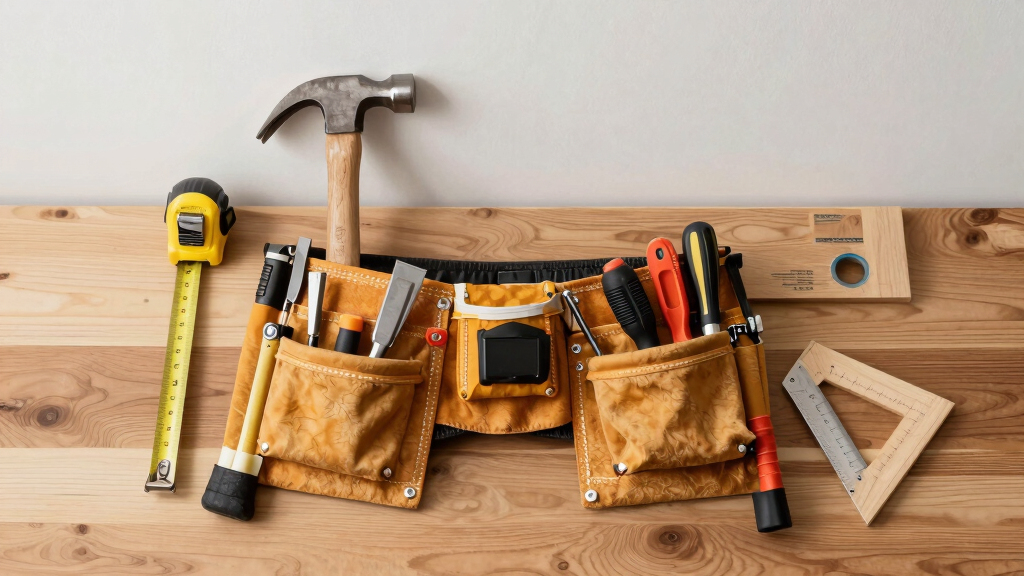

TL;DR

Get business pricing on tools and workshop supplies
- Business-only prices and quantity discounts
- Tax-exempt purchasing
- Multiple users, one account, clear invoices
Framers need heavy-duty, spacious belts for large tools and fasteners, while finish carpenters prefer lighter, organized setups for precision work. Tailoring your belt boosts productivity and comfort.
Match your belt’s design to your job—heavy-duty for framing, lightweight for finish work.
Prioritize durability and capacity in rough roles; focus on organization and comfort for detail work.
Recent innovations like modular systems and lighter materials boost efficiency and reduce fatigue.
Regularly inspect and maintain your belt to keep it safe and functional.
Choosing the right belt can improve productivity by up to 20%, according to industry data.
Build Fast, Finish Clean: The Belt Loadout Split
Framers need heavy-duty, spacious belts for large tools and fasteners. Finish carpenters need lighter, organized setups for precision work. The right belt is not just storage; it is a job-specific productivity system that protects comfort, speed, and safety.
A matched belt can improve efficiency by up to 20%.
Role Shapes Loadout
A framer climbing scaffolding with a nail gun and fasteners needs a different belt than a finish carpenter kneeling into crown molding with chisels and drivers. The best setup balances capacity, access, mobility, and fatigue.
Heavy Duty Capacity
Built for rough framing, wall layouts, beams, and fast nailing. Large pouches and reinforced seams help keep fasteners and large tools ready.
- Thick leather or heavy-duty nylon
- Hammer loop, nail pockets, drill space
- Weight distribution matters all day
Light, Precise, Ordered
Built for trim, cabinetry, molding, and detailed adjustments. Smaller compartments reduce clutter and support clean, repeatable tool access.
- Flexible fabric or thinner leather
- Dedicated slots for hand tools
- Less bulk for kneeling and reaching
Carry Only What Pays Rent
Overloading slows movement and increases strain. Underloading creates trips back to the toolbox. The sweet spot is the smallest setup that handles the day’s real tasks.
- Inspect wear and seams regularly
- Keep frequent tools closest to hand
- Adjust fit before long shifts
Side-by-Side Comparison
Use this matrix to decide whether your belt should lean toward rugged capacity, refined organization, or a modular middle ground.
| Decision Point | Framer Belt | Finish Carpenter Belt | Best Signal |
|---|---|---|---|
| Typical Work | Structural framing, beams, walls | Trim, cabinetry, molding | ✓ Match the dominant task |
| Material Choice | Thick leather, reinforced nylon | Flexible fabric, lighter leather | ✓ Durability without excess weight |
| Tool Capacity | Large pouches, fastener storage | Smaller dedicated compartments | ~ Capacity should fit the task |
| Power Tool Support | Drill, nailer, level, hammer loop | Often separate or limited | ✓ Essential for rough roles |
| Mobility | Can become bulky if overloaded | Slim profile for kneeling and reach | ✓ Critical for detail work |
| Risk If Wrong | ✗ Back strain, imbalance | ✗ Missing heavy-duty capacity | ~ Reassess by project type |
How To Pick The Right Belt
Start with the job, then narrow by tool list, material, comfort, and adaptability. This keeps you from buying a belt that looks professional but fights your actual workflow.
Assess Tasks
Heavy lifting, fast nailing, trim work, cabinetry, or mixed projects.
List Tools
Separate daily essentials from occasional extras and backup gear.
Pick Material
Choose leather or tough nylon for framing; lighter material for finish work.
Test Fit
Use padded straps, adjust sizing, and check balance with tools loaded.
Add Modules
Use detachable pouches or magnetic holders when the work changes often.
Maintain
Inspect seams, clips, pockets, and loops before worn gear becomes unsafe.
Capacity vs Precision
The two loadouts sit on different ends of the same spectrum: framers optimize for rugged carrying power, while finish carpenters optimize for access, finesse, and reduced fatigue.
The Practical Tradeoff
A bulky framer belt can slow detailed work and strain the back. A slim finish belt can leave you under-equipped for rough framing. Choose the belt that supports the work you actually perform most often.
Loadout Spectrum
What Is Changing Now
Recent belt design is moving toward modular, lighter, more ergonomic systems that let carpenters adjust their carry setup by project instead of committing to one fixed layout.
Swap The Load
Detachable pouches, quick-release clips, and magnetic holders let workers shift from rough work to fine work without rebuilding the whole setup.
Less Fatigue
Padded straps, breathable materials, and better weight distribution help reduce strain during long shifts and repeated ladder movement.
Weather Ready
Weather-resistant fabrics and reinforced stress points help belts survive outdoor framing and daily jobsite abuse.
Smarter Tracking
Some new systems add tool tracking or specialized holders, improving accountability and reducing downtime spent hunting for essentials.
Traceability Chain
Every smart belt choice follows the same logic: trade demands determine tool mix, tool mix determines belt structure, and belt structure determines daily comfort and speed.
Why Your Role Shapes Your Tool Belt Choice
Framers and finish carpenters have very different tasks. Framers tackle large, rough projects—think framing walls, installing beams, and heavy nailing. They need rugged, spacious belts that can carry big tools like hammers, nail guns, and levels. Finish carpenters, on the other hand, handle detail work—molding, cabinetry, trim. They prefer slim, lightweight belts that keep small, precise tools within quick reach.
Imagine a framer climbing a scaffolding with a belt loaded with a cordless drill, nail gun, and extra nails. Now picture a finish carpenter kneeling to install a crown molding, with a belt holding screwdrivers, chisels, and a tape measure. The difference in setup speeds up work, reduces fatigue, and boosts safety.
Implication: Choosing the right belt based on your role not only improves your efficiency but also impacts your safety and physical health. A bulky belt that’s designed for heavy-duty tasks can hinder mobility and cause fatigue if used in detail-oriented work, while a lightweight, organized belt may be inadequate for heavy lifting and fastener storage in rough framing. Understanding these tradeoffs helps you select a loadout that balances capacity with comfort and safety.
As an affiliate, we earn on qualifying purchases.
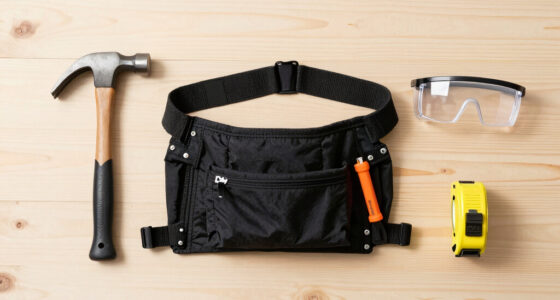
What Makes a Framer’s Tool Belt Stand Out?
A framer’s belt is built tough. Think thick leather or heavy-duty nylon, with reinforced seams that handle daily wear and tear. But beyond durability, these features ensure that the belt maintains its shape and strength over time, preventing tools from falling out or damaging the belt itself. The large pouches for nails, screws, and fasteners allow quick access to essentials, reducing downtime during large projects. The layout often includes specialized holders for power tools and levels, which are critical for maintaining accuracy on big builds.
For example, a typical framer might have a belt with a big front pouch for nails, side pouches for a cordless drill, and a loop for their hammer. The weight distribution is crucial—if it’s too heavy or unbalanced, your back pays the price after a long day. Proper distribution prevents strain and enhances safety, especially when working at height or in awkward positions.
Tradeoff: While these belts are highly durable and capacity-rich, their weight can become a burden if overloaded or poorly balanced. The key is selecting a belt that provides sufficient capacity without compromising comfort or mobility.
Choosing a framer’s belt means prioritizing durability and capacity, but it also involves accepting the tradeoff of added weight. If not properly balanced, a heavy belt can cause back strain or fatigue, especially during long shifts. Thus, the best framer’s belt is one that offers enough room for essential tools but also distributes weight evenly to prevent strain, ensuring that the worker maintains safety and productivity throughout the day.
lightweight finish carpenter tool belt
As an affiliate, we earn on qualifying purchases.
As an affiliate, we earn on qualifying purchases.
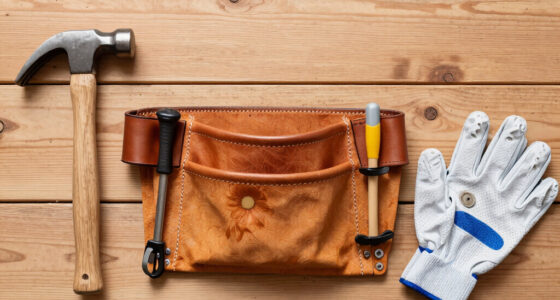
How Finish Carpenters Keep Things Organized and Light
Finish carpenters prioritize mobility. Their belts are usually lighter, made from flexible materials like reinforced fabric or thinner leather. This lightweight design enables quick, precise movements—crucial for tasks like molding or cabinetry where finesse matters. The smaller pouches are well-organized, with dedicated compartments for screwdrivers, chisels, and measuring tapes, which keeps tools within easy reach without cluttering the workspace.
Picture a finish carpenter with a slim belt holding a few screwdrivers, a small tape measure, and a chisel. It’s easy to move around, kneel, and reach for tools without feeling weighed down. This setup minimizes fatigue and maximizes precision. The tradeoff is that these belts usually have less capacity for heavy tools or large fasteners, so they’re best suited for lighter, more detailed work.
Implication: By focusing on lightweight and organization, finish carpenters reduce fatigue and improve accuracy. However, if a job unexpectedly requires heavy-duty tools, they might need additional gear or a different belt setup. The key is balancing weight savings with the capacity to handle the tools needed for specific tasks. For example, a finish carpenter might carry a few essential hand tools but rely on a separate pouch or a different belt for power tools or fasteners if the job demands it. This flexibility allows them to adapt quickly without sacrificing precision or comfort.
As an affiliate, we earn on qualifying purchases.
Latest Trends in Tool Belts You Should Know About
Tools and belts are evolving fast. Modular systems let you customize your loadout with detachable pouches, magnetic holders, and quick-release clips. These features mean you can swap out parts depending on the job—perfect for workers switching between rough framing and fine finish work. Modular systems also allow for better weight distribution and easier replacement of worn components, extending the life of your belt and improving overall efficiency.
Manufacturers are designing lighter belts with padded straps and breathable materials, cutting down fatigue on long days. Some belts now incorporate smart tech—like tool trackers or weather-resistant fabrics—making them smarter and tougher than ever. For example, a carpenter might use a modular belt with magnetic screw holders on one project and switch to a larger pouch for drywall work. These innovations help workers adapt quickly, maintain organization, and stay comfortable during intensive workdays.
Tradeoff: While these innovations improve efficiency and comfort, they may come at a higher initial cost or require more maintenance. The key is assessing whether these features align with your specific work demands and budget. Investing in modular, lightweight, and tech-enabled belts can pay off by reducing fatigue and increasing productivity, but they should be chosen based on your actual work needs and budget constraints.
carpenter tool belt with large tool pockets
As an affiliate, we earn on qualifying purchases.
As an affiliate, we earn on qualifying purchases.
How to Pick the Right Belt for Your Job (Step-by-Step)
- Assess your typical tasks—heavy lifting or detailed finish work?
- List your essential tools—power tools, hand tools, fasteners.
- Choose durable materials if you’re a framer—leather or tough nylon.
- Opt for lightweight, organized belts if you’re a finish carpenter.
- Try on belts with padded straps and adjustable sizing for comfort.
- Consider modular features if your work varies a lot.
Matching your belt to your specific tasks ensures you’re not overburdened or under-equipped. For example, a framers’ belt with high capacity and rugged materials will withstand demanding conditions but might be cumbersome for delicate finish work. Conversely, a finish carpenter’s belt with multiple compartments and lightweight design enhances precision and reduces fatigue, but might lack the durability needed for rough framing. Carefully weighing these tradeoffs ensures your gear supports your productivity and safety effectively. Remember, the right choice can reduce physical strain, prevent injuries, and streamline your workflow, making your workday more efficient and less stressful.
Comparison Table: Framer vs Finish Carpenter Loadouts
| Feature | Framer Loadout | Finish Carpenter Loadout |
|---|---|---|
| Materials | Heavy-duty leather or nylon | Lightweight fabric or thin leather |
| Pouch Size | Large, spacious | Small, organized |
| Tools Carried | Hammer, nail gun, levels, fasteners | Screwdrivers, chisels, tape measure |
| Weight | Heavy, durable | Light, flexible |
| Design Focus | Capacity and durability | Mobility and organization |
Safety Tips When Using Your Tool Belt
Always avoid overloading your belt—extra weight strains your back and risks dropping tools. Regularly inspect for tears or worn straps. Secure loose tools to prevent accidents. Balance your load to keep weight centered, especially when climbing or working at height. For example, a loose hammer swinging can cause injury or damage.
Wear belts that fit snugly but don’t cut into your skin. Using padded straps and proper adjustment reduces fatigue and discomfort.
Frequently Asked Questions
Can I use the same belt for framing and finish carpentry?
While possible, it’s not ideal. Framing belts are built for heavy tools and durability, making them bulkier and heavier. Finish carpentry belts are lighter and more organized. For best results, choose a belt suited to each task or opt for a versatile, modular system.What’s the best material for a durable, long-lasting tool belt?
Heavy-duty leather or thick nylon are the most durable choices. Leather offers excellent wear resistance and a classic look, while nylon is lighter and often more weather-resistant. Your choice depends on your work environment and personal comfort.How can I customize my tool belt for different projects?
Look for modular pouches, magnetic holders, and quick-release clips. You can add or remove pouches depending on whether you’re doing rough framing or fine finish work. This flexibility keeps your tools organized and accessible.Are ergonomic belts worth the extra cost?
Absolutely. Belts with padded straps, breathable materials, and adjustable fit reduce fatigue and back strain during long shifts. Investing in comfort pays off in productivity and injury prevention.Conclusion
Your tool belt isn’t just a holder—it’s your most-used piece of gear. Picking the right loadout makes your work safer, faster, and less tiring. The next time you gear up, think about what your role truly demands—and tailor your belt accordingly. That small change can make a big difference in your day’s flow.Halloween Picks
halloween
As an affiliate, we earn on qualifying purchases.