TL;DR

Get business pricing on tools and workshop supplies
- Business-only prices and quantity discounts
- Tax-exempt purchasing
- Multiple users, one account, clear invoices
Padded tool belts provide better weight distribution and comfort during long hours, but cost more and can add bulk. Unpadded belts are simpler, cheaper, and lighter, making them suitable for shorter jobs or lighter loads.
If you’ve ever lugged a tool belt all day and felt that nagging ache in your hips or lower back, you’re not alone. The choice between padded and unpadded belts isn’t just about comfort — it’s about how your body handles weight, your work routine, and your budget. Whether you’re a seasoned carpenter or a weekend DIYer, understanding the difference can save you pain and money in the long run.
This guide cuts through the hype to give you real, practical insights. You’ll learn how padding affects comfort, durability, and cost, plus tips to pick the right belt for your specific needs. Ready to get more comfortable while working smarter? Let’s dive in.
Padded belts significantly reduce back and hip strain during long workdays, making them ideal for heavy or prolonged use.
Unpadded belts are lighter, cheaper, and simpler, suited for quick tasks or jobs with lighter tool loads.
Material quality and reinforcement are key to the longevity of both padded and unpadded belts.
Proper fit and adjustability matter more than padding alone in ensuring comfort and mobility.
Investing in a padded belt pays off when you work 8+ hours with heavy tools, reducing fatigue and injury risk.
Padded vs Unpadded Tool Belts: Comfort, Cost, and Jobsite Fit
Padded tool belts spread heavy loads across the hips and lower back, making long days easier on the body. Unpadded belts stay lighter, simpler, and cheaper, which works well for short jobs, lighter tool kits, and workers who prefer minimal bulk.
Up to 30%
Research indicates padded belts can reduce lower back strain during extended wear.
8+ hrs
Padding pays off most when heavy tools stay on your body for a full workday.
Fit beats padding alone. The best belt is snug, adjustable, balanced, and matched to your tool load.
Better for heavy, prolonged wear and pressure-point reduction.
Less bulk for tight spaces, quick repairs, and agile work.
Unpadded belts usually cost less because construction is simpler.
Leather, nylon, stitching, and reinforcement matter for both types.
Choose by Load, Time, and Movement
The difference is not only softness. Padding changes how weight travels through your hips, back, and core, while unpadded construction keeps the belt lean and easy to manage.
Best for long days
Foam or gel cushioning spreads weight over a broader surface, reducing hip pressure and lower-back fatigue during extended wear.
Best for light kits
A simpler belt is lighter, cheaper, and easier to move in when you carry fewer tools or work in short bursts.
Fit decides comfort
Adjustability, pouch placement, waist size, and balanced loading can matter more than padding thickness alone.
Where Padding Helps Most
Padding behaves like a pressure diffuser. It reduces concentrated load on the hips and can soften the bounce of heavy tools while walking, climbing, kneeling, or lifting.
The comfort upside
A wider cushioned surface reduces pressure points, especially with heavy tools. This can lower fatigue and help prevent soreness after repeated long shifts.
The bulk tradeoff
Extra padding can feel warmer, tighter, or more cumbersome, particularly for workers in tight spaces or anyone who prefers a minimalist setup.
Side-by-Side Comparison
Both designs can last for years when the base material, stitching, and reinforcement are strong. The weak point differs: padding can compress, while unpadded fabric can fray.
| Feature | Padded Tool Belts | Unpadded Tool Belts | Verdict |
|---|---|---|---|
| Comfort | ✓Better weight distribution and pressure relief during extended wear. | ~Can be comfortable with lighter loads and excellent fit. | Padding wins for long days. |
| Cost | ~Usually higher due to extra materials, stitching, and ergonomic construction. | ✓Generally cheaper and easier to replace. | Unpadded wins for budget. |
| Durability | ~Strong if reinforced, but padding may compress or degrade over time. | ✓Fewer internal parts mean fewer hidden failure points. | Quality construction decides. |
| Mobility | ~Supportive but bulkier around the waist. | ✓Lean profile helps with agility and tight work areas. | Unpadded moves easier. |
| Heavy Loads | ✓Designed to make heavier tools feel more manageable. | ✗Weight can concentrate on hips and waist. | Padded is the safer bet. |
A Practical Selection Path
Start with the actual workday, not the product label. Duration, load, heat, movement, and adjustability reveal the better choice quickly.
Count hours
Short sessions favor lighter unpadded belts. Full days favor padding.
Weigh tools
Heavy pouches, fasteners, and power tools increase the value of cushioning.
Check movement
Climbing, crawling, and tight spaces may reward a slimmer profile.
Test fit
A snug, adjustable belt should sit securely without pinching.
Inspect build
Look for reinforced seams, durable fabric, and stable pouch attachment.
Recommended Use Spectrum
Fast Answers Before You Buy
Most buyers are choosing between comfort insurance and lean simplicity. These answers keep the decision grounded.
Are padded belts more comfortable all day?
Generally yes. They distribute weight more evenly, but comfort still depends on fit, pouch balance, and whether the added bulk bothers you.
Are padded belts worth it for casual DIY?
Usually not for occasional light work. An unpadded belt is often enough if your load is small and your sessions are short.
Can unpadded belts work for long hours?
They can if they are well made, properly adjusted, and not overloaded. Heavy daily use is where padding becomes much more noticeable.
Which materials should I look for?
Choose strong leather, nylon, or polyester, reinforced stitching, stable hardware, and padding that resists moisture and compression.
The Logic in One Line
The right belt follows the pressure path: tools create load, load creates strain, design controls comfort, and fit determines whether the system works.
What Exactly Is a Padded Tool Belt and Why Does It Matter?
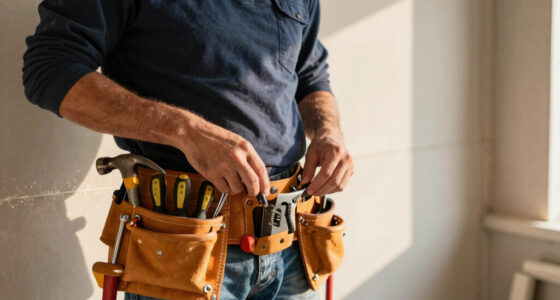
A padded tool belt features foam, gel, or other cushioning materials sewn into the waistband or straps. This padding spreads the weight of heavy tools more evenly across your hips and lower back, reducing pressure points. Imagine a carpenter lugging a full set of power tools — a padded belt can make that feel almost like carrying a light backpack instead of a brick.
Why does this matter? Because uneven weight distribution can lead to localized soreness, fatigue, and even longer-term musculoskeletal issues if not addressed. Proper padding acts as a shock absorber, lessening the impact of heavy tools bouncing against your body, which is especially crucial during extended workdays. The tradeoff is that padding adds bulk, which might restrict movement or cause discomfort for those who prefer minimal gear. Choosing the right padding thickness and material—breathable foam versus gel—can make a significant difference in how well your belt supports you without sacrificing mobility.
Recent innovations aim to balance cushioning with lightweight, breathable designs, emphasizing comfort without hindering flexibility or causing excessive sweating. The importance of padding ultimately lies in its ability to mitigate strain and prevent injury, turning a simple belt into a supportive tool for long hours of demanding work.
padded tool belt for heavy-duty work
As an affiliate, we earn on qualifying purchases.
As an affiliate, we earn on qualifying purchases.
How Padding Changes the Way You Feel and Move on the Job
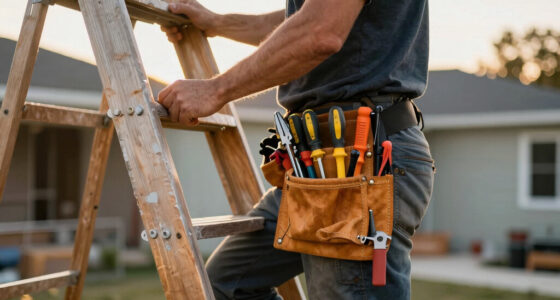
Padding isn’t just about adding comfort—it fundamentally changes how your body interacts with the load. When you wear a padded belt, the distribution of weight across a broader area reduces localized pressure on your hips, lower back, and core muscles. This means less fatigue and soreness after a long day, which can directly impact your productivity and overall health. For example, a roofer or carpenter who spends hours climbing, kneeling, or lifting benefits from this even weight spread, as it minimizes jarring impacts and muscle strain.
However, this ergonomic advantage comes with a tradeoff: increased bulk. The extra padding can make the belt feel tighter or more cumbersome, especially if your movements require agility or if you prefer a minimalist setup. For workers who prioritize maximum mobility or work in tight spaces, this added bulk might hinder their performance or cause discomfort. Therefore, understanding your specific work style—whether you need all-day support or prefer a lightweight, flexible belt—is essential. Properly designed padded belts aim to strike a balance, offering enough cushioning to reduce strain without compromising your ability to move freely. This understanding helps you choose a belt that enhances comfort and reduces injury risk without creating new limitations.
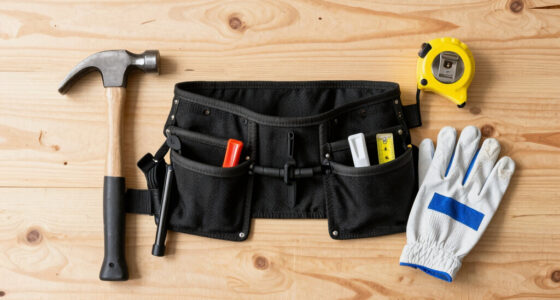
unpadded tool belt for light tasks
As an affiliate, we earn on qualifying purchases.
As an affiliate, we earn on qualifying purchases.
Padded vs Unpadded: How Do They Compare in Durability and Material Quality?
| Feature | Padded Tool Belts | Unpadded Tool Belts |
|---|---|---|
| Material Options | Leather, nylon, polyester with foam or gel padding—materials chosen for their ability to withstand repeated stress and environmental factors. High-quality padding is sewn securely to prevent shifting or degradation, ensuring long-term support. | Same base materials as padded belts, but without internal cushioning. Durability depends on the quality of the outer fabric and stitching. Fewer internal parts mean fewer points of failure, but the overall lifespan hinges on material choice and construction. |
| Reinforcement | Often reinforced around seams and padding attachment points to resist tearing and wear, especially in high-stress areas. This reinforcement prolongs the belt’s usable life, even with heavy daily use. | Typically features uniform stitching and straightforward construction, making repairs easier. While generally robust, the absence of reinforcement in specific areas can lead to quicker wear if not made with quality materials. |
| Durability | High-quality padding sewn with durable threads can last years, but the padding itself may degrade over time—especially if exposed to moisture, dirt, or rough handling. Proper maintenance extends lifespan. | Generally more resistant to internal breakdown since there’s no padding to degrade. Maintenance involves cleaning and occasional repairs, and the simpler design often makes it easier to replace or mend parts. |
| Wear & Tear | Padding may compress, crack, or become less supportive over years, which affects comfort. The seams and attachment points are critical failure zones, especially under harsh conditions. | Less prone to internal deterioration, but the outer fabric may fray or rip with heavy use. The absence of internal padding means fewer internal components to fail, which can translate into a longer-lasting product if the materials are durable. |
Understanding these durability factors highlights the importance of choosing high-quality materials and construction. Well-made padded belts with reinforced seams and moisture-resistant padding can support you through years of demanding work. Conversely, a sturdy unpadded belt with durable outer fabric can often outlast cheaper, poorly constructed options, especially if maintenance is consistent. The tradeoff involves balancing initial cost, expected lifespan, and your specific work conditions—heavy exposure to moisture or rough handling may favor reinforced padded belts, while lighter, less demanding environments might do well with simpler designs.
ergonomic tool belt with back support
As an affiliate, we earn on qualifying purchases.
As an affiliate, we earn on qualifying purchases.
Frequently Asked Questions
Are padded tool belts more comfortable for all-day wear?
Generally, yes. Padded belts help distribute weight evenly, reducing pressure points and fatigue during long hours. However, comfort also depends on proper fit and personal preference. If bulk bothers you, look for slimmer padding options.Is the extra cost of padded belts justified for casual DIY projects?
Probably not. For occasional or light-duty work, unpadded belts offer enough support and are more affordable. The benefits of padding are more noticeable for professionals or those working multiple hours daily with heavy tools.Can unpadded belts be comfortable if I work long hours?
They can, if made from quality materials and properly adjusted. Some tradespeople find that a well-designed unpadded belt with a good fit can last all day without discomfort, especially if their tool load isn’t too heavy.What materials should I look for in a durable, comfortable belt?
Look for high-quality leather, nylon, or polyester with reinforced stitching. Breathable padding or mesh layers in padded belts can improve comfort. The key is a sturdy, flexible base combined with good adjustability.How do I pick the right size and fit?
Measure your waist accurately and choose a belt with adjustable straps or buckles. Try on belts with your typical tool load to ensure they stay snug without pinching or feeling tight. Proper fit prevents slipping and discomfort.As an affiliate, we earn on qualifying purchases.
Conclusion
Choosing the right tool belt isn’t just about price or material — it’s about what keeps you comfortable and productive. If you’re tackling long, heavy days, a padded belt can save your back and boost your stamina. For shorter or lighter jobs, simplicity and affordability might be the smarter move.
Remember: a well-fitted, durable belt tailored to your work style makes all the difference. Don’t settle for discomfort — your back will thank you.
Halloween Picks
halloween
As an affiliate, we earn on qualifying purchases.