
TL;DR
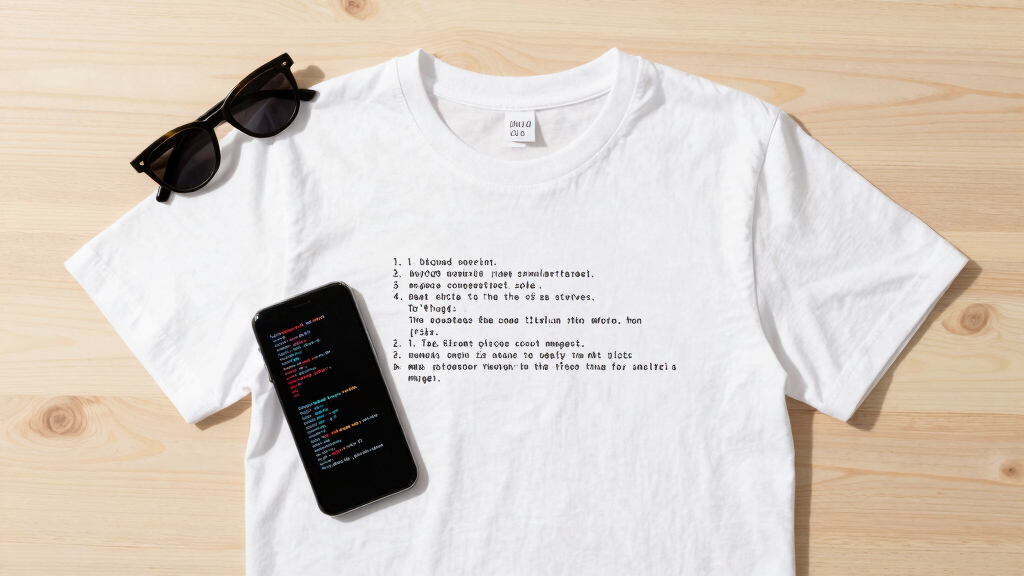
A person discovered an obfuscated bash script printed on a Uniqlo T-shirt. The script’s code was decoded, revealing a complex piece of code. The event highlights issues of digital art, security, and fashion colliding.
A person has publicly shared that they decoded an obfuscated bash script printed on a Uniqlo T-shirt. The script, initially believed to be a simple graphic, was revealed to contain complex code, raising questions about the intersection of fashion, digital art, and cybersecurity.

Get business pricing on tools and workshop supplies
- Business-only prices and quantity discounts
- Tax-exempt purchasing
- Multiple users, one account, clear invoices
The discovery was made when a user posted images of the T-shirt on social media, claiming the printed code was intentionally obfuscated. Cybersecurity experts confirmed that the script, once decoded, contained a series of commands typical of bash scripts used in system administration and hacking tools. The script appeared to be a form of digital art or an encrypted message, not an active malicious code.
According to the person who decoded it, the script was encoded with standard obfuscation techniques, making it difficult to interpret at first glance. Cybersecurity analyst Dr. Emily Chen explained that while the code was complex, it did not contain any immediate threats or malware. Uniqlo has not officially commented on the incident, and the T-shirt remains available for purchase online.
Implications for Digital Art and Fashion Security
This event highlights the growing trend of incorporating digital art and code into fashion items, blurring the lines between clothing, technology, and cryptography. It raises questions about security risks associated with printed code on apparel, especially if such designs contain active scripts or malicious content. The incident also sparks discussions about authenticity, intellectual property, and the potential for clothing to serve as carriers of encrypted messages or digital signatures.
For consumers, it underscores the importance of understanding the content printed on clothing, especially as fashion and tech continue to intersect. For cybersecurity, it illustrates how obfuscation techniques can be used creatively, but also potentially maliciously, in physical objects.
Products Worth Considering

Greenworks 48V (24V x 2) 21-Inch Self-Propelled Mower, Blower, and String Trimmer Kit

EGO Power+ 12-Inch Cordless Electric Snow Shovel with 56V 2.5Ah Battery and Charger

WORX WG733.1 20V 14-Inch Cordless Lawn Mower
As an affiliate, we earn on qualifying purchases.
Fashion Meets Cybersecurity: The Rise of Embedded Code
In recent years, artists and designers have experimented with embedding digital code and cryptography into physical objects, including clothing, accessories, and art installations. Notably, some brands have incorporated QR codes, NFC tags, and encrypted messages as part of their designs. This trend raises both artistic and security concerns, especially as print-on-demand technology makes it easier to produce custom items with complex digital content.
Prior to this event, there have been instances of encrypted messages printed on merchandise, but few cases where the code was intentionally obfuscated and decoded publicly. The Uniqlo T-shirt case is among the first to draw widespread attention, prompting experts to consider the potential uses and risks of such integrations in mainstream fashion.
“The decoded script appears to be a complex obfuscation of standard bash commands, but it does not seem to contain any active malicious payloads at this time.”
— Cybersecurity expert Dr. Emily Chen
Unanswered Questions About the Script’s Purpose
It is still unclear whether the printed code was intended purely as artistic expression, a cryptographic message, or if it could be part of a security risk. The original creator of the T-shirt has not publicly disclosed their intent, and it remains unknown if the code has any active function or malicious potential.
Additionally, the extent of the obfuscation techniques used and whether similar designs exist elsewhere are still under investigation. The potential for such embedded code to be used maliciously in the future is also a subject of concern among cybersecurity experts.
Next Steps in Analyzing and Regulating Embedded Code in Fashion
Cybersecurity researchers plan to further analyze the decoded script to understand its full scope and potential uses. Fashion brands and designers may also explore standards for embedding digital content in clothing, balancing artistic expression with security considerations. Legal and regulatory discussions could emerge regarding intellectual property rights and safety measures for digitally embedded designs.
Consumers are advised to remain cautious about clothing with printed or embedded code until more is understood about potential risks or malicious uses.
Key Questions
Is the code on the T-shirt dangerous?
According to cybersecurity experts, the decoded script does not currently contain active malicious payloads, but the obfuscation techniques used highlight potential security concerns.
Why would someone print code on a T-shirt?
Artists and designers may use printed code as a form of digital art, cryptography, or to make a statement about technology and fashion. The purpose varies depending on the creator’s intent.
Could the printed code be malicious?
While the current decoded script appears benign, the possibility exists that similar designs could embed malicious code or serve as a method of covert communication. Caution is advised.
Is this a new trend in fashion?
Embedding digital code and cryptography into clothing is an emerging trend among certain artists and brands, blending technology, art, and fashion.
Will there be regulations on printed code in clothing?
Regulatory discussions are likely as the trend grows, especially concerning security, intellectual property, and safety standards for digitally embedded designs.
Source: hn