
TL;DR
A woman has moved her home office to an unexpected location, which has helped her eliminate clutter. The development reflects evolving remote work habits and interest in optimizing home spaces.
A woman has transformed her home workspace by relocating her office to an unexpected area within her residence, resulting in a significantly clutter-free environment. This change underscores a broader trend of rethinking home office setups amid evolving remote work practices, making it a noteworthy development for those interested in home organization and work-life balance.

Get business pricing on tools and workshop supplies
- Business-only prices and quantity discounts
- Tax-exempt purchasing
- Multiple users, one account, clear invoices
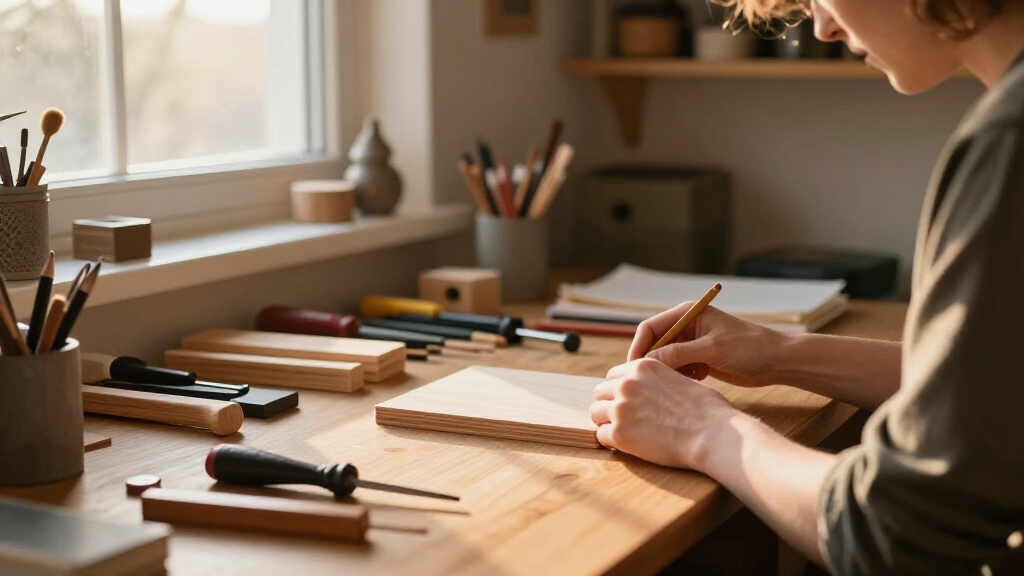
The woman, whose identity has not been disclosed, moved her home office to a previously unused corner of her basement, which she converted into a dedicated workspace. According to her, this shift was motivated by the desire to separate work from personal life and to reduce visual clutter that accumulated in her main living areas. The new setup is described as minimalistic, with only essential equipment and storage solutions, facilitating a cleaner and more organized environment.
Sources indicate that her previous office was located in her bedroom, where clutter and distractions hampered productivity. Since relocating to the basement corner, she reports a noticeable improvement in focus and a reduction in household clutter, with her workspace now free of unnecessary items. The change has been well-received on social media, with many users expressing interest in similar reorganization efforts, although these reports are anecdotal and based on trend signals rather than formal studies.
Implications of the Unconventional Home Office Choice
This development highlights how individuals are increasingly reevaluating their home environments to optimize productivity and reduce clutter. Moving an office to an unexpected location within the home can help create clearer boundaries between work and personal life, which is especially relevant as remote work becomes more prevalent. The trend suggests that flexible, personalized workspaces may improve mental well-being and efficiency, influencing future home design and organization practices.
Products Worth Considering

DEWALT DWP611PK 1.25 HP Variable-Speed Compact Router Kit with Fixed and Plunge Bases

RYOBI P1819 18V ONE+ 6-Tool Lithium-Ion Combo Kit

Greenworks 24V Cordless Car Jack Kit – 3 Ton Max Loading, 2 Ah Battery and Charger
As an affiliate, we earn on qualifying purchases.
Rising Interest in Home Office Optimization
Over recent years, the shift toward remote work has prompted many to reconsider their home layouts. While some have dedicated entire rooms as offices, others are experimenting with unconventional spaces, such as basements, attics, or closets, to create more functional work environments. This particular trend appears to be gaining traction as individuals seek to reduce household clutter and improve focus, although it remains a trend signal rather than a confirmed widespread movement. The interest in decluttering and space reorganization has been amplified by social media platforms, where users share before-and-after images of their home office setups.
It is important to note that the trigger for this specific change is unconfirmed, and the trend is based on observed search interest and anecdotal reports rather than official studies or widespread surveys.
Extent and Future of the Unconventional Office Trend
It is not yet clear how widespread this practice is or whether it will become a lasting trend. The current signals are based on anecdotal reports and increased online interest, but there are no comprehensive studies or official data confirming the adoption rate or long-term benefits. Additionally, it remains uncertain whether other individuals will follow similar approaches or if this is a temporary adaptation driven by specific circumstances.
Monitoring Future Home Office Reorganizations
Researchers and industry observers will likely track whether this trend continues to grow and how it influences home design. Future developments may include more innovative use of unconventional spaces, increased sharing of organizational tips online, and potential impacts on real estate preferences. For now, individuals experimenting with new home office locations should consider safety and ergonomic factors, especially when using less traditional spaces.
Key Questions
Why did the woman move her home office to an unexpected location?
She wanted to create a clearer separation between work and personal life and reduce visual clutter that was hindering her productivity.
Does relocating a home office to an unconventional space improve productivity?
Anecdotal reports suggest it can, by providing a dedicated, distraction-free environment, but comprehensive studies are not yet available.
What are the risks of using unconventional spaces as home offices?
Potential risks include ergonomic issues, safety concerns, and lack of proper lighting or ventilation. Proper setup and safety precautions are recommended.
Is this trend expected to grow?
It is too early to say definitively. Current signals are based on anecdotal evidence and increased online interest, but wider adoption is unconfirmed.
What should I consider before moving my home office to an unconventional space?
Ensure the space is safe, ergonomically suitable, and provides adequate lighting and ventilation. Also, consider how it affects your work-life boundaries.
Source: rss