
TL;DR
A portable tool box offers quick, lightweight transport for small tool sets, ideal for on-the-go work. A rolling cabinet provides extensive storage and organization for fixed workspace use. Your choice hinges on mobility needs and tool volume.
If you’re tired of juggling messy tools or wasting time searching through clutter, the right storage solution can change your game. But which one? A portable tool box or a rolling cabinet? The choice isn’t just about size—it’s about how you work, where you work, and what you need to carry.
In this guide, you’ll learn the key differences, when each shines, and practical tips to pick the perfect fit. Whether you’re a weekend DIYer or a professional tradesperson, this info helps you save time, avoid frustration, and get your tools where they need to go.
What’s a portable tool box—and why it’s perfect for quick jobs
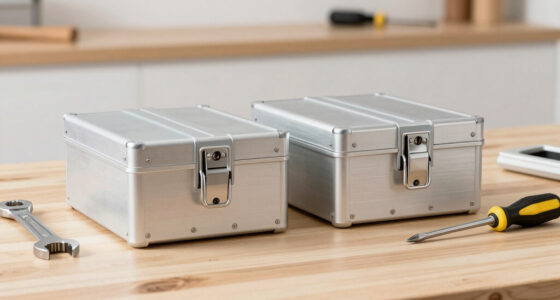
A portable tool box is a lightweight, handheld container designed for easy carrying. Think of it as your trusty sidekick for small projects or on-site fixes. It’s usually made from durable plastic or metal, with compartments optimized for quick access.
Imagine heading to a neighbor’s house to fix a leaky faucet. You grab your small, sturdy box, toss in your basic tools—pliers, screwdriver, tape measure—and you’re set. It’s light enough to carry in one hand, fits in your truck bed, and gets the job done fast.
Some models even have shoulder straps or handles, making it easy to carry across a busy construction site. They’re perfect when you need tools on the fly, without hauling a bulky case around.
However, it’s important to recognize that while portability is its strength, this often comes at the expense of storage capacity. Small tool boxes force you to prioritize essential tools, which means they might not accommodate larger or more numerous tools for complex jobs. The tradeoff is clear: convenience versus comprehensiveness. For quick fixes or small-scale projects, this limitation is acceptable and even beneficial, as it prevents clutter and keeps your tools accessible.
Understanding this tradeoff helps you decide whether the quick access and lightweight nature outweigh the need for more extensive storage, especially if your work involves larger or more diverse tools.
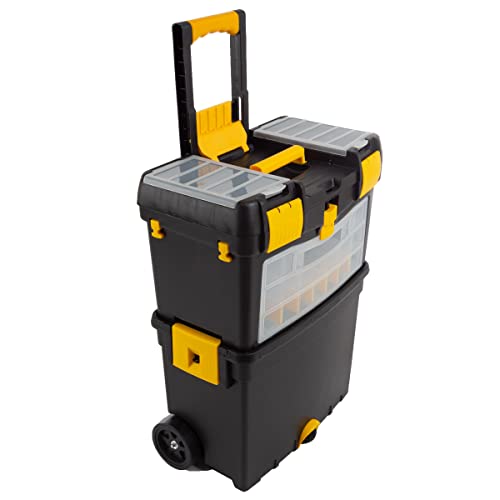
Rolling Tool Box with Wheels, Foldable Comfort Handle, and Removable Top – Toolbox Organizers and Storage by Stalwart
MOBILE TOOL BOX WITH WHEELS – This set of stackable tool boxes includes 24 small parts compartments, 2…
As an affiliate, we earn on qualifying purchases.
As an affiliate, we earn on qualifying purchases.
Why a rolling cabinet packs more punch—and when to choose it
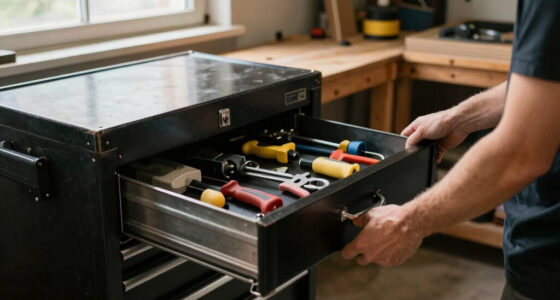
A rolling cabinet is a large, often heavy-duty storage unit with multiple drawers and shelves mounted on wheels. It’s the workhorse for workshops or garages where tools stay put but need to be organized and accessible.
Choosing a rolling cabinet means investing in a system that prioritizes capacity and organization over portability. Unlike portable boxes, these cabinets are designed to hold a wide array of tools—hand tools, power tools, accessories—in dedicated compartments. This systematic organization reduces the time spent searching for tools, which can significantly improve workflow and efficiency, especially in professional environments where time saved translates directly into cost savings.
Furthermore, the durable construction—often steel—means it can withstand daily wear and tear, making it a reliable fixture in a busy workspace. Lockable drawers add security, preventing theft or accidental spills, and maintain your organized setup.
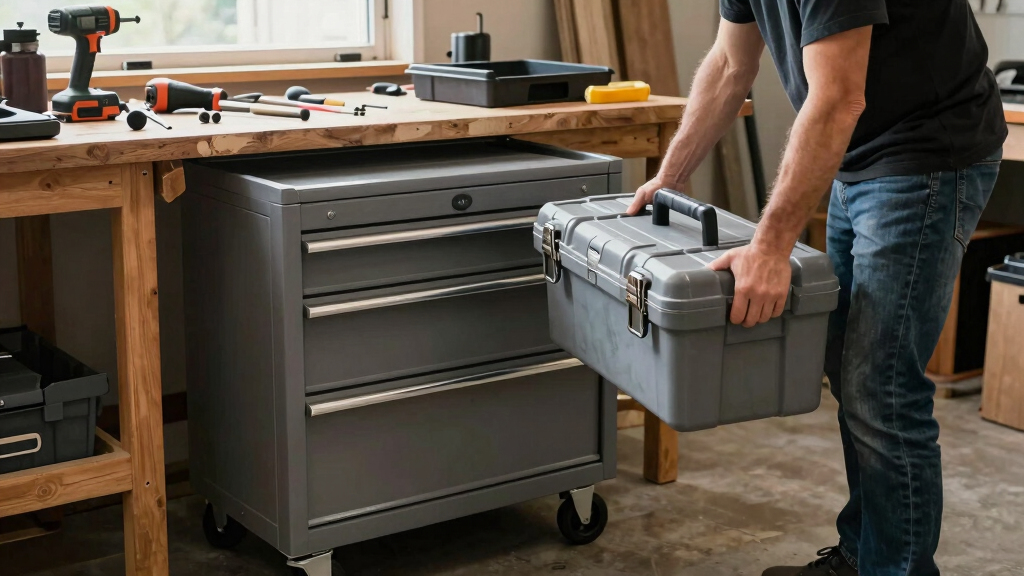
The tradeoff, however, is weight and size. Moving a fully loaded rolling cabinet can require planning and effort, which might not be practical if you need to frequently move tools on-site. But for a dedicated workshop or garage, the ability to consolidate large tool collections in one secure, organized space enhances productivity and reduces clutter. This setup is especially advantageous for professionals managing extensive inventories or DIYers who want to streamline their operations without sacrificing accessibility.
In essence, the deeper organizational capacity and security features of a rolling cabinet make it a powerful investment for those who prioritize efficiency in a fixed workspace, even if it sacrifices some mobility.

Goplus Tool Chest, 5 Drawers Rolling Tool Cabinet with Detachable Top Toolbox, Universal Lockable Wheels, Lock Bar, Protective Liner & Tool Rack, Metal Tool Storage Cart, Tool Box for Garage Workshop
Overall Dimension: 23.5” x 11” x 40” (L x W x H)
As an affiliate, we earn on qualifying purchases.
As an affiliate, we earn on qualifying purchases.
Compare these two storage options side-by-side
| Feature | Portable Tool Box | Rolling Cabinet |
|---|---|---|
| Mobility | Lightweight, easy to carry by hand or shoulder | Heavy but mobile within workspace, on wheels |
| Storage Capacity | Small, limited compartments for basic tools | Large, multiple drawers and shelves for extensive tool sets |
| Durability | Made from plastic or metal, impact resistant | Steel or heavy-duty composites, built to last |
| Security | Lockable latch or padlock compatible | Lockable drawers, high-security locks |
| Best For | Quick jobs, site work, DIY projects | Workshops, garages, where tools stay in one place |
heavy-duty rolling tool chest
As an affiliate, we earn on qualifying purchases.
As an affiliate, we earn on qualifying purchases.
How to pick the right storage for your work style
- Assess your tool collection size. Small sets fit in a box; large collections need a cabinet.
- Think about mobility. Do you often move tools around? Go lightweight or on wheels accordingly.
- Factor in workspace. Limited space favors portable boxes; a dedicated workshop benefits from a rolling cabinet.
- Consider security. Do you need to lock up your tools? Both options offer lockable features, but check the model.
- Set a budget. Heavy-duty cabinets cost more but last longer. Portable boxes are cheaper but less durable over time.
For example, a plumber who needs to carry basic tools daily may prefer a sturdy, lockable box. An auto mechanic running a busy garage might lean toward a rolling cabinet with full organization.

Hi-Spec Small Tool Kit Compact Set for Home and Office DIY, 25-Piece Green Mini Tool Box for Basic Household Repairs, Starter Toolkit in a Portable Toolbox Case.
Compact Portable Tool Set: Covers the essential home and office repairs and everyday quick fixes; a household tool…
As an affiliate, we earn on qualifying purchases.
As an affiliate, we earn on qualifying purchases.
Latest trends making tool storage smarter and tougher
Recent innovations aim to make storage solutions more functional and durable. Modular systems let you customize your setup—adding or removing drawers, shelves, or compartments as needed.
Materials have improved too. Lightweight, impact-resistant plastics and composites reduce weight without sacrificing strength. Some models even include built-in charging docks, LED lights, or digital inventory tracking.
Imagine a rolling cabinet with a built-in power strip, lighting, and compartments labeled with digital tags—saving time and reducing tool misplacement. These tech upgrades are shaping the future of tool storage, especially for busy professionals.
What you should consider before making a decision
Size, weight, and scope of your work matter. A small, lightweight box won’t handle your entire tool collection. Conversely, a massive rolling cabinet might be overkill for a homeowner fixing weekend projects.
Environment is key. Will your tools face weather or rough handling? Metal cabinets resist impacts but can rust if not coated. Plastic options are lighter but may crack under heavy abuse.
Security features like locks protect your tools from theft—vital in shared or outdoor spaces. Budget also plays a role: durable, feature-rich cabinets cost more but last longer.
Think about your workflow. Do you want to carry tools to the job site or keep everything organized in one place? Your answer guides the choice.
Key takeaways for choosing your perfect tool storage
- Mobility vs capacity: Portable boxes excel for quick, on-the-go jobs. Rolling cabinets shine in fixed setups with large tool collections.
- Material matters: Steel offers durability; plastic reduces weight. Match material to your environment and handling needs.
- Security features: Lockable drawers or latches protect your tools, especially in shared or outdoor spaces.
- Budget considerations: Heavy-duty cabinets cost more but last longer. Portable boxes are budget-friendly for light use.
- Future trends: Modular and tech-integrated systems are making tool storage smarter and tougher.
Frequently Asked Questions
Which is better for professional use—portable tool box or rolling cabinet?
It depends. For frequent transport and quick jobs, a portable tool box is ideal. For a workshop or garage with a large tool collection, a rolling cabinet provides better organization and capacity.How do I choose the right size and capacity?
Assess your tool collection and daily tasks. Small projects need a compact box, while heavy-duty setups benefit from a large, multi-drawer cabinet. Think about future growth too.Are lightweight but durable options available?
Yes, modern plastics and composites offer high impact resistance with less weight. These are perfect for frequent transport without sacrificing durability.What features should I look for in a high-quality rolling cabinet?
Focus on sturdy steel construction, lockable drawers, smooth-rolling wheels, and adjustable compartments. Additional features like built-in lighting or charging stations add convenience.Conclusion
Choosing between a portable tool box and a rolling cabinet boils down to your work style. If you need quick access and mobility, a sturdy, well-organized box might be enough. For larger tool collections and a dedicated workspace, a rolling cabinet offers unmatched capacity and organization.
Remember, the best tool storage isn’t just about size or price—it’s about fitting your workflow and environment. Invest in what makes your work easier, safer, and more efficient. Your tools—and your back—will thank you.