
TL;DR

Get tools and workshop supplies delivered free — and shop member deals
- Fast, free delivery on millions of items
- Access to Prime Big Deal Days deals on October 6–7
- Prime Video, Amazon Music and more included
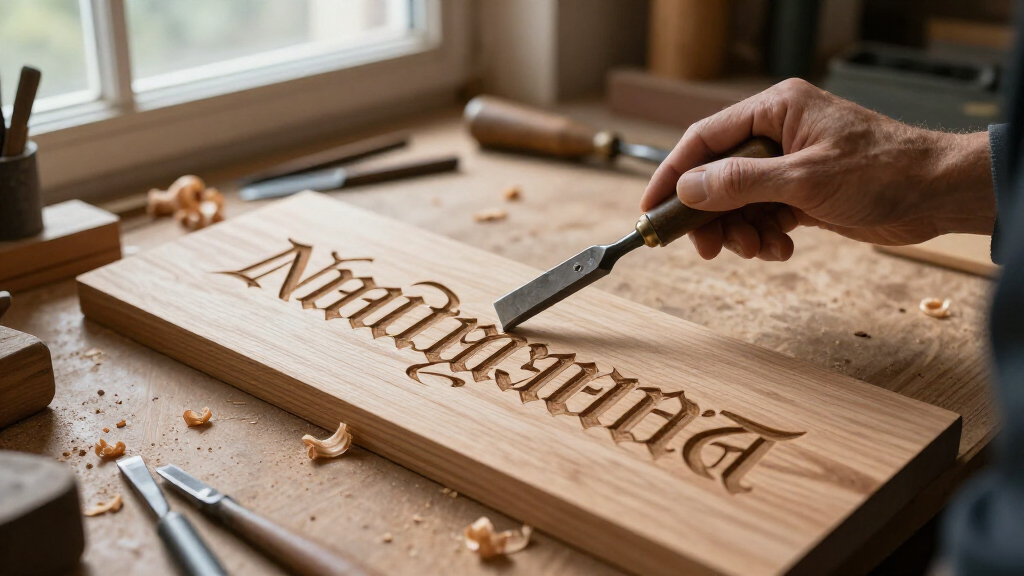
A renewed debate over the use of Antiqua and Fraktur typefaces has emerged, involving scholars, cultural institutions, and policymakers. The dispute centers on historical authenticity, cultural identity, and modern typographic standards.
The Antiqua–Fraktur dispute has resurfaced in Germany, with new proposals and debates surrounding the use of traditional Fraktur typefaces versus modern Antiqua fonts. This dispute, rooted in historical, cultural, and linguistic debates, now involves policymakers, scholars, and cultural institutions, highlighting the ongoing tension over national identity and typographic standards.
The controversy was reignited after a recent proposal by a German linguistic committee to limit the use of Fraktur typefaces in official documents and public signage, favoring the more modern Antiqua fonts. Historically, Fraktur was widely used in German print until the mid-20th century, when it was gradually replaced by Antiqua fonts, which are now standard in most contexts. Supporters of Fraktur argue that it is a vital part of Germany’s cultural heritage, while opponents claim it is outdated and difficult to read for many users.
Official statements from the German Federal Ministry of Culture confirmed that discussions are ongoing but emphasized that no formal legislation has been enacted yet. The debate has also involved academic institutions, with some linguists and historians defending Fraktur as an important cultural symbol, while others advocate for its limited use due to legibility concerns.
Implications for Cultural Identity and Typography Standards
This dispute is significant because it touches on issues of national identity, cultural heritage, and the standardization of typography. The outcome could influence educational materials, government signage, and public perception of Germany’s linguistic history. A decision to restrict Fraktur could be seen as a move away from traditional cultural symbols, while maintaining its use might reinforce historical continuity.
As an affiliate, we earn on qualifying purchases.
Historical Roots and Recent Revival of the Dispute
The Antiqua–Fraktur controversy dates back to the early 20th century, when Fraktur was the dominant typeface in German print. During Nazi Germany, Fraktur was initially promoted as a nationalistic symbol but later fell out of favor after World War II, replaced by Antiqua fonts as part of modernization efforts. The debate resurfaced in recent years amid broader discussions about cultural preservation versus modernization, with some groups calling for a revival of Fraktur in cultural and artistic contexts.
Recent proposals to limit Fraktur usage gained traction after the publication of a government report criticizing its legibility and suitability for digital media, prompting supporters to argue that such restrictions threaten cultural heritage.
“We are currently reviewing the role of traditional typefaces in modern Germany, with no final decision made yet.”
— Minister Klaus Weber, German Federal Ministry of Culture
As an affiliate, we earn on qualifying purchases.
Unclear Outcomes of the Ongoing Typographic Debate
It remains unclear whether the German government will implement restrictions on Fraktur or officially endorse its continued use. The final decision hinges on ongoing consultations among policymakers, cultural groups, and linguistic experts, and no legislation has been proposed or passed yet.
As an affiliate, we earn on qualifying purchases.
Next Steps in Policy and Cultural Discussions
Discussions are expected to continue through 2024, with possible public consultations and expert hearings. A formal proposal or policy change could emerge later this year, but authorities have emphasized that no definitive action has been decided. Stakeholders are awaiting further developments and potential legislative or cultural guidelines.
As an affiliate, we earn on qualifying purchases.
Key Questions
Why is the Antiqua–Fraktur dispute still relevant today?
The dispute touches on issues of cultural identity, historical preservation, and practical usability, making it relevant in debates over national heritage and modern communication needs.
Could Fraktur be banned in official documents?
It is currently uncertain; discussions are ongoing, but no formal legislation has been introduced or passed to ban Fraktur outright.
What are the main arguments in favor of preserving Fraktur?
Supporters argue that Fraktur is a vital part of Germany’s cultural and historical identity, representing centuries of tradition and artistic expression.
What are the main arguments against Fraktur?
Opponents cite issues of legibility, accessibility, and modern usability, especially in digital media and for people with visual impairments.
Source: hn
Fall Picks
fall essentials
As an affiliate, we earn on qualifying purchases.