
TL;DR
Tool carts excel in mobility, perfect for quick access and on-the-go tasks. Tool cabinets shine in capacity, organization, and security, ideal for a stationary work setup. Many professionals end up using both for maximum flexibility.
Ever tried juggling tools on a busy jobsite? Your gear can make or break your day. The choice between a tool cart and a tool cabinet isn’t just about storage — it’s about how you work.
In this guide, you’ll see the real differences, backed by years of practical experience. Whether you’re a DIYer, a mobile mechanic, or a shop owner, understanding which fits your workflow saves you time, money, and frustration.
A tool cart offers unmatched mobility, making it ideal for jobs that require moving around.
A tool cabinet provides higher capacity, organization, and security, suited for dedicated workspaces.
Many professionals combine both, using a cart as a shuttle and a cabinet as a secure storage hub.
Choose your storage based on workflow: mobile work or stationary organization.
Invest in quality casters and drawer slides — they’re the wear points that matter most.
What Is a Tool Cart and Why Does It Matter?
A tool cart is a mobile, open or semi-open storage unit with casters, usually featuring 2–4 shallow drawers or shelves. It’s designed for quick, easy access to frequently used tools.
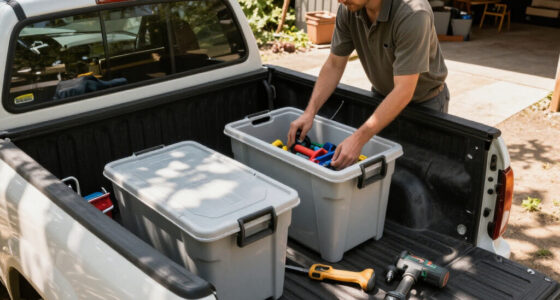
Imagine rolling your impact wrench, pliers, and screwdrivers right to your workpiece. That’s the beauty of a cart — it moves with you, cutting down trips back to a fixed station. For instance, a mobile mechanic might keep a cart loaded with wrenches and sockets that follow him around the truck.
Understanding the importance of a tool cart means recognizing how it enhances efficiency. It minimizes downtime by bringing tools directly to the work area, which is crucial in fast-paced environments. However, this convenience often comes with a tradeoff — limited capacity and less security compared to fixed storage. Choosing a cart means balancing the need for mobility against the potential for tools to be misplaced or stolen if not properly secured.

MaxWorks Heavy Duty 2‑Shelf Service Cart 500 lb Capacity Polypropylene Utility Cart with 5" Non‑Marring Casters Deep Trays and Built‑In Tool Storage for Garage Warehouse Workshop (80855)
Durable Material: Constructed from lightweight, commercial-duty polypropylene to ensure resistance against rust, stains, scratches, and dents.
As an affiliate, we earn on qualifying purchases.
As an affiliate, we earn on qualifying purchases.
What Is a Tool Cabinet and Why It’s Still a Must
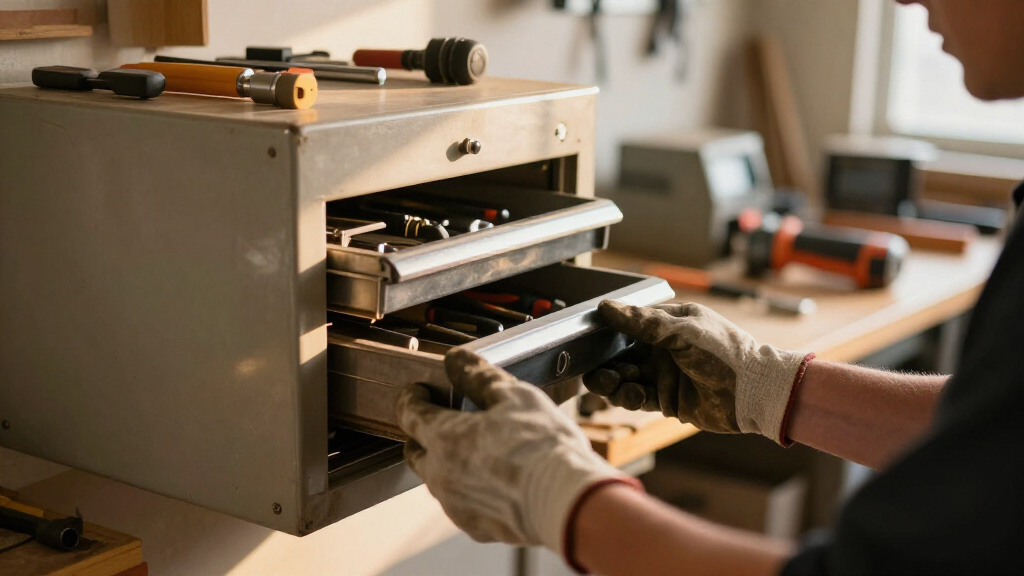
A tool cabinet is an enclosed, often heavy, storage unit with multiple drawers, sometimes stacked with a top chest. It’s built for capacity, organization, and security.
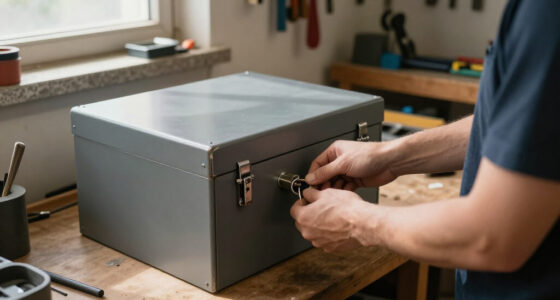
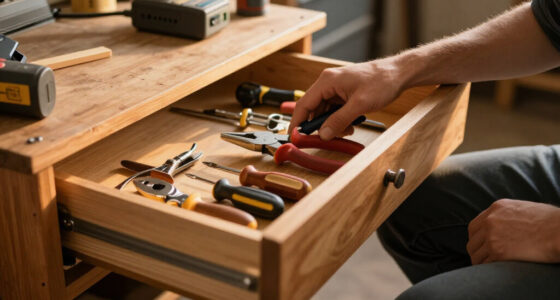
Think of a busy repair shop where technicians store dozens of screwdrivers, hammers, and precision tools. The drawers slide smoothly on ball bearings, and a lock keeps everything safe overnight. For example, a professional technician might keep their most valuable tools in a locked cabinet to prevent theft or misplacement.
Choosing a tool cabinet means prioritizing long-term organization and security. The comprehensive storage system allows for categorizing tools, which reduces search time and increases productivity. The security features safeguard your investment, especially in shared or unattended environments. However, the tradeoff is reduced mobility — once loaded, a cabinet stays put, making it less suitable for tasks that require movement. This makes it ideal for dedicated workspaces where organization and safety are paramount, but less so for dynamic, on-the-go work.
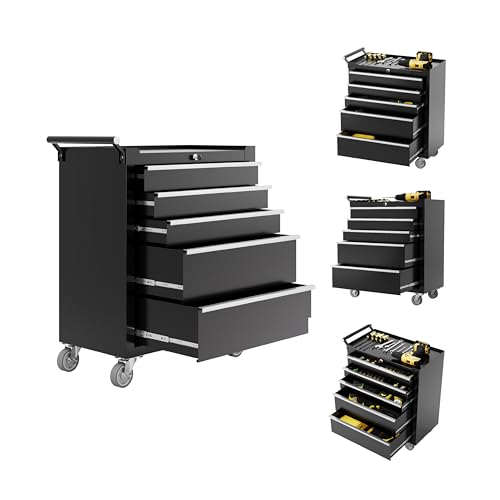
Rolling Tool Chest with Wheels, 5 Drawer Tool Storage Cabinet, Portable Toolbox Organizer with Lock, Heavy Duty Tool Chest Cart for Garage, Mechanic, Workshop, Shop, Mobile Tool Organizer, Black
【Professional-Grade Steel Construction】 Built with heavy-duty steel and a scratch-resistant powder coating, this rolling tool chest withstands daily…
As an affiliate, we earn on qualifying purchases.
As an affiliate, we earn on qualifying purchases.
Tool Cart vs Tool Cabinet: The Big Showdown
| Feature | Tool Cart | Tool Cabinet |
|---|---|---|
| Mobility | High — casters roll smoothly, perfect for on-the-fly work | Low — mostly stationary, even with wheels, designed to stay put |
| Storage Capacity | Lower — shallow shelves, limited weight, easier to access | Much higher — deep drawers, heavy loads, more organized |
| Organization | Quick grab — open shelves, visible tools, less division | Precise — dividers, foam inserts, multiple small drawers |
| Security | Light — open design, lockable models exist but less common | High — locks, enclosed drawers, theft-resistant |
| Weight & Durability | Light to moderate — depends on build, casters wear over time | Heavy — built to last, withstand heavy loads, steel construction |
Understanding these differences is key because your choice impacts workflow, safety, and tool security. For instance, prioritizing mobility might mean sacrificing some capacity and security, but it dramatically increases your ability to adapt quickly. Conversely, investing in a sturdy, secure cabinet supports a more organized and protected environment, which is essential for high-value tools and long-term storage. Recognizing these tradeoffs helps you tailor your setup to your specific needs, balancing convenience with safety and capacity.

CFMASTER 5 – Tier Power Tool Organizer Cart – 300 lbs Heavy Duty Utility Rack Shelf, Rolling Drill Holder & Tool Storage Cart on Wheels for Garage, Workshop, Ideal Gift for Men (no Power)
【2-in-1 Design: Storage + Mobility】:The power tool organizer cart has a 5-tier tool rack that combines storag and…
As an affiliate, we earn on qualifying purchases.
As an affiliate, we earn on qualifying purchases.
When to Choose a Tool Cart — Mobility Wins
If your work involves moving around — on a jobsite, in a garage, or between vehicle bays — a tool cart keeps you agile. You can roll it directly to your workpiece, reducing trips and saving time.
For example, a mobile mechanic who needs tools at different parts of a truck will find a cart indispensable. It’s like having a rolling toolbox that moves with you, with the added bonus of pulling out only what you need.
Choosing a tool cart in such scenarios means embracing the tradeoff of limited storage for maximum flexibility. It allows you to adapt quickly to changing tasks, but it also requires mindful organization to prevent losing tools or cluttering the workspace. The ability to reposition your tools instantly can significantly increase productivity, but only if the cart is well-designed with durable casters and secure compartments.

Yizosh 5-Drawer Metal Tool Storage Cabinet with Wheels,Rolling Tool Chest with Drawer and Locking Keys,Heavy Duty Tool Storage Organizer for Garage,Warehouse,Workshop
[Quality Material] Yizosh storage cabinet iAdjustable Shelvess made of high-strength metal steel, the surface is powder electrostatic spraying,…
As an affiliate, we earn on qualifying purchases.
As an affiliate, we earn on qualifying purchases.
When a Tool Cabinet Is Your Best Bet — Capacity & Security
If you work in a fixed location or need to store lots of tools securely, a tool cabinet wins. It offers deep drawers, dividers, and locks to keep everything organized and safe.
Opting for a cabinet means accepting less mobility but gaining a centralized, protected storage space. This is especially beneficial in environments where tools are used regularly but need to be kept secure overnight or in shared spaces. The organized layout reduces search times, minimizes clutter, and helps prevent misplacement of valuable tools. The security features protect your investment from theft or accidental damage, which is vital in commercial settings. The tradeoff is that once loaded, the cabinet stays stationary, making it less suitable for jobs that require frequent movement or on-site tool changes. The choice depends on whether you value security and organization over flexibility and mobility.
Hybrid Options: When Carts and Cabinets Collide
Many users combine both. A rolling cabinet with stacked drawers can serve as a mobile storage station, while a large, locked cabinet becomes the permanent home base.
For example, a contractor might keep a rolling cabinet on-site for daily tasks, but store their most expensive tools in a secure, stationary cabinet at the end of the day.
This hybrid approach leverages the strengths of both storage types, offering flexibility and security. It allows for quick access to frequently used tools on the move while maintaining a safe, organized repository for high-value or infrequently used equipment. However, managing two systems requires planning to ensure tools are appropriately stored and retrieved, and that security measures are in place for the stationary units. This combination strategy is ideal for professionals who need adaptability without sacrificing safety or capacity.
Choosing the Right Size & Features
- Assess your tool collection. Do you need room for expansion?
- Check your workspace — is mobility a priority or do you have a dedicated shop?
- Think about security — do you need locks?
- Match casters and drawer slides to your workload — heavy-duty for frequent use, lighter for occasional tasks.
Considering these factors helps tailor your storage solution to your specific needs. For example, if your tool collection is growing or you anticipate adding specialized equipment, choosing a larger or more versatile unit prevents future upgrades. If security is paramount due to high-value tools, prioritize models with robust locking mechanisms. Evaluating your workspace layout ensures that mobility features align with your daily routine, avoiding unnecessary clutter or difficulty accessing tools. Weighing these considerations ensures your investment supports your workflow efficiently and safely.
Price & Durability — What to Expect
Entry-level tool carts start under $150, perfect for DIY projects. High-end cabinets from brands like Snap-on or Vidmar can cost $5,000 or more, designed for professional use.
Durability depends on steel gauge, powder coating, and caster quality. Cheaper carts may wobble or wear out fast, while quality units last decades.
For example, a $200 Harbor Freight cart might serve well for light use but could fail under heavy daily loads. Conversely, a Snap-on cabinet with premium slides can handle 200+ lbs per drawer, year after year.
Investing in quality means you’re paying for longevity and peace of mind. Cheaper options might save money upfront but could lead to costly replacements or repairs down the line. The choice hinges on your workload, frequency of use, and how much you’re willing to spend for durability and reliability. A well-made, durable unit supports your workday without interruption, making it a worthwhile investment in the long run.
Trends & New Features in Tool Storage
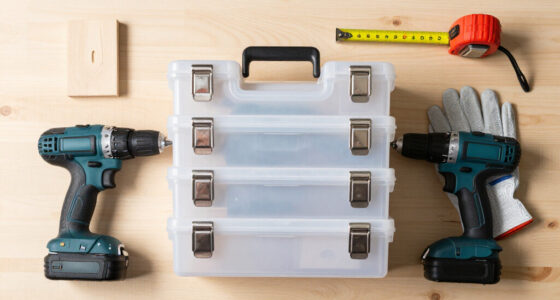
Modular stacking systems like Milwaukee Packout blend mobility with enclosed storage. Smart features like LED lighting, USB ports, and electronic locks are on the rise in high-end models. These innovations improve efficiency and security, especially in busy shops or jobsites.
For instance, a mechanic might use a Packout with power outlets and a pegboard side panel, turning it into a mobile workshop.
Your Workflow Determines Your Storage Choice
It’s all about how you work. If your tools need to follow you around, a tool cart is your best friend. If you prefer a dedicated, organized space with lots of capacity, a tool cabinet wins.
Most serious users find value in having both — the cart for daily jobs, and a cabinet for secure, bulk storage. Think of your setup like a toolbox and a safe: each has its role.
Frequently Asked Questions
Can I use a tool cart for heavy-duty work?
Yes, but check the caster weight ratings and drawer slide quality. Heavy loads require reinforced casters and steel drawers rated for 200+ lbs. Otherwise, expect wobbling or damage over time.
Is a tool cabinet better for security than a cart?
Generally, yes. Cabinets often include locks and enclosed drawers, making theft or accidental opening less likely. Carts can be secured with padlocks but are more exposed.
Should I buy a modular system or traditional storage?
Modular systems like Packout or ToughSystem offer flexibility and portability, but traditional cabinets often provide more capacity and security. It depends on whether you need mobility or maximum storage.
How do I prevent my cart from tipping over?
Use locking casters, distribute weight evenly, and avoid overloading one side. Keeping heavier tools low and centered helps maintain stability on uneven floors.
What’s the best way to organize drawers?
Use foam inserts, dividers, or small bins to keep tools sorted. Labeling sections and placing frequently used tools at the front speeds up your workflow.
Conclusion
Your tools are your livelihood. Pick the storage that matches how you work — whether that’s a nimble cart for quick trips or a sturdy cabinet for long-term organization.
Remember, the best setup often combines both. Think about your daily routine, space, and security needs. Your perfect system isn’t one-size-fits-all — it’s the one that keeps you efficient and safe.